How Long to Leave the Engine Before Checking the Oil
You should wait 5 to 10 minutes after turning off the engine before checking the oil. This allows the oil to settle back into the oil pan for an accurate reading. Checking oil at the right time keeps your engine healthy and prevents costly repairs.
Knowing how long to leave the engine before checking the oil is one of the simplest yet most overlooked parts of car maintenance. Many drivers pop the hood and pull the dipstick within seconds of turning off the engine. But that quick glance can give you a wrong reading and lead to poor decisions about your engine health.
Engine oil is the lifeblood of your vehicle. It lubricates every moving part inside the engine, reduces friction, and prevents overheating. When the oil level is too low or too high, your engine suffers. The question is, when exactly should you check it? And how long should you wait?
In this guide, we will walk you through everything you need to know about checking your engine oil. We will cover the right timing, the proper steps, common mistakes, and expert tips. Whether you are a new car owner or a seasoned driver, this article will help you get it right every time.
Key Takeaways
- Wait 5-10 minutes: Let the engine cool slightly but keep the oil warm for the most accurate dipstick reading.
- Check on level ground: Park your car on a flat surface to get a true oil level measurement.
- Cold vs. warm engine: Most manufacturers recommend checking oil when the engine is warm but not hot.
- Never check while running: Running engines create oil splashing that gives false readings on the dipstick.
- Reset your oil change light: After an oil change, remember to reset the indicator to track your next service.
- Follow your owner’s manual: Different vehicles have specific oil check procedures and intervals.
📑 Table of Contents
- Why Timing Matters When Checking Your Oil
- How Long to Wait: Cold vs. Warm Engine
- Step-by-Step Guide to Checking Your Engine Oil
- Common Mistakes People Make When Checking Oil
- How Engine Oil Type Affects Your Check
- Expert Tips for Better Oil Maintenance
- What to Do If You Find Low Oil
- How Oil Check Frequency Relates to Overall Vehicle Health
- Final Thoughts
Why Timing Matters When Checking Your Oil
The timing of your oil check matters more than most people realize. Oil behaves differently depending on the engine temperature. When the engine is running, oil circulates through the entire engine block. It fills the galleries, coats the bearings, and sits in the oil pan at the bottom.
If you check the oil immediately after shutting off the engine, the oil is still splashing around. It has not settled back into the oil pan yet. This means your dipstick reading will be inaccurate. You might think you have enough oil when you actually do not, or vice versa.
On the other hand, waiting too long also has downsides. Cold oil is thicker and does not flow as easily. It may cling to the dipstick and give you a lower reading than what is actually in the system. The sweet spot is a warm but not hot engine.
The Science Behind Oil Settling
When your engine runs, the oil pump pushes oil through narrow passages at high pressure. The oil reaches temperatures between 200 and 250 degrees Fahrenheit in most vehicles. At this temperature, the oil is thin and flows freely.
Once you turn off the engine, the oil starts to cool. As it cools, it becomes slightly thicker. Gravity pulls it back down into the oil pan. This process takes about 5 to 10 minutes for most cars. Waiting this amount of time gives the oil enough time to settle for an accurate reading.
Think of it like a pot of soup. If you try to scoop it right after taking it off the stove, the liquid is swirling. But after a few minutes, it settles. The same principle applies to your engine oil.
How Long to Wait: Cold vs. Warm Engine
The answer to how long to leave the engine before checking the oil depends on whether you are checking it cold or warm. Different situations call for different approaches. Let us break it down.
Checking Oil on a Cold Engine
A cold engine check means the car has been sitting for several hours, usually overnight. This is the method many owners prefer because it is convenient. You simply open the hood in the morning and check the oil before driving.
For a cold engine check, you should wait at least 10 to 15 minutes after the engine has been off. This gives the oil enough time to drain back into the oil pan. Cold oil is thicker, so it needs more time to settle.
Most vehicle manufacturers, including Toyota and other major brands, recommend checking oil when the engine is cold. This is why the dipstick often has cold and warm markings. The cold mark gives you the reading after the oil has fully settled.
Checking Oil on a Warm Engine
A warm engine check means you drive the car for a few minutes, then turn it off and wait. This method gives you a reading that reflects how the oil behaves during actual driving conditions.
For a warm engine check, wait 5 to 10 minutes after turning off the engine. The oil will still be thin enough to flow properly but settled enough for an accurate reading. This is the preferred method for many mechanics and automotive experts.
Some manufacturers specifically recommend checking oil on a warm engine. Always refer to your owner’s manual to find the correct procedure for your specific vehicle. The manual will tell you whether to check on a cold or warm engine and how long to wait.
Step-by-Step Guide to Checking Your Engine Oil
Now that you know how long to wait, let us walk through the actual process of checking your oil. Following the right steps ensures you get an accurate reading every time.
Step 1: Park on Level Ground
Always park your car on a flat, level surface before checking the oil. If the car is on a slope, the oil will pool to one side of the oil pan. This gives you a false reading that could be either too high or too low.
Turn off the engine and engage the parking brake. Let the car sit for the appropriate amount of time based on whether you are doing a cold or warm check.
Step 2: Locate the Dipstick
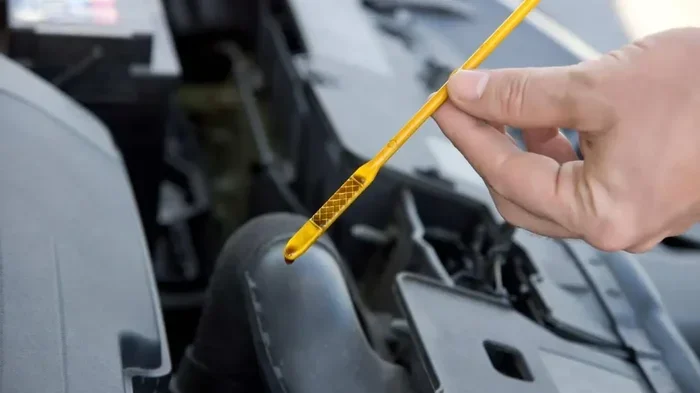
Open the hood and find the dipstick. It usually has a brightly colored handle, often yellow or orange, making it easy to spot. Pull the dipstick out carefully.
Wipe the dipstick clean with a rag or paper towel. You want to remove all the old oil from the stick so you get a fresh reading. This is a step many people skip, and it leads to inaccurate results.
Step 3: Reinsert and Pull Out
Push the dipstick all the way back into its tube. Then pull it out again. Look at both sides of the dipstick. The oil will leave a mark between the minimum and maximum lines.
If the oil mark falls between the two lines, your level is good. If it is below the minimum line, you need to add oil. If it is above the maximum line, you have too much oil, which can also cause problems.
Step 4: Check the Oil Color and Condition
While you have the dipstick out, take a moment to look at the oil color. Fresh oil is amber or golden brown. As oil ages, it darkens to a brown or black color. Very dark or gritty oil may need to be changed soon.
Also, check for any metal particles or milky appearance. Metal particles can indicate engine wear. A milky or frothy look may suggest coolant leaking into the oil. Both situations require immediate attention from a professional.
Common Mistakes People Make When Checking Oil
Even experienced drivers make mistakes when checking their oil. These errors can lead to incorrect readings and poor maintenance decisions. Here are the most common ones to avoid.
Checking Oil Right After Driving
This is the number one mistake. Many people turn off the engine and immediately pull the dipstick. The oil is still circulating and has not settled. The reading will be inaccurate and could make you think your oil level is lower than it actually is.
Always wait the full 5 to 10 minutes after turning off the engine. This simple habit will save you from unnecessary oil top-ups and false alarms.
Not Checking Oil Regularly
Some drivers only check their oil when the warning light comes on. By then, the oil level may already be dangerously low. Regular checks help you catch problems early before they turn into expensive repairs.
Make it a habit to check your oil at least once a month. This is especially important for older vehicles or cars with higher mileage. The oil change interval on your vehicle also plays a role in how often you should check the level.
Overfilling the Oil
Adding too much oil might seem harmless, but it can cause serious engine damage. Excess oil gets whipped up by the crankshaft and creates foam. Foamy oil loses its lubricating ability and can cause increased engine wear.
If you accidentally overfill, have the excess oil drained by a professional. Do not try to drive long distances with too much oil in the system.
Ignoring the Oil Change Light
Your vehicle has an oil change light for a reason. Some drivers ignore it or reset it without actually changing the oil. If you recently had an oil change, make sure you reset the oil change light properly. This helps you track when the next service is due.
On the flip side, if the light comes on and you have not had an oil change recently, do not ignore it. Driving with old or low oil can cause severe engine damage over time.
How Engine Oil Type Affects Your Check
The type of oil you use in your engine also plays a role in how you check it and how long you should wait. Different oils have different properties that affect their behavior at various temperatures.
Conventional vs. Synthetic Oil
Conventional oil is derived from crude oil and has been used in engines for decades. Synthetic oil is man-made and engineered for better performance at extreme temperatures. Both types require the same basic checking procedure.
However, synthetic oil tends to flow more smoothly at lower temperatures. This means it may settle faster in the oil pan after the engine is turned off. Some drivers find that synthetic oil gives a more accurate reading after just 5 minutes of sitting.
Conventional oil is thicker and may take a bit longer to settle. If you use conventional oil, waiting the full 10 minutes is a good practice.
High-Mileage Oil Considerations
High-mileage oils are specially formulated for vehicles with over 75,000 miles. They contain additives that help seal gaps in older engines and reduce oil consumption. If you use high-mileage oil, check your levels more frequently.
Older engines tend to burn oil faster. You may need to top off the oil between changes. Keeping an eye on the level and knowing the right time to check will help you stay on top of this.
Expert Tips for Better Oil Maintenance
Beyond just knowing how long to leave the engine before checking the oil, there are several expert tips that can improve your overall oil maintenance routine. These small habits make a big difference over the life of your vehicle.
Keep a Maintenance Log
Track every oil change and oil check in a log or app. Write down the date, mileage, oil type, and oil level reading. This creates a history that helps you spot trends and catch potential problems early.
A maintenance log also comes in handy when you sell your car. Buyers appreciate a well-documented maintenance history. It adds value and builds trust.
Use the Right Oil for Your Vehicle
Not all oils are created equal. Your vehicle’s owner manual specifies the recommended oil viscosity, such as 5W-30 or 10W-40. Using the wrong oil can affect engine performance and oil check accuracy.
If you are unsure about which oil to use, check with your dealership or a trusted mechanic. They can recommend the best oil for your driving conditions and climate.
Inspect for Leaks Regularly
While checking your oil, look under the car for any fresh oil spots or puddles. Oil leaks can develop over time and lead to low oil levels. Catching a leak early can prevent engine damage and costly repairs.
Pay attention to any burning oil smell while driving. This could indicate oil leaking onto hot engine components. Address this issue immediately to avoid further damage.
Follow the Manufacturer’s Recommended Oil Change Schedule
Every vehicle has a recommended oil change schedule based on mileage and time intervals. Following this schedule ensures your engine always has fresh, clean oil. Skipping oil changes is one of the fastest ways to shorten your engine’s lifespan.
Many newer vehicles have oil life monitoring systems that calculate when your next change is due. These systems take into account your driving habits and conditions. Trust the system, but also check the oil manually on a regular basis.
What to Do If You Find Low Oil
If your dipstick reading shows the oil level is low, do not panic. Low oil is a common issue, and it is usually easy to fix. Here is what you should do step by step.
- Check for leaks: Look under the car for any signs of oil drips or puddles. Leaks are a common cause of low oil levels.
- Add the correct oil: Use the oil type recommended in your owner’s manual. Pour in small amounts and recheck the level with the dipstick.
- Do not overfill: Add oil gradually. It is easier to add more than to remove excess.
- Monitor the level: Check the oil again after a few days of driving. If it drops quickly, you may have a leak or an oil consumption issue.
- Visit a mechanic: If you cannot find the source of the low oil or the level drops rapidly, have the car inspected by a professional.
Driving with low oil is dangerous. The engine components rely on a thin film of oil to reduce friction. Without enough oil, metal parts grind against each other, causing heat and wear. In severe cases, this leads to engine failure.
If you ever see the oil pressure warning light on your dashboard, pull over safely and turn off the engine immediately. Continuing to drive with no oil pressure will destroy your engine within minutes.
How Oil Check Frequency Relates to Overall Vehicle Health
Checking your oil regularly connects directly to your overall vehicle health. Oil is not the only fluid you should monitor, but it is one of the most important. A well-maintained oil level supports engine performance, fuel efficiency, and longevity.
When you make oil checking a routine, you also start noticing other changes under the hood. You might spot a new leak, notice unusual sounds, or observe changes in how the engine runs. These small observations can prevent bigger problems down the road.
Regular maintenance also includes checking other fluids like coolant, brake fluid, and transmission fluid. But oil is the one you should check most frequently because it degrades over time and with use. Keeping it at the right level and changing it on schedule is the foundation of good car care.
Final Thoughts
So how long should you leave the engine before checking the oil? The simple answer is 5 to 10 minutes for a warm engine and 10 to 15 minutes for a cold engine. This waiting period allows the oil to settle and gives you an accurate dipstick reading.
Proper oil maintenance is one of the easiest and most cost-effective things you can do for your vehicle. It takes just a few minutes and can save you thousands of dollars in engine repairs over the life of your car. The habit of checking oil at the right time, using the right oil, and following the manufacturer’s schedule will keep your engine running smoothly for years.
Remember, your engine is a complex machine with hundreds of moving parts. Oil is what keeps all those parts working together without grinding, overheating, or wearing down. Treat your oil with respect, and your car will reward you with reliable performance and a long lifespan.
Whether you are a daily commuter or an occasional driver, make oil checks part of your regular routine. It takes less time than you think, and the peace of mind it gives you is well worth it. Your engine works hard for you. A few minutes of attention to your oil level is a small price to pay for the protection it provides.
Stay on top of your oil maintenance, follow the tips in this guide, and you will be ahead of most drivers. If you ever feel unsure about your oil level or condition, do not hesitate to consult a trusted mechanic. They can give your vehicle a professional inspection and ensure everything is in great shape.
Frequently Asked Questions
Can I check my oil right after turning off the engine?
No, you should wait at least 5 to 10 minutes after turning off the engine. The oil needs time to settle back into the oil pan for an accurate reading. Checking immediately gives a false low reading because the oil is still circulating through the engine.
Is it better to check oil when the engine is cold or warm?
Most manufacturers recommend checking oil when the engine is cold, meaning the car has been sitting for several hours. However, some brands prefer a warm engine check after a short drive. Always refer to your owner’s manual for the specific recommendation for your vehicle.
What happens if I overfill my engine oil?
Overfilling causes excess oil to foam when the crankshaft spins. Foamy oil loses its lubricating properties and can lead to increased engine wear. In severe cases, excess oil can damage the catalytic converter or cause oil to leak past seals.
How often should I check my engine oil level?
You should check your oil level at least once a month. Additionally, check it before any long trips. Vehicles with higher mileage or older engines may benefit from more frequent checks to catch oil consumption issues early.
Should I reset the oil change light after adding oil?
No, you should only reset the oil change light after a full oil and filter change. Simply adding oil does not replace the old oil with contaminants. Resetting the light prematurely means you will not be reminded when a full oil change is actually needed.
Can low oil cause the check engine light to come on?
Yes, low oil can trigger the check engine light in some vehicles. The oil pressure sensor detects low oil levels and sends a warning to the computer. If your check engine light comes on, checking the oil level should be one of the first things you do.
=== CONCLUSION ===
Checking your engine oil at the right time is a simple habit that pays big dividends. Wait 5 to 10 minutes after a warm engine or 10 to 15 minutes after a cold engine, and you will get an accurate reading every time. Use the right oil, follow your manufacturer’s schedule, and make it a monthly routine.
Proper oil maintenance keeps your engine running strong and helps you avoid expensive repairs. It is one of the best investments you can make in the long-term health of your vehicle. Start today, and your future self will thank you.