How Reliable Are Toyota RAV4 After Years of Ownership
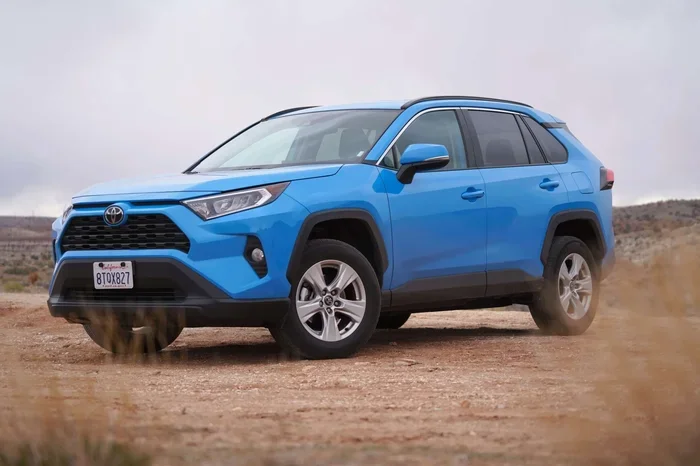
The Toyota RAV4 is one of the most reliable compact SUVs on the road today. With proper care, a Toyota RAV4 can easily last 200,000 miles or more. Owners consistently praise its durability, low repair costs, and strong resale value.
When you buy a car, you want to know it will be there for you day after day, year after year. That is exactly what the Toyota RAV4 delivers. This compact SUV has earned a reputation as one of the most dependable vehicles on the market. But just how reliable is the Toyota RAV4 after years of ownership? That is the question every potential buyer wants answered.
The good news is that the numbers back up the reputation. Toyota RAV4 reliability scores consistently rank near the top of industry lists. Owners who have kept their RAV4s for a decade or more often say the same thing: this truck just keeps going. Whether you are looking at a used model or planning to hold onto a new one for the long haul, the Toyota RAV4 longevity story is impressive.
In this guide, we break down everything you need to know about RAV4 reliability over time. We will look at common problems, maintenance needs, costs, and what real owners say after thousands of miles. By the end, you will have a clear picture of what to expect from your Toyota RAV4 as the years go by.
Key Takeaways
- Proven Reliability: The Toyota RAV4 consistently ranks among the most reliable compact SUVs with minimal major issues.
- Long Lifespan: Many owners report their RAV4 lasting 200,000 to 300,000 miles with regular maintenance.
- Low Maintenance Costs: Routine repairs and upkeep are affordable compared to competitors in the same class.
- Strong Resale Value: Toyota RAV4 models hold their value remarkably well over time.
- Few Major Recalls: The RAV4 has a relatively clean recall history compared to other SUVs.
- Great for Families: The RAV4 offers seating for five and solid cargo space for daily use.
📑 Table of Contents
- Why the Toyota RAV4 Has a Strong Reliability Reputation
- Common Problems Toyota RAV4 Owners Face Over Time
- Maintenance Costs and What to Expect
- Real Owner Experiences: What People Say After 10+ Years
- Resale Value and Long-Term Ownership Benefits
- How to Maximize Your RAV4’s Lifespan
- Final Thoughts: Is the Toyota RAV4 Worth It for Long-Term Ownership?
Why the Toyota RAV4 Has a Strong Reliability Reputation
The Toyota RAV4 has been around since 1994. That is nearly 30 years of continuous improvement. Toyota built this vehicle with a simple philosophy: make it work, make it last, and make it affordable to fix. The results speak for themselves.
Several factors contribute to the RAV4 durability that owners love:
- Proven powertrain designs: The engines in the RAV4 are well-tested and refined over decades.
- Conservative engineering: Toyota uses reliable components rather than experimental technology.
- Wide dealer network: Getting your RAV4 serviced is easy and affordable almost anywhere.
- Simple systems: Fewer complex parts means fewer things can go wrong.
These elements combine to create a vehicle that simply does not break down often. When something does go wrong, it is usually something simple and inexpensive to fix. That is the beauty of Toyota’s approach to building the RAV4.
How the RAV4 Compares to Other Compact SUVs
Let us put things in perspective. The Toyota RAV4 competes with vehicles like the Honda CR-V, Ford Escape, and Nissan Rogue. In reliability surveys from sources like Consumer Reports and J.D. Power, the RAV4 regularly scores higher than most of its rivals. The Toyota RAV4 reliability rating often lands in the top tier for compact SUVs.
Compare this to some competitors that have had more transmission issues or electrical gremlins. The RAV4 keeps things simple and proven. This is why so many shoppers choose the Toyota RAV4 when they want a vehicle they can trust. Much like how the Toyota Corolla can last 20 years, the RAV4 follows the same dependable Toyota formula.
Common Problems Toyota RAV4 Owners Face Over Time
No vehicle is perfect. Even the Toyota RAV4 has some issues that pop up after years of driving. Understanding these problems helps you stay ahead of them. The key is knowing what to watch for and when to address it.
Here are the most common issues reported by long-term RAV4 owners:
- Oil consumption: Some older RAV4 models use a bit more oil than expected. Regular checks help catch this early.
- Transmission hesitation: A few owners report slight delays in shifting, especially in older generations.
- Rust on the undercarriage: In colder climates, road salt can cause rust if the vehicle is not washed regularly.
- Exhaust manifold cracks: This issue appears in some older model years but is usually covered under warranty.
- Electrical gremlins: Minor electrical issues like flickering lights or sensor warnings can appear after 100,000 miles.
Notice something important here? None of these are catastrophic failures. They are manageable issues that a competent mechanic can handle. This is what separates the RAV4 from vehicles that have serious, expensive problems down the road.
Which RAV4 Years Have the Most Issues?
Every vehicle has good years and less-than-perfect years. The Toyota RAV4 years to avoid are generally the earliest generations from the late 1990s and early 2000s. These models had simpler technology but also more teething problems.
Modern RAV4 generations, especially from 2013 onward, show significant improvement in build quality. The current generation RAV4 is arguably the most refined version yet. If you are shopping used, aim for models from 2013 or newer for the best long-term RAV4 ownership experience.
Maintenance Costs and What to Expect
One of the biggest advantages of owning a Toyota RAV4 is the low cost of ownership. Toyota parts are widely available and reasonably priced. Most independent mechanics can service a RAV4 without special equipment.
Here is a rough breakdown of typical maintenance costs over the life of a RAV4:
- Oil changes: $50 to $80 per service, done every 5,000 to 7,500 miles.
- Brake pads: $150 to $300 per axle, typically every 30,000 to 50,000 miles.
- Tire rotations: $30 to $50 per service, every 5,000 to 7,500 miles.
- Timing belt (if applicable): $400 to $700, usually around 100,000 miles.
- Transmission fluid: $150 to $250, every 60,000 to 90,000 miles.
- Major service at 100k: $500 to $1,000 for comprehensive inspection and fluid changes.
Compare these numbers to luxury brands or even some domestic competitors. The RAV4 maintenance cost is very competitive. This is a big part of why the RAV4 holds its value so well. When total cost of ownership is calculated, the RAV4 often comes out ahead.
Quick Tips for Keeping Your RAV4 Reliable
Want your Toyota RAV4 to last well beyond 200,000 miles? Follow these simple tips:
- Change the oil on schedule and use the recommended grade.
- Rotate your tires every 5,000 to 7,500 miles for even wear.
- Replace brake fluid every two years to prevent corrosion.
- Keep up with coolant flushes as recommended in the owner’s manual.
- Address small issues immediately before they become big problems.
- Wash the undercarriage regularly in winter months to prevent rust.
- Store the vehicle in a garage when possible to protect the paint and seals.
These habits take minimal time and money but pay off enormously over the life of the vehicle. Think of them as an investment in your RAV4 durability.
Real Owner Experiences: What People Say After 10+ Years
The best way to understand Toyota RAV4 reliability is to hear from real owners. Across forums, review sites, and social media, the RAV4 generates overwhelmingly positive feedback from long-term owners.
Many owners report that their RAV4s have reached 200,000 to 300,000 miles with only routine maintenance. Major repairs are rare and usually happen well past the 150,000-mile mark. Owners frequently mention that the RAV4 still feels solid, drives well, and looks presentable even after a decade of use.
One owner shared that their 2010 RAV4 crossed 250,000 miles with nothing more than a water pump replacement and regular brake work. Another reported that their 2015 RAV4 needed only a catalytic converter replacement at 180,000 miles. These stories are common and reinforce the Toyota RAV4 longevity reputation.
The RAV4 ownership experience is consistently positive. People appreciate the confidence of knowing their vehicle will start every morning. They love that unexpected repairs do not drain their savings. And they value the peace of mind that comes from a proven Toyota SUV reliability record.
What Owners Wish They Knew Earlier
Experienced RAV4 owners share a few pieces of advice for new buyers:
- Read the owner’s manual: It contains valuable maintenance schedules specific to your model year.
- Find a trusted mechanic early: Do not wait until something breaks to establish a relationship with a shop.
- Keep records: Document every service and repair for future reference and resale value.
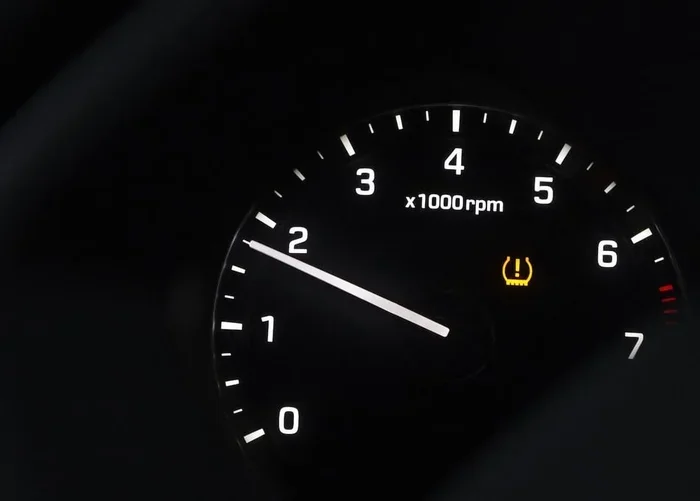
- Do not ignore warning lights: Address dashboard alerts promptly to prevent minor issues from escalating.
- Consider extended warranty: For older models, an extended warranty can provide valuable protection against unexpected repairs.
These insights come from years of real-world ownership and can save you time, money, and headaches.
Resale Value and Long-Term Ownership Benefits
One of the strongest arguments for buying a Toyota RAV4 is its resale value. Toyota vehicles consistently rank at the top for holding value, and the RAV4 is no exception. A RAV4 that is five years old will still sell for a significant portion of its original price.
Why does the RAV4 hold value so well? It comes down to demand. Buyers trust the Toyota name. They know the RAV4 is a reliable used SUV that will not require a fortune in repairs. This demand creates a strong resale market.
Let us look at some rough numbers:
- After 1 year: A RAV4 retains about 80 to 85 percent of its value.
- After 3 years: Retention drops to around 65 to 70 percent.
- After 5 years: The RAV4 holds about 50 to 55 percent of its original value.
- After 10 years: Well-maintained RAV4s still sell for $8,000 to $15,000 depending on the model and condition.
These numbers are excellent for a compact SUV. Compare this to vehicles from brands that depreciate faster. The RAV4 resale value effectively reduces your cost of ownership significantly.
Similar to how the Toyota Camry can last 30 years with proper care, the RAV4 follows the same Toyota durability blueprint. Both vehicles share the same commitment to longevity and low cost of ownership.
How to Maximize Your RAV4’s Lifespan
Buying a Toyota RAV4 is only half the battle. Maintaining it properly is what unlocks the full potential for longevity. Toyota designed the RAV4 to be a long-lasting vehicle, but it still needs your help to reach its full potential.
The RAV4 engine lifespan is impressive when properly maintained. Many owners report engines that run strong well past 250,000 miles. The key is consistent, quality maintenance using genuine Toyota parts or approved equivalents.
Creating a Long-Term Maintenance Schedule
Think of maintenance as a conversation between you and your vehicle. Your RAV4 will tell you what it needs if you listen. Here is a framework for keeping your RAV4 healthy for the long haul:
- Every 5,000 miles: Oil change, tire rotation, visual inspection of all major systems.
- Every 15,000 miles: Replace air filter, check brake pads and rotors, inspect all fluids.
- Every 30,000 miles: Replace cabin air filter, check transmission fluid, inspect brake lines.
- Every 60,000 miles: Replace spark plugs, check drive belt, inspect suspension components.
- Every 90,000 miles: Replace transmission fluid, check differential fluid, comprehensive inspection.
- Every 120,000 miles: Replace coolant, inspect exhaust system, check all rubber seals and hoses.
Following this schedule takes discipline but pays off enormously. A well-maintained Toyota RAV4 can easily serve you for 20 years or more. The RAV4 reliability over time is directly tied to how well you care for it.
When to Consider Replacing vs. Repairing
Even the most reliable vehicle eventually reaches a point where major repairs are no longer economical. For the RAV4, this typically happens when the vehicle has well over 250,000 miles. At that point, you may face large engine or transmission repairs that approach the vehicle’s value.
Use this rule of thumb: if a single repair costs more than half the vehicle’s current value, it is time to evaluate your options. But for most RAV4 owners, this scenario is years and years away. The Toyota RAV4 durability means you get a lot of miles before reaching that decision point.
Final Thoughts: Is the Toyota RAV4 Worth It for Long-Term Ownership?
The answer is a clear yes. The Toyota RAV4 is one of the smartest choices you can make if you want a vehicle that will serve you reliably for many years. Its track record for Toyota RAV4 reliability is backed by decades of real-world ownership data.
From low maintenance costs to strong resale value and minimal major problems, the RAV4 checks every box for long-term ownership. It is a vehicle you can buy and forget about, knowing it will keep running day after day. Whether you need a family SUV, a daily commuter, or a weekend adventure vehicle, the RAV4 delivers on all fronts.
The Toyota RAV4 longevity story is not just marketing hype. It is the lived experience of thousands of satisfied owners who have kept their RAV4s for 10, 15, or even 20 years. If you take care of it, your RAV4 will take care of you. Few vehicles offer that kind of peace of mind in today’s market.
Just as the Toyota Grand Highlander builds on the RAV4’s DNA for larger families, and the Toyota Corolla proves Toyota’s reliability extends to sedans, the RAV4 stands as a testament to what a well-built compact SUV should be. Buy one, maintain it properly, and it will reward you with years of dependable service.
Frequently Asked Questions
How many miles can a Toyota RAV4 last?
With proper maintenance, a Toyota RAV4 can last 200,000 to 300,000 miles or more. Many owners report their RAV4s reaching the 250,000-mile mark with only routine repairs. The key is staying on top of oil changes, fluid replacements, and regular inspections.
What is the most common problem with the Toyota RAV4?
The most frequently reported issue is oil consumption in some older models. Other common problems include minor electrical issues and exhaust manifold cracks in certain years. These are generally affordable to fix and do not indicate serious reliability concerns.
Is the Toyota RAV4 expensive to maintain?
No, the RAV4 maintenance cost is quite low compared to competitors. Routine services like oil changes and brake replacements are affordable. Toyota parts are widely available, and most mechanics can service a RAV4 without difficulty.
Which Toyota RAV4 years should I avoid?
Early generations from the late 1990s and early 2000s had more issues than later models. The 2013 model year and newer show significant improvements in build quality. If buying used, aim for models from 2013 onward for the best RAV4 reliability over time.
Does the Toyota RAV4 hold its value well?
Yes, the RAV4 is known for excellent resale value. A five-year-old RAV4 retains about 50 to 55 percent of its original value. This is well above average for the compact SUV segment and helps reduce your overall cost of ownership.
Can I use a Toyota RAV4 as a daily driver long-term?
Absolutely. The RAV4 is an excellent daily driver that thrives on regular use. Its Toyota RAV4 durability means it handles daily commutes, weekend trips, and everything in between without complaint. The more you drive it, the more you will appreciate its reliability.