How to Park a Haval SUV With Total Confidence and Ease
Learning how to Park a Haval SUV becomes easy once you understand your vehicle’s dimensions and available features. This guide walks you through proven parking techniques, smart use of parking assist technology, and common mistakes to avoid. Whether you are new to the Haval brand or a seasoned owner, these tips will boost your confidence every time you pull into a spot.
Parking a large SUV can feel intimidating at first. The size, the mirrors, the blind spots, and the tight spaces all combine to make even experienced drivers second-guess themselves. But learning how to Park a Haval SUV is simpler than most people think. With the right approach and a bit of practice, you will be pulling into spots with confidence in no time.
Haval SUVs are built with modern drivers in mind. They come packed with features like parking sensors, backup cameras, and even 360-degree camera systems. These tools make a huge difference. But technology alone does not do the work for you. Understanding the basics of vehicle dimensions, spatial awareness, and proper technique is what truly sets confident parkers apart.
This guide covers everything you need to know. From the first time you turn the key to handling the tightest parking garage, you will find practical advice that works. We break down each parking method step by step. We also share common mistakes to avoid and tips to protect your vehicle. By the end, you will feel ready to tackle any parking situation with ease.
Key Takeaways
- Know Your Vehicle Dimensions: Understanding the length, width, and turning radius of your Haval makes parking far less stressful.
- Use Parking Assist Technology: Sensors, cameras, and 360-degree views are powerful tools that make parallel and reverse parking much easier.
- Master Three Core Techniques: Parallel parking, reverse parking, and perpendicular parking cover nearly every real-world scenario you will face.
- Avoid Common Mistakes: Forgetting the parking brake, ignoring blind spots, and rushing maneuvers lead to preventable damage.
- Protect Your Vehicle After Parking: Simple habits like engaging the parking brake and avoiding curbs save you costly repairs.
- Practice Builds Confidence: The more you practice these techniques in safe environments, the more natural parking your Haval will feel.
📑 Table of Contents
Understanding Your Haval SUV Before You Park
Before you try any advanced parking maneuver, it helps to get comfortable with your vehicle. Every Haval model has its own personality. Some are compact. Others are full-size SUVs with a long wheelbase. Knowing your specific model makes a big difference.
Learn the Dimensions That Matter Most
The three dimensions you should memorize are the overall length, the width at the mirrors, and the turning radius. The length tells you how much space you need front to back. The width at the mirrors matters because that is the widest point of your vehicle. The turning radius determines how tight a turn you can make without scraping the curb.
You can find all of these numbers in your owner manual. Write them down and keep them in your glove box. When you are scanning a parking lot, your brain will subconsciously match spaces to your dimensions. This simple habit removes a lot of guesswork.
Another helpful exercise is to walk around your Haval and visualize the footprint. Stand at the front and picture where the bumper ends. Do the same at the rear. This mental map helps you judge distances when you are behind the wheel. Over time, it becomes second nature.
Familiarize Yourself With Parking Features
Most modern Haval SUVs come with parking sensors at the front and rear. These sensors beep faster as you get closer to an object. Some models also include a backup camera that shows the area behind you on the infotainment screen.
Higher trim levels may offer a 360-degree camera system. This uses multiple cameras to create a bird’s-eye view of your vehicle. It is incredibly helpful when you are navigating tight spaces. If your model has this feature, take time to study how the lines move as you steer.
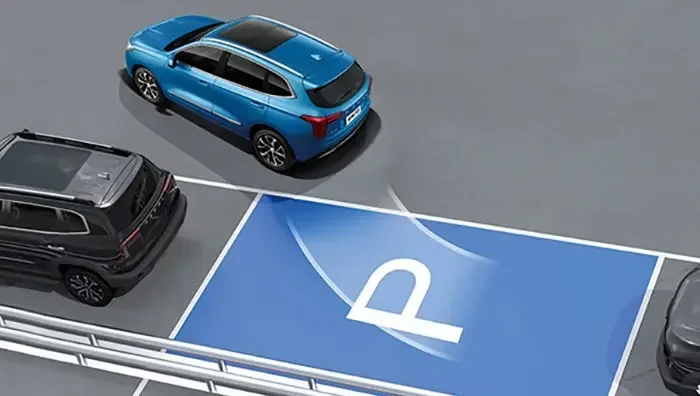
Some Haval models also include parking assist systems that can steer the vehicle into a spot automatically. These systems use sensors to detect suitable spaces and then guide the steering. While they are not perfect, they are a great confidence booster for new drivers or anyone parking in a challenging environment.
Essential Parking Techniques for Haval SUVs
There are three main parking situations you will encounter almost every day. Each one requires a slightly different approach. Mastering all three gives you the flexibility to handle any spot you find.
Parallel Parking Made Simple
Parallel parking is the technique most drivers dread. It involves pulling up alongside a parked car, then reversing into the space behind it. The good news is that once you understand the steps, it becomes routine.
Start by pulling up even with the vehicle in front of your target space. Leave about two feet of gap between your Haval and the parked car. Check your mirrors and your blind spots. Signal to show other drivers what you intend to do.
Now begin reversing slowly. Turn the steering wheel sharply toward the curb as you back up. Use your backup camera or ask a passenger to guide you. Once your front seat clears the rear bumper of the car in front, begin turning the wheel the opposite direction. Straighten out as you slide into the space.
The key is to go slow. Rushing leads to mistakes. If you feel you are too close to the curb or the car behind, pull forward and try again. There is no shame in a second attempt. With practice, parallel parking your Haval will feel natural and smooth.
Reverse Parking Like a Pro
Reverse parking, also called angle parking or backing into a space, is often easier than parallel parking. It also gives you a better exit when you leave. Many drivers prefer this method in parking lots and garages.
To reverse park, approach the space from the opposite direction. Signal and slow down as you pass the space. Check over your shoulder and use your mirrors. When you are aligned with the space, begin turning into it while reversing.
Use your backup camera to judge the distance to the curb or wall. The lines on the camera display are your best guide. Stop as soon as you see the rear of your Haval is safely inside the space. Straighten the wheels and shift to park.
This technique works especially well in tight garages. Backing in means you drive forward when leaving, which gives you better visibility. It is a small change that makes a big difference in safety.
Perpendicular Parking Strategies
Perpendicular parking is when you pull straight into a space marked at a 90-degree angle to the curb or wall. This is the most common type of parking in lots and garages. It is also the simplest for most Haval SUV owners.
The trick is to approach the row slowly and choose a space that gives you extra room on both sides. A few extra inches on each side prevent door dings and makes getting in and out much easier.
As you approach your chosen space, check your mirrors. Signal right if you are turning into a right-side space. Turn the steering wheel smoothly into the space. Use your backup camera to align the rear of your Haval with the lines on the ground.
Once you are centered, straighten the wheels and shift to park. Make sure you are not too far forward or too far back. Being centered in the space protects your vehicle from other cars and makes your next departure smoother.
Making the Most of Parking Assist Technology
Modern Haval SUVs come with a range of parking assist features. These technologies are designed to reduce stress and improve accuracy. But knowing how and when to use them is just as important as having them.
How Sensors and Cameras Help You Park
Parking sensors use ultrasonic or electromagnetic technology to detect objects around your vehicle. They provide audible alerts that get faster as you close in on an obstacle. This gives you real-time feedback without having to look away from the road ahead.
Backup cameras show you exactly what is behind your Haval. Many newer systems include dynamic guide lines that move as you steer. These lines show the path your rear end will take, making it much easier to align with the parking space.
The 360-degree camera system takes this a step further. It combines images from cameras mounted around the vehicle to create a full overhead view. You can see curbs, other cars, pedestrians, and even small objects like parking blocks. This system is especially useful in crowded urban parking lots where space is limited.
When to Trust the System and When to Override
Parking assist systems are helpful, but they are not infallible. Sensors can be blocked by dirt, snow, or ice. Cameras can be obscured by rain or fog. It is important to stay alert and use your own judgment even when the system is active.
Always walk around your vehicle before you get in. This quick habit helps you spot low curbs, small poles, or objects that sensors might miss. It also gives you a chance to check for children, pets, or other hazards in your path.
If a parking assist system suggests a maneuver that feels unsafe, override it. You are the driver, and your instincts matter. Trust the technology as a guide, not as a replacement for your attention and decision-making.
Also, keep in mind that some features like steering assist work best at low speeds. If you are trying to maneuver in a tight spot, reduce your speed and let the system do the fine work. For more details on steering assist features, you can check Can You Turn Off Steering Assist In A Toyota for a general overview of how these systems function across different brands.
Parking in Tight Spaces Without Stress
Tight spaces are the real test of any parking skill. Whether it is a crowded city garage or a narrow driveway, knowing how to handle these situations makes all the difference.
Navigating Narrow Garages and Small Spots
Narrow garages are common in older buildings and urban areas. When you encounter one, slow down and take your time. Approach the space at a slight angle if possible. This gives your Haval more room to maneuver as you turn in.
Use your mirrors constantly. If you can see the curb or the wall in your side mirrors, you are likely on track. If the mirrors disappear, you may be too close to one side. Adjust your position before it becomes a problem.
One trick that works well is the “pull-forward, pull-back” method. Drive into the space partway, then pull forward again to center yourself. This avoids the need for a complex reverse maneuver and keeps everything simple and controlled.
Handling Crowded Parking Lots
Crowded parking lots during peak hours can be stressful. The key is to stay calm and patient. Look for spaces that give you extra room on the driver side. This makes opening your door safer and easier.
Avoid parking next to vehicles that are poorly parked or oversized. A truck or SUV parked over the lines can leave you with very little room. It is worth driving a few extra rows to find a better spot.
When leaving a crowded lot, plan your exit before you get in the car. Note the row number and any landmarks. This saves you from wandering around aimlessly and reduces the stress of finding your vehicle later.
Common Parking Mistakes and How to Avoid Them
Everyone makes parking mistakes from time to time. The good news is that most of them are preventable with a little awareness. Here are the most common errors Haval SUV owners should watch for.
Overlooking Blind Spots
Every vehicle has blind spots, and Haval SUVs are no exception. The large rear window and tall rear pillars can block your view of the area directly behind you. Always check over your shoulder before reversing, even if you have a backup camera.
Use your mirrors before you unlock the doors. Pedestrians, cyclists, and other cars can appear in your blind spots without warning. A quick shoulder check takes two seconds and can prevent a costly accident.
Forgetting to Engage the Parking Brake
It sounds simple, but forgetting the parking brake is one of the most common mistakes drivers make. Whether you are on a hill or a flat surface, the parking brake adds an extra layer of safety.
Make it a habit to engage the parking brake every single time you park. Even on flat ground, the parking brake protects your transmission and prevents your vehicle from rolling if something unexpected happens. It is a small action with big benefits.
Rushing the Maneuver
Rushing is the enemy of good parking. When you are in a hurry, you skip steps and make errors. You might misjudge a distance or forget to check a blind spot. Give yourself a few extra minutes, especially in unfamiliar parking environments.
Slow down and take a deep breath before you begin any parking maneuver. Visualize the path you want your Haval to take. Then execute it calmly and deliberately. This approach reduces stress and improves accuracy every time.
Maintaining Your Haval After Parking
What you do after parking matters just as much as the parking maneuver itself. Good post-parking habits protect your vehicle and keep it running smoothly for years to come.
Protecting Your Bumper from Curb Damage
Curb damage is one of the most common issues for SUV owners. Scraping a curb while parking can damage the bumper, the undercarriage, and the wheels. It can also trigger warning lights on your dashboard.
If a bad battery or a damaged sensor causes a warning light after a curb scrape, it is worth getting it checked. Sometimes a curb impact can knock a sensor loose or damage wiring near the front or rear bumper. The repair timeline depends on the severity of the damage. For a deeper look at how long bumper repairs take, you can read How Long Does It Take To Fit A New Bumper on our site.
To avoid curb damage, use your backup camera and sensors as guides. If you feel the front bumper scrape, stop immediately and check for damage. Catching it early can save you from more expensive repairs later.
Idling and Shut-Down Best Practices
Some drivers leave their Haval idling while they run a quick errand. This is a habit worth breaking. Extended idling wastes fuel and can cause carbon buildup in the engine over time.
If you need to wait, turn off the engine. Modern Haval SUVs have start-stop systems that do this automatically in many situations. But if you are parked for more than a minute, manually shutting down the engine is a good practice.
For guidance on safe idling durations, check our article on How Long Can A Car Idle Safely. It covers the limits and best practices for keeping your engine healthy while parked.
Also, always remove the key or fob from the vehicle when you leave. Even if your Haval has a push-button start, removing the fob ensures the vehicle is fully locked and secure. This small step protects your car from theft and prevents accidental movement.
Building Your Parking Confidence Over Time
Confidence comes from repetition. The more you park your Haval, the more natural it becomes. Start in open, empty parking lots where there is no pressure. Practice each technique until it feels comfortable.
Then gradually move to more challenging environments. Try tighter spaces, busier lots, and unfamiliar garages. Each experience builds your skills and your confidence. Before long, you will be parking your Haval SUV with ease and without a second thought.
Remember that every driver was a beginner once. Do not compare your progress to others. Focus on your own improvement and celebrate small wins. Each successful park is a step forward.
One final tip: stay patient with yourself and your vehicle. Haval SUVs are designed to be driver-friendly, but they still require you to be engaged and attentive. The combination of your awareness and the vehicle’s features creates a powerful parking system that works when you trust it.
With the techniques in this guide, you now have everything you need to park your Haval with total confidence. Use these tips every time you park, and soon they will become automatic. Happy parking!
Frequently Asked Questions
What is the easiest way to Park a Haval SUV in a tight space?
The easiest way is to use the reverse parking technique. Approach the space from the opposite direction, turn into it while backing up slowly, and use your backup camera to align the rear of your Haval. This method gives you the most control and makes exiting the spot much easier.
Does my Haval SUV have parking sensors, and how do they work?
Most modern Haval SUVs come equipped with front and rear parking sensors. These sensors emit ultrasonic signals that bounce off nearby objects. When an object gets close, the system provides audible beeps that increase in frequency. Check your owner manual to confirm which features your specific model includes.
How can I avoid scraping the curb when parallel parking my Haval?
To avoid curb scrapes, use your backup camera and side mirrors to judge your distance from the curb. Go slowly and turn the steering wheel gradually. If you feel the front bumper approach the curb, pull forward slightly to straighten out before continuing to reverse. Practice in an open lot first to build your spatial awareness.
Should I use the automatic parking assist feature on my Haval?
Yes, automatic parking assist can be very helpful, especially in tight or unfamiliar spaces. However, always stay alert and ready to override the system if needed. Sensors can sometimes miss small objects or be affected by weather conditions. Use the feature as a helpful guide, not a complete replacement for your own judgment.
How often should I check my parking brake?
You should check your parking brake every time you park. Make it a habit to engage it whenever you stop, regardless of whether the surface is flat or inclined. Regular use keeps the cable adjusted and ensures it will hold your Haval securely in place at all times.
Can I use the 360-degree camera system to help with all types of parking?
Yes, the 360-degree camera system is useful for parallel parking, reverse parking, and perpendicular parking. The overhead view helps you see the full picture of your surroundings. It is especially helpful in crowded urban areas where space is limited and obstacles are close. Always combine the camera view with your own visual checks for the best results.