How to Start Toyota Highlander With Key Tips and Tricks
Starting a Toyota Highlander with a key is simple once you know the right steps and avoid common mistakes. Whether you have a push button start or a traditional ignition, this guide covers everything you need. We share practical tips on key fob battery replacement, troubleshooting, and expert tricks that every Highlander owner should know.
There are few things more frustrating than standing in your driveway, ready to head out, and realizing your Toyota Highlander won’t start. Maybe the dashboard lights flicker. Maybe you hear a clicking sound. Or maybe nothing happens at all. Whatever the case, knowing how to start Toyota Highlander with key properly can save you time, money, and a lot of stress.
This guide is for every Toyota Highlander owner who wants to understand their vehicle better. We will walk you through the starting process step by step. You will learn about key fob systems, what to do when things go wrong, and simple maintenance tips that keep your Highlander running smoothly. Whether you drive a 2010 model or the latest 2024 Highlander, this article has something valuable for you.
We have also included practical tips that you will not find in the owner’s manual. These are the little tricks that experienced Highlander owners use every day. By the end of this guide, you will feel more confident about starting your vehicle and handling common issues on your own.
Key Takeaways
- Know Your System: Understand whether your Highlander uses a smart key fob or traditional key ignition for the best starting experience.
- Check the Key Fob Battery: A weak battery is the #1 reason a Toyota Highlander won’t start. Replace it regularly to avoid being stranded.
- Use the Emergency Start Procedure: If your key fob dies, you can still start the Highlander using the backup method hidden inside the fob.
- Maintain Your Key Properly: Keep your key fob clean, dry, and stored properly to extend its lifespan and prevent starting issues.
- Watch for Dashboard Warning Lights: Lights like the VSC or TRAC OFF can affect starting. Know what they mean and how to address them.
- Seek Help When Needed: Some starting problems require a professional. Don’t force the key or fob if something feels wrong.
📑 Table of Contents
Understanding Your Toyota Highlander Key System
The Toyota Highlander uses different key systems depending on the model year and trim level. Newer models come with a smart key fob that allows push button start. Older models use a traditional key that goes directly into the ignition. Both systems are reliable, but they work differently. Understanding your specific system is the first step to trouble-free starting.
The smart key fob system is clever. It communicates wirelessly with your vehicle. When you press the start button, the system checks if the correct fob is inside the car. If it detects the fob, the engine starts. If it does not, the vehicle will not start. This is a security feature designed to prevent theft.
Smart Key Fob vs Traditional Key
The smart key fob offers convenience. You do not need to remove the fob from your pocket. Just press the brake pedal and hit the start button. The traditional key system requires you to insert the key into the ignition and turn it. Both methods get the job done. But the smart key system is more modern and user-friendly.
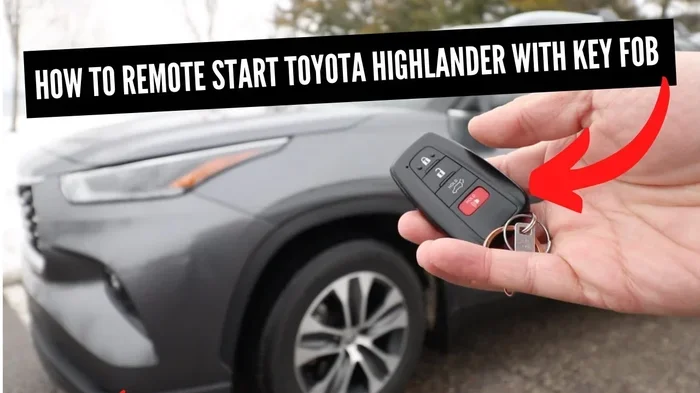
Some Highlander models also support remote start using the key fob. This lets you start the engine from outside the vehicle. It is especially useful in hot or cold weather. If you want to learn more about remote starting your Toyota, check out our guide on Can I Remote Start My Toyota With The Key Fob.
How the Push Button Start Works
The push button start system relies on a small chip inside your key fob. This chip sends a signal to the car’s computer. The computer verifies the signal and allows the engine to start. This process happens in less than a second. It is seamless and fast.
However, this system depends on the fob battery. When the battery gets low, the signal weakens. You might notice that you need to press the start button harder. Or the fob might not work from a distance. This is a normal sign that the battery needs replacement. For tips on checking your key battery, read our article on How Do I Know If My Key Battery Is Low.
How to Start Toyota Highlander With Key: Step by Step
Starting your Toyota Highlander with a key is straightforward. But the exact steps depend on your model year and key type. Below, we break down the process for both smart key and traditional key systems.
Starting With a Smart Key Fob
Follow these steps to start your Highlander with a smart key fob:
- Step 1: Make sure the vehicle is in Park. The gear selector must be in Park for the engine to start.
- Step 2: Press the brake pedal firmly with your right foot. The brake light switch must be engaged.
- Step 3: Press the Engine Start/Stop button. Hold it for at least one second.
- Step 4: Wait for the dashboard lights to illuminate and the engine to crank. You should hear the engine turn over within a few seconds.
- Step 5: Release the brake pedal gently. The vehicle is now ready to drive.
That is it. The entire process takes about five seconds. If your Highlander does not start on the first try, do not panic. We will cover troubleshooting in the next section.
Starting With a Traditional Key
If your Highlander uses a traditional key, the process is slightly different:
- Step 1: Insert the key into the ignition slot. Make sure it clicks into place.
- Step 2: Turn the key clockwise to the ACC position. This powers the electrical systems.
- Step 3: Continue turning the key to the ON position. The dashboard lights should come on.
- Step 4: Turn the key further to start the engine. Release the key once the engine cranks.
- Step 5: Let the engine idle for a few moments before driving.
Older Highlander models may require a slight delay between turning the key to ON and then to START. This allows the fuel pump to build pressure. If you find your traditional key is stiff or hard to turn, the ignition lock cylinder might need lubrication. A simple spray of graphite powder can help.
What to Do If the Key Fob Does Not Work
Sometimes the key fob simply stops working. This can happen for several reasons. The most common cause is a dead battery inside the fob. But there could be other issues too. Here is what you should do if your fob fails:
- Check the battery: Replace the CR2032 or CR2025 battery inside the fob. This is a simple fix that costs less than five dollars.
- Use the backup key: Most smart key fobs contain a hidden mechanical key. Slide the release button on the side of the fob to eject it. Use this key to manually unlock the door and start the vehicle.
- Move closer to the start button: If the fob battery is weak, holding the fob directly against the start button can sometimes work. The proximity sensor reads the fob signal better when it is close.
- Check for interference: Other electronic devices near the fob can cause signal interference. Move away from large electronics and try again.
If none of these steps work, there may be a deeper issue with the fob itself or the vehicle’s receiver. In that case, professional diagnosis is recommended.
Common Problems When Starting Your Toyota Highlander
Even the most reliable vehicles can have starting issues. Toyota Highlanders are known for durability, but no car is perfect. Understanding common problems helps you diagnose issues faster and avoid unnecessary trips to the dealership.
Key Fob Battery Dies
A dead key fob battery is the most common reason a Highlander will not start. The fob simply cannot send a signal to the car. Symptoms include the dashboard showing a key warning light or the push button not responding at all. Replacing the battery is quick and easy. You can find replacement batteries at any drugstore or auto parts store.
Pro tip: Keep a spare battery in your glove box. This way, you are never caught off guard by a dead fob battery. Also, make it a habit to replace the fob battery once a year, even if it still seems to work. Prevention is always better than cure.
Ignition Switch Problems
Over time, the ignition switch can wear out. This is more common in older Highlanders with traditional keys. Signs of a failing ignition switch include the engine stalling randomly, the accessories not powering on, or the key feeling loose when turned. If you suspect an ignition switch issue, have a mechanic inspect it promptly. Ignoring this problem can leave you stranded.
Brake Pedal Sensor Failure
The push button start system requires the brake pedal to be pressed. If the brake sensor fails, the car will not start even with a working key fob. You might see a warning light on the dashboard. This is a simple fix in most cases. A mechanic can replace the brake pedal position sensor in under an hour.
Transmission Not in Park
This sounds obvious, but it happens more often than you think. If the gear selector is not fully in Park, the Highlander will refuse to start. Sometimes the gear selector gets stuck between positions. Try wiggling the shifter gently while pressing the brake pedal. This often resolves the issue.
Corroded Battery Terminals
Corrosion on the battery terminals can prevent the electrical system from getting enough power. You might see a white or greenish buildup on the terminals. If the car clicks but does not start, corroded terminals could be the culprit. Cleaning the terminals with a wire brush and baking soda solution often fixes this problem.
Security System Lockout
Toyota Highlanders have a built-in security system. If the system detects an unauthorized key, it will prevent the engine from starting. This can happen if you recently replaced the key fob or if the system resets after a battery disconnect. In this case, you may need to reprogram the key fob. Visit a Toyota dealership or a qualified locksmith for assistance.
Key Maintenance and Battery Tips
Proper maintenance keeps your Toyota Highlander starting reliably. A few simple habits can prevent most starting problems. Here is what every Highlander owner should do.
Replace the Key Fob Battery Regularly
The key fob battery typically lasts two to three years. But it can die sooner if you use remote start frequently or live in a cold climate. Cold weather drains batteries faster. If you live in a region with harsh winters, consider replacing the fob battery every year.
To replace the battery, use a small flathead screwdriver to pry open the fob casing. Remove the old battery and insert a new CR2032 battery with the positive side facing up. Snap the casing back together. This simple task takes less than two minutes.
Keep the Key Fob Clean
Dirt and moisture can damage the key fob electronics. Wipe the fob with a soft, damp cloth regularly. Avoid using harsh chemicals. If the fob gets wet, dry it thoroughly before using it. Water damage is a leading cause of key fob failure.
Store the Key Fob Properly
Do not store your key fob near strong magnetic fields or electronic devices. Wireless chargers, large speakers, and other electronics can interfere with the fob signal. Keep the fob in a dedicated pocket or compartment in your bag.
Check the Vehicle Battery Too
The key fob is not the only battery that matters. Your Highlander’s main battery also needs attention. A weak car battery can cause slow cranking or no start at all. Have the battery tested annually, especially after the three-year mark. If you are considering a jump start, make sure you follow the correct procedure for hybrid vehicles. Our article on Is It Okay To Jump Start A Hybrid Car provides detailed guidance.
Monitor Dashboard Warning Lights
Dashboard lights are your vehicle’s way of communicating with you. If you see the check engine light, the VSC light, or the TRAC OFF light, do not ignore them. These lights can indicate issues that affect starting. For example, driving with the VSC light on can sometimes cause starting problems. Learn more about this in our article on Is It Safe To Drive With The VSC Light On.
Advanced Tips for Toyota Highlander Owners
Once you master the basics, you can explore advanced features that enhance your driving experience. These tips are especially useful for daily commuters and long-distance travelers.
Use Sport Mode for Better Control
The Toyota Highlander offers a Sport mode that adjusts the throttle response and transmission shifting. You can switch to Sport mode while driving. This is useful when you need quick acceleration for passing or merging. For details on how to switch modes safely, check out Can You Switch To Sport Mode While Driving A Toyota.
Understand the TRAC Off Feature
The TRAC OFF button disables the traction control system. This can be helpful when your Highlander is stuck in snow or mud. However, driving with TRAC OFF on dry roads reduces stability. Use this feature only when necessary. If you accidentally leave TRAC OFF on, you can turn it back on easily. Learn how in our guide on How To Turn Traction Control Back On.
Keep a Spare Key Fob
Every Highlander owner should have at least one spare key fob. If your primary fob is lost or damaged, the spare gets you back on the road. Toyota dealerships can program a new fob for you. The cost varies, so it is wise to compare prices before committing. You can also find helpful information about key programming costs in our article on How Much Does It Cost To Program A Push To Start Key Fob.
Protect Your Key Fob from RFID Scanning
Modern key fobs use RFID technology. While this is convenient, it also creates a potential security risk. Thieves can use scanning devices to capture your fob signal from a distance. To protect against this, store your fob in a signal-blocking pouch or Faraday bag. This simple precaution adds an extra layer of security to your vehicle.
When to Seek Professional Help
Most starting issues can be resolved with basic troubleshooting. But some problems require professional expertise. You should see a mechanic if you notice any of the following:
- The engine cranks but will not start, even after replacing the fob battery.
- The dashboard displays multiple warning lights at once.
- The key fob works intermittently and you have already replaced the battery.
- The engine starts but immediately stalls.
- You hear grinding or clicking noises when turning the key or pressing the start button.
- The vehicle has been sitting unused for an extended period and will not start.
Toyota dealerships have specialized diagnostic tools that can read error codes and identify problems quickly. If you are near a Toyota service center, it is worth scheduling a visit. Regular maintenance also helps prevent unexpected starting issues. A well-maintained Highlander can last over 300,000 miles with proper care. Learn more about Highlander longevity in our article on Can A Toyota Highlander Last 300.
Conclusion
Knowing how to start Toyota Highlander with key is a fundamental skill that every owner should have. Whether you use a smart key fob or a traditional key, the process is simple and reliable when everything works correctly. By following the steps in this guide, you can handle most starting issues on your own.
Remember to replace your key fob battery regularly, keep the fob clean and dry, and store it properly. Monitor your dashboard warning lights and address problems early. These small habits make a big difference over time. Your Toyota Highlander is a dependable vehicle that will serve you well for many years. Treat it right, and it will always start when you need it most.
Stay proactive about maintenance. Keep spare batteries on hand. Know where your nearest Toyota dealership is located. And never hesitate to seek professional help when something feels off. With the right knowledge and a little preparation, you will always be ready to hit the road with confidence.
Frequently Asked Questions
Why won’t my Toyota Highlander start with the key fob?
The most common reason is a dead key fob battery. Replace the battery with a new CR2032 cell and try again. If that does not work, hold the fob directly against the start button to strengthen the signal. If the problem persists, the fob itself may need reprogramming or replacement.
Can I start my Toyota Highlander with a dead key fob battery?
Yes, you can. Every smart key fob has a hidden mechanical key inside. Slide the release on the side of the fob to eject it. Use this key to unlock the door and place it in the designated slot near the start button. This bypass mode allows the vehicle to start even with a dead fob battery.
How often should I replace the key fob battery?
Replace the key fob battery every two to three years. If you use remote start frequently or live in a cold climate, consider replacing it annually. A weak battery causes slow signal response and can eventually prevent the vehicle from starting.
What should I do if the Toyota Highlander dashboard shows a key warning light?
A key warning light usually means the vehicle cannot detect the key fob. First, check the fob battery. Then, move the fob closer to the start button and try again. If the light stays on, there may be an issue with the vehicle’s antenna or receiver module. Visit a Toyota dealership for diagnosis.
Is it safe to drive with the TRAC OFF light on?
It is safe in specific situations, like driving on icy roads or when the vehicle is stuck in snow. TRAC OFF reduces traction control to allow the wheels to spin and gain traction. However, you should turn it back on once conditions improve. Driving with TRAC OFF on normal roads reduces vehicle stability.
How do I know if my Toyota Highlander needs a new key fob?
Signs that your key fob needs replacement include unresponsive buttons, a cracked casing, intermittent signal loss, and the need to press buttons multiple times. If replacing the battery does not solve the problem, the fob may need reprogramming or full replacement. A Toyota dealership can help with both options.