How to Tell If Transmission Fluid Is Low in Your Car
Knowing how to tell if transmission fluid is low can save you from costly repairs and keep your car running safely. Low transmission fluid causes slipping, overheating, and delayed shifting. This guide covers every symptom, check method, and fix so you can spot the problem early and take action fast.
Your car’s transmission is one of the most important parts under the hood. It shifts gears smoothly so your engine delivers the right power at the right time. But here is the thing. Most people forget about transmission fluid until something goes wrong.
Transmission fluid is the lifeblood of your gearbox. It lubricates moving parts, cools the system, and helps transmit power from the engine to the wheels. When the fluid level drops, everything suffers. The question is, how do you know before it is too late?
This guide walks you through every sign, every check, and every solution. Whether you drive an automatic or a manual, these tips apply to you. By the end, you will know exactly how to tell if transmission fluid is low and what to do about it.
Key Takeaways
- Check the dipstick regularly: The transmission fluid dipstick is your best tool for monitoring fluid levels at home.
- Watch for warning signs: Slipping gears, delayed shifting, and overheating are clear indicators of low fluid.
- Know the correct fluid type: Using the wrong transmission fluid can cause serious damage to your car.
- Address leaks immediately: Puddles under your car or a burning smell mean you need to check for leaks right away.
- Don’t ignore the check engine light: A lit warning light often signals transmission problems related to low fluid.
- Preventive maintenance matters: Regular fluid checks and changes extend the life of your transmission significantly.
📑 Table of Contents
- Why Transmission Fluid Level Matters
- Common Symptoms of Low Transmission Fluid
- How to Check Your Transmission Fluid Level
- What Causes Transmission Fluid to Run Low
- How to Tell If Transmission Fluid Is Low: A Quick Reference Guide
- Transmission Fluid Low: Can You Still Drive?
- Preventing Low Transmission Fluid Problems
- When to See a Professional
- Key Takeaways
- Conclusion
Why Transmission Fluid Level Matters
Transmission fluid does more than just lubricate. It acts as a hydraulic fluid that helps your gears engage and disengage smoothly. It also carries heat away from internal components. Without enough fluid, the transmission works harder, runs hotter, and wears out faster.
Think of it like engine oil. You would never drive with no oil in your engine. The same logic applies to your transmission. Low fluid means increased friction, metal-on-metal contact, and eventually, complete failure. Repairing a blown transmission can cost thousands of dollars. Checking your fluid regularly takes just minutes and costs almost nothing.
There are two main types of transmission fluid: automatic transmission fluid (ATF) and manual transmission fluid. Each has specific properties designed for the type of gearbox in your car. Always use the fluid recommended by your vehicle manufacturer. Using the wrong type can cause shifting problems and internal damage.
Common Symptoms of Low Transmission Fluid
Your car gives you plenty of warning signs when fluid runs low. The key is knowing what to look for. Here are the most common symptoms that something is wrong with your fluid level.
1. Slipping Gears
Gear slipping is one of the most noticeable signs of low transmission fluid. You might feel the car momentarily lose power or shift unexpectedly. The engine may rev higher than normal without a corresponding increase in speed. This happens because there is not enough hydraulic pressure to hold the gears in place.
If your car feels like it is slipping out of gear or between gears, do not ignore it. Continued driving with slipping gears causes further damage to the transmission internals.
2. Delayed or Hesitant Shifting
When you shift from park to drive or reverse, does the car hesitate before moving? A delay of even a second or two can signal low fluid. The transmission needs a steady supply of fluid to engage gears properly. Without it, there is a lag between your command and the gear response.
In automatic cars, you might notice a pause before the car moves forward after releasing the brake. In manual cars, shifting becomes rough and unresponsive. Both are red flags that deserve immediate attention.
3. Burning Smell
A burning smell coming from under your hood is never a good sign. When transmission fluid runs low, the remaining fluid overheats. Old or degraded fluid produces a distinct burnt odor. This smell means the fluid has lost its lubricating properties and is no longer protecting your transmission.
If you notice a burning smell, pull over safely and check your fluid level immediately. Continuing to drive in this condition can lead to permanent transmission damage.
4. Transmission Warning Light
Modern cars have dashboard warning lights that alert you to transmission problems. The check engine light or a specific transmission warning icon may illuminate on your dash. While these lights can indicate many issues, low fluid is one of the most common causes.
Do not wait for the light to go away on its own. Get under the hood and check your fluid level. If the light is flashing, stop driving and have the car inspected right away.
5. Unusual Noises
A healthy transmission operates quietly. If you hear grinding, whining, or buzzing sounds, the fluid level may be too low. Without proper lubrication, metal components grind against each other. These noises often become louder when the car is in gear or when you accelerate.
Listen carefully when you first start the car and when you shift gears. Any new or unusual sound warrants a fluid check.
6. Leaking Fluid Under the Car
Transmission fluid leaks are a direct cause of low fluid levels. Check the ground where you normally park. Transmission fluid is usually reddish in color when new. It may appear brown or dark if it is old. Unlike engine oil, transmission fluid has a slick, slippery feel.
Common leak points include the transmission pan gasket, axle seals, and the fluid line connections. Even a small leak can drain enough fluid to cause problems over time.
How to Check Your Transmission Fluid Level
Checking your transmission fluid is straightforward. But the process varies slightly depending on your vehicle type. Here is a step-by-step guide that works for most cars.
Step 1: Park on a Level Surface
Always check your fluid on a flat, level surface. Park the car and engage the parking brake. For automatic transmissions, leave the engine running during the check. For manual transmissions, the engine can be off.
Step 2: Locate the Dipstick
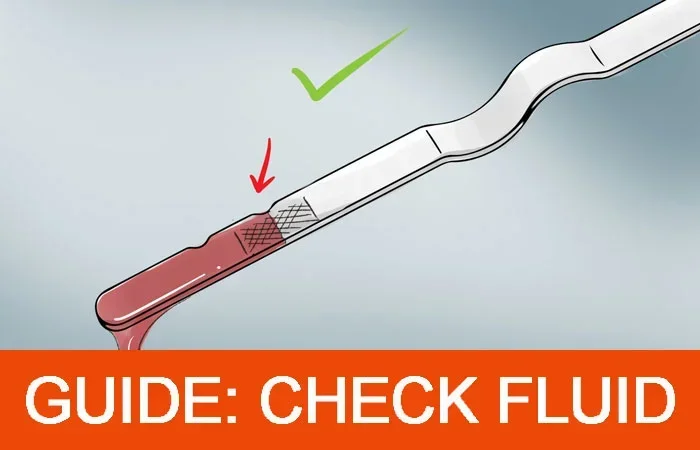
Open the hood and look for the transmission fluid dipstick. It usually has a brightly colored handle, often red or yellow. The dipstick is typically located near the back of the engine bay, close to the firewall. If you cannot find it, consult your owner’s manual.
Step 3: Pull Out and Wipe the Dipstick
Remove the dipstick and wipe it clean with a rag or paper towel. Reinsert it fully, then pull it out again. Look at the fluid level markings on the dipstick. There are usually two lines or holes indicating the minimum and maximum levels.
Step 4: Check the Fluid Color and Condition
Healthy transmission fluid is translucent and reddish-pink. If the fluid looks brown or dark, it needs to be changed. If it appears black or has a burnt smell, the fluid is severely degraded and requires immediate replacement.
Also feel the fluid between your fingers. It should feel smooth and slightly slippery. If it feels gritty or has particles in it, there may be internal transmission wear that needs professional attention.
Step 5: Add Fluid if Needed
If the level is below the minimum mark, you need to add more fluid. Use a funnel and pour the correct type of transmission fluid slowly. Add small amounts and recheck the level frequently. Overfilling can be just as problematic as underfilling.
Before you top off, you might want to check whether you can just add transmission fluid if it is low or if a full fluid change is needed. This depends on your vehicle’s condition and maintenance history.
What Causes Transmission Fluid to Run Low
Fluid does not just disappear on its own. There is always a reason behind low levels. Understanding the cause helps you prevent future problems.
Leaks
The most common cause of low transmission fluid is a leak. Leaks can develop from worn gaskets, damaged seals, or loose connections. Over time, heat and vibration cause rubber components to deteriorate, creating small openings where fluid escapes.
Transmission leaks often start small and worsen over time. A tiny leak might not cause immediate problems, but it will drain the system gradually. Catching leaks early saves you from a major fluid loss and expensive repairs.
Normal Fluid Degradation
Transmission fluid breaks down over time through normal use. Heat, friction, and contamination cause the fluid to lose its effectiveness. As the fluid degrades, its volume can also decrease slightly due to evaporation and oxidation.
Most manufacturers recommend changing transmission fluid every 30,000 to 60,000 miles. However, driving conditions like towing, heavy stop-and-go traffic, and extreme temperatures can accelerate fluid breakdown.
Burning Off Due to Overheating
When a transmission overheats, the fluid can burn off faster than normal. Overheating happens from towing heavy loads, driving in extreme heat, or pushing the car hard. Low fluid causes overheating, and overheating causes more fluid loss. It is a dangerous cycle that compounds the problem quickly.
If you frequently tow a trailer or drive in hot climates, check your transmission fluid more often than the standard maintenance schedule suggests.
Improper Previous Maintenance
Sometimes low fluid is the result of poor maintenance by a previous owner or an inexperienced mechanic. During a fluid change, if not enough fluid is added, the level remains too low. Similarly, if the wrong type of fluid is used, it may not seal properly and can cause leaks.
If you bought a used car, always check the transmission fluid level and condition as part of your initial inspection. It is one of the easiest ways to assess the vehicle’s maintenance history.
How to Tell If Transmission Fluid Is Low: A Quick Reference Guide
Here is a simple checklist you can use every time you inspect your car. Bookmark this section and refer to it during your next fluid check.
- Look for the dipstick: Find the transmission fluid dipstick and pull it out.
- Check the level: Compare the fluid mark against the minimum and maximum indicators on the dipstick.
- Observe the color: Pink or red means good. Brown means it is time for a change. Black means immediate action is needed.
- Smell the fluid: A sweet or neutral smell is normal. A burnt smell indicates degraded fluid.
- Test the texture: Smooth and slippery is good. Gritty or gritty-feeling fluid signals contamination.
- Look for leaks: Check under the car for any reddish or brownish puddles.
- Listen for noises: Grinding or whining sounds, especially in gear, point to low lubrication.
- Monitor shifting behavior: Slipping, hesitation, or rough shifts all suggest insufficient fluid.
If any of these checks reveal a problem, take action immediately. Ignoring low transmission fluid leads to bigger and more expensive problems down the road.
Transmission Fluid Low: Can You Still Drive?
This is one of the most common questions car owners ask. The short answer is: it depends on how low the fluid is and what symptoms you are experiencing.
If the fluid is just slightly below the minimum mark and the car is driving normally, you have a small window to add more fluid safely. But if you are already experiencing slipping, grinding, or warning lights, driving further risks catastrophic damage.
Can you drive a car with transmission problems? Technically yes, in some mild cases. But it is never recommended. Every mile you drive with insufficient fluid wears down internal components. The longer you wait, the more expensive the repair becomes.
If you suspect your fluid is very low, tow the car to a mechanic or add fluid before driving even a short distance. Prevention is always cheaper than repair. And if you are wondering whether you can simply add fluid instead of doing a full change, you can learn more about adding vs. changing transmission fluid here.
Preventing Low Transmission Fluid Problems
The best way to deal with low transmission fluid is to prevent it from happening in the first place. A simple maintenance routine keeps your transmission healthy for years.
Check Fluid Monthly
Make it a habit to check your transmission fluid once a month. It takes less than five minutes and gives you early warning of any issues. Set a reminder on your phone or mark it on your calendar. Consistency is the key to prevention.
Change Fluid on Schedule
Follow your vehicle manufacturer’s recommended fluid change interval. If you tow frequently or drive in harsh conditions, consider changing the fluid more often. Fresh fluid maintains proper viscosity and lubrication, keeping your transmission running cool and smooth.
Fix Leaks Promptly
If you notice any fluid spots under your car, investigate immediately. Even a small drip adds up over days and weeks. Addressing leaks early prevents fluid loss and protects your transmission from damage.
Use the Right Fluid
Always use the transmission fluid type specified in your owner’s manual. Different vehicles require different formulations. Using the wrong fluid can cause poor performance, leaks, and internal damage.
Monitor Driving Habits
Aggressive driving, frequent towing, and stop-and-go traffic put extra stress on your transmission. Be mindful of these conditions and check your fluid more frequently if you regularly expose your car to them.
When to See a Professional
While checking and topping off fluid is a DIY-friendly task, some situations require a professional mechanic. If you notice any of the following, it is time to schedule a service appointment.
- The fluid level drops again shortly after you refill it. This indicates a leak that needs professional repair.
- The transmission slips severely or refuses to shift at all. These are signs of internal damage beyond just low fluid.
- You hear loud grinding or clunking noises when the car is in gear.
- The check engine light is flashing, not just steady. A flashing light signals an urgent problem.
- The fluid smells strongly of burnt or appears very dark despite a recent change.
A qualified mechanic can perform a full transmission inspection, including checking the transmission fluid capacity and inspecting internal components. Sometimes low fluid is a symptom of a deeper problem that only a professional can diagnose properly.
Also, if you have been ignoring a transmission warning for a while, do not wait any longer. The longer you drive with low fluid, the more damage accumulates. A simple fluid top-off today could prevent a full transmission rebuild tomorrow.
Key Takeaways
- Check your dipstick regularly: This is the simplest and most effective way to monitor your fluid level.
- Watch for slipping, hesitation, and burning smells: These are the top warning signs of low fluid.
- Know your fluid type: Always use the manufacturer-recommended transmission fluid for your vehicle.
- Address leaks immediately: Even small leaks can lead to serious transmission problems if left unchecked.
- Do not ignore warning lights: Dashboard alerts are your car’s way of telling you something needs attention.
- Preventive maintenance saves money: Regular checks and timely fluid changes keep your transmission healthy for the long haul.
- When in doubt, see a professional: Some transmission issues require expert diagnosis and repair.
Conclusion
Learning how to tell if transmission fluid is low empowers you as a car owner. You do not need to be a mechanic to check your fluid or recognize the warning signs. A few minutes of attention each month can prevent thousands of dollars in repairs and keep your car shifting smoothly for years.
Your transmission works hard every time you drive. It deserves the same care and attention you give to your engine oil and tire pressure. Make fluid checks a regular part of your car maintenance routine and your transmission will reward you with reliable performance mile after mile.
Start today. Pop the hood, find that dipstick, and give your transmission fluid a quick check. It is one of the easiest things you can do to protect your car and your wallet. And if you ever find yourself unsure about what to do, remember that checking your transmission fluid level is always the first step toward a solution.
Frequently Asked Questions
What happens if you drive with low transmission fluid?
Driving with low transmission fluid causes increased friction, overheating, and gear slipping. Over time, it leads to permanent internal damage that can cost thousands to repair. Always check your fluid level before driving if you suspect it is low.
How often should I check my transmission fluid?
You should check your transmission fluid at least once a month. If you tow frequently, drive in extreme heat, or put high mileage on your car, check it every two weeks. Regular checks help you catch low fluid before it causes problems.
Can low transmission fluid cause a check engine light?
Yes, low transmission fluid can trigger the check engine light. The transmission relies on proper fluid pressure to operate correctly. When fluid is low, sensors detect abnormal pressure or performance and alert you through the dashboard warning light.
Is it okay to add transmission fluid myself?
Yes, adding transmission fluid is a straightforward DIY task for most car owners. Make sure you use the correct fluid type for your vehicle, add it slowly through the dipstick tube, and recheck the level frequently. If you are unsure, consult your owner’s manual or a trusted mechanic.
How much does a transmission fluid change cost?
A transmission fluid change typically costs between $100 and $250 at a shop, depending on your vehicle and location. Doing it yourself is significantly cheaper, requiring only the cost of the fluid and a few basic tools. Regular changes are far less expensive than repairing damage caused by old or low fluid.
Can low transmission fluid cause the car not to start?
Low transmission fluid usually does not prevent a car from starting. However, it can cause the car to refuse to shift into gear or cause the transmission to slip when you try to move. In severe cases, a completely empty transmission will prevent the car from moving at all, even though the engine starts fine.