How Much Does the Average Person Spend on Car Maintenance
The average person spends between $50 and $200 per month on car maintenance, depending on the vehicle, age, and driving habits. Routine services like oil changes, tire rotations, and brake inspections keep your car running safely and help you avoid costly repairs down the road. Understanding these costs helps you budget smarter and protect your investment.
Owning a car comes with a lot of ongoing expenses. Gas, insurance, registration, and maintenance all add up fast. But one question keeps coming up for drivers everywhere: how much does the average person spend on car maintenance per month?
The truth is, there is no single number that fits everyone. Your monthly car maintenance cost depends on several factors, including your vehicle type, age, mileage, and driving conditions. Some drivers pay as little as $50 a month, while others shell out $200 or more. In this guide, we break down the real numbers, explain what drives those costs, and share practical tips to help you spend less.
Whether you drive a brand new sedan or a trusty older truck, understanding your auto maintenance budget is essential. Let us walk through everything you need to know about car maintenance cost per month and how to keep your vehicle running without breaking the bank.
Key Takeaways
- Average monthly cost: Most drivers spend $50 to $200 per month on car maintenance.
- Vehicle age matters: Older cars require more frequent and expensive repairs than newer models.
- Routine maintenance saves money: Staying on top of oil changes, tire rotations, and brake checks prevents major breakdowns.
- Insurance may cover some costs: Certain maintenance items like battery and windshield replacement might be covered by your policy.
- DIY options reduce expenses: Simple tasks you can do yourself lower your monthly maintenance budget.
- Driving habits impact costs: Aggressive driving and high mileage increase wear and maintenance needs.
📑 Table of Contents
What Is the Average Monthly Car Maintenance Cost?
Most industry studies put the average car maintenance cost at around $100 to $200 per month. This number covers routine services and minor repairs. But it can swing quite a bit based on your specific situation.
A newer car with low mileage might only need $50 to $80 per month. An older vehicle or one with higher mileage could easily hit $250 or more. The key is knowing what you are paying for and why.
How Do Experts Calculate This Number?
Automotive experts look at several data points when estimating average maintenance costs. They factor in routine services like oil changes, tire rotations, fluid top-offs, and filter replacements. They also account for common repairs that happen over time, such as brake pad replacements and belt changes.
The vehicle maintenance cost also depends on the source of the data. Some reports come from manufacturer service records. Others draw from consumer surveys and repair shop averages. This is why you see a range rather than one fixed number.
How Does This Compare to the Cost of Owning a Car?
Maintenance is only one part of the overall cost of owning a car. When you add fuel, insurance, depreciation, and registration, the total cost of ownership goes up significantly. Maintenance typically accounts for about 10 to 15 percent of your total vehicle expenses each year.
For a clearer picture, many drivers use a car maintenance checklist to track what they spend each month. This helps you spot trends and plan ahead for bigger expenses like tire replacements or scheduled services.
What Affects How Much You Spend on Car Maintenance?
Not every driver pays the same amount. Several factors influence your monthly car expenses and determine how much you will need to budget for upkeep.
Vehicle Age and Mileage
Older cars and those with high mileage naturally need more attention. As a vehicle ages, parts wear out faster and repairs become more frequent. A car with 100,000 miles on the odometer will likely cost more to maintain than one with 30,000 miles.
Newer vehicles still need maintenance, but the costs are usually lower. Routine services like oil changes and inspections keep them running smoothly without major repairs. However, once a car passes the five-year mark, you may notice the vehicle maintenance expenses creeping up.
Type of Vehicle
The make and model of your car plays a big role. Luxury vehicles and European brands often cost more to maintain than economy cars. Parts are pricier, and specialized labor adds to the bill.
Domestic and mainstream brands typically have lower auto repair expenses. Trucks and SUVs may also cost more than sedans because of their size and weight. When choosing a vehicle, it is smart to research the maintenance frequency and average repair costs for that model.
Driving Habits and Conditions
How and where you drive directly impacts your maintenance needs. Stop-and-go city driving puts more stress on your brakes, transmission, and engine than highway driving. If you commute in heavy traffic daily, you will likely spend more on repairs.
Extreme weather also takes a toll. Hot climates can degrade batteries and cooling systems faster. Cold climates increase wear on tires and fluids. Even how long a car can idle safely matters, because excessive idling wastes fuel and puts strain on engine components.
DIY vs. Professional Repairs
Doing your own maintenance can significantly cut costs. Simple tasks like checking fluid levels, replacing air filters, and swapping out wiper blades are easy to do at home. These small actions reduce your routine car maintenance expenses over time.
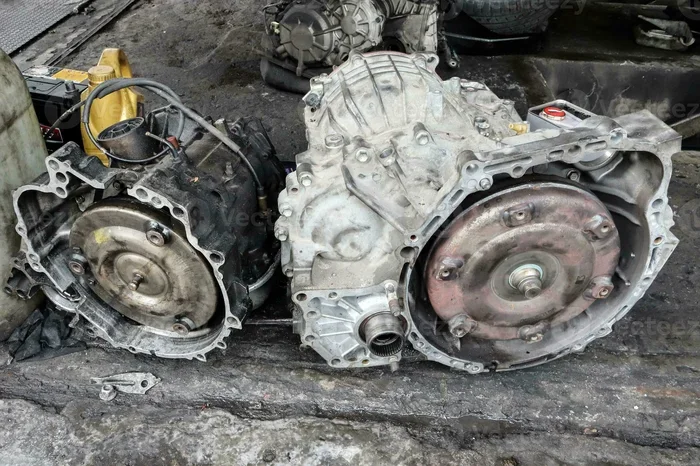
However, complex jobs like engine diagnostics, transmission work, or brake system repairs are best left to professionals. Attempting DIY repairs without the right skills can lead to bigger problems and higher costs in the long run.
Breaking Down Car Maintenance Costs by Category
To understand where your money goes, it helps to look at the major categories of car maintenance. Each one contributes to your overall car maintenance cost per month in different ways.
Oil Changes and Fluids
Oil changes are the backbone of routine maintenance. Most manufacturers recommend an oil change every 5,000 to 7,500 miles. The cost typically ranges from $35 to $75 per change, depending on the type of oil and your location.
Other fluids like coolant, brake fluid, transmission fluid, and power steering fluid also need regular checks and occasional replacements. Ignoring fluid maintenance can lead to serious damage and expensive repairs.
Tire Maintenance
Tire rotation, alignment, and replacement are significant budget items. A standard tire rotation costs around $25 to $50 and should happen every 5,000 to 7,500 miles. New tires can run $400 to $800 for a full set, depending on the size and type.
Proper tire care extends their lifespan and improves fuel efficiency. Keeping your tires properly inflated and rotating them on schedule are two of the simplest ways to save money.
Brake System
Brake pads typically last between 25,000 and 70,000 miles, depending on your driving style. Replacing brake pads costs anywhere from $150 to $300 per axle. Brake rotors and calipers can add several hundred dollars more if they need attention.
If your check engine light comes on and you notice squealing or grinding when braking, do not ignore it. Addressing brake issues early keeps repair costs down and keeps you safe on the road.
Battery and Electrical
Car batteries usually last three to five years. A replacement battery costs between $100 and $250, including installation. Some insurance policies cover battery replacement, so it is worth checking your coverage.
Electrical issues can be tricky and expensive. Things like alternator failure or starter motor problems can quickly add hundreds of dollars to your auto maintenance budget. Regular inspections help catch these issues before they become major expenses.
Air Filters and Spark Plugs
Replacing engine air filters and cabin air filters is inexpensive but important. Air filters typically cost $15 to $50 and should be changed every 12,000 to 15,000 miles. Spark plugs range from $50 to $150 for a full set, depending on the type.
These small maintenance items keep your engine running efficiently. Skipping them can reduce fuel economy and lead to bigger problems over time.
How to Reduce Your Monthly Car Maintenance Spending
Nobody wants to overspend on car care. The good news is that there are proven ways to lower your vehicle upkeep costs without sacrificing quality or safety.
Stick to a Maintenance Schedule
Following your vehicle’s recommended maintenance schedule is the single best way to save money. Regular oil changes, fluid flushes, and inspections prevent small problems from turning into expensive repairs. Think of it as an investment in your car’s longevity.
Keep a log of every service you perform. This record not only helps you track spending but also makes your vehicle more appealing when it is time to sell or trade in.
Compare Repair Shops and Prices
Not every mechanic charges the same rate. Independent shops often cost less than dealerships, and some specialty shops offer competitive pricing for specific services. Get quotes from at least two or three places before committing to a major repair.
If you have a newer vehicle still under warranty, sticking with the dealership for covered services makes sense. But for out-of-warranty maintenance, independent shops can offer significant savings on your car servicing cost.
Learn Basic DIY Maintenance
You do not need to be a mechanic to handle simple tasks. Changing your own oil, replacing air filters, checking tire pressure, and swapping wiper blades are all doable at home with basic tools and a little guidance.
These small efforts add up over months and years. Many drivers save $500 or more annually by handling basic maintenance themselves.
Drive Smarter to Reduce Wear
Your driving style directly affects how much maintenance your car needs. Smooth acceleration, gradual braking, and obeying speed limits reduce strain on your engine, brakes, and transmission.
Avoiding excessive idling also helps. If you have ever wondered how long a car can idle safely, the general answer is that extended idling wastes fuel and causes unnecessary engine wear. Turn off your engine if you are parked for more than a minute or two.
Consider Extended Warranties or Maintenance Plans
For older vehicles, an extended warranty or prepaid maintenance plan can provide peace of mind. These plans cover certain repairs and services for a set period, helping you predict and manage costs.
Just read the fine print carefully. Make sure the plan covers the items you are most likely to need and understand any exclusions or limitations before you commit.
When Maintenance Costs Signal Bigger Problems
Sometimes, what seems like a routine maintenance issue turns out to be something more serious. Paying attention to warning signs can save you from unexpected expenses and dangerous situations.
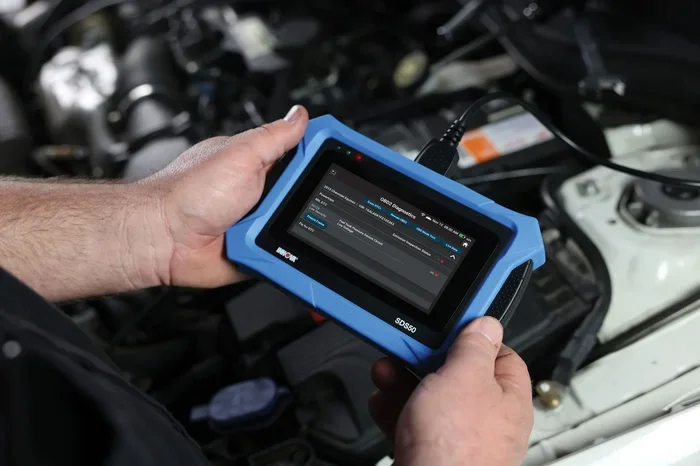
If your check engine light stays on, do not ignore it. A quick diagnostic scan at a repair shop can reveal whether the issue is minor or major. Similarly, if you notice your oil change light is on, get your oil changed promptly. Driving with low or dirty oil can cause severe engine damage.
Unusual sounds, vibrations, or smells are also red flags. A grinding noise when braking, a burning smell from the engine, or strange vibrations while driving all warrant immediate attention. Catching these problems early often means the difference between a small fix and a major repair bill.
Also, keep in mind that some maintenance items are covered by insurance. For example, windshield replacement and battery replacement may be included in your policy, depending on your coverage. Check with your insurance provider to understand what is included and avoid paying out of pocket for covered items.
Conclusion
Understanding how much the average person spends on car maintenance helps you budget with confidence and avoid surprises. The average driver pays between $50 and $200 per month, but your exact number depends on your vehicle, age, mileage, and driving habits.
Staying on top of routine maintenance is the best way to keep costs manageable. Oil changes, tire rotations, brake inspections, and fluid checks all fall under preventive maintenance, and they pay for themselves by preventing major breakdowns. Drive smarter, compare repair prices, and consider DIY options where you can.
Your car is a major investment, and maintaining it properly protects that investment. Use the tips and insights in this guide to take control of your monthly car expenses and keep your vehicle running strong for years to come.
Frequently Asked Questions
What is the average monthly car maintenance cost for a new car?
New cars typically cost $50 to $100 per month in maintenance during the first few years. Most of this goes toward routine services like oil changes, tire rotations, and scheduled inspections. New vehicles rarely need major repairs, keeping monthly costs low.
How can I lower my monthly car maintenance spending?
Stick to a regular maintenance schedule, handle simple DIY tasks like oil changes and filter replacements, and compare prices at different repair shops. Driving smoothly and avoiding aggressive habits also reduces wear and long-term costs.
Does car insurance cover any maintenance costs?
Standard car insurance does not cover routine maintenance like oil changes or tire rotations. However, it may cover specific repairs such as windshield replacement and battery replacement, depending on your policy and coverage type. Always check with your provider to understand what is included.
How often should I change my oil to keep maintenance costs low?
Most manufacturers recommend an oil change every 5,000 to 7,500 miles for modern vehicles. Staying on schedule prevents engine damage and keeps your routine car maintenance costs predictable and manageable. Check your owner’s manual for the exact recommendation for your vehicle.
Are older cars more expensive to maintain each month?
Generally, yes. Older vehicles need more frequent repairs and part replacements, which raises the monthly auto maintenance budget. However, well-maintained older cars can still be affordable if you stay on top of preventive services and address issues early.
Is it worth paying for a prepaid maintenance plan?
Prepaid maintenance plans can be worthwhile if you own the vehicle long-term and the plan covers services you would need anyway. They lock in costs and provide predictability. Just make sure the plan is from a reputable provider and covers the specific services your car requires.