How to Turn Off Rear Windshield Wiper on a Volkswagen
Turning off the rear windshield wiper on your Volkswagen is simpler than you might think. Whether you drive a Golf, Jetta, or Passat, this guide walks you through every method to disable the rear wiper. We cover stalk controls, dashboard settings, and common troubleshooting tips so you can handle it yourself in minutes.
Have you ever been driving your Volkswagen and noticed that rear windshield wiper just keeps going and going? It can be incredibly annoying, especially when the weather is clear and you do not need it. Turning off the rear windshield wiper on a Volkswagen is something every VW owner should know how to do. It is a simple fix, but many people struggle to find the right switch or setting. In this guide, we will walk you through every method, model by model, so you can silence that wiper in no time.
Whether you drive a Volkswagen Golf, Jetta, Passat, or another model, the rear wiper control works a bit differently across the lineup. Some models use a traditional stalk, while others rely on touchscreen controls or dashboard buttons. Understanding how your specific Volkswagen wiper controls work is the first step. We will also cover common problems like a rear wiper that refuses to turn off, blown fuses, and wiper relay issues. By the end of this article, you will feel confident handling any rear wiper situation on your VW.
Key Takeaways
- Multiple methods exist: You can turn off the rear wiper using the wiper stalk, dashboard controls, or infotainment settings depending on your VW model.
- Know your model: Different Volkswagen models like the Golf, Jetta, and Passat have slightly different rear wiper control layouts.
- Check the fuse first: If your rear wiper won’t turn off, a blown fuse or faulty relay is often the culprit.
- Maintenance matters: Regular wiper blade maintenance keeps your rear wiper working properly when you need it.
- DIY-friendly: Most rear wiper issues can be resolved at home without visiting a dealership.
- Insurance coverage: In some cases, windshield replacement may be covered by your car insurance, which is worth checking if damage occurs.
📑 Table of Contents
- Why You Might Want to Turn Off the Rear Windshield Wiper
- Understanding How the Rear Wiper System Works on a Volkswagen
- Step-by-Step Guide to Turning Off the Rear Windshield Wiper
- Common Volkswagen Models and Their Rear Wiper Controls
- Troubleshooting: When the Rear Wiper Won’t Turn Off
- Maintenance Tips for Your Volkswagen Rear Wiper
- When to Seek Professional Help
- Final Thoughts
Why You Might Want to Turn Off the Rear Windshield Wiper
You might wonder why anyone would want to disable the rear windshield wiper. After all, it is there to help you see better in rain or snow. But there are several perfectly valid reasons to turn it off. Let us explore a few of them.
First, if the weather is dry and the wiper keeps running, it is simply wasting energy. The wiper motor draws power from your battery, and running it unnecessarily can drain your charge over time. Second, a constantly running wiper creates noise and distraction. When you are trying to focus on the road, a rhythmic scraping sound from the rear window can be very annoying. Third, continuous wiper operation wears down the wiper blade faster. You will end up needing wiper blade maintenance or a replacement sooner than expected.
Some Volkswagen owners also disable the rear wiper during car shows or shows where they want the vehicle to look clean and stationary. Whatever your reason, knowing how to disable rear wiper functions on your VW is a valuable skill. It saves time, money, and frustration.
Understanding How the Rear Wiper System Works on a Volkswagen
Before you can turn off the rear wiper, it helps to understand how the system works. The rear windshield wiper on a Volkswagen is controlled by a combination of hardware and electrical components. Let us break it down into simple parts.
The Wiper Stalk and Control Layout
On most Volkswagen models, the rear wiper is controlled by the same stalk that operates the front windshield wipers. This wiper stalk is located on the left side of the steering column. You can usually find a separate button or rotation setting for the rear wiper. On some models, you push the stalk down for a single wipe or rotate it for intermittent or continuous wiping.
The Volkswagen wiper controls are designed to be intuitive, but they vary between model years. For example, older Volkswagen Golf models from the early 2000s use a simpler stalk mechanism, while newer models from 2015 onward may have more advanced settings. Understanding your specific Volkswagen dashboard controls layout is key to operating the rear wiper effectively.
The Rear Wiper Module and Relay
Behind the scenes, the rear wiper system relies on a wiper relay and a rear wiper module. The relay acts as a switch that sends power to the wiper motor when you activate the control. The module processes your input from the stalk or buttons and tells the motor what to do. If either of these components fails, your rear wiper might behave erratically, such as running continuously or not responding at all.
The rear wiper fuse is another important part of the system. It protects the electrical circuit from overloads. If the fuse blows, the rear wiper will stop working entirely. We will cover how to check the fuse later in this article.
Step-by-Step Guide to Turning Off the Rear Windshield Wiper
Now let us get to the practical part. Here is a detailed, step-by-step guide on how to turn off rear windshield wiper Volkswagen on different model types. Follow along based on your vehicle.
Step 1: Locate the Wiper Stalk
Sit in the driver’s seat and look at the left side of the steering column. You should see the wiper stalk. On most Volkswagen models, this is the same lever that controls the front windshield wipers. The rear wiper function is typically integrated into this stalk, often with a separate toggle or rotation option.
Step 2: Identify the Rear Wiper Setting
On the wiper stalk, look for a separate ring or button that controls the rear wiper. On Volkswagen Golf and Jetta models, you often rotate the end of the stalk to different positions. One position might be for a single wipe, another for intermittent wiping, and another for continuous operation. To turn the rear wiper off, rotate the stalk back to the “off” position.
On some Volkswagen Passat models, the rear wiper has its own dedicated button on the stalk itself. Simply press the button to toggle the rear wiper on or off. The indicator light on the dashboard will confirm whether the rear wiper is active.
Step 3: Check the Dashboard Indicator
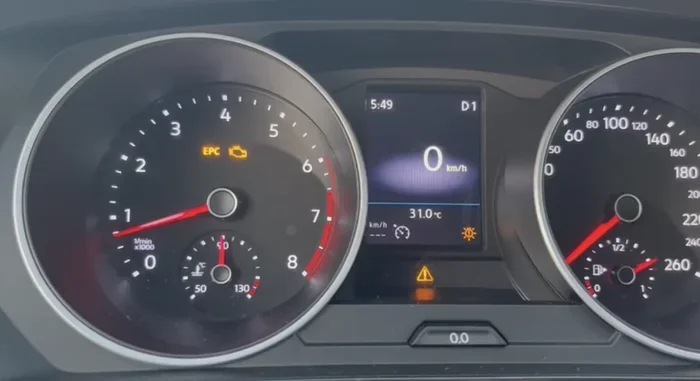
After adjusting the stalk, glance at your dashboard. Volkswagen vehicles have a specific icon for the rear wiper. It usually looks like a small rectangle with a wiper symbol. If the icon is still lit after you have moved the stalk to the off position, the wiper may be stuck in an active mode. In that case, try toggling the stalk again or moving it to a different setting before returning it to off.
Step 4: Turn the Vehicle Off and Back On
If the rear wiper still will not turn off, try turning the ignition off and then back on. This resets the electrical system and often clears any temporary glitches in the Volkswagen wiper settings. Simply turn the key to the off position, wait a few seconds, and restart the engine. Check the wiper stalk again.
Step 5: Check the Fuse Box
If resetting the vehicle did not work, the issue might be a blown fuse. Locate your Volkswagen fuse box, which is typically found under the dashboard on the driver’s side or in the engine bay. Consult your Volkswagen service manual to identify the fuse labeled for the rear wiper. Remove the fuse and inspect it for a broken filament. If the fuse is blown, replace it with a new one of the same amperage rating.
Common Volkswagen Models and Their Rear Wiper Controls
Not all Volkswagens are built the same, and neither are their rear wiper controls. Here is a breakdown of how the rear windshield wiper button and controls work on some of the most popular Volkswagen models.
Volkswagen Golf Rear Wiper Controls
The Volkswagen Golf is one of the most popular compact cars in the world, and it has been around for decades. On most Golf models, the rear wiper is controlled by the same stalk as the front wipers. You rotate the end of the stalk to select between off, single wipe, intermittent, and continuous modes. The Golf has been produced in many generations, so the exact layout can vary. If you own a newer Golf from 2010 or later, you may also have the option to control the rear wiper through the infotainment screen in some trim levels.
Volkswagen Jetta Rear Wiper Controls
The Volkswagen Jetta is a sedan that has been a staple in the VW lineup for years. On the Jetta, the rear wiper stalk works similarly to the Golf. You will find the controls on the left side of the steering column. Rotate the stalk to the off position when you do not need the rear wiper. Some Jetta owners report that the rear wiper default setting is intermittent mode, which can be confusing if you are not expecting it. Always double-check the stalk position before driving.
Volkswagen Passat Rear Wiper Controls
The Volkswagen Passat is a mid-size sedan with a bit more premium features. On the Passat, the rear wiper control is often integrated into the same multi-function stalk. However, some Passat models, especially those with upgraded trim levels, have a separate button for the rear wiper located near the climate control panel. Check your specific Passat model year to confirm the exact layout. The Passat also features a rear window defroster that works independently of the wiper system, which is a helpful feature during winter months.
Volkswagen Tiguan and SUV Models
If you drive a Volkswagen SUV like the Tiguan, the rear wiper controls follow a similar pattern to the sedan models. The wiper stalk on the left side of the steering column handles both front and rear wiper functions. However, SUV models often have a larger rear windshield, which means the wiper covers more surface area. This also means the wiper motor works harder, so keeping the system well-maintained is even more important.
Troubleshooting: When the Rear Wiper Won’t Turn Off
Sometimes the rear windshield wiper on a Volkswagen will not turn off, no matter what you do. This can be a frustrating problem, but it is usually caused by something simple. Let us walk through the most common issues and their solutions.
Stuck Wiper Relay
A stuck wiper relay is one of the most common reasons a rear wiper will not turn off. The relay is an electromagnetic switch that controls power flow to the wiper motor. When the relay gets stuck in the “on” position, the motor keeps running even when you have moved the stalk to the off setting. To fix this, you may need to replace the relay. Relays are inexpensive and easy to swap out, and your Volkswagen service manual will show you the exact location.
Faulty Wiper Switch
Another possibility is a faulty wiper switch on the stalk itself. Over time, the internal contacts of the switch can wear out or become corroded. When this happens, the switch may send a continuous signal to the wiper motor regardless of the stalk position. If you suspect a bad switch, you will need to have it inspected and replaced by a qualified technician.
Water or Debris in the Wiper Module
Volkswagen vehicles are built well, but moisture can sometimes find its way into the wiper module, especially after heavy rain or car washes. Water inside the module can cause short circuits that keep the rear wiper active. If you think water has entered the module, it is best to have it professionally dried and inspected before using the wiper system again.
Software Glitch in Newer Models
On newer Volkswagen models with advanced infotainment systems, a software glitch can sometimes cause the rear wiper to stay active. This is rare but does happen. Turning the vehicle off and back on usually resolves the issue. If not, a software update at the dealership may be necessary. You can also check with your local dealer about any known software recalls or updates for your specific model year.
Maintenance Tips for Your Volkswagen Rear Wiper
Keeping your rear wiper in good shape means it will work when you actually need it. Regular maintenance also prevents annoying issues like the wiper running when it should not. Here are some practical tips to keep your Volkswagen rear wiper system in top condition.
Replace Wiper Blades Regularly
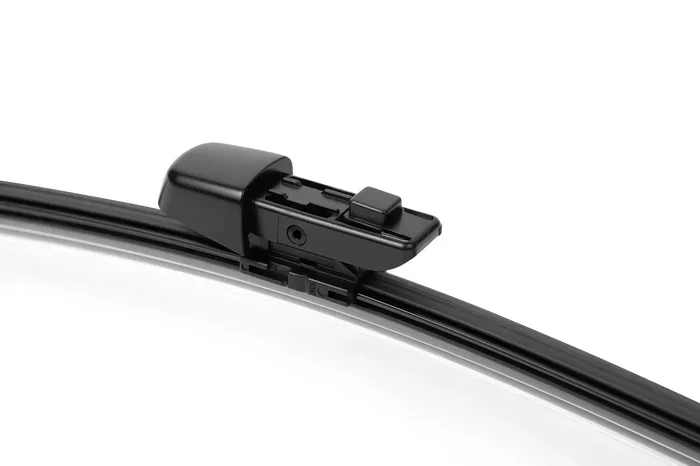
Wiper blades wear out over time, especially with exposure to sun, rain, and debris. As a general rule, you should replace your rear wiper blade every six to twelve months. If you notice streaking, chattering, or skipping when the wiper runs, it is time for a new blade. You can use a 21 wiper blade instead of 20 if that is the correct size for your Volkswagen model, but always double-check your owner’s manual first. Similarly, if you are wondering about sizing, check whether you can go up a size in windshield wipers for your specific VW model.
Clean the Windshield and Wiper Blade
Dirt and grime buildup on the rear windshield can cause the wiper to work harder than necessary. Use a glass cleaner and a soft cloth to wipe down the rear window regularly. Clean the wiper blade itself to remove any rubber residue or debris. This simple habit extends the life of both the blade and the motor.
Check the Wiper Fluid Level
While this may seem unrelated, keeping your wiper fluid topped off ensures that the rear wiper can clear the windshield effectively. Use a quality windshield washer fluid that is appropriate for the season. In winter, use a fluid rated for low temperatures to prevent freezing.
Inspect the Fuse and Relay Annually
As part of your regular vehicle maintenance, inspect the rear wiper fuse and relay at least once a year. A quick visual check can reveal corrosion, discoloration, or other signs of wear. Catching these issues early can prevent the rear wiper from malfunctioning at the worst possible moment.
Do You Need Special Tools?
Many people worry that wiper maintenance requires special tools. The good news is that most rear wiper blade replacements can be done by hand. You do not need any special equipment to swap out a wiper blade. If you have ever wondered, do you need a tool to change windshield wipers, the answer is almost always no. A simple hands-on replacement is all it takes for most Volkswagen models.
When to Seek Professional Help
While most rear wiper issues can be handled at home, some situations call for professional assistance. If you have checked the fuse, the stalk, and the relay, and the rear wiper still will not turn off, it is time to see a mechanic. Electrical problems can be tricky, and attempting complex repairs without the right expertise can lead to further damage. Additionally, if you notice any burning smells or hear unusual noises coming from the wiper motor area, stop using the system and have it inspected immediately.
For Volkswagen owners who prefer dealer service, you might wonder whether you can take your VW to any dealership. The answer depends on your warranty and service plan. Check with your dealer about service options and whether Volkswagen warranty coverage includes wiper system repairs. Taking care of issues early can save you from more expensive repairs down the road.
Final Thoughts
Learning how to turn off rear windshield wiper Volkswagen is a straightforward process that every VW owner should know. Whether you use the wiper stalk, dashboard controls, or need to check a fuse, the methods in this guide cover the most common scenarios. Regular maintenance of your wiper system keeps everything running smoothly and prevents annoying surprises on the road. Remember to replace your wiper blades regularly, keep the windshield clean, and pay attention to any unusual behavior from your rear wiper. With the right knowledge and a little routine care, your Volkswagen rear wiper will serve you well for years to come.
Take a few minutes today to familiarize yourself with your specific Volkswagen model’s wiper controls. It is one of those small things that makes a big difference in your daily driving experience. And if you ever run into a problem you cannot solve, do not hesitate to consult your owner’s manual or reach out to a trusted Volkswagen service professional. Your rear windshield will thank you for it.
Frequently Asked Questions
How do I turn off the rear windshield wiper on a Volkswagen Golf?
On a Volkswagen Golf, locate the wiper stalk on the left side of the steering column. Rotate the end of the stalk to the “off” position to disable the rear wiper. If the wiper continues running, try toggling the stalk to a different setting and then back to off, or turn the vehicle off and restart it to reset the system.
Can a blown fuse cause the rear windshield wiper to stay on?
Yes, a blown fuse can actually cause the rear wiper to malfunction, including staying on continuously. Check the fuse box under the dashboard or in the engine bay and look for the fuse labeled for the rear wiper. If the fuse is blown, replace it with one of the same amperage rating to restore normal function.
Do all Volkswagen models use the same rear wiper control method?
No, Volkswagen models vary in how they control the rear windshield wiper. Most models use the wiper stalk on the left side of the steering column, but some models like the Passat may have a separate button near the climate controls. Always refer to your specific model’s owner’s manual for the exact control layout.
How often should I replace my Volkswagen rear wiper blade?
You should replace your Volkswagen rear wiper blade every six to twelve months, depending on how frequently you use it and the weather conditions in your area. Signs that it is time for a replacement include streaking, chattering, or skipping during operation. Keeping the blade clean also helps extend its lifespan.
Why does my Volkswagen rear wiper keep running even when turned off?
A rear wiper that keeps running is often caused by a stuck wiper relay, a faulty wiper switch, or moisture in the wiper module. Start by turning the vehicle off and back on to reset the system. If the problem persists, check the fuse and relay. If these steps do not resolve the issue, a professional diagnosis is recommended.
Is it safe to drive with the rear windshield wiper stuck on?
Driving with a stuck rear wiper is generally safe in the short term, but it can drain your battery over time and wear out the wiper motor and blade faster. If the wiper will not turn off, try the reset methods described in this guide. If the issue persists, have the vehicle inspected by a mechanic to prevent further damage.