How to Turn On Forward Collision Warning in a Jeep Compass
Turning on forward collision warning in your Jeep Compass is simple and can significantly boost your driving safety. This feature uses sensors and cameras to detect potential front-end collisions and alerts you before impact. We will walk you through every step, from accessing the settings menu to troubleshooting common issues, so you can drive with confidence.
This is a comprehensive guide about How to Turn On Forward Collision Warning in a Jeep Compass.
Key Takeaways
- Easy Access: Forward collision warning can be toggled on through the Jeep Compass Uconnect system in just a few taps.
- Customizable Sensitivity: You can adjust the alert distance and sensitivity to match your driving style.
- Works with Other Safety Features: This system integrates with auto emergency braking and brake assist for full protection.
- Dashboard Indicators: The system uses clear warning lights to let you know when it is active or if there is a problem.
- Regular Maintenance Matters: Keeping sensors clean and your battery healthy ensures the system works properly.
[FEATURED_IMAGE_PLACEHOLDER]
What Is Forward Collision Warning in a Jeep Compass?
Forward collision warning is an active safety feature built into the Jeep Compass. It uses radar and camera sensors to monitor the road ahead. When the system detects a potential crash, it sends you an alert. This gives you time to react and avoid an accident.
The Jeep Compass comes equipped with modern vehicle safety technology. This includes forward collision warning, auto emergency braking, and brake assist. Together, these systems work to keep you and your passengers safe. The forward collision warning system is part of a broader driver assistance package that makes your daily commute less stressful.
Many drivers wonder how to turn on forward collision warning in a Jeep Compass. The good news is that it is straightforward. Whether you are a new Jeep owner or have been driving one for years, this guide will help you get the most out of your safety features.
The system is designed to detect vehicles, pedestrians, and even cyclists in your path. It constantly scans the road and calculates the distance between you and the object ahead. If the distance shrinks too quickly, the system triggers a visual and audible alert. This early warning can make all the difference in a dangerous situation.
How to Turn On Forward Collision Warning in a Jeep Compass
Turning on forward collision warning in a Jeep Compass takes just a few minutes. The process is simple and does not require any special tools. Follow these steps carefully to get the system up and running.
Step 1: Start Your Jeep Compass
First, make sure your Jeep Compass is turned on. Press the start button or turn the key. The dashboard should light up with all the indicator symbols. Wait a few seconds for the Uconnect system to fully boot up.
Make sure your vehicle is parked safely before you begin adjusting any settings. You do not want to be fiddling with menus while driving. Safety always comes first.
Step 2: Access the Settings Menu
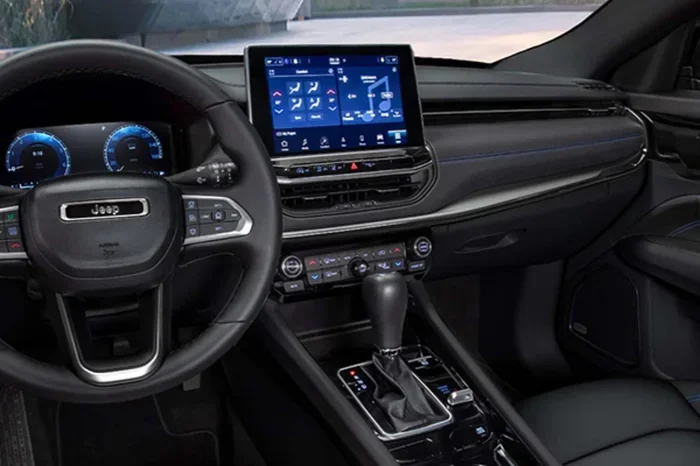
On the center touchscreen, look for the Settings icon. It usually looks like a gear or cog. Tap on it to open the main settings menu. From there, scroll down to find the Vehicle Settings or Safety Options section.
The Uconnect infotainment system in the Jeep Compass is user-friendly. The menus are organized clearly, so you should not have trouble finding what you need. If you are not sure where to look, the search bar at the top of the screen can help you type in “collision warning” directly.
Step 3: Navigate to Driver Assistance
Inside the Vehicle Settings menu, tap on Driver Assistance or Advanced Safety. This section houses all the driver safety features in your Jeep Compass. You will see options for lane departure warning, adaptive cruise control, and of course, forward collision warning.
The driver assistance settings let you customize how each feature behaves. You can turn features on or off, adjust sensitivity levels, and even set alert preferences. Take a moment to explore this section and familiarize yourself with what is available.
Step 4: Toggle Forward Collision Warning On
Find the Forward Collision Warning option. Tap the switch to turn it on. You should see a confirmation message on the screen. The system is now active and monitoring the road ahead.
Some Jeep Compass models may have a physical button on the steering wheel or the left side of the dashboard. Check your owner’s manual if you cannot find the option in the touchscreen menu. Every model year may have slight differences in the layout.
Step 5: Adjust Sensitivity and Alert Settings
Once the system is on, you can fine-tune it. Go back to the Driver Assistance menu and look for sensitivity settings. You can usually choose between High, Medium, and Low sensitivity levels.
Higher sensitivity means the system will alert you sooner. This is great for highway driving or bad weather. Lower sensitivity reduces false alerts, which can be helpful in heavy traffic where you are stopped and going frequently.
You can also adjust the alert distance. The system will warn you when a vehicle ahead is getting too close. Setting the right distance depends on your driving habits and the roads you travel most often.
Understanding the Dashboard Indicators
When forward collision warning is active, you will see an icon on your dashboard. It usually looks like a car with lines pointing toward it. This icon tells you the system is working and monitoring the road.
If the icon turns yellow or red, it means the system has detected a potential hazard. A yellow icon means you should be cautious. A red icon means you need to take immediate action. The system may also emit a beep or chime to get your attention.
It is important to understand what each indicator means. If you see a warning light that you do not recognize, do not ignore it. For example, if your wrench light comes on along with the collision warning, it could indicate a broader issue with your vehicle’s electronic systems. Getting these checked early can prevent bigger problems down the road.
The dashboard also shows when the system is turned off. You will not see the forward collision warning icon when the feature is disabled. Always double-check that the system is active before you start driving, especially on long trips.
What If the Warning Light Stays On?
Sometimes the forward collision warning light may stay on even when there is no immediate danger. This can happen for several reasons. A dirty sensor, a low battery, or a software glitch can all trigger a persistent light.
If the light stays on, try restarting your Jeep Compass. Turn the engine off, wait a few seconds, and turn it back on. This often resets the system and clears the warning. If the light persists, you may need to visit a service center for a diagnostic check.
Tips for Getting the Most Out of Forward Collision Warning
Forward collision warning is a powerful tool, but it works best when you use it correctly. Here are some practical tips to help you get the most from this safety feature.
Keep Your Sensors Clean
The sensors that power forward collision warning are located near the front bumper and windshield. Dirt, mud, snow, and ice can block these sensors. When the sensors are dirty, the system may not work properly.
Make it a habit to clean the front of your Jeep Compass regularly. A quick wipe-down after a rainstorm or a snowy drive can keep the sensors working at their best. This small step goes a long way in maintaining your vehicle safety.
Pair It with Other Safety Features
Forward collision warning works best when used alongside other safety systems. The Jeep Compass offers several features that complement this system. These include auto emergency braking, which can apply the brakes automatically if you do not react in time.
Brake assist detects when you are braking hard and adds extra stopping power. Lane departure warning alerts you if you drift out of your lane. Together, all these features create a comprehensive safety net around you and your passengers.
Some drivers ask whether features like steering assist work the same way across different brands. For example, you might wonder if you can turn off steering assist in a Toyota and how that compares to the Jeep Compass system. Each brand handles driver assistance a bit differently, but the core safety principles remain the same.
Adjust Your Driving Habits
Even with the best safety technology, your driving habits matter most. Keep a safe following distance. Stay alert and avoid distractions. Use forward collision warning as a backup, not a replacement for safe driving.
Remember that the system is designed to assist you, not replace your attention. Always keep your eyes on the road and your hands on the wheel. The technology works best when you are an engaged and attentive driver.
Update Your Software Regularly
Jeep regularly releases software updates for the Uconnect system. These updates can improve the performance of forward collision warning and other safety features. Check for updates through the Uconnect app or visit your local dealer.
Software updates can fix bugs, improve sensor accuracy, and add new features. Keeping your system up to date is one of the easiest ways to ensure your safety features work reliably. Set a reminder to check for updates every few months.
Common Issues and Troubleshooting
Like any electronic system, forward collision warning can sometimes have issues. Here are the most common problems and how to fix them.
System Not Turning On
If you cannot turn on forward collision warning, the first thing to check is your battery. A weak or dying battery can cause electronic systems to malfunction. If your battery is failing, it can affect multiple systems in your Jeep Compass, including the safety features.
Try resetting the system by turning the ignition off and on again. If that does not work, check for any software updates. A factory reset may also help, but be sure to back up any custom settings first.
False Alerts
False alerts happen when the system detects a collision threat that does not exist. This is often caused by dirty sensors, poor weather conditions, or incorrect sensitivity settings.
To reduce false alerts, clean the sensors and lower the sensitivity setting. Driving in heavy rain or fog can also trigger false alerts because the sensors struggle to see clearly. In these conditions, consider temporarily reducing the sensitivity until conditions improve.
System Not Responding
If the system detects a hazard but does not alert you, the sensors may be blocked or malfunctioning. Check for any damage to the front bumper or windshield area where the sensors are located.
Also, make sure the system is actually turned on. It sounds simple, but sometimes the feature gets toggled off accidentally. Check the Driver Assistance menu to confirm that forward collision warning is enabled.
How Forward Collision Warning Compares to Other Safety Systems
Forward collision warning is just one piece of the safety puzzle. Here is how it compares to other common vehicle safety systems.
- Forward Collision Warning: Alerts you to potential front-end collisions using visual and audible signals.
- Auto Emergency Braking: Automatically applies the brakes if you do not respond to a collision warning.
- Brake Assist: Boosts braking power when it detects an emergency stop.
- Lane Departure Warning: Alerts you if you drift out of your lane without signaling.
- Adaptive Cruise Control: Automatically adjusts your speed to maintain a safe distance from the vehicle ahead.
Each of these systems serves a unique purpose. Forward collision warning is your first line of defense. It gives you time to react. The other systems act as backups if you do not respond in time. Together, they create a layered approach to road safety.
When you know how to turn on forward collision warning in a Jeep Compass, you gain access to a full ecosystem of safety features. The key is to understand how each one works and how they complement each other. This knowledge makes you a smarter and safer driver.
Maintenance Tips for Your Safety Systems
Keeping your forward collision warning system in top shape requires regular maintenance. Here are some simple steps you can take.
- Clean the sensors monthly: Use a soft cloth to wipe the front sensors and camera.
- Check for software updates: Visit the Uconnect settings to see if any updates are available.
- Inspect the battery: A healthy battery keeps all electronic systems running smoothly.
- Get regular service: Have a certified technician check the safety systems during routine maintenance.
- Read the owner’s manual: It contains model-specific information about your safety features.
Taking care of your safety systems is just like taking care of any other part of your Jeep Compass. Regular attention keeps everything running smoothly and ensures that forward collision warning is always ready when you need it.
When you are on the road, you want peace of mind. Knowing that your vehicle has a working collision warning system gives you that confidence. It is one of the best investments you can make in your daily safety.
Final Thoughts
Learning how to turn on forward collision warning in a Jeep Compass is a quick and rewarding process. It takes only a few minutes and can make a huge difference in your driving safety. The system works by monitoring the road ahead and alerting you to potential hazards before they become dangerous.
Remember to keep your sensors clean, update your software, and adjust the sensitivity to match your driving conditions. Use forward collision warning together with other safety features like auto emergency braking and brake assist for the best protection. And always stay alert behind the wheel, because no technology can replace an attentive driver.
Your Jeep Compass is equipped with excellent safety technology. Taking the time to understand and activate these features shows that you care about your well-being and the well-being of others on the road. Drive safe, stay alert, and enjoy the confidence that comes with a fully active forward collision warning system.
Frequently Asked Questions
Can I turn off forward collision warning in my Jeep Compass?
Yes, you can turn off forward collision warning through the Uconnect settings menu. Simply navigate to Driver Assistance and toggle the switch off. Keep in mind that disabling this feature removes an important layer of protection, so it is best to keep it on whenever possible.
Does forward collision warning work in all weather conditions?
Forward collision warning works in most conditions, but heavy rain, snow, and fog can reduce sensor accuracy. The system may give false alerts or fail to detect hazards in very poor visibility. Cleaning the sensors regularly helps maintain performance in all weather.
Can a dead battery affect forward collision warning?
Yes, a weak or dead battery can cause electronic safety systems to malfunction. If your forward collision warning is not working properly, check your battery health first. A failing battery can also trigger other warning lights on your dashboard.
Is forward collision warning the same as auto emergency braking?
No, they are different but related features. Forward collision warning alerts you to a potential crash, while auto emergency braking automatically applies the brakes if you do not respond. Both work together to provide comprehensive front-end protection.
How often should I clean the forward collision warning sensors?
You should clean the sensors at least once a month, or more often if you drive in dirty or snowy conditions. Use a soft, lint-free cloth to gently wipe the sensors located near the front bumper and windshield.
What should I do if the forward collision warning light stays on?
If the light stays on, try restarting your Jeep Compass first. If the light persists, check for software updates or inspect the sensors for dirt and damage. If none of these steps work, visit a certified service center for a professional diagnosis.