Is Diesel Better Than Gas for Your Next Vehicle Purchase
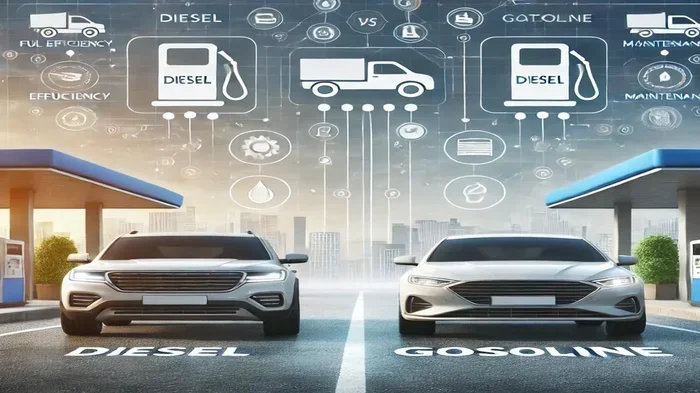
Is diesel better than gas? The answer depends on how you drive, what you haul, and your long-term goals. Diesel engines deliver superior fuel economy and towing power, making them ideal for highway drivers and heavy-duty work. However, gas engines are cheaper upfront, quieter, and simpler to maintain. This guide breaks down every key difference so you can make a confident choice for your next vehicle purchase.
When you walk into a dealership, one question keeps popping up: is diesel better than gas? It is a debate that has gone on for decades. Car buyers, truck enthusiasts, and everyday commuters all weigh in on this topic. The truth is, there is no single right answer. It all comes down to your needs, your budget, and how you use your vehicle.
Diesel and gas engines each have strong advantages. Diesel engines are known for their fuel economy and long life. Gas engines are praised for being affordable and easy to maintain. In this article, we will break down every major factor. By the end, you will know exactly which engine type fits your next vehicle purchase.
Let us start with the basics. Understanding how these two engine types work makes the comparison much easier. Once you see the differences, the decision becomes a lot clearer.
Key Takeaways
- Diesel engines offer better fuel efficiency: They can save you significant money on gas over long distances and highway driving.
- Gas engines cost less upfront: The purchase price is generally lower, and maintenance is more straightforward.
- Diesel wins for torque and towing: If you haul trailers or heavy loads, a diesel engine provides serious pulling power.
- Maintenance costs differ: Diesel repairs can be pricier, but the engine often lasts longer with proper care.
- Emissions regulations matter: Diesel vehicles face stricter emissions standards in many areas, affecting resale value.
- Your driving habits decide the winner: Highway miles favor diesel; city driving often favors gas.
📑 Table of Contents
How Diesel and Gas Engines Work Differently
Both diesel and gas engines are internal combustion engines. They convert fuel into energy to move your vehicle. But the way they do it is quite different. These differences shape everything from performance to maintenance.
The Science Behind Compression Ignition
A diesel engine uses compression ignition. Air gets compressed inside the cylinder at very high pressure. Then fuel is injected directly into that hot, compressed air. The heat causes the fuel to ignite on its own. There are no spark plugs in a diesel engine.
A gas engine, on the other hand, uses spark ignition. A mixture of air and fuel enters the cylinder. A spark plug ignites that mixture at just the right moment. This controlled explosion pushes the piston down and creates power.
These two processes lead to very different driving experiences. Diesel engines run at higher compression ratios. This gives them more thermal efficiency. In simple terms, they extract more energy from every drop of fuel.
Why This Matters for Everyday Drivers
The compression process makes diesel engines inherently more efficient. They use less fuel to produce the same amount of work. This is why diesel fuel economy is often significantly better than gas. For drivers who put in high annual mileage, this difference adds up fast.
Gas engines are simpler in design. They have fewer complex components. This simplicity makes them easier and cheaper to repair. For many casual drivers, this is a big advantage.
Fuel Efficiency and Cost Comparison
Fuel efficiency is where diesel really shines. But the full picture involves more than just miles per gallon. You also need to consider fuel prices and your driving patterns.
Miles Per Gallon: Diesel vs Gas
Diesel engines typically deliver 20 to 35 percent better fuel economy than their gas counterparts. A diesel pickup truck might get 25 miles per gallon on the highway. The gas version of the same truck might get 18 or 19.
For someone who drives 15,000 miles a year, that difference is huge. Over five years, the diesel driver could save hundreds of dollars at the pump. The savings grow even more for people who drive long distances regularly.
But here is the catch. Diesel fuel often costs more per gallon than regular gasoline. The price gap varies by region and market conditions. Sometimes diesel costs only a few cents more. Other times, the difference is much larger.
Break-Even Point for Diesel Savings
To figure out if a diesel engine saves you money, you need to calculate the break-even point. This is the moment when fuel savings outweigh the higher upfront cost.
For highway-heavy drivers, that break-even point often comes within three to five years. For city drivers, it might never come. Stop-and-go driving does not let diesel engines reach their full efficiency advantage.
Quick Tip: Before buying a diesel vehicle, track your average daily mileage and driving conditions. Use a fuel cost calculator to estimate your actual savings. This simple step can save you from making a costly mistake.
Performance: Power, Torque, and Towing
When it comes to raw pulling power, diesel engines have a clear edge. But performance means more than just strength. Let us look at how each engine type delivers power on the road.
Torque: The Diesel Advantage
Torque is the twisting force that moves your vehicle. It is what gets heavy loads rolling from a standstill. Diesel engines produce significantly more torque than gas engines of similar size.
This is why diesel trucks and SUVs are so popular for towing. A diesel engine can handle heavy trailers with ease. The low-end torque makes merging onto highways and climbing hills feel effortless.
Gas engines can still produce strong horsepower. They often rev higher and feel more responsive in everyday driving. For acceleration and speed, gas engines can be surprisingly competitive.
Which Engine Is Better for Towing?
If you regularly tow boats, trailers, or RVs, diesel has a strong advantage. The high torque output means less strain on the engine. It also means better control when going uphill with a heavy load.
However, modern gas engines have improved dramatically. Many gas trucks now offer towing capacities that rival older diesel models. For light to moderate towing, a gas engine may be all you need.
Expert Insight: Towing capacity is not just about the engine. The transmission, cooling system, and frame all play a role. Always check the full vehicle specs, not just the engine type.
Driving Feel and Responsiveness
Gas engines tend to feel more responsive in city driving. They rev up quickly and deliver smooth power at low speeds. This makes them great for daily commuting and stop-and-go traffic.
Diesel engines feel strongest in the mid-range RPM band. They are perfect for steady highway cruising. But they can feel sluggish at low speeds when the turbo is not spooling up.
Many modern diesel vehicles use turbochargers to fix this issue. The turbo forces more air into the engine, boosting power at low RPMs. This makes the driving experience much closer to a gas engine.
Maintenance and Long-Term Ownership Costs
Owning a vehicle is about more than the purchase price. Maintenance costs, repair frequency, and overall reliability all factor into the decision. Diesel and gas engines differ in these areas in important ways.
Upfront Vehicle Cost
Diesel vehicles almost always cost more upfront. The premium can range from $2,000 to $8,000 or more, depending on the model. This higher price tag is the biggest barrier for many buyers.
Gas vehicles are generally more affordable to buy. The lower sticker price makes them accessible to a wider range of buyers. If you are on a tight budget, a gas engine is often the easier choice.
Routine Maintenance Differences
Diesel engines require specific maintenance that gas engines do not. Here are some key differences:
- Oil changes: Diesel oil breaks down faster and costs more to replace.
- Fuel filters: Diesel engines need more frequent fuel filter replacements.
- Diesel particulate filter: This component requires regular regeneration cycles and can be expensive to replace.
- Turbocharger maintenance: Many diesel engines rely on turbos that need periodic attention.
- Diesel exhaust fluid: Modern diesels require DEF, which adds an ongoing cost.
Gas engines have simpler maintenance schedules. Fewer specialized parts means lower routine costs. For many owners, this simplicity is a major advantage.
Repair Costs and Engine Lifespan
When something goes wrong, diesel repairs tend to cost more. The parts are pricier, and fewer mechanics specialize in diesel engines. However, diesel engines are known for their durability.
A well-maintained diesel engine can easily last 300,000 miles or more. Gas engines typically last between 200,000 and 250,000 miles with proper care. This longer lifespan is a big selling point for diesel.
Common Mistake: Many buyers focus only on upfront costs. They forget to factor in long-term ownership expenses. Always calculate total cost of ownership before making your decision.
Resale Value Considerations
Diesel vehicles often hold their value better than gas versions. The fuel economy and durability appeal to used car buyers. However, this advantage varies by region and model.
In areas with strict emissions rules, diesel resale value can drop. Some buyers avoid diesel because of the added complexity. Research your local market before assuming diesel will hold value better.
Environmental Impact and Emissions
Environmental concerns play a bigger role in vehicle choices than ever before. Both diesel and gas engines produce emissions, but the types and amounts differ.
CO2 Emissions: Diesel Has an Edge
Diesel engines produce less carbon dioxide per mile than gas engines. Their higher efficiency means less fuel burned per mile driven. For drivers who care about their carbon footprint, this is a meaningful advantage.
Over the lifetime of a vehicle, the reduced CO2 output from a diesel engine can be significant. This is one reason diesel is still popular in Europe, where fuel economy and emissions standards are strict.
Other Pollutants: Where Diesel Struggles
Diesel engines produce more nitrogen oxide and particulate matter than gas engines. These pollutants contribute to smog and respiratory health problems. Modern diesel vehicles use diesel exhaust fluid and particulate filters to reduce these emissions.
However, these systems add complexity and cost. They also require proper maintenance to function correctly. A neglected diesel emissions system can cause serious problems.
Gas engines produce fewer particulates and less nitrogen oxide. Their emissions profile is generally cleaner in terms of local air quality. This is why gas engines remain the default choice in urban areas.
Emissions Regulations and Their Impact
Emissions regulations vary widely by country and region. Some areas have strict rules that make older diesel vehicles hard to register. Others offer incentives for fuel-efficient diesel models.
Before buying a diesel vehicle, check your local emissions laws. You do not want to purchase a truck that cannot be registered or that loses value quickly due to regulation changes.
Which Engine Type Is Right for You?
By now, you have seen the strengths and weaknesses of both engine types. The right choice depends entirely on your personal situation. Let us break it down by use case.
Choose Diesel If You…
- Drive more than 15,000 miles per year
- Spend most of your time on highways
- Need strong towing and hauling capability
- Plan to keep the vehicle for a long time
- Want the best possible fuel economy
Choose Gas If You…
- Have a tighter upfront budget
- Do mostly city and short-distance driving
- Want lower maintenance costs and simpler repairs
- Plan to trade in or sell the vehicle within a few years
- Prefer a quieter, smoother driving experience
Quick Tip: Make a list of your top three priorities. If fuel savings and towing are at the top, lean toward diesel. If affordability and simplicity matter most, go with gas.
The Modern Diesel-Gas Landscape
Today’s engine technology has blurred the lines between diesel and gas. Turbocharged gas engines now offer impressive torque numbers. Hybrid and electric powertrains are changing the game entirely. The traditional diesel vs gas debate is evolving as new technologies emerge.
Some manufacturers now offer mild-hybrid diesel systems. These combine the efficiency of diesel with the responsiveness of electric assist. It is an exciting development that may shape the future of personal transportation.
No matter which engine you choose, proper maintenance is the key to longevity. Keep up with oil changes, use quality fuel, and follow the manufacturer’s service schedule. A well-cared-for engine, whether diesel or gas, will serve you reliably for years.
Final Thoughts on the Diesel vs Gas Debate
The question of is diesel better than gas does not have a universal answer. It depends on how you drive, what you need, and what you value most. Diesel engines excel in fuel economy, torque, and long-term durability. Gas engines win on upfront cost, simplicity, and city driving comfort.
Take your time making this decision. Test drive both options if possible. Crunch the numbers for your specific driving habits. The best engine is the one that fits your life and your budget.
At the end of the day, both engine types have earned their place in the automotive world. Whether you choose diesel or gas, you are making a smart investment in your mobility. The key is to go in with your eyes open and make an informed choice.
Frequently Asked Questions
Is a diesel engine worth the extra cost?
It can be worth it if you drive high mileage or tow frequently. The fuel savings and longer engine life often offset the higher upfront cost. But for low-mileage city drivers, a gas engine usually makes more financial sense.
How much more does diesel fuel cost than gasoline?
Diesel fuel typically costs a few cents to a dollar more per gallon than regular gasoline. The exact price difference varies by region and market conditions. Check your local fuel prices to get an accurate comparison for your area.
Do diesel engines really last longer than gas engines?
Yes, diesel engines are built with stronger components and operate at lower RPMs, which reduces wear over time. A well-maintained diesel engine can easily reach 300,000 miles or more. Gas engines typically last between 200,000 and 250,000 miles with proper care.
Can you use a diesel truck for everyday city driving?
You can, but it is not ideal. Diesel engines are most efficient during steady highway driving. City driving with lots of stops and starts does not allow the engine to reach its full efficiency potential. Maintenance costs may also be higher for city-driven diesels.
Are diesel vehicles harder to sell?
It depends on your local market. In areas where fuel economy and towing are valued, diesel vehicles hold their value well. In regions with strict emissions laws or where buyers prefer simplicity, diesel resale value may suffer. Research your local market trends before buying.
What is diesel exhaust fluid and why does it matter?
Diesel exhaust fluid, or DEF, is a solution that reduces harmful nitrogen oxide emissions from diesel engines. Modern diesel vehicles are required to use DEF to meet emissions standards. You will need to refill it periodically, which adds a small ongoing cost to diesel ownership.
=== CONCLUSION ===
The debate over is diesel better than gas comes down to your individual needs and driving habits. Diesel engines deliver outstanding fuel economy, strong torque, and impressive long-term durability. They are the clear choice for highway drivers, truck owners, and anyone who hauls heavy loads regularly.
Gas engines offer a lower upfront cost, simpler maintenance, and a smoother city driving experience. They are the practical choice for budget-conscious buyers and those who do most of their driving in stop-and-go traffic.
Both engine types have evolved significantly in recent years. Modern diesels are cleaner and more refined than ever. Modern gas engines are more powerful and efficient than previous generations. The right choice is the one that aligns with how you live and drive.
Weigh your priorities honestly. Calculate the real costs for your driving pattern. And remember, the best vehicle is the one that meets your needs and fits your budget. Whether you choose diesel or gas, make the decision with confidence and enjoy the ride ahead.