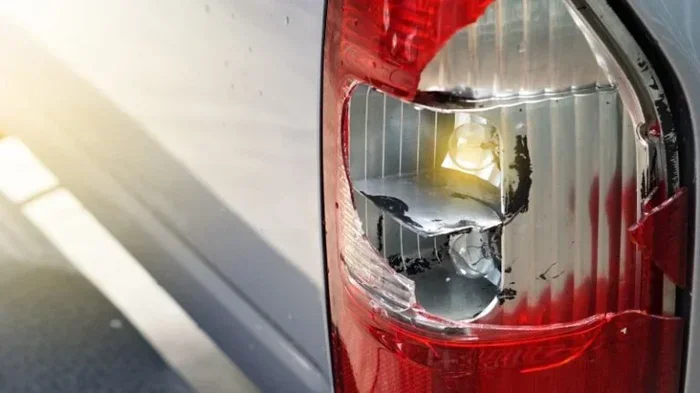
Is It Illegal to Drive With a Broken Tail Light Now
Driving with a broken tail light can lead to fines, failed inspections, and serious safety risks. Most states treat a malfunctioning tail light as an equipment violation that may result in a traffic ticket. Understanding your local laws and fixing the issue quickly can save you money and keep you safe on the road.
Have you ever been driving down the road and noticed your broken tail light glowing through the darkness? Maybe a friend told you it is no big deal. Or maybe you have been putting off the repair because it seems too minor to worry about. The truth is, driving with a broken tail light is more than just an eyesore. It can land you a ticket, cause you to fail a safety inspection, and even put your life at risk.
In this article, we will answer the question is it illegal to drive with a broken tail light once and for all. We will look at the laws in different states, the fines you could face, and what you should do if your rear light goes out. Whether you are dealing with a cracked lens, a burnt-out bulb, or a wiring issue, this guide has you covered.
The good news is that fixing a broken tail light is almost always simple and affordable. You do not need to be a mechanic. With a few basic tools and about 15 minutes, you can get your vehicle back in compliance. Let us dive in and make sure you are driving safely and legally.
Key Takeaways
- It is generally illegal: Driving with a broken tail light is considered an equipment violation in most states.
- Fines vary by location: Penalties can range from $25 to $200 or more depending on your state and county.
- Safety is the real concern: A broken tail light makes your vehicle harder to see, increasing crash risk.
- Fix it fast: Replacing a tail light bulb or lens is usually inexpensive and takes less than 30 minutes.
- Inspection failures: A broken tail light will likely cause you to fail a vehicle safety inspection.
- Police can pull you over: Officers have the right to stop you for a malfunctioning light as a primary violation in many states.
- Prevention is easy: Regular checks and quick replacements can keep you compliant and safe.
📑 Table of Contents
- Why Tail Lights Matter for Road Safety
- Is It Illegal to Drive With a Broken Tail Light?
- What Happens If You Get Pulled Over for a Broken Tail Light?
- How Much Does a Tail Light Ticket Cost?
- Common Reasons Tail Lights Break
- How to Fix a Broken Tail Light
- Preventing Future Tail Light Problems
- Frequently Asked Questions
- Final Thoughts
Why Tail Lights Matter for Road Safety
Tail lights are not just a legal requirement. They serve a critical purpose on the road. When you hit the brakes or drive at night, your tail lights tell the cars behind you exactly what you are doing. Without them, drivers cannot see your vehicle or predict your movements.
Imagine driving on a dark highway with your broken tail light. The car behind you might not realize you are slowing down until it is too late. This is how rear-end collisions happen. A simple burnt-out bulb can lead to a serious accident.
Here is why functioning tail lights are so important:
- Visibility: They make your vehicle visible to other drivers, especially at night and in bad weather.
- Communication: They signal when you are braking, turning, or reversing.
- Crash prevention: Studies show that vehicles with working lights are involved in fewer rear-end collisions.
- Legal compliance: Every state requires vehicles to have working tail lights and brake lights.
When people ask is it illegal to drive with a broken tail light, they often think about the fine. But the real danger is safety. A malfunctioning light turns your car into a hidden hazard on the road. Taking care of this issue quickly protects both you and everyone around you.
Is It Illegal to Drive With a Broken Tail Light?
The short answer is yes. In virtually every state, driving with a broken tail light is illegal. It falls under equipment violation laws that require all exterior lights to be functioning properly. But the specifics can vary depending on where you live.
Let us break down the legal side of things so you understand exactly what you are dealing with.
Federal and State Requirements
At the federal level, the National Highway Traffic Safety Administration (NHTSA) sets baseline standards for vehicle lighting. All cars sold in the United States must meet these standards, which include requirements for tail lights, brake lights, and turn signals. States then build on these federal rules with their own specific regulations.
Every state has a vehicle code that addresses lighting requirements. For example:
- California: Vehicle Code Section 24600 requires all lights to be functioning. A broken tail light is a primary violation, meaning an officer can pull you over solely for this reason.
- Texas: Texas Transportation Code Section 547.102 mandates that all required lights must be visible from a certain distance. A malfunctioning light can result in a citation.
- New York: The Vehicle and Traffic Law requires that all lights be clean and working. An officer can stop you for a cracked tail light that is not illuminated.
- Florida: Florida Statute 316.220 requires proper functioning of all exterior lights. Driving with a broken tail light can lead to a non-moving violation citation.
As you can see, the answer to is it illegal to drive with a broken tail light is a clear yes across the board. No matter where you live, you are expected to maintain working lights on your vehicle.
Primary vs. Secondary Violations
Some states treat a broken tail light as a primary violation. This means a police officer can pull you over specifically because of the light. Other states classify it as a secondary violation, which means the officer must have another reason to stop you first.
Here is a quick comparison:
| Violation Type | What It Means | Examples |
|---|---|---|
| Primary Violation | Officer can stop you solely for the broken light | California, New York, Illinois, Ohio |
| Secondary Violation | Officer needs another reason to stop you first | Some rural states, certain local ordinances |
Even in states where it is a secondary violation, getting pulled over for any reason and having a broken tail light noted can still result in a fine. It is simply not worth the risk.
What Happens If You Get Pulled Over for a Broken Tail Light?
If an officer stops you because of a broken tail light, here is what you can typically expect. The process is usually straightforward, but the outcome depends on several factors.
The Traffic Stop
When an officer pulls you over for a malfunctioning light, they will likely approach your vehicle and point out the issue. They may ask for your license, registration, and proof of insurance. In many cases, they will issue a warning or a citation on the spot.
Being polite and cooperative goes a long way. If you already know about the issue and have a plan to fix it, let the officer know. Some officers appreciate the honesty and may issue a verbal warning instead of a ticket.
Possible Outcomes of the Stop
Here are the most common outcomes when you are stopped for a broken tail light:
- Verbal Warning: The officer lets you know about the issue and sends you on your way. This is more common for first-time offenders or minor issues like a single burnt-out bulb.
- Fix-It Ticket: Some jurisdictions issue a “corrective action” ticket. You pay a small fee and provide proof of repair within a set timeframe, usually 30 days.
- Standard Citation: You receive a ticket with a fine. The amount varies by state and county. This goes on your driving record.
- Vehicle Impoundment: In rare cases, especially if multiple violations are present, your vehicle may be impounded until the issues are resolved.
The most common result is a fix-it ticket or a standard citation with a fine. Either way, it is a hassle you can easily avoid by keeping your lights in working order.
How Much Does a Tail Light Ticket Cost?
Nobody wants to pay a fine for something as simple as a burnt-out bulb. But the cost of ignoring a broken tail light can add up quickly. Let us look at what you might be facing financially.
Average Fines by State
Fines for a broken tail light vary widely depending on where you live. Here are some typical ranges:
- California: $100 to $200 for an equipment violation
- Texas: $25 to $200 depending on the county
- New York: $50 to $150 for a lighting violation
- Florida: $30 to $100 for a non-moving violation
- Illinois: $50 to $120 for a defective equipment citation
These are just estimates. The actual fine depends on your specific location, the officer’s discretion, and whether you have any prior violations. In some areas, court fees and surcharges can push the total cost even higher.
Hidden Costs to Consider
The direct fine is not the only cost. Think about these hidden expenses:
- Insurance Rate Increase: A citation on your record can raise your car insurance premiums for years.
- Court Costs: If you contest the ticket, you may end up paying court fees on top of the original fine.
- Time Off Work: Appearing in traffic court takes time away from your schedule.
- Points on Your License: Some states assign points for equipment violations, which can lead to license suspension if you accumulate too many.
Compare all of this to the cost of replacing a tail light bulb, which is usually between $5 and $30, or a tail light lens for $20 to $60. The math is simple. Fix the light before it fixes you with a fine.
Common Reasons Tail Lights Break
Understanding why tail lights fail can help you prevent the problem in the first place. Here are the most common causes of a broken tail light.
Burnt-Out Bulbs
The most common reason for a broken tail light is simply a burnt-out bulb. Tail light bulbs have a limited lifespan, typically lasting between one and five years depending on usage. If you use your lights frequently or drive at night often, the bulbs wear out faster.
Quick Tip: Make it a habit to check all your exterior lights once a month. A quick walk around your car takes less than two minutes and can save you from an unexpected ticket.
Cracked or Damaged Lens
The plastic lens covering the tail light can crack from road debris, minor accidents, or even extreme temperature changes. A cracked tail light lens lets moisture in, which can damage the bulb and wiring inside. Over time, the moisture can cause the light to fog up or stop working entirely.
Wiring and Electrical Issues
Sometimes the problem is not the bulb or the lens but the wiring behind it. Corroded connectors, frayed wires, or a faulty fuse can all cause a tail light to stop working. These issues are more common in older vehicles but can happen to any car.
Burned-Out LED Strips
Many modern vehicles use LED tail lights instead of traditional bulbs. LEDs last much longer, but they can still burn out or fail due to electrical issues. Replacing an LED strip is usually more expensive than a standard bulb, but it is still a straightforward repair.
How to Fix a Broken Tail Light
The good news is that fixing a broken tail light is one of the easiest car repairs you can do. You do not need special tools or mechanical skills. Here is how to handle the most common scenarios.
Replacing a Burnt-Out Bulb
Replacing a tail light bulb is a simple process that most people can do in under 15 minutes.
- Find the correct replacement bulb for your vehicle. Check your owner’s manual or look up the part number online.
- Open your trunk or tailgate and locate the back of the tail light assembly.
- Remove the protective cover or housing. This is usually held on by a few clips or screws.
- Unplug the wiring connector from the old bulb.
- Remove the old bulb by twisting it counterclockwise or pulling it straight out, depending on the type.
- Insert the new bulb and secure it in place.
- Reconnect the wiring and replace the housing.
- Test the light by turning on your vehicle or having someone press the brake pedal.
Quick Tip: Always handle new bulbs with a clean cloth or gloves. The oils from your skin can cause an LED bulb to overheat and fail prematurely.
Replacing a Cracked Lens
If the lens itself is cracked or shattered, you will need to replace the entire tail light assembly. Here is what to do:
- Remove the screws or bolts holding the assembly in place.
- Disconnect the wiring harness.
- Mount the new assembly and reconnect the wiring.
- Secure the assembly with the screws or bolts.
A replacement tail light assembly typically costs between $20 and $80 for most popular car models. You can find them at auto parts stores or online.
When to See a Professional
While most tail light repairs are DIY-friendly, there are times when you should visit a mechanic. If the issue involves wiring, a blown fuse that keeps recurring, or water damage inside the assembly, a professional can diagnose and fix the problem properly. A visit to an auto repair shop usually costs between $50 and $150 for labor, plus the cost of parts.
Preventing Future Tail Light Problems
The best way to avoid the hassle of a broken tail light is prevention. A few simple habits can keep your lights working and your record clean.
Regular Inspection Routine
Set a reminder to check all your exterior lights once a month. Walk around your vehicle and test:
- Tail lights (both sides)
- Brake lights (both sides)
- Turn signals (front and rear)
- Reverse lights
- License plate light
This quick check takes less than five minutes and can catch problems before they become violations.
Keep Spare Bulbs in Your Trunk
One of the best investments you can make is keeping a few spare bulbs in your trunk. A tail light bulb replacement kit costs just a few dollars and can save you from being stranded with a dead light. Look for a kit that matches your vehicle’s make and model.
Address Small Issues Immediately
If you notice a tail light is dimmer than usual or flickering, do not ignore it. These are early warning signs that the bulb is about to fail. Replacing it early saves you from a complete outage and the risk of getting pulled over.
Frequently Asked Questions
Can I drive with a broken tail light to the auto shop?
While you technically should not drive with a broken tail light, most officers will understand if you are heading directly to a repair shop. However, this is not a guaranteed defense if you are stopped. The safest approach is to have the light fixed before you drive the vehicle, or arrange for a tow if the repair is urgent.
Will a broken tail light fail a vehicle inspection?
Yes, a broken tail light will almost certainly cause your vehicle to fail a safety inspection. Inspections check all exterior lights for proper function. Make sure to fix the light before your inspection appointment to avoid the hassle of a re-test.
Can a police officer pull me over just for a broken tail light?
In many states, yes. A broken tail light is considered a primary violation, which means an officer has the legal right to pull you over solely for this reason. Even in states where it is a secondary violation, the officer can still issue a citation if they stop you for another reason.
How much does it cost to replace a tail light?
The cost depends on the type of repair needed. A tail light bulb replacement typically costs $5 to $30 for the part. A full tail light assembly replacement ranges from $20 to $80 for the part alone. If you hire a mechanic, add $50 to $150 for labor. Overall, it is one of the least expensive car repairs you can do.
Does a broken tail light affect my car insurance?
A single equipment violation for a broken tail light usually does not have a major impact on your insurance rates. However, if the violation leads to points on your license or is part of a pattern of traffic violations, your premiums could increase over time. Keeping your lights in good working order is the best way to avoid any insurance-related consequences.
How long does it take to fix a broken tail light?
A tail light bulb replacement takes about 10 to 15 minutes for most vehicles. Replacing a cracked lens or entire assembly takes 20 to 45 minutes. These are quick, straightforward repairs that most car owners can handle themselves with basic tools and a little patience.
Final Thoughts
The answer to is it illegal to drive with a broken tail light is a definitive yes. It is an equipment violation in every state, and the consequences can range from a simple fine to a failed inspection or even a dangerous accident. The good news is that this is one of the easiest car problems to fix. A new bulb costs just a few dollars and takes less than 15 minutes to install.
Do not let a broken tail light become a bigger problem than it needs to be. Make it a habit to check your lights regularly, keep spare bulbs on hand, and fix any issues the moment you notice them. Your wallet, your driving record, and your safety will all thank you.
Take a few minutes today to walk around your vehicle and check every light. If something is out, fix it before your next drive. Being proactive about tail light maintenance is one of the simplest and smartest things you can do as a driver. Stay safe, stay legal, and keep those lights shining bright.