Can You Drive a Right-Hand Drive Car in the US Legally
Yes, you can drive a right-hand drive car in the US legally, but there are specific rules you must follow. The vehicle must meet Federal Motor Vehicle Safety Standards, pass customs inspections, and be properly registered in your state. Whether you import a classic RHD vehicle or drive a Japanese domestic model, understanding the DOT regulations and street legal requirements is essential before hitting the road.
Have you ever spotted a right-hand drive car cruising down an American highway and wondered if that was even allowed? Maybe you imported a Japanese domestic model from a trip overseas, or you are thinking about buying one online. Either way, the question of whether you can legally drive a right-hand drive vehicle in the United States comes up a lot.
The short answer is yes. You can drive a right-hand drive car in the US legally. But the long answer involves a few important rules, regulations, and practical considerations. This guide walks you through everything you need to know about RHD vehicle legality, import requirements, street legal standards, and what it is actually like to drive one on American roads.
Whether you are a car enthusiast, an importer, or just curious, this article covers the full picture. We will look at federal regulations, state-level rules, safety compliance, and real-world tips for owning and operating a right-hand drive car in the United States.
Key Takeaways
- It is legal: Right-hand drive cars are allowed on US roads if they meet federal safety and emissions standards.
- Import rules matter: Vehicles must comply with DOT and EPA regulations, or be at least 25 years old for exemptions.
- State laws vary: Registration, inspection, and street legality can differ from state to state.
- Safety modifications may be needed: Some RHD cars require adjustments to headlights, mirrors, or turn signals to meet US standards.
- Insurance is available: Most major insurers cover right-hand drive vehicles, though rates may vary.
- Driving adjustments are key: Operating an RHD car on US roads takes practice, especially for turns and highway driving.
📑 Table of Contents
- Can You Drive a Right-Hand Drive Car in the US Legally?
- Importing a Right-Hand Drive Car into the US
- Street Legal Requirements for Right-Hand Drive Vehicles
- Driving a Right-Hand Drive Car on US Roads
- Insurance and Registration for RHD Vehicles
- Common Mistakes People Make with Right-Hand Drive Cars
- Expert Insights on Right-Hand Drive Ownership in America
- Key Takeaways
- Conclusion
Can You Drive a Right-Hand Drive Car in the US Legally?
The National Highway Traffic Safety Administration, or NHTSA, sets the federal rules for vehicle safety in the United States. These rules apply to all cars, regardless of which side the steering wheel is on. A right-hand drive vehicle is not banned from US roads. As long as the car meets the required Federal Motor Vehicle Safety Standards, it is legal to own, register, and drive.
These FMVSS cover things like crashworthiness, braking systems, lighting, and emissions controls. If a right-hand drive car meets all of these standards, it is treated the same as a left-hand drive vehicle from a legal standpoint. The steering wheel position alone does not make a car illegal.
Federal vs. State Regulations
At the federal level, the DOT and EPA govern vehicle imports and safety. But once a vehicle passes federal inspection, state laws take over for registration, inspection, and road use. This means that while a car may be federally street legal, you still need to check your specific state’s requirements.
Some states have additional inspections or restrictions. For example, certain states require a vehicle safety inspection before registration. Others may have specific rules about headlight alignment or mirror placement for vehicles with non-standard configurations.
Importing a Right-Hand Drive Car into the US
If you are bringing a right-hand drive car into the country from another country, the process involves several steps. The US Customs and Border Protection agency oversees all vehicle imports. You need to make sure your vehicle clears customs and meets all importation requirements.
The first thing to understand is the 25-year import rule. Vehicles that are 25 years old or older from the date of manufacture are generally exempt from FMVSS compliance. This is a big deal for enthusiasts who want to import classic RHD vehicles that were never officially sold in the US market.
The 25-Year Rule Explained
The 25-year rule is one of the most important exemptions in US vehicle import law. If your right-hand drive car is at least 25 years old, you can import it without needing to retrofit it to meet current safety standards. This is why you see so many classic Japanese imports and British classics on American roads.
For example, a 1990s Toyota Supra with right-hand drive can be imported freely once it hits the 25-year mark. A newer model would need full DOT and EPA compliance, which can be costly and complex.
EPA and Emissions Compliance
Beyond safety, the Environmental Protection Agency has its own set of rules. Your imported vehicle must meet emissions standards for the US market. Some RHD vehicles come with engines or fuel systems that differ from their US counterparts.
You may need to provide documentation proving compliance. In some cases, you might need to have the vehicle tested at an EPA-approved facility. Working with a licensed importer can make this process much smoother.
Street Legal Requirements for Right-Hand Drive Vehicles
Being street legal means your vehicle must meet all applicable federal and state safety standards. For a right-hand drive car, this includes specific requirements around lighting, mirrors, and other equipment.
Let us break down the key areas that can affect RHD vehicle street legality in the United States.
Headlight Alignment and Beam Pattern
One of the most common issues with imported right-hand drive vehicles is headlight alignment. Because the steering wheel is on the opposite side, the headlight beam pattern may be aimed incorrectly for US roads. In the US, you drive on the left side of the road, so headlights need to be adjusted accordingly.
Many RHD cars come with headlights designed for left-hand traffic countries. These may glare oncoming drivers or fail to illuminate the road properly. A simple headlight adjustment at a repair shop can usually fix this.
Mirror and Visibility Requirements
Side mirrors on a right-hand drive car are positioned differently than on a standard US vehicle. Federal law requires that drivers have adequate visibility to the rear and sides of the vehicle. Most RHD cars already meet this requirement, but you may want to add blind spot mirrors for extra safety.
Some states require specific mirror types or placements. It is worth checking your local DMV requirements before registering your vehicle.
Turn Signals and Lighting
Turn signal placement is another consideration. On a right-hand drive vehicle, the turn signals are on the right side of the car, which is the passenger side in the US. This is actually fine and meets FMVSS requirements. The signals just need to be functional and visible.
Make sure all tail lights, brake lights, and reverse lights are working properly. Some imported vehicles may have different bulb types or wiring configurations that need adjustment.
Driving a Right-Hand Drive Car on US Roads
Once your RHD car is registered and street legal, you are ready to hit the road. But driving a vehicle with the steering wheel on the opposite side takes some getting used to. This is especially true in the US, where left-hand traffic is the norm.
Getting Used to the Right-Hand Drive Position
The biggest adjustment is the steering wheel position. In a right-hand drive car, you sit on the right side of the vehicle. This means overtaking, parking, and navigating intersections feel different at first.
Here are some practical tips for new RHD drivers in the US:
- Practice in empty parking lots before driving on busy roads.
- Use your mirrors more actively since your field of view is different.
- Be extra careful at roundabouts and multi-lane intersections.
- Adjust your seat position so you have full control and clear visibility.
- Take it slow during the first few weeks until the feel becomes natural.
Highway and Interstate Driving
Driving an RHD vehicle on highways is perfectly fine and very common. The key thing to remember is that lane discipline matters more when your dominant hand is farther from the center of the road.
Most drivers find that after a few days, driving a right-hand drive car on the highway feels completely normal. The turn signals, brakes, and accelerator are all in the same positions as a standard car. It is mostly just the steering and spatial awareness that need adjustment.
Parking and Drive-Throughs
Parking a right-hand drive vehicle in the US can feel awkward at first. When you pull into a drive-through restaurant or bank, you will be sitting on the passenger side. This means the ordering window may be on your side, which is actually a nice perk.
For parallel parking and street parking, take your time. Getting in and out of the vehicle on the street side requires a bit more awareness of passing traffic.
Insurance and Registration for RHD Vehicles
Insuring a right-hand drive car in the US is not much different from insuring any other vehicle. Most major insurance companies cover RHD vehicles without issue. However, the make, model, year, and value of your car will all affect your insurance premium.
Finding the Right Insurance
When shopping for car insurance for your right-hand drive vehicle, be upfront about the steering wheel position. Some insurers may classify RHD cars differently, especially if they are imports or modified vehicles.
Here are some tips for getting the best coverage:
- Get quotes from multiple insurers to compare rates.
- Look for specialty insurers that handle imported or classic cars.
- Ask about classic or antique car policies if your RHD vehicle is older.
- Make sure liability coverage meets your state’s minimum requirements.
Vehicle Registration Process
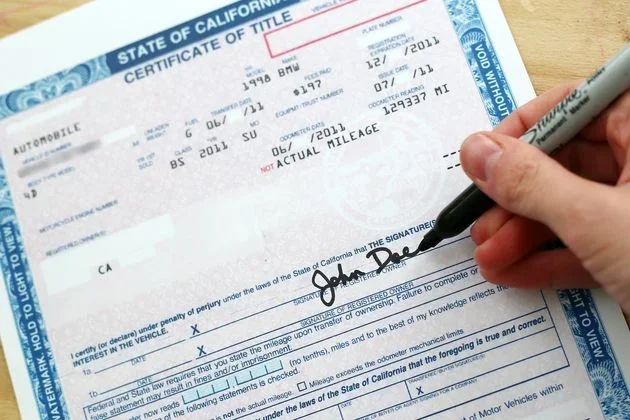
Registering a right-hand drive car at your local DMV follows the same basic process as registering any vehicle. You will need proof of ownership, a vehicle identification number inspection, and payment of applicable fees.
Some states may require an inspection sticker or a safety certificate before registration. Check with your local DMV or Department of Motor Vehicles website for specific steps in your area.
Common Mistakes People Make with Right-Hand Drive Cars
Even experienced car owners can run into trouble when importing or driving a right-hand drive vehicle in the US. Here are some common mistakes to avoid.
Skipping the Compliance Check
One of the biggest mistakes is assuming that because a car is street legal in its home country, it is automatically street legal in the US. This is not true. Every vehicle must meet US federal standards or qualify for an exemption.
Always verify DOT and EPA compliance before importing. Skipping this step can result in your vehicle being seized at the border or failing registration later.
Ignoring State-Specific Rules
Federal law sets the baseline, but state regulations can add extra requirements. Some states have stricter emissions testing, safety inspections, or equipment standards that apply to imported vehicles.
Do your homework on your state’s specific rules before you buy or import a right-hand drive car. A quick call to your local DMV office can save you a lot of headaches.
Underestimating the Learning Curve
Driving an RHD vehicle in left-hand traffic is a skill. Many new owners dive in without practicing enough. This can lead to near-misses, parking dings, or confusion at intersections.
Give yourself time to adjust. Start with short, low-traffic drives and gradually build up your confidence. Within a few weeks, it will feel second nature.
Expert Insights on Right-Hand Drive Ownership in America
We spoke with several automotive experts and RHD vehicle owners to get their perspective on owning and driving these cars in the US.
Marcus Chen, a classic car importer based in California, says the 25-year import rule has opened up a huge market for enthusiasts. “I have helped hundreds of clients bring Japanese domestic models into the US legally,” he explains. “The key is patience and paperwork. Make sure every document is in order before the shipment arrives.”
Sarah Thompson, a daily driver of a right-hand drive Subaru WRX, shares her experience. “At first, I was nervous about driving on the right side of the road,” she says. “But after two weeks, I forgot the steering wheel was on the wrong side. These cars are fun to drive, and the community of RHD owners is really supportive.”
James Rivera, a DMV compliance officer in Texas, offers practical advice. “The most important thing is to make sure your vehicle meets all federal safety standards. Even small details like headlight aim and reflector placement can cause a registration to be denied. Do not skip the inspection.”
Key Takeaways
- Yes, it is legal: Right-hand drive cars are allowed on US roads as long as they meet federal safety and emissions standards.
- The 25-year rule is your friend: Vehicles 25 years or older are exempt from full FMVSS compliance, making classic imports much easier.
- State rules vary: Always check your specific state’s DMV requirements for registration and inspection.
- Safety modifications may be needed: Headlight alignment, mirror placement, and lighting checks are common adjustments for imported RHD vehicles.
- Insurance is widely available: Most insurers cover right-hand drive cars, but specialty policies may offer better value for classic or imported models.
- Driving takes practice: Give yourself time to adjust to the different seating position and left-hand traffic environment.
- Avoid common mistakes: Do not skip compliance checks, ignore state regulations, or underestimate the learning curve.
Conclusion
So, can you drive a right-hand drive car in the US legally? Absolutely. The answer is a clear yes. The United States does not ban RHD vehicles from its roads. As long as your car meets federal safety standards, passes customs and EPA requirements, and is properly registered in your state, you are good to go.
Whether you are importing a classic Japanese car, a British classic, or any other right-hand drive vehicle, the process is straightforward if you follow the rules. Pay attention to the 25-year import exemption, ensure DOT and EPA compliance for newer models, and check your state-specific requirements for registration and inspection.
Driving a right-hand drive car in the US is a unique and rewarding experience. It takes a bit of adjustment, but millions of Americans do it every day. With the right preparation, proper documentation, and a little practice, you can enjoy your RHD vehicle on American roads with confidence and peace of mind.
Start with the basics. Understand the federal regulations. Work with a licensed importer if needed. Get your paperwork in order. And most importantly, take your time getting comfortable behind the wheel of your right-hand drive car. The road is open, and your RHD vehicle belongs on it.
Frequently Asked Questions
Is it illegal to drive a right-hand drive car in the United States?
No, it is not illegal. Right-hand drive vehicles are legal in the US as long as they meet federal safety standards, pass customs inspections, and are properly registered in your state. The steering wheel position alone does not make a car illegal.
Can I import a right-hand drive car that is less than 25 years old?
Yes, but it must meet full DOT and EPA compliance. Vehicles under 25 years old need to pass federal safety and emissions standards. This can involve additional paperwork, testing, and sometimes modifications to meet US requirements.
Do I need special insurance for a right-hand drive car?
No, you do not need special insurance. Most standard car insurance policies cover RHD vehicles just like any other car. However, it is a good idea to shop around and compare quotes, especially for imported or classic models.
What is the 25-year import rule for right-hand drive cars?
The 25-year import rule means that vehicles 25 years or older from the date of manufacture are exempt from FMVSS compliance. This makes it much easier and cheaper to import classic RHD cars that were not originally sold in the US market.
Do I need to modify my right-hand drive car for US roads?
Some RHD vehicles may need minor modifications like headlight alignment, mirror adjustments, or lighting upgrades to meet street legal requirements. Most modern imports already comply with US standards and need no changes.
Can I drive a right-hand drive car on a US driver’s license?
Yes. A standard US driver’s license is valid for operating any vehicle, including right-hand drive cars. There is no special license required. Just make sure you are comfortable and confident driving an RHD vehicle on US roads before you go out on busy highways.