Kawasaki Mule 4010 Common Problems and How to Solve Them
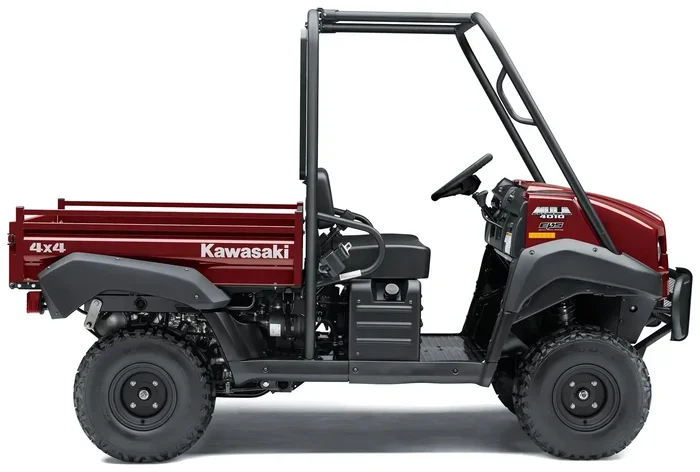
The Kawasaki Mule 4010 is a reliable utility vehicle, but it faces several common problems that owners should know about. From engine stalling and transmission issues to electrical glitches and brake wear, understanding these problems early saves time and money. This guide provides detailed solutions and practical maintenance tips for every Mule 4010 owner.
The Kawasaki Mule 4010 has earned a solid reputation as a tough, dependable utility vehicle. Whether you use it for farm work, hunting trips, or hauling supplies around your property, this machine handles a lot. But like any mechanical device, it has its weak spots. Kawasaki Mule 4010 common problems can pop up over time, and knowing what to watch for makes all the difference.
Many owners push their Mules hard without thinking about maintenance until something goes wrong. A small issue ignored today can become a big repair bill tomorrow. That is exactly why this guide exists. We will walk through the most frequent problems, explain what causes them, and give you clear steps to fix each one. By the end, you will feel confident tackling these issues yourself or knowing exactly what to tell your mechanic.
The Kawasaki Mule 4010 is not perfect, but it is far from a lemon. With the right knowledge and a little preventive care, you can keep it running smoothly for years. Let us dive into the problems and solutions that every Mule 4010 owner needs to know.
Key Takeaways
- Engine stalling and starting problems are among the most reported Kawasaki Mule 4010 common problems and are often fixable with simple maintenance.
- Transmission and clutch issues can be prevented with regular fluid checks and proper shifting techniques.
- Electrical and fuel system faults require timely diagnostics to avoid costly repairs down the road.
- Brake and suspension wear are normal over time but need regular inspection for safe operation.
- Routine maintenance is the single best way to prevent most Kawasaki Mule 4010 common problems.
📑 Table of Contents
- Engine Stalling and Starting Problems
- Transmission and Clutch Problems
- Electrical System Failures
- Fuel System Complications
- Brake and Suspension Wear
- Overheating and Cooling System Problems
- How to Prevent Kawasaki Mule 4010 Common Problems
- When to Call a Professional
- Common Mistakes Owners Make
- Expert Insights on Kawasaki Mule 4010 Reliability
- Final Thoughts
Engine Stalling and Starting Problems
Nothing is more frustrating than turning the key and hearing nothing. Or worse, the engine starts but dies almost immediately. Engine stalling is one of the top Kawasaki Mule 4010 common problems reported by owners. The good news is that most causes are easy to identify and fix.
Faulty Spark Plugs
Worn or dirty spark plugs are a leading cause of starting trouble. Over time, the electrode wears down and cannot create a strong enough spark. This leads to rough idling, misfires, and complete stalling. Replacing spark plugs is inexpensive and straightforward. You should check them every few months, especially if you use your Mule frequently.
Clogged Fuel Filter
A clogged fuel filter restricts fuel flow to the engine. When the engine does not get enough fuel, it stalls under load or fails to start altogether. Dirt, debris, and old fuel can all clog the filter. Replacing the fuel filter is a quick job and costs very little. Kawasaki Mule 4010 common problems like this are entirely preventable with regular filter changes.
Carburetor Issues
The carburetor mixes air and fuel in the right ratio for combustion. When it gets dirty or the jets become clogged, the engine runs lean or rich. Both conditions cause stalling. Cleaning the carburetor with a proper cleaner kit can restore smooth operation. In some cases, you may need to rebuild or replace the carburetor entirely.
Quick Tip: Always use fresh fuel and add a fuel stabilizer if your Mule sits for long periods. Stale fuel is one of the biggest causes of carburetor problems.
Transmission and Clutch Problems
The transmission system on the Kawasaki Mule 4010 handles a lot of work. It shifts power from the engine to the wheels, and over time, wear and tear can cause issues. Transmission problems are among the most serious Kawasaki Mule 4010 common problems because they affect drivability directly.
Difficulty Shifting Gears
Some owners report trouble shifting between gears. The transmission may grind or refuse to engage. This often points to low or contaminated transmission fluid. Check the fluid level regularly and change it according to the manufacturer’s schedule. Dirty fluid loses its lubricating properties and causes internal components to wear faster.
Clutch Slipping
A slipping clutch is another common complaint. You may notice the engine revving higher without a corresponding increase in speed. This happens when the clutch plates wear out or the clutch cable loses tension. Adjusting the cable can help in mild cases, but worn clutch plates will need replacement. Ignoring a slipping clutch can lead to complete transmission failure.
If you experience transmission problems that make driving unsafe, it is important to address them immediately. For more information on how transmission issues affect vehicle operation, check out this detailed guide on driving with transmission problems.
Preventive Maintenance for the Transmission
Regular fluid changes are the best defense against transmission issues. Use only the fluid recommended by Kawasaki. Also, avoid shifting into gear while the Mule is moving. These simple habits extend the life of your transmission significantly.
Electrical System Failures
The electrical system on any utility vehicle takes a beating. Vibrations, moisture, and heat all take a toll on wiring and components. Electrical problems on the Kawasaki Mule 4010 can range from minor annoyances to major safety concerns.
Battery Drain and Starting Failure
A weak or dead battery is one of the most common electrical issues. The battery may not hold a charge if the alternator is failing or if there is a parasitic draw somewhere in the system. Test your battery regularly, especially before the colder months. Clean the terminals to ensure a good connection and replace the battery every three to four years.
Faulty Wiring and Connectors
Over time, wiring harnesses can crack or corrode, especially in wet conditions. Loose connectors cause flickering lights, intermittent gauge readings, and even engine cutoffs. Inspect all visible wiring at least once a season. Replace any damaged wires immediately to prevent further electrical faults.
Dashboard Warning Lights
Dashboard warning lights exist for a reason. If you see the check engine light or any other alert on your Mule’s dash, do not ignore it. These signals point to specific problems that need attention. Use a compatible diagnostic scanner to read error codes, which will help you pinpoint the exact issue quickly.
Fuel System Complications
The fuel system delivers gasoline from the tank to the engine. When any part of this system fails, the Kawasaki Mule 4010 loses power, stalls, or refuses to start. Fuel system problems are among the most common Kawasaki Mule 4010 common problems that owners face.
Fuel Pump Failure
The fuel pump pushes gasoline from the tank to the engine. When it fails, the engine sputters or dies, especially under load. You may notice a whining noise from the tank area before the pump completely fails. Replacing a fuel pump is a moderate repair that requires some mechanical skill.
Dirty or Clogged Injectors
Fuel injectors spray precise amounts of fuel into the combustion chamber. When they become clogged with deposits, the engine runs rough and loses power. A fuel injector cleaner can often resolve minor clogs. For severe blockages, you may need to remove and professionally clean or replace the injectors.
Fuel Tank Vent Issues
A seemingly small problem like a blocked fuel tank vent can cause big headaches. The vent allows air to enter the tank as fuel is used. Without it, a vacuum forms and fuel cannot flow properly. Check the vent tube for blockages and clear any debris. This is one of those simple fixes that many owners overlook.
Quick Tip: Always turn off the fuel valve when storing your Mule for extended periods. This prevents fuel from flooding the carburetor and causing starting issues later.
Brake and Suspension Wear
The Kawasaki Mule 4010 carries heavy loads and handles rough terrain. The brakes and suspension absorb the most stress during these tasks. Regular inspection of these systems is essential for both performance and safety.
Brake Pad and Rotor Wear
Brake pads wear down over time, especially if you frequently haul heavy loads or ride in hilly areas. Worn pads reduce braking power and increase stopping distance. Inspect the pads regularly and replace them when they reach the minimum thickness. Also check the rotors for warping or scoring, which can cause vibration during braking.
Suspension Component Damage
The Mule 4010 uses a robust suspension system, but components like bushings, shocks, and ball joints can wear out. You may notice excessive bouncing, uneven tire wear, or a pulling sensation while driving. Replace worn shocks and bushings promptly. Ignoring suspension problems leads to poor handling and can damage other components.
Steering Linkage Issues
Loose or worn steering linkage affects your ability to control the Mule. Check for play in the steering column and tighten any loose bolts. Grease all linkage points regularly to prevent premature wear. Steering problems should never be ignored because they directly impact your safety.
Overheating and Cooling System Problems
Overheating can cause serious engine damage if not addressed quickly. The cooling system on the Kawasaki Mule 4010 keeps the engine at a safe operating temperature, and any failure in this system demands immediate attention.
Low Coolant Levels
Low coolant is one of the simplest reasons for overheating. Check the coolant reservoir regularly and top it off with the recommended coolant type. Frequent coolant loss may indicate a leak somewhere in the system that needs investigation.
Thermostat Failure
The thermostat regulates coolant flow through the engine. A stuck thermostat prevents proper circulation and causes overheating. Replacing a thermostat is a low-cost repair that can save you from expensive engine damage.
Radiator and Fan Issues
A clogged radiator or a failing cooling fan can also cause overheating. Clean the radiator fins of debris and check the fan clutch for proper operation. In hot weather or during heavy use, the cooling system works harder, so extra vigilance pays off.
Key Takeaway: The Kawasaki Mule 4010 common problems we have covered today all share one thing in common. Most are preventable with consistent maintenance and early attention to warning signs. Do not wait for a breakdown to take action.
How to Prevent Kawasaki Mule 4010 Common Problems
Prevention is always better than repair. A little effort goes a long way in keeping your Mule 4010 in top shape. Here is a practical maintenance schedule to follow.
Daily and Weekly Checks
- Check engine oil level before every use
- Inspect tires for proper inflation and wear
- Look for visible leaks under the vehicle
- Test all lights and signals
- Listen for unusual noises during operation
Monthly Maintenance
- Change the engine oil and oil filter
- Inspect the air filter and clean or replace it
- Check the transmission fluid level
- Grease all fittings and pivot points
- Test the battery voltage
Seasonal Maintenance
- Replace the spark plugs
- Flush and refill the coolant system
- Inspect the brake system thoroughly
- Check the fuel lines and connections
- Have the suspension components professionally inspected
Following this schedule dramatically reduces the chance of encountering Kawasaki Mule 4010 common problems. It also extends the overall lifespan of your vehicle. Think of maintenance as an investment that pays off in reliability and performance.
For owners who want to learn more about keeping their utility vehicles in peak condition, our Kawasaki Mule maintenance guide offers additional insights and best practices.
When to Call a Professional
While many Kawasaki Mule 4010 common problems can be handled with basic tools and some mechanical knowledge, some issues require professional expertise. Knowing when to call a mechanic saves you time, money, and potential safety risks.
If you notice grinding noises from the transmission, significant power loss, or persistent overheating despite topping off coolant, it is time to seek professional help. Complex electrical faults, internal engine damage, and major brake system failures are best left to trained technicians. A qualified mechanic has the diagnostic tools and experience to identify problems that may not be visible on the surface.
Do not hesitate to consult a professional for anything beyond routine maintenance. Trying to fix a serious problem without the right skills can turn a small repair into a major expense. Use your judgment and prioritize safety above all else.
Common Mistakes Owners Make
Even the best owners make mistakes. Here are some common errors that lead to Kawasaki Mule 4010 common problems:
- Ignoring warning signs. A small noise or slight performance drop often signals a bigger problem developing.
- Skipping regular maintenance. Skipping oil changes or filter replacements accelerates wear on every component.
- Using low-quality fuel or parts. Cheap fuel and aftermarket parts may save money short-term but cause long-term damage.
- Overloading the Mule. Exceeding the recommended payload strains the engine, transmission, and suspension.
- Neglecting fluid changes. Old transmission fluid, coolant, and engine oil lose their effectiveness over time.
Avoiding these mistakes puts you ahead of most Mule 4010 owners. Simple discipline in maintenance and usage goes a long way.
Expert Insights on Kawasaki Mule 4010 Reliability
Experienced mechanics and long-time Mule owners agree on one thing: the Kawasaki Mule 4010 is a workhorse when properly maintained. The engine and drivetrain are built to handle tough conditions, but they need consistent care. Many of the Kawasaki Mule 4010 common problems we discussed stem from neglect rather than design flaws.
Experts recommend keeping a maintenance log for your Mule. Recording every oil change, fluid check, and repair helps you spot patterns and stay ahead of issues. This simple habit transforms you from a reactive owner into a proactive one. Your Mule will reward you with years of dependable service.
For broader insights on utility vehicle troubleshooting, check out this resource on common UTV problems and solutions that covers similar issues across different brands and models.
Final Thoughts
The Kawasaki Mule 4010 remains one of the best utility vehicles on the market. It is versatile, powerful, and built to handle demanding tasks. But every machine needs attention. Understanding Kawasaki Mule 4010 common problems and their solutions empowers you to take control of your vehicle’s health.
From engine stalling to brake wear, each problem we covered has a clear path to resolution. The key is to catch issues early and address them before they escalate. Regular maintenance, quality parts, and attentive driving habits form the foundation of a long-lasting Mule.
Keep this guide handy. Refer back to it whenever you notice something unusual with your vehicle. With the right knowledge, you can keep your Kawasaki Mule 4010 running strong for many seasons to come.
For more detailed troubleshooting advice on engine-related issues, visit our guide on how to troubleshoot engine problems that covers diagnostic steps for various vehicle types.
Frequently Asked Questions
What are the most common Kawasaki Mule 4010 common problems?
The most frequently reported issues include engine stalling, transmission difficulty, electrical failures, fuel system clogs, and brake wear. Most of these problems are preventable with regular maintenance and timely attention to warning signs.
Why does my Kawasaki Mule 4010 keep stalling?
Stalling is often caused by dirty spark plugs, a clogged fuel filter, or carburetor problems. Check these components first when you notice stalling. Fresh fuel and regular filter changes can prevent most stalling issues.
How often should I change the transmission fluid in my Mule 4010?
Kawasaki recommends changing the transmission fluid every 600 hours of operation or at least once a year. More frequent changes are beneficial if you use your Mule in demanding conditions or haul heavy loads regularly.
Can I fix electrical problems on my Kawasaki Mule 4010 myself?
Minor electrical issues like cleaning battery terminals or replacing a fuse are DIY-friendly. However, complex wiring faults or alternator problems are best handled by a professional mechanic to avoid safety risks and further damage.
What causes the Kawasaki Mule 4010 to overheat?
Overheating is typically caused by low coolant levels, a faulty thermostat, or a clogged radiator. Check the coolant level first and inspect the radiator for debris. Address overheating immediately to prevent engine damage.
How can I prevent Kawasaki Mule 4010 common problems?
Follow a consistent maintenance schedule, use quality fuel and parts, and never ignore warning signs. Regular oil changes, fluid checks, and component inspections keep your Mule 4010 running reliably for years.
=== CONCLUSION ===
Kawasaki Mule 4010 common problems are manageable when you know what to look for and how to fix them. From engine stalling to brake wear, every problem we covered has a clear solution. The best approach combines regular maintenance with prompt attention to any warning signs your vehicle gives you.
Take the time to follow the maintenance schedule outlined in this guide. Your Mule 4010 will reward you with dependable performance and a long service life. Stay proactive, stay informed, and enjoy every ride in your Kawasaki Mule 4010.