Original Pioneer Car Stereo Everything You Need to Know
The original Pioneer car stereo changed the way we enjoy music on the road. Pioneer has been a trusted name in car audio for decades, offering reliable and innovative car stereo head units. This guide covers the history, top models, installation tips, and everything else you need to know about these iconic car entertainment systems.
There is something special about the original Pioneer car stereo. These units defined an era of car audio. They brought music into our daily drives in a way that was simple, reliable, and surprisingly powerful for their time. Whether you are a car audio enthusiast looking to restore a classic ride or someone who just wants to understand why Pioneer became such a big name, this guide has you covered.
The original Pioneer car stereo represents more than just a gadget. It is a piece of car stereo history. Pioneer Corporation, a Japanese electronics company, started making car radios in the 1950s. From those early days, they built a reputation for quality car sound systems that drivers around the world trusted. Today, the original Pioneer car stereo remains a favorite among collectors and retro car owners alike.
In this article, we will dive deep into the world of Pioneer car stereos. You will learn about the brand’s history, the most popular models, how to choose the right unit, and tips for installation and care. We will also share common mistakes to avoid and expert insights that can save you time and money. By the end, you will know everything you need about the original Pioneer car stereo.
Key Takeaways
- Pioneer pioneered car audio innovation: The brand helped shape the entire car stereo industry with early dash-mounted designs and reliable car radio tuners.
- Vintage Pioneer car stereos hold value: Original Pioneer car stereo units from the 1970s and 1980s are highly sought after by collectors and car audio enthusiasts.
- Choosing the right model matters: Understanding your vehicle and sound preferences helps you pick the best Pioneer car stereo for your needs.
- Installation is straightforward: Most original Pioneer car stereo units can be installed with basic tools and a little patience.
- Maintenance keeps them running: Regular cleaning and proper care extend the life of your vintage Pioneer car stereo.
- Aftermarket parts are available: You can upgrade speakers, amplifiers, and other components to modernize your classic Pioneer setup.
📑 Table of Contents
- What Is an Original Pioneer Car Stereo?
- The History and Legacy of Pioneer Car Stereos
- Popular Original Pioneer Car Stereo Models
- How to Choose the Right Pioneer Car Stereo for Your Vehicle
- Installation Tips and Best Practices
- Maintaining and Troubleshooting Your Pioneer Car Stereo
- Upgrading Your Original Pioneer Car Stereo
- Why the Original Pioneer Car Stereo Still Matters Today
What Is an Original Pioneer Car Stereo?
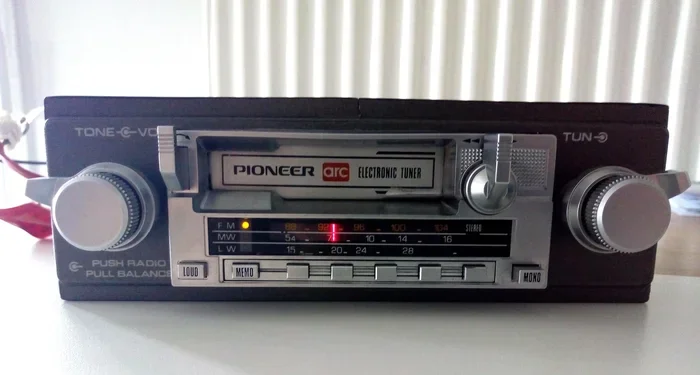
The original Pioneer car stereo refers to the early car stereo units made by Pioneer Corporation. These were the first dash-mounted car radios and music players designed for everyday vehicles. They were different from the bulky home audio systems of the time. Pioneer made them compact, durable, and easy to use.
A car stereo head unit is the main control center of your car entertainment system. It is the piece that sits in your dash. It lets you tune into radio stations, play cassette tapes, and later, CDs. The original Pioneer car stereo was one of the first to bring this kind of convenience to regular drivers. Before these units, car radios were basic and limited.
Today, when people talk about a vintage car stereo or a classic car stereo, they often mean the early Pioneer models. These units featured simple dials, AM radio car radio tuners, and later FM capability. Some models even offered basic cassette playback. They were the foundation of what we now call the modern car audio system.
Key Features of Early Pioneer Car Stereos
The original Pioneer car stereo came with several features that stood out. Here are some of the most notable ones:
- Compact dash design: Pioneer made their units fit standard dash openings. This was a big deal at the time.
- Reliable car radio tuner: Early models offered solid AM reception. Later versions added FM bands.
- Cassette playback: Many Pioneer stereos included cassette decks, which were the norm in the 1970s and 1980s.
- Durable build quality: Pioneer used quality materials. These units were built to last in hot cars and cold climates.
- Simple controls: Large buttons and clear dials made them easy to operate while driving.
If you have ever seen an old car with a sleek Pioneer unit on the dash, you know exactly what we mean. The original Pioneer car stereo was designed with the driver in mind. It was not just about sound. It was about creating a better driving experience through music.
The History and Legacy of Pioneer Car Stereos
The car stereo history would not be the same without Pioneer. The company, founded in Japan in 1938, entered the car audio market in the 1950s. Their first car radio was a game changer. It was smaller and more reliable than anything else on the market at the time. This launched Pioneer on a path to becoming one of the most recognized car stereo brands in the world.
By the 1960s and 1970s, Pioneer was releasing new Pioneer car stereo models every few years. Each model brought improvements. Better sound quality. More features. Sleeker designs. The original Pioneer car stereo evolved from a simple AM radio into a full-featured car entertainment system. Drivers could now enjoy their favorite music stations and cassette tapes with impressive clarity.
Pioneer also pushed the boundaries of what a dash-mounted stereo could do. They introduced models with built-in amplifiers. Some units could power car speakers directly without needing a separate car amplifier. This was a big deal for car audio enthusiasts who wanted great sound without a complicated setup.
Why Pioneer Stood Out
Several factors helped Pioneer rise above the competition in the car stereo brand market:
- Innovation: Pioneer was always the first to introduce new features. They were early adopters of FM tuning, cassette decks, and later CD players.
- Quality: Their units were built to last. Many original Pioneer car stereos from the 1970s still work today.
- Affordability: Pioneer offered great value. You did not need to spend a fortune to get a quality car stereo receiver.
- Global reach: Pioneer sold their aftermarket car stereo units worldwide. This made them a household name in car audio.
The legacy of the original Pioneer car stereo lives on today. Even though modern units are digital and packed with smart features, many drivers still love the feel and sound of a classic Pioneer unit. There is a certain warmth and character to the audio that newer systems sometimes lack.
Expert Insight
According to car audio historians, Pioneer’s early focus on car stereo installation ease was a major factor in their success. They made sure every unit came with clear wiring diagrams and mounting kits. This lowered the barrier for everyday drivers to upgrade their car sound system.
Popular Original Pioneer Car Stereo Models
Over the years, Pioneer released many memorable Pioneer car stereo models. Some became legendary among collectors. Others set the standard for what a car stereo receiver should be. Here are some of the most notable original Pioneer car stereo units you should know about.
The Pioneer AM-FM Car Radios (1960s-1970s)
The earliest widely popular Pioneer units were simple AM-FM car radios. These were the go-to car audio upgrade for millions of drivers. They featured:
- Dual speaker support for fuller sound
- Separate bass and treble controls
- Compact designs that fit most standard dashboards
- Bright, easy-to-read tuning dials
These units proved that a vintage car stereo could deliver enjoyable listening. Many drivers upgraded from factory car radios to Pioneer units and noticed an immediate difference in sound quality.
The Pioneer Cassette Deck Models (1970s-1980s)
When cassette tapes became popular, Pioneer was ready. They released several original pioneer car stereo models with built-in cassette players. These were hugely popular. Drivers could now play their favorite mixtapes right from the dash. Pioneer’s cassette mechanisms were known for being reliable and smooth.
Some of the most beloved models from this era include the Pioneer SX series and the Pioneer DMH series. These units offered:
- High-quality tape playback with minimal noise
- Dual cassette decks for recording and playback
- Front panel removability for security
- Built-in equalizers for custom sound tuning
The Pioneer CD and Receiver Models (1980s-1990s)
As CDs took over, Pioneer adapted quickly. Their CD-equipped original pioneer car stereo units brought digital sound quality to the car. These models were a hit with car audio enthusiasts who wanted crisp, clear music on every drive.
The car stereo head unit evolved during this period. Pioneer added features like:
- Digital tuning for more precise station selection
- Remote controls for easier operation
- Multiple CD changers for extended playlists
- Enhanced car amplifier compatibility
Each new model built on the success of the last. The original Pioneer car stereo line became a benchmark that other car stereo brands tried to match.
How to Choose the Right Pioneer Car Stereo for Your Vehicle
Choosing the right original pioneer car stereo for your vehicle depends on several factors. Whether you are restoring a classic car or upgrading a daily driver, the right unit makes all the difference. Let us walk through the key things to consider.
Consider Your Vehicle Type
Not every original pioneer car stereo fits every car. Older vehicles from the 1960s through 1980s often use standard dash sizes. However, some models require specific mounting kits. Before you buy, check the following:
- Dash size: Measure your dash opening. Most vintage Pioneer units use a standard 1-DIN or 2-DIN size.
- Year and model: Some Pioneer units were designed for specific vehicle makes and models. Check compatibility before purchasing.
- Speaker wiring: Make sure your vehicle’s speaker wiring matches the unit’s output. This affects car stereo installation ease.
Think About Your Sound Goals
What do you want from your car sound system? Your answer should guide your choice. Here are some common goals and the Pioneer models that fit them:
- Classic radio listening: Go for a simple AM-FM Pioneer unit from the 1960s or 1970s. These deliver clean, nostalgic sound.
- Cassette tape playback: Look for models from the 1970s-1980s with built-in cassette decks. Great for mixtape lovers.
- CD quality sound: Choose a Pioneer CD receiver from the 1980s-1990s for digital clarity.
- Modern upgrades: Some people pair a vintage Pioneer unit with modern car speakers and a small car amplifier for the best of both worlds.
Budget Considerations
The price of an original pioneer car stereo varies widely. Common models from the 1980s can be found for under $100. Rare or limited-edition Pioneer car stereo models from the 1960s and 1970s can cost several hundred dollars or more. Set a budget before you shop, and stick to it. Remember that restoration costs, if needed, should also be factored in.
Quick Tips for Choosing
- Always check the condition of the unit before buying. Look for cracks, rust, or missing buttons.
- Buy from reputable sellers who specialize in vintage car audio.
- Test the unit if possible. A working original pioneer car stereo is worth more than one that needs repair.
- Consider buying a non-working unit and restoring it yourself if you enjoy hands-on projects.
Installation Tips and Best Practices
Installing an original pioneer car stereo can be a rewarding project. It does not require professional skills, but it does need patience and attention to detail. Follow these tips for a smooth car stereo installation experience.
Gather Your Tools First
Before you start, make sure you have the right tools on hand. Here is a basic list:
- Screwdrivers (Phillips and flathead)
- Wire strippers and crimpers
- A wiring harness adapter
- A dash kit specific to your vehicle
- Multimeter for testing connections
- Electrical tape and zip ties
Step-by-Step Installation Guide
- Disconnect the battery: Always disconnect the negative terminal first. Safety comes first when working with car electronics.
- Remove the old unit: Unscrew the old stereo and carefully pull it out. Note how the wires are connected.
- Install the dash kit: The dash kit ensures your original pioneer car stereo fits snugly into your dashboard. It also protects the surrounding area.
- Connect the wiring harness: Match the wires from your vehicle to the wiring harness adapter. Use color codes as your guide.
- Mount the unit: Slide the Pioneer stereo into the dash kit. Secure it with the provided screws.
- Reconnect the battery: Once everything is connected, reconnect the battery and test the unit.
- Test all functions: Check AM/FM tuning, cassette playback (if applicable), volume, and balance controls.
Common Mistakes to Avoid
Even experienced DIYers can make mistakes during car stereo installation. Here are some common ones to watch out for:
- Skipping the dash kit: This can lead to a loose fit and rattling noises while driving.
- Mismatching wires: Always double-check your wiring connections before powering on the unit.
- Forgetting to ground the unit: A poor ground connection causes static and poor sound quality.
- Over-tightening screws: This can crack the plastic trim or damage the unit’s housing.
Expert Insight
Many car audio shops offer free or low-cost installation for vintage units. If you are not comfortable doing it yourself, this is a great option. A proper car stereo installation ensures your original pioneer car stereo sounds its best and lasts for years.
Maintaining and Troubleshooting Your Pioneer Car Stereo
Once your original pioneer car stereo is installed, proper maintenance keeps it sounding great. Vintage units need a little extra care compared to modern digital systems. Here is how to keep your Pioneer unit in top shape.
Regular Cleaning
Dust and grime build up over time, especially in older units. Use a soft, dry cloth to wipe down the exterior. For stubborn dirt, slightly dampen the cloth with water. Never use harsh chemicals or abrasive cleaners on your vintage car stereo. These can damage the finish and plastic parts.
For the cassette deck, use a cleaning tape every few months. This keeps the playback heads clean and ensures smooth tape movement. For CD models, gently clean the laser lens with a specialized cleaner.
Common Issues and How to Fix Them
Over the years, original pioneer car stereo units may develop a few common issues. Here are some of them and their solutions:
- No power: Check the fuse first. A blown fuse is the most common cause. Replace it with the correct rating.
- Static or poor reception: This often means a grounding issue. Check the ground wire and reconnect it firmly.
- Cassette tape jams: Clean the tape heads and pinch rollers with isopropyl alcohol. Replace worn parts if needed.
- Volume drops at high levels: This could indicate a failing capacitor. Consider taking the unit to a specialist for repair.
- Buttons sticking or not responding: Clean the buttons with contact cleaner spray. Replace the front panel if the issue persists.
When to Seek Professional Help
Some repairs are best left to the professionals. If your original pioneer car stereo has internal electrical issues, a cracked circuit board, or a broken tuner, professional repair is the safest option. Many specialists focus specifically on vintage car audio and can bring your unit back to life.
Quick Maintenance Tips
- Store the unit in a dry place if the car is not used often.
- Use a sunshade to protect the stereo from direct sunlight and heat.
- Periodically play music through the unit to keep the capacitors and electronics in good condition.
- Keep spare fuses and common replacement parts on hand.
The original pioneer car stereo is more than just a piece of equipment. It is a part of automotive culture. Taking care of it honors the legacy of one of the most important names in car audio history. With the right maintenance, your Pioneer unit can provide great sound for decades to come.
Upgrading Your Original Pioneer Car Stereo
While many people love the original pioneer car stereo exactly as it was, others enjoy enhancing its capabilities. Upgrading does not mean replacing the unit. It means adding modern components that work alongside your vintage Pioneer setup.
Upgrade Your Car Speakers
The car speakers that came with older vehicles were often basic. Upgrading to modern speakers can dramatically improve the sound of your original pioneer car stereo. Look for speakers that match the impedance and power rating of your unit. Coaxial speakers are a popular choice for easy installation.
Add a Car Amplifier
If you want more volume and richer bass, consider adding a small car amplifier. The original pioneer car stereo may have a built-in amplifier, but an external amp gives you more power and control. This is especially helpful if you have upgraded your car speakers to higher-performance models.
Use Modern Adapters for Modern Sources
One challenge with vintage units is playing modern music. You can solve this with adapters. A Bluetooth receiver that plugs into the auxiliary input lets you stream music wirelessly. An FM transmitter can broadcast your phone’s audio to the Pioneer unit’s FM frequency. These small additions bring your original pioneer car stereo into the modern age without losing its classic charm.
Keep the Original Look
Part of the appeal of the original pioneer car stereo is its vintage look. When upgrading, try to keep the original aesthetic. Use adapters that hide behind the unit. Choose speakers that fit the dash without altering the classic appearance. This way, you get better sound without losing the retro vibe that makes these units so special.
Why the Original Pioneer Car Stereo Still Matters Today
The original pioneer car stereo holds a special place in the world of car audio. It was one of the first brands to make car music accessible and enjoyable for everyday drivers. Its impact on the industry cannot be overstated. Pioneer helped define what a car entertainment system should be.
Today, the original pioneer car stereo continues to inspire. Car shows feature restored vehicles with vintage Pioneer units on the dash. Online communities of car audio enthusiasts share tips on finding, restoring, and using these classic stereos. The demand for authentic Pioneer car stereo models remains strong, especially among collectors and retro car owners.
Whether you are drawn to the original pioneer car stereo for its sound quality, its nostalgic appeal, or its historical significance, there is no denying its importance. It represents a time when car audio was simple, honest, and built to last. In a world of rapidly changing technology, the Pioneer car stereo stands as a reminder of the foundations of car stereo history.
If you have never experienced the sound of an original pioneer car stereo, we encourage you to try one. Visit a local car audio shop, check online marketplaces for vintage units, or attend a car show. Hearing that classic Pioneer sound for yourself is an experience you will not forget. It is warm, clear, and full of character. Once you hear it, you will understand why so many people are passionate about these iconic car stereos.
The original pioneer car stereo is more than a product. It is a legacy. And for car lovers everywhere, that legacy continues to play on.
Frequently Asked Questions
What makes the original Pioneer car stereo different from modern units?
The original Pioneer car stereo was designed with analog components, simple controls, and a focus on durability. Modern units are digital, packed with smart features, and often connect to smartphones. The original units have a warm, classic sound and a nostalgic aesthetic that many car audio enthusiasts prefer over the more complex modern alternatives.
How do I know if my Pioneer car stereo is an original unit?
Check the model number on the back or inside the unit. Original Pioneer car stereos from the 1960s through the 1990s have distinct model numbers and serial codes. You can cross-reference these with Pioneer’s historical records or online databases. Authentic units also feature Pioneer’s signature build quality and branding on the faceplate.
Can I still find replacement parts for an original Pioneer car stereo?
Yes, many replacement parts are still available. Common items like fuses, knobs, and wiring harnesses can be found through specialty vintage car audio retailers. Some enthusiasts also reproduce rare parts. Online forums and communities dedicated to classic car stereos are excellent resources for finding hard-to-source components.
Is it worth restoring a non-working original Pioneer car stereo?
Absolutely. Restoring a non-working original pioneer car stereo can be a rewarding project. Many units can be brought back to life with basic cleaning, capacitor replacement, and tuner repairs. The restored value, both sentimental and monetary, often exceeds the cost of restoration, especially for rare models.
What is the best way to store an original Pioneer car stereo when not in use?
Store the unit in a cool, dry place away from direct sunlight. If the car is parked for long periods, disconnect the stereo to prevent battery drain. Use a breathable cloth cover to protect it from dust. Periodically power on the unit to keep the internal electronics active and prevent capacitor degradation.
Can I connect modern speakers to an original Pioneer car stereo?
Yes, you can connect modern speakers to an original pioneer car stereo. Just make sure the speaker impedance matches the unit’s output rating. Most original Pioneer units work well with 4-ohm or 8-ohm speakers. Upgrading speakers is one of the easiest ways to improve the sound quality of a vintage Pioneer setup without replacing the unit itself.
=== CONCLUSION ===
The original pioneer car stereo represents a golden era of car audio. From the early AM-FM radios to the cassette and CD models that followed, Pioneer shaped how we listen to music in our vehicles. These units were built with care, designed with the driver in mind, and engineered to last. Whether you are a collector, a restorer, or simply someone who appreciates great car sound, the original pioneer car stereo has something to offer.
We have covered the history, the popular models, installation tips, maintenance advice, and upgrade options. You now have a thorough understanding of what makes these units so special. The key is to appreciate the craftsmanship, choose the right model for your needs, and care for your unit properly. With the right knowledge and a little effort, you can enjoy the timeless sound of a classic Pioneer car stereo for many years to come.
So go ahead, explore the world of original Pioneer car stereos. Whether you buy one, restore one, or simply learn more about them, you are joining a community of passionate car audio lovers. The road ahead sounds great with Pioneer on the dial.