Should I Lease a Maserati Find Out If It Makes Sense
Leasing a Maserati lets you enjoy Italian luxury without the steep upfront cost. You get lower monthly payments, new tech every few years, and full warranty coverage. But watch out for mileage limits, maintenance costs, and long-term expenses that can add up fast.
Should you lease a Maserati? It is a question many car lovers ask. A Maserati turns heads wherever you go. The sleek Italian design, the powerful engine, the luxury inside. It all screams status and style. But leasing a luxury car is not like leasing a Honda Civic. There are costs, terms, and surprises you need to know about before you sign on the dotted line.
This guide walks you through everything. We will look at Maserati lease costs, terms, and what to watch out for. By the end, you will know if leasing a Maserati makes sense for your wallet and your lifestyle. Let us get into it.
Key Takeaways
- Lower Monthly Payments: Leasing a Maserati costs less each month than financing a purchase.
- Warranty Protection: Most repairs are covered during your lease term.
- Mileage Limits Matter: Going over your annual mileage cap means extra fees at the end.
- Gap Insurance Is Smart: It protects you if your Maserati gets totaled or stolen.
- Credit Score Matters: Your credit score directly affects your lease approval and rate.
- Lease End Options: You can return the car, buy it, or lease a new model.
- Maintenance Costs Add Up: Luxury car upkeep can be pricey even during a lease.
📑 Table of Contents
What Does It Cost to Lease a Maserati?
The cost of leasing a Maserati depends on the model you pick. Each Maserati model has different price tags and lease rates. Here is a quick look at popular Maserati models and their rough lease costs:
- Maserati Ghibli: Starting around $700 to $900 per month
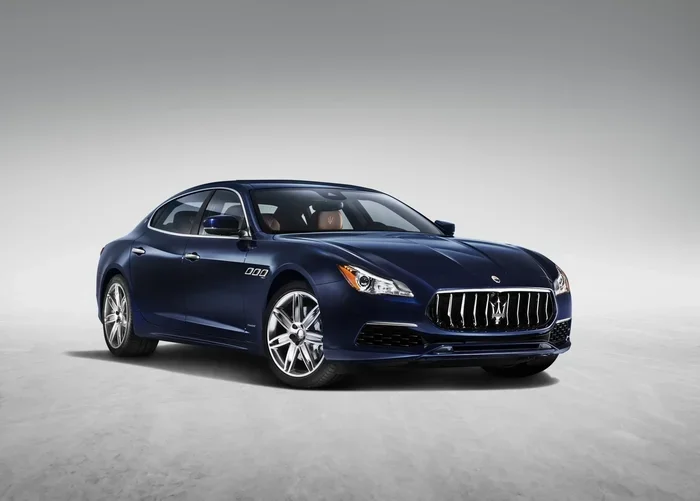
- Maserati Quattroporte: Starting around $1,000 to $1,400 per month
- Maserati Levante: Starting around $800 to $1,100 per month
- Maserati MC20: Starting around $1,500 to $2,000+ per month
These numbers change based on your credit score, lease term, and down payment. A higher credit score gets you better rates. A longer lease term lowers your monthly payment. A bigger down payment reduces what you owe each month too.
But the monthly payment is not the only cost. You also need to think about insurance. Luxury car insurance costs more than regular car insurance. You should get a car insurance quote before you lease so you know what to expect.
Also, Maserati maintenance is expensive. Even though your warranty covers most repairs during the lease, tires, brakes, and wipers are not covered. You will pay for those out of pocket.
Down Payment and Fees
Most Maserati leases ask for a down payment. This is also called a capitalized cost reduction. It can range from $2,000 to $10,000 or more. The more you put down, the lower your monthly payment will be.
But here is the thing. Putting a lot of money down on a lease is risky. If the car gets totaled early, you could lose your down payment. That is why many experts suggest putting only a small amount down on a lease. Keep your cash safe.
There are also acquisition fees and disposition fees. Acquisition fees are charged when you start the lease. Disposition fees are charged when you return the car at the end. These fees typically range from $300 to $1,000 each. Always ask the dealer to explain every fee before you sign.
Maserati Lease Terms You Should Know
Understanding lease terms is very important. When you lease a car, you are renting it for a set period. Here are the key terms you will see in any Maserati lease agreement.
Lease Term Length
Most Maserati leases run for 24 to 36 months. Some dealers offer 48-month leases too. Shorter lease terms mean higher monthly payments. Longer lease terms mean lower payments but you are locked in longer.
A 36-month lease is the sweet spot for most people. It keeps your payments manageable. And it lets you get a new car every three years. If you love driving the latest Maserati models, a 36-month lease is a great choice.
Mileage Limits
Every lease has a mileage cap. Most Maserati leases allow 10,000 to 15,000 miles per year. If you go over that limit, you pay a fee. The overage fee is usually $0.25 to $0.35 per mile.
So if you drive 20,000 miles in a year with a 10,000-mile cap, you owe $2,500 to $3,500 in overage fees at the end of the lease. That adds up fast. Be honest about how much you drive before you choose a lease.
Money Factor and Interest
Leases use something called a money factor instead of an interest rate. It looks like a small decimal number, like 0.0025. To convert it to an APR, multiply by 2,400. A money factor of 0.0025 equals about a 6% APR.
Shop around for the lowest money factor you can find. Your credit score plays a big role here. If your score is below 700, you might face higher money factors. People with lower credit scores who want to lease should check if they qualify through programs like leasing with bad credit.
Lease vs Buy: Which Is Better for a Maserati?
This is one of the biggest decisions you will make. Leasing and buying a Maserati are very different. Let us compare them side by side.
| Factor | Leasing | Buying |
|---|---|---|
| Monthly Payment | Lower | Higher |
| Upfront Cost | Lower | Higher |
| Ownership | No ownership | You own the car |
| Warranty Coverage | Full coverage during lease | Warranty ends after few years |
| Mileage Limits | Yes, strict limits | No limits |
| Customization | Limited | Full freedom |
| Long-Term Cost | Higher over time | Lower over time |
Leasing makes sense if you want a new Maserati every few years. You get the latest tech, the latest safety features, and the latest design. You also avoid the hassle of selling the car later.
Buying makes sense if you plan to keep a car for a long time. After you pay off the loan, you own the car free and clear. You can drive it as much as you want. You can customize it however you like.
One thing to keep in mind. Maseratis depreciate fast. A new Maserati can lose 40% to 50% of its value in the first five years. When you lease, the dealer absorbs that depreciation hit. That is one reason lease payments are lower.
But if you buy and plan to keep the car long enough, the depreciation stops mattering. You just drive it and enjoy it. Either way, Maserati depreciation is something you should understand before you decide.
Common Maserati Lease Mistakes to Avoid
Leasing a luxury car comes with pitfalls. Many people make mistakes that cost them money. Here are the most common ones to watch out for.
Not Reading the Fine Print
The lease contract is full of details. Some of them are easy to miss. For example, there may be rules about modifications. You might not be allowed to change the wheels, add a body kit, or tint the windows. Read every page before you sign.
Underestimating Insurance Costs
Luxury cars cost more to insure. A Maserati will raise your insurance premium significantly. Get an insurance quote before you lease so there are no surprises. You can get a quote even without owning the car yet through services that offer car insurance quotes without a car.
Ignoring Gap Insurance
Gap insurance is critical when you lease a luxury car. It covers the difference between what you owe and what the car is worth if it gets totaled or stolen. Without gap insurance, you could owe thousands of dollars on a car that is gone.
Some lease agreements include gap insurance automatically. Others do not. Always ask about it. You can also explore standalone gap insurance options. To learn more about insurance protection, check out this guide on gap insurance for used cars.
Going Over Mileage Limits
This is the number one lease mistake. People underestimate how much they drive. If you have a long commute or love road trips, choose a higher mileage cap. Paying for extra miles upfront is usually cheaper than paying overage fees at the end.
Skipping the End-of-Lease Inspection
Before you return the car, get a pre-inspection. The dealer will check for excess wear and damage. If you know about issues ahead of time, you can fix them before the final inspection. This saves you from surprise charges.
Is Leasing a Maserati Worth It? Expert Insights
So, is leasing a Maserati actually worth it? The answer depends on your situation. Let us break it down.
Leasing is worth it if you:
- Want to drive a luxury car with lower monthly payments
- Love getting a new car every 2 to 3 years
- Drive within the mileage limits
- Want full warranty coverage for repairs
- Do not want the hassle of selling a car later
Leasing is not worth it if you:
- Drive more than 15,000 miles per year
- Want to own your car outright
- Have a very tight budget for maintenance
- Want to customize your vehicle
- Plan to keep the car for more than 5 years
One thing people often overlook is the luxury car ownership costs. Beyond the lease payment, you need to budget for insurance, fuel, tires, brakes, and regular maintenance. Maserati parts are expensive. Finding a qualified mechanic can be a challenge too.
Some people wonder if they can take a loan against their car even while leasing. The answer is generally no, since you do not own the vehicle during a lease. If you are exploring financing options, learn more about taking a loan against your car to understand your options.
Maserati Reliability and Long-Term Costs
Maseratis are beautiful, but they are not known for reliability. They have more problems than mainstream brands like Toyota or Honda. During a lease, the warranty covers most repairs. But once the lease ends, owning a Maserati long-term can be expensive.
This is another reason leasing makes sense for many people. You return the car before major repairs start. You never deal with the high cost of ownership. You just hand back the keys and walk away.
Final Verdict: Should You Lease a Maserati?
Leasing a Maserati can be a fantastic experience. You get to drive one of the most beautiful cars on the road. You enjoy luxury features and powerful performance. And your monthly payments are manageable.
But it is not for everyone. If you drive a lot, own the car long-term, or have a tight budget, leasing might not be the best choice. You need to be honest about your driving habits, your finances, and what you want from a car.
Before you lease, do your homework. Get quotes from multiple dealers. Read the contract carefully. Understand every fee and term. Budget for insurance and maintenance. And always consider gap insurance to protect yourself.
If you are ready to take the leap, a Maserati lease can be a thrilling way to experience Italian luxury. Just go in with your eyes open and a solid plan. The drive of your life awaits.
Frequently Asked Questions
Can I lease a Maserati with bad credit?
It is possible but challenging. Most luxury car leases require a credit score of at least 700. If your score is lower, you may face higher interest rates or need a larger down payment. Some dealers work with special financing programs for people with lower credit scores.
What happens at the end of a Maserati lease?
You have three options. You can return the car and walk away. You can purchase the car at the residual value set in your contract. Or you can lease a new Maserati model. Make sure to schedule a pre-inspection before returning the car to avoid extra charges.
How much does Maserati insurance cost per month?
Insurance costs vary based on your location, driving history, and coverage level. On average, Maserati insurance can add $200 to $400 per month to your expenses. Always get a quote before you commit to a lease so you know the full cost.
Can I modify my leased Maserati?
Most lease agreements do not allow modifications. You cannot change the wheels, add spoilers, or tint the windows without permission. Any modifications must be removed before you return the car. Always check your lease contract for modification rules.
Is gap insurance included with a Maserati lease?
It depends on the dealer and the lease agreement. Some leases include gap insurance automatically. Others do not. Always ask about gap insurance before signing. It protects you if the car is totaled or stolen and you still owe money on the lease.
What is the best Maserati model to lease?
The Maserati Ghibli and Levante are the most popular lease options. They offer a good balance of luxury, performance, and lease cost. The Ghibli is a sedan, and the Levante is an SUV. Both come with strong warranty coverage during the lease period.
=== CONCLUSION ===
Leasing a Maserati is a great way to enjoy Italian luxury without the full cost of ownership. You get lower payments, warranty coverage, and a new car every few years. But you need to understand the terms, budget for extra costs, and avoid common lease mistakes.
Weigh the pros and carefully. Consider your driving habits, your credit score, and your long-term goals. If you do your homework and go in prepared, leasing a Maserati can be an amazing experience. The key is to make an informed decision that fits your lifestyle and budget.