Why Does My Tesla Smoke When Charging at a Supercharger
A Tesla smoking while charging at a Supercharger is alarming but usually has a clear explanation. Common causes include battery thermal management issues, charging cable problems, or minor venting during fast DC charging. Most incidents are minor and resolvable, but knowing what to do in the moment keeps you and your vehicle safe.
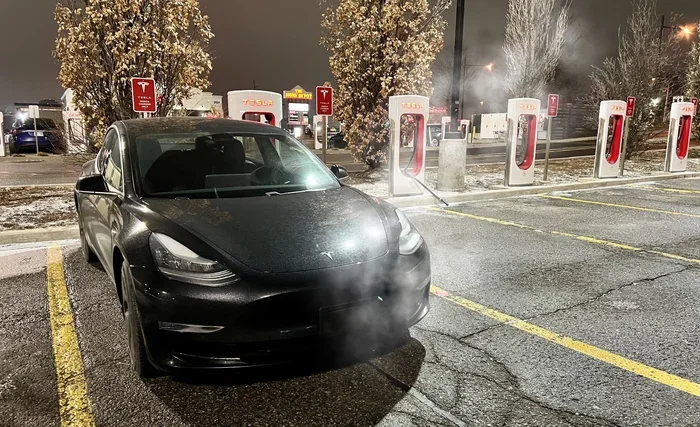
You pull up to a Tesla Supercharger, plug in your car, and then you see it — smoke coming from your Tesla. Your heart drops. Your mind races. Is the car on fire? Is it going to explode? Take a breath. In most cases, a Tesla smoking while charging at a Supercharger is not the catastrophic event it looks like.
This guide breaks down every reason your Tesla might smoke during charging. We cover battery behavior, charging cable issues, thermal management, and what you should do right now if it happens to you. Whether you drive a Model 3, Model Y, Model S, or Model X, this article has the answers you need.
Why does my Tesla smoke when charging at a Supercharger? The short answer is that fast DC charging generates significant heat. Tesla vehicles have sophisticated battery thermal management systems designed to handle this heat. But sometimes, that system releases vapor, steam, or even smoke — and it can look very scary. Let us dive into the details.
Key Takeaways
- Battery thermal management is the #1 reason a Tesla may emit smoke or steam during Supercharging, especially in hot weather or after heavy driving.
- A damaged or faulty charging cable can cause sparking, smoke, or unusual smells at the charge port.
- Minor vapor releases are normal during fast DC charging and often look scarier than they actually are.
- Immediate safety steps include stopping the charge, moving away from the vehicle, and contacting Tesla support.
- Regular maintenance and inspections can prevent most charging-related smoke issues before they happen.
- Tesla’s built-in safety systems are designed to handle thermal events, but knowing how they work helps you respond calmly.
- Always document the incident with photos and videos for insurance and warranty purposes.
📑 Table of Contents
- Understanding Tesla Battery Thermal Management
- Common Reasons Your Tesla Smokes While Charging
- What to Do When Your Tesla Smokes During Charging
- Preventing Smoke Issues During Charging
- Is It Normal for EVs to Smoke While Charging?
- Tesla Warranty and Smoke-Related Repairs
- Real Owner Experiences with Smoking Teslas
- Key Takeaways
- Conclusion
Understanding Tesla Battery Thermal Management
Every Tesla uses a liquid-cooled battery pack. This system circulates coolant through channels embedded in the battery modules. The purpose is simple: keep the battery at the right temperature during charging and driving. When you plug into a Supercharger, the battery heats up fast because of the high power flow.
The thermal management system works hard to pull that heat away. Sometimes, this process creates visible vapor. In cold weather, this vapor looks like steam. In warm weather, it can look like light smoke. Either way, it is usually a normal byproduct of the cooling process.
How the Battery Cooling System Works
Here is how the system operates during a Supercharger session:
- Step 1: The battery management system monitors cell temperatures in real time.
- Step 2: Coolant flows through the battery pack to absorb heat.
- Step 3: The heated coolant passes through a radiator to release the heat.
- Step 4: The cooled fluid cycles back into the battery pack.
This loop runs continuously while you charge. In some conditions, the vapor from the radiator or the charge port becomes visible. This is especially common when the battery is very hot before you start charging. For example, if you just drove aggressively on a hot day and then immediately plugged in, the system works overtime. The result can be a puff of smoke or steam that lasts a few minutes.
It is worth noting that does disconnecting battery reset codes sometimes clears error messages related to thermal events. If your Tesla shows a warning about battery temperature after a smoking incident, a full system reset may help. However, always check with Tesla support first.
Common Reasons Your Tesla Smokes While Charging
Not all smoke is the same. Different causes produce different types of smoke, smells, and behaviors. Let us walk through the most common reasons.
1. Normal Steam from Thermal Management
This is the most common reason and the least dangerous. When the battery thermal system releases heat, it can produce visible vapor. You might notice:
- White or gray wisps near the charge port
- A slight smell of warm coolant
- Smoke that clears within a few minutes
- No change in charging speed or behavior
This type of vapor is completely normal. Tesla engineers design the system to vent excess heat in this way. Think of it like steam rising from a hot road on a summer day. Your car is simply doing its job.
2. Overheated Battery After Heavy Use
If you have been driving hard, towing a trailer, or using the air conditioning extensively, your battery pack can be very hot. When you then connect to a Supercharger, the incoming high-power current adds even more heat. The thermal system may release smoke or steam as it tries to cool the cells down.
Tesla has built-in protections for this. The car may reduce charging speed to allow the battery to cool. You might see the charging rate drop from 250 kW to 150 kW or lower. This is normal behavior and not a sign of a problem.
3. Charging Cable or Port Issues
A damaged charging cable or a dirty charge port can cause sparking, smoke, or burning smells. This is less common but more serious than thermal vapor. Signs of a cable or port problem include:
- Black soot or charring around the charge port
- A burning plastic or electrical smell
- Intermittent charging disconnects
- Visible damage to the cable connector
If you notice any of these signs, stop charging immediately. Do not continue plugging in. A damaged cable can cause electrical faults that lead to real fire risk. Always inspect your charging cable before each use. Look for fraying, melting, or discoloration on the connector.
4. Battery Cell Imbalance
Over time, individual battery cells can degrade at different rates. This creates an imbalance where some cells are hotter than others during charging. The thermal system may struggle to cool the hotter cells, leading to localized smoke or vapor release.
Battery cell imbalance usually develops over thousands of miles. If your Tesla is newer, this is unlikely to be the cause. But for older vehicles with high mileage, it is worth having Tesla check the battery health during your next service visit.
5. Software or Sensor Malfunction
Tesla vehicles rely on dozens of sensors to monitor battery temperature, voltage, and current. If a sensor malfunctions, it can send false readings that trigger the thermal system to activate unnecessarily. This might cause the car to release vapor even when the battery is not actually overheating.
Software updates from Tesla often fix sensor calibration issues. If your car has a pending update, install it and see if the smoking issue resolves. You can check for updates by going to Controls > Software.
What to Do When Your Tesla Smokes During Charging
Seeing smoke from your car is terrifying. But panic leads to bad decisions. Here is exactly what you should do, step by step.
Immediate Steps to Take
- Stop the charging session immediately. Use the Tesla app or the touchscreen to halt charging. Do not unplug the cable yourself if there is visible sparking or fire.
- Move away from the vehicle. Get at least 50 feet away. Smoke and vapor can become toxic if the battery is experiencing a thermal event.
- Call Tesla roadside assistance. The number is in your owner’s manual and the Tesla app. They can dispatch a service team to evaluate the situation.
- Do not attempt to drive the car. If smoke is coming from the charge port or underbody, driving could worsen the issue.
- Document everything. Take photos and videos from a safe distance. This helps Tesla diagnose the problem and supports any insurance claim.
When to Call Emergency Services
Call 911 if you see actual flames, hear popping sounds, or smell something strongly chemical or burning. Even if the situation seems contained, professional responders should evaluate any vehicle fire risk. Tesla vehicles have extensive fire suppression systems built into the battery pack, but it is always better to be safe.
It is also worth noting that does insurance cover engine replacement and related battery damage depends on your policy. Most comprehensive auto insurance policies cover electrical fires and smoke damage. Check with your provider to understand your coverage before an incident occurs.
Preventing Smoke Issues During Charging
The good news is that you can take steps to reduce the chances of your Tesla smoking while charging. Prevention is always better than cure.
Pre-Charging Best Practices
- Let the battery cool down before plugging in after heavy driving. A 10 to 15 minute rest period helps.
- Avoid charging immediately after fast driving. If you just came off a highway trip, let the car sit for a bit.
- Keep the charge port clean. Use a dry cloth to wipe the port before inserting the cable. Dirt and debris can cause poor connections.
- Inspect the charging cable regularly. Look for damage before every session.
- Precondition the battery. Tesla allows you to precondition the battery before arriving at a Supercharger. This warms or cools the pack to the optimal temperature for fast charging.
Environmental Factors to Consider
Where you charge matters more than you might think. Charging in direct sunlight on a 95-degree day puts more stress on the battery than charging in a shaded garage. Similarly, charging in freezing temperatures can cause condensation inside the charge port, which may lead to sparking or smoke.
Here are some environmental tips:
- Choose shaded Supercharger stalls when possible in hot weather
- In winter, let the car warm up for a few minutes before charging
- Avoid charging in areas with standing water or heavy rain
- Be extra cautious in extreme heat or extreme cold
Is It Normal for EVs to Smoke While Charging?
Electric vehicles in general can release vapor during fast charging. This is not unique to Tesla. Other EVs like the Nissan Ariya, Chevrolet Bolt, and Ford Mustang Mach-E also experience visible steam or smoke during DC fast charging sessions. The underlying reason is the same: high-power charging generates heat, and the thermal management system vents that heat.
However, not all smoke is equal. A little white vapor from the charge port is normal. Black smoke, flames, or loud popping sounds are not normal and require immediate action. The key is learning to tell the difference.
Some owners wonder if changing the cabin air filter make the car smell better after a smoke event. While a fresh cabin filter helps with interior odors, it does not address the root cause of smoke from the battery or charge port. Always address the source first.
Regular electric vehicle maintenance keeps your car in top shape. This includes checking the battery coolant level, inspecting the charge port, and keeping the software up to date. Tesla service centers can perform these checks during routine visits.
Tesla Warranty and Smoke-Related Repairs
Tesla covers battery and powertrain issues under its warranty. The basic warranty lasts 4 years or 50,000 miles. The battery and drive unit warranty extends to 8 years or 120,000 miles for most models. If your Tesla smokes during charging due to a manufacturing defect, Tesla should cover the repair.
However, there are exceptions. If smoke damage resulted from using a non-Tesla charging cable, charging in unsafe conditions, or physical damage to the charge port, the warranty may not apply. Always use Tesla-approved charging equipment and follow the owner’s manual guidelines.
If the smoking issue is determined to be sensor or software fault, a Tesla service center can usually fix it with a software update or sensor replacement. These are typically covered under warranty at no cost to you.
Some owners ask whether they can take my acura to a honda dealership for similar EV issues. The answer is no — you should always visit a Tesla service center for Tesla-specific problems. Tesla technicians have the specialized training and diagnostic tools needed for electric vehicles.
Real Owner Experiences with Smoking Teslas
To give you a fuller picture, let us look at some real-world scenarios reported by Tesla owners.
Case 1: Summer Supercharging After a Road Trip. A Model Y owner reported white smoke pouring from the charge port after a 300-mile highway drive on a 100-degree day. The car had been preconditioning the battery before arriving at the Supercharger. The smoke lasted about 4 minutes and then stopped. Tesla confirmed that the thermal system was venting excess heat and that the behavior was normal.
Case 2: Damaged Charging Cable. A Model 3 owner noticed black smoke and a burning smell at a Supercharger. The charging cable had a frayed section near the connector. The owner had been using the cable daily for months, and the insulation had worn through. Tesla replaced the cable and the charge port at no cost. The owner was advised to inspect cables more frequently.
Case 3: False Sensor Alert. A Model S owner saw vapor and received a battery temperature warning while charging. The car was in a heated garage in winter. A service visit revealed a faulty temperature sensor, not an actual overheating event. Tesla replaced the sensor under warranty, and the issue never returned.
These cases show that smoking incidents range from completely normal to genuinely concerning. The common thread is that prompt attention and proper diagnosis make all the difference.
Key Takeaways
- Most Tesla smoke during charging is normal vapor from the thermal management system releasing heat during fast DC charging.
- Inspect your charging cable and port regularly to prevent electrical faults that can cause real smoke or fire.
- Know the difference between steam and dangerous smoke. White vapor that clears quickly is usually fine. Black smoke, flames, or chemical smells require immediate action.
- Follow the immediate safety steps if you see smoke: stop charging, move away, call Tesla support, and document the incident.
- Prevention is simple — let the battery cool, keep the port clean, use approved cables, and precondition before fast charging.
- Tesla warranty covers most smoke-related repairs caused by defects, but misuse or damage from non-Tesla equipment may void coverage.
Conclusion
Seeing your Tesla smoke when charging at a Supercharger is a frightening experience. But in the vast majority of cases, it is a normal function of the battery thermal management system doing its job. Fast DC charging generates a lot of heat, and Tesla has engineered the vehicle to vent that heat safely.
That said, you should never ignore smoke from your car. Understanding the difference between normal vapor and a genuine problem empowers you to act quickly and confidently. Regular maintenance, careful cable inspection, and smart charging habits go a long way in keeping your Tesla safe and reliable.
If you ever experience a smoking incident, follow the safety steps outlined in this article. Contact Tesla support, document everything, and let the professionals diagnose the issue. Your Tesla is built with multiple layers of safety, and most charging-related smoke events have straightforward solutions.
Stay informed, stay calm, and keep enjoying the drive. Your Tesla is smarter than you think — and it is designed to protect you, even when things look scary.
Frequently Asked Questions
Why is my Tesla smoking at the Supercharger?
The most common reason is normal steam from the battery thermal management system. Fast DC charging generates heat, and the cooling system vents excess heat as visible vapor. This white smoke usually clears within a few minutes and is completely normal.
Is it safe to keep charging if my Tesla smokes?
No. If you see smoke, stop the charging session immediately using the app or touchscreen. Move away from the vehicle and contact Tesla roadside assistance. Even if the smoke turns out to be harmless vapor, it is always better to err on the side of caution.
Can a damaged charging cable cause my Tesla to smoke?
Yes. A frayed or damaged charging cable can create electrical faults at the charge port, leading to sparking, smoke, or burning smells. Always inspect your cable before each charging session and replace it if you notice any damage.
Does Tesla cover smoke-related repairs under warranty?
Tesla covers battery and powertrain repairs under its 8-year or 120,000-mile warranty. If the smoking is caused by a manufacturing defect, the repair should be covered. However, damage from non-Tesla charging equipment or misuse may not be covered.
How can I prevent my Tesla from smoking while charging?
Let the battery cool after heavy driving, keep the charge port clean, use Tesla-approved cables, precondition the battery before fast charging, and avoid charging in extreme heat or cold when possible. These simple steps reduce the risk of smoke during charging.
What should I do if I see flames instead of just smoke?
Call 911 immediately. Move at least 50 feet away from the vehicle. Do not attempt to extinguish a battery fire yourself. Tesla vehicles have fire suppression systems, but professional responders are trained to handle electric vehicle fires safely.