Should I Pull Out My Windshield Wipers Before Winter
Should you pull out your windshield wipers before winter? The answer depends on your climate, parking situation, and the type of wipers you have. Pulling out wipers can prevent them from freezing to the windshield, but it also risks damaging the wiper arms and motor. This guide covers everything you need to know about winter wiper maintenance, including when to pull them out, when to leave them down, and how to keep your windshield wiper blades in top shape all season long.
Every winter, car owners face the same question: should you pull out your windshield wipers before a freeze? It is a simple habit that can save you a lot of frustration on a cold morning. But it is not as straightforward as it seems. There are real risks on both sides of the debate. Some people swear by it, while others say it causes more harm than good.
The truth is that pulling out your windshield wipers before winter comes down to a few key factors. Where you park, how cold it gets, and what kind of wipers you have all matter. In this guide, we will walk through everything you need to know. You will learn why wipers freeze, when it helps to pull them out, what mistakes to avoid, and how to keep your windshield wiper blades in great shape all season long.
Key Takeaways
- Freezing Risk: Leaving wipers flush against a cold windshield can cause them to freeze solid, making them hard to release and potentially damaging the rubber.
- Arm Damage: Pulling wipers out can stress the wiper arms and springs, especially in freezing temperatures, leading to premature wear.
- Position Matters: There is a sweet spot — propping wipers upright can protect both the blades and the arms if done correctly.
- Winter Wiper Blades: Consider investing in winter-specific wiper blades designed for snow and ice conditions.
- DIY Maintenance: Regular cleaning and replacement of windshield wiper blades is one of the easiest ways to improve winter driving visibility.
- Insurance Coverage: Damage from frozen wipers or winter storms may be covered — check if car insurance covers windshield replacement under your policy.
📑 Table of Contents
- Why Do Windshield Wipers Freeze to the Glass?
- Should You Pull Out Your Windshield Wipers Before Winter?
- When to Pull Out vs. When to Leave Them Down
- How to Properly Pull Out Your Windshield Wipers
- Winter Wiper Blade Types and Upgrades
- Common Mistakes People Make With Winter Wipers
- Expert Insights on Winter Wiper Care
- How Winter Wiper Care Connects to Overall Vehicle Maintenance
- Conclusion
Why Do Windshield Wipers Freeze to the Glass?
When temperatures drop below freezing, moisture builds up between the wiper blade and the windshield. This thin layer of ice locks the rubber tightly against the glass. In the morning, you go to start your car and the wipers are stuck fast. Trying to rip them free can tear the rubber, bend the wiper arms, or even burn out the wiper motor.
This happens most often when you park outside overnight. Even a light frost can create a strong bond between the blade and the glass. If you have ever stepped outside to a windshield stuck shut with wipers glued to it, you know how annoying this can be. Winter weather driving is hard enough without adding a frozen wiper problem to your morning routine.
The Science Behind the Freeze
Windshield wiper blades are made of rubber or silicone. These materials are flexible in warm weather but become stiff in the cold. When moisture from snow, rain, or even morning dew sits on the glass overnight, it freezes. The rubber blade conforms to the ice, creating a tight seal. Breaking that seal takes force, and force is exactly what damages your wipers.
Windshield washer fluid also plays a role. If your washer reservoir is low or the fluid has not been changed to a winter-grade formula, you may find yourself dealing with frozen spray nozzles too. Keeping your winter car care routine complete helps prevent these small issues from turning into big problems.
Should You Pull Out Your Windshield Wipers Before Winter?
This is the big question, and the answer is: it depends. Pulling your wipers up away from the windshield can stop them from freezing to the glass. But it is not without risks. Let us break down both sides so you can decide what works best for your situation.
The Benefits of Pulling Wipers Out
There are clear advantages to propping your wipers up before a freeze. Here are the main reasons people do it:
- Prevents Freezing: The biggest benefit is that your wipers will not stick to the windshield overnight. You can start your car and drive right away without scraping them free.
- Saves Time: On a freezing morning, every minute counts. Not having to de-ice your wipers means you can get on the road faster.
- Protects the Rubber: When wipers freeze to glass and you force them free, the rubber tears. Propping them up avoids this damage entirely.
- Better Visibility Prep: You can clean your windshield without the wipers in the way, making the whole defrosting process quicker.
The Risks of Pulling Wipers Out
Now let us look at the downsides. Pulling wipers up is not risk-free, especially in extreme cold:
- Strained Wiper Arms: Wiper arms are designed to hold the blade flat against the glass with spring tension. Lifting them against that tension in freezing weather can weaken or snap the spring mechanism.
- Wind Damage: If you leave wipers propped up and a strong gust of wind hits, the blade can snap back onto the windshield. This can crack the glass or chip the windshield, and you may need car insurance to cover windshield replacement.
- Motor Strain: Some modern cars have wiper systems that auto-activate. If the wipers are propped up and the system triggers, the motor can overheat or burn out.
- Ice on the Arm: The wiper arm itself can freeze in the upright position, making it just as hard to release as the blade would be if left down.
When to Pull Out vs. When to Leave Them Down
The best approach changes based on your situation. Here is a simple way to think about it.
Pull Them Out When
- You park outside overnight and temperatures will drop below 20°F (-7°C).
- You expect frost, ice, or heavy snow in the morning.
- Your wipers have already shown signs of freezing in past winters.
- You park on the street or in an open lot with no shelter.
Leave Them Down When
- You park in a garage or covered area where temperatures stay above freezing.
- You live in a mild winter climate with rare hard freezes.
- Your car has a covered parking spot at work or home.
- You are expecting strong winds overnight that could snap the wipers back.
| Situation | Best Action | Why |
|---|---|---|
| Open parking, below freezing overnight | Pull wipers up | Prevents freezing to glass |
| Covered garage or carport | Leave wipers down | No freeze risk, protects arms |
| High wind forecast | Leave wipers down | Prevents wind damage and glass cracks |
| Light frost expected | Pull wipers up | Quick and easy morning start |
| Heavy snow or ice storm | Pull wipers up, cover windshield | Maximum protection for all glass and wiper components |
How to Properly Pull Out Your Windshield Wipers
If you decide to pull your wipers up, there is a right way and a wrong way. Doing it incorrectly can cause damage even when your intentions are good.
Step-by-Step Instructions
- Turn on the ignition but do not start the engine. This unlocks the wiper system so you can move the arms freely.
- Gently lift the wiper arm away from the windshield. Stop when the arm is at about a 45- to 90-degree angle.
- Do not force it. If the arm feels stiff or stuck, do not pull harder. Wait for the car to warm up slightly or use a de-icer spray on the arm joint.
- Position the blade carefully. Let the blade rest gently against the windshield in the upright position. Do not let it snap back.
- Repeat for the other wiper. Both wipers should be propped up evenly.
Quick Tips for Safe Wiper Positioning
- Use a windshield cover: If you pull wipers up, consider also covering the windshield with a frost shield. This adds an extra layer of protection.
- Check the arm tension: If your wiper arms feel loose or weak, get them checked before winter. Weak arms are more likely to snap or droop.
- Never pull wipers up with ice on them: Wait for the ice to thaw slightly or use a de-icer. Forcing a frozen arm can break the linkage.
- Remember to lower them before driving: It sounds obvious, but many people forget and drive with wipers propped up, which can damage the motor or the blade.
Winter Wiper Blade Types and Upgrades
Not all wiper blades are created equal when it comes to winter performance. Standard rubber blades can stiffen and crack in cold weather. Winter-specific blades are designed to handle snow, ice, and freezing temperatures much better.
Beam Wipers vs. Conventional Wipers
Beam wipers have a sleek, frameless design that applies even pressure across the blade. They are less likely to collect ice and snow in the frame joints. Conventional wipers use an exposed metal frame that can collect ice and cause streaking in winter conditions.
If you live in an area with harsh winters, upgrading to beam-style winter wipers is one of the best investments you can make for your vehicle. They last longer and perform better in snow and ice.
Heated Wiper Blades
Some premium vehicles come with heated wiper blades. These blades have a built-in heating element that keeps the rubber warm and prevents ice buildup. If your car does not have this feature, you can also find aftermarket heated wiper blade kits. They are not cheap, but they work wonders in heavy snow regions.
Can You Go Up a Size in Windshield Wipers?
Some drivers wonder if using a slightly larger wiper blade improves coverage and clearing ability. The answer is yes, in some cases. You can go up a size in windshield wipers if the new size fits within the manufacturer’s recommended range. Larger blades can cover more of the windshield with each pass, which is helpful when dealing with snow buildup. Just make sure the new size does not overlap or hit the windshield frame, as this can cause scratches.
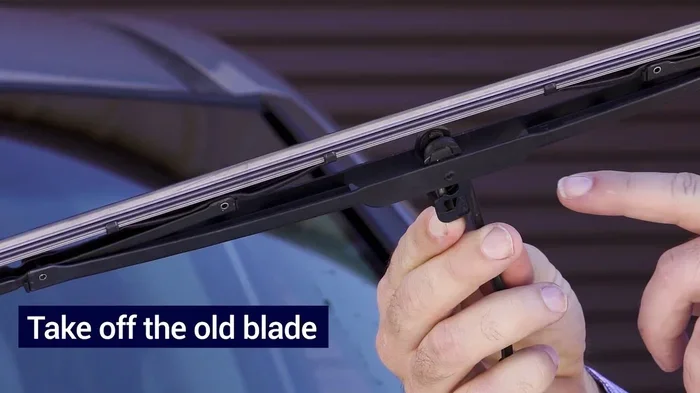
Also, if you are replacing your wipers, you might ask yourself do you need a tool to change windshield wipers? The good news is that most modern wipers use a quick-release adapter system. No special tools are needed. You just slide the old blade off and click the new one in place.
Common Mistakes People Make With Winter Wipers
Even well-meaning car owners make mistakes when it comes to winter wiper care. Here are the most common ones and how to avoid them.
Forgetting to Turn Off the Wipers Before Shutting Off the Engine
This is a classic mistake. If you leave the wipers on and turn off the car, they may reset to the default position the next time you start the engine. If it is below freezing, they will freeze right where they land — on the ice-cold windshield. Always make sure your wipers are off before you shut down for the night.
Using the Wipers to Clear Thick Ice
Your wipers are not an ice scraper. Using them to break thick ice can tear the rubber, bend the arms, and blow the fuse. Always scrape your windshield manually before using the wipers. Keep a good ice scraper in your car all winter long.
Ignoring Wiper Fluid Levels
Winter wiper fluid is different from summer fluid. It contains methanol or ethylene glycol to prevent freezing. If you run out of winter washer fluid and spray plain water, the nozzles can freeze solid. Keep your reservoir full with winter-grade windshield washer fluid throughout the season.
Waiting Until Wiper Blades Are Worn to Replace Them
Wiper blades wear out faster in winter. The rubber dries out, cracks, and loses its flexibility. Replace your blades at the start of winter or every six months, whichever comes first. If you notice streaking, skipping, or chattering, it is time for a new set. You can also upgrade your Toyota Entune system if your vehicle has one, to get better visibility alerts and maintenance reminders.
Expert Insights on Winter Wiper Care
We spoke with several automotive technicians about the best winter wiper practices. Here is what the experts had to say.
Mark D., ASE-Certified Mechanic: “I always tell my customers to pull their wipers up when temperatures drop below freezing and they park outside. It is a five-second habit that saves a lot of headaches. Just make sure you lower them before you drive. I have seen people drive away with wipers propped up and the motor burn out within a mile.”
Sarah K., Auto Body Specialist: “The biggest wiper-related damage I see in winter is from people forcing frozen blades off the glass. The rubber tears, and then you need a full replacement. If your wipers are frozen, spray a de-icer on them and wait a minute or two. Patience saves money.”
Tom R., Car Care Enthusiast and Blogger: “I use winter beam wipers year-round now. They cost a little more, but they perform so much better in rain, snow, and ice. I also keep a microfiber cloth in the glove box to quickly wipe the blades before driving. A clean blade clears a windshield faster than a dirty one.”
How Winter Wiper Care Connects to Overall Vehicle Maintenance
Taking care of your windshield wipers is just one piece of the winter vehicle maintenance puzzle. Good visibility is essential for safe driving in snow, rain, and fog. When your wipers work well, you can react faster to hazards on the road.
Beyond wipers, make sure your cold weather driving checklist includes checking your tire pressure, testing your battery, and topping off all fluids. A well-maintained car handles winter weather much better than a neglected one. If you are planning a road trip, you might also want to check if your Tacoma can pull a trailer safely, especially if you are hauling winter gear or equipment.
Another often-overlooked item is your TPMS sensor. Cold temperatures can cause tire pressure to drop, which triggers the TPMS light. If your TPMS light comes on in winter, you can reset your own TPMS sensor in most cases with a simple button sequence or by driving for a few miles. Keeping your tires properly inflated improves fuel economy and safety on icy roads.
Conclusion
So, should you pull out your windshield wipers before winter? The short answer is: yes, if you park outside in freezing temperatures. It is a simple habit that protects your wipers, saves you time, and keeps you safer on the road. Just be smart about it. Do not force frozen arms, never drive with wipers propped up, and always replace worn blades before winter hits.
Your windshield wipers are one of the most important safety features on your car. They deserve the same attention you give to your engine, tires, and brakes. Take a few minutes this winter to check your blades, top off your washer fluid, and make a plan for freezing nights. A little preparation goes a long way toward trouble-free winter driving.
If you have found this guide helpful, share it with a friend who still scrapes frozen wipers off their windshield every morning. And remember, if winter weather causes damage to your windshield or other parts of your car, check your insurance coverage. You can learn more about whether car insurance covers windshield replacement so you are prepared for anything the season throws at you.
Frequently Asked Questions
Can I Leave My Windshield Wipers Up All Winter Long?
It is not recommended to leave your wipers propped up for the entire winter season. The wiper arms can lose their spring tension over time, and strong winds can cause the blades to snap back and crack your windshield. Only prop them up overnight when freezing temperatures are expected, and lower them before you drive.
What Happens If I Drive With My Wipers Frozen to the Windshield?
Driving with frozen wipers can tear the rubber blade, bend the wiper arm, and burn out the wiper motor. The motor is designed to move a blade that glides smoothly across glass. When the blade is stuck to ice, the motor works overtime and can fail. Always clear frozen wipers before driving.
How Often Should I Replace My Windshield Wiper Blades in Winter?
Most experts recommend replacing wiper blades every six months. In winter, they wear out faster due to ice, snow, and cold rubber. If you notice streaking, skipping, or chattering, replace them immediately. Fresh blades make a huge difference in winter visibility.
Do Winter Wiper Blades Make a Difference?
Yes, winter wiper blades are specifically designed with rubber compounds that stay flexible in freezing temperatures. They also have special frames that resist ice buildup. If you live in a cold climate, winter blades are a worthwhile upgrade that improves safety and convenience.
Can I Use a Hair Dryer to Thaw Frozen Wiper Blades?
Yes, you can use a hair dryer on a low setting to gently thaw frozen wiper blades. Hold it about six inches away from the blade and move it back and forth. Never use boiling water, as the sudden temperature change can crack your windshield. A hair dryer is a safe and effective quick fix.
Does Car Insurance Cover Windshield Damage From Frozen Wipers?
It depends on your policy. Comprehensive coverage typically covers windshield damage from weather-related events, including damage caused by frozen wipers snapping back in the wind. Check with your insurance provider to understand your specific coverage limits and deductibles.