Time to Replace Side Mirror Before Damage Gets Worse
Time to Replace Side Mirror typically ranges from 30 minutes to 2 hours depending on your vehicle and damage level. Replacing a side mirror quickly can prevent further damage and keep you safe on the road. This guide covers timelines, costs, and DIY tips to help you make the right call.
Driving around with a cracked or loose side mirror is more than just an eyesore. It’s a safety hazard that can turn a small problem into a big expense. The time to replace side mirror is shorter than most people think, and getting it done quickly can save you from bigger headaches down the road.
Whether your mirror got hit in a parking lot, cracked from road debris, or stopped working electrically, understanding the replacement process helps you make smart decisions. This guide walks you through everything you need to know about side mirror replacement time, costs, and whether you should tackle the job yourself or visit a professional.
Let’s be real — a broken side mirror affects your visibility and your safety. It also puts other drivers at risk. So let’s dive into how long this repair actually takes and what you can do about it right now.
Key Takeaways
- Quick replacement: Most side mirror swaps take 30 minutes to 2 hours at a shop.
- Cost range: Expect to pay between $100 and $500 for professional mirror replacement.
- DIY possible: Experienced car owners can save money by replacing a side mirror themselves.
- Don’t delay: Driving with a damaged mirror increases accident risk and may fail vehicle inspections.
- OEM vs aftermarket: Original manufacturer mirrors cost more but offer better fit and function.
- Insurance may help: Many policies cover mirror replacement with minimal deductible.
📑 Table of Contents
- How Long Does It Take to Replace a Side Mirror?
- Signs Your Side Mirror Needs Replacement
- Side Mirror Replacement Cost Breakdown
- Step-by-Step Guide to Replacing Your Side Mirror
- Common Mistakes to Avoid When Replacing a Side Mirror
- How to Choose the Right Replacement Mirror
- How Long Should You Wait Before Replacing a Damaged Mirror?
- Conclusion
How Long Does It Take to Replace a Side Mirror?
The time to replace side mirror depends on several factors. Your vehicle make and model, the type of mirror, and whether you go DIY or professional all play a role. Let’s break it down so you know exactly what to expect.
Average Time for Professional Replacement
Most dealerships and auto repair shops can replace a side mirror in about 30 minutes to 1 hour. A car side mirror replacement at a professional shop is usually a straightforward job. Technicians have the right tools, experience, and access to the correct parts.
Here’s what affects the timeline at a shop:
- Vehicle type: Simple sedans take less time than trucks or luxury vehicles with complex mirror systems.
- Mirror type: Power mirrors with heating or turn signals take longer than basic manual mirrors.
- Damage level: If the mirror housing is bent but the glass is fine, repair is faster than a full replacement.
- Part availability: In-stock parts mean same-day service. Waiting for parts adds days to the process.
For most common vehicles, you can expect to be in and out within an hour. Some shops even offer express service for simple mirror swaps.
DIY Side Mirror Replacement Time
If you’re handy and want to save money, replacing a side mirror yourself is doable. Most DIYers complete the job in 1 to 2 hours. But if it’s your first time, give yourself extra time and have a helper on hand.
Here’s what the DIY process typically looks like:
- Order the correct replacement mirror for your vehicle.
- Remove the door panel to access the mirror wiring.
- Disconnect the electrical connector if your mirror has power features.
- Unbolt the old mirror from the door.
- Mount the new mirror and reconnect wiring.
- Test all functions before reassembling the door panel.
Compared to the time it takes to fit a new bumper or replace other exterior parts, mirror replacement is one of the quicker jobs you can do. The time to replace side mirror yourself is well worth the savings if you’re comfortable working on your car.
Signs Your Side Mirror Needs Replacement
Not every mirror problem requires a full replacement. Sometimes a simple fix does the trick. But knowing when to replace saves you from driving with compromised safety features.
Cracks and Chips
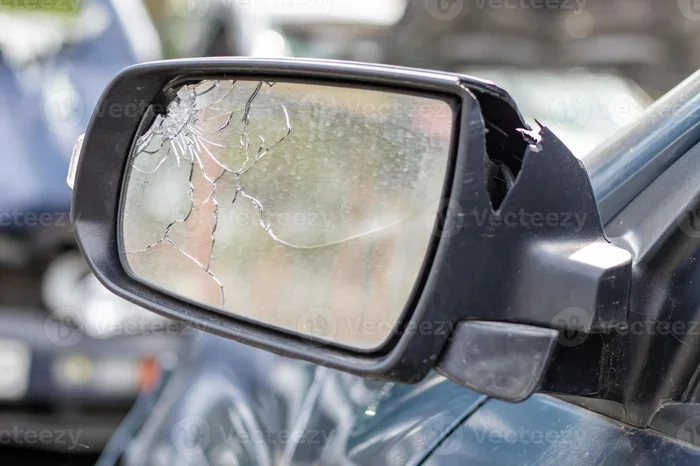
A cracked mirror glass is the most obvious sign you need a replacement. Even small cracks distort your view and create blind spots. If the crack spreads to the mirror housing, the entire unit needs to come off.
Here’s when cracks mean immediate replacement:
- The crack blocks your view of adjacent lanes.
- The crack extends into the mirror housing.
- The mirror glass is loose or wobbly.
- Multiple cracks from an impact event.
Driving with a cracked mirror is risky. Many states consider it a violation of vehicle safety equipment laws. Fix it before you get pulled over or, worse, get into an accident.
Electrical and Mechanical Issues
Modern side mirrors come packed with electronics. Power adjustment, heating elements, turn signals, and blind-spot monitoring all live inside or around the mirror. When these systems fail, replacement is often the only fix.
Watch for these electrical warning signs:
- The mirror won’t adjust in any direction.
- The heating function stopped working on one side.
- The turn signal on the mirror no longer flashes.
- You hear clicking sounds when adjusting the mirror.
- The mirror folds in and out but won’t stay in place.
These issues often point to a broken mirror motor or damaged wiring. Sometimes the problem is a simple fuse, but most of the time, a full mirror assembly replacement is the most reliable fix.
Physical Damage to the Housing
Even if the mirror glass is intact, a bent or cracked housing is a problem. The housing holds the mirror in the correct position and angle. A damaged housing means your visibility suffers even if the glass looks fine.
Common causes of housing damage include:
- Parking lot dings from other vehicles.
- Road debris kicked up by trucks.
- Vandalism or theft attempts.
- Weather damage from storms or hail.
If the housing is bent, the mirror can’t be adjusted properly. This creates a dangerous blind spot that no amount of adjustment can fix. Replacement is your best option.
Side Mirror Replacement Cost Breakdown
Cost is always a big factor when deciding how to handle a broken mirror. The good news is that mirror replacement is one of the more affordable auto repairs you’ll face. Let’s look at what drives the price.
Professional vs DIY Costs
Getting the job done at a shop typically costs between $100 and $500. The wide range depends on your vehicle and mirror type. Here’s a quick comparison:
| Factor | Professional | DIY |
|---|---|---|
| Labor Cost | $50 – $150 | $0 |
| Parts Cost | $75 – $400 | $50 – $350 |
| Total Cost | $100 – $500 | $50 – $350 |
| Time Required | 30 min – 1 hour | 1 – 2 hours |
| Warranty | Usually included | Varies by seller |
DIY replacement saves you the labor charge, which is the biggest cost at most shops. But you need the right tools and some mechanical confidence. If you’ve replaced a headlight or done basic electrical work, a mirror swap is well within your skill range.
OEM vs Aftermarket Mirrors
Original Equipment Manufacturer (OEM) mirrors cost more but offer a perfect fit and match your vehicle’s features. Aftermarket mirrors are cheaper but may not align perfectly or include all the same functions.
When choosing between OEM and aftermarket, consider these points:
- OEM mirrors: Exact fit, full feature compatibility, and manufacturer warranty.
- Aftermarket mirrors: Lower price, wider availability, but possible fit issues.
- Used OEM mirrors: A middle-ground option that saves money while keeping OEM quality.
For most drivers, an aftermarket mirror works just fine. But if your vehicle has advanced driver-assistance features tied to the mirror, OEM is the safer choice.
Step-by-Step Guide to Replacing Your Side Mirror
If you’ve decided to tackle the replacement yourself, here’s a clear roadmap. Following these steps helps you avoid common mistakes and get the job done right.
Step 1: Gather Your Tools
Before you start, make sure you have everything you need. You’ll typically need a socket set, screwdrivers, trim removal tools, and the replacement mirror. Having everything ready keeps the job moving smoothly and prevents frustrating pauses.
Step 2: Remove the Door Panel
Most vehicles require you to remove the interior door panel to access the mirror mounting bolts. Use a trim removal tool to pop off the clips gently. Don’t force anything — door panels crack easily if you’re rough with them.
Step 3: Disconnect the Wiring
Locate the electrical connector behind the mirror. Press the release tab and carefully pull the connector apart. Take a photo before disconnecting so you remember how everything plugs back in.
Step 4: Remove the Old Mirror
Unbolt the old mirror from the door. The mounting bolts are usually accessible from inside the door. Once the bolts are out, gently pull the mirror away from the door. Support the glass as you remove it to prevent breakage.
Step 5: Install the New Mirror
Reverse the removal process. Bolt the new mirror into place, reconnect the wiring, and test all functions. Make sure the mirror adjusts properly and that any heating or signal features work before you reassemble the door panel.
Step 6: Reassemble and Test
Put the door panel back on and clip everything into place. Then do a full test — adjust the mirror, check the turn signal, and test the heating if applicable. A quick test now saves you from coming back later.
Compared to more involved repairs like replacing a throttle body or swapping out a bumper, a mirror replacement is one of the simpler jobs. It’s a great first DIY project for newer car owners.
Common Mistakes to Avoid When Replacing a Side Mirror
Even simple jobs have pitfalls. Avoiding these common mistakes saves you time, money, and frustration.
Buying the Wrong Mirror
This is the most common mistake. Mirrors vary by year, trim level, and even optional packages. Always double-check your vehicle’s exact specifications before ordering. A mirror that doesn’t fit properly can cause alignment issues and electrical problems.
Forgetting to Disconnect the Battery
Working around electrical connections without disconnecting the battery risks short circuits. It’s a simple step that protects both you and your vehicle’s wiring. Take the extra two minutes to disconnect the negative terminal before starting.
Over-Tightening Bolts
The mirror housing is plastic and the mounting points are threaded into the door. Over-tightening bolts strips the threads and creates a wobbly mirror. Hand-tighten first, then give it a quarter turn with a wrench at most.
Skipping the Test Before Reassembly
Many people reassemble the door panel and then discover the mirror doesn’t work. Always test every function before putting the interior trim back on. It’s much easier to fix wiring issues with the door panel off.
Ignoring Windshield Damage
Sometimes a mirror impact also chips or cracks the windshield. Before you replace the mirror, inspect the glass next to it. A windshield crack spreads over time and becomes a much more expensive repair. If you notice any glass damage alongside the mirror problem, address both at the same time.
How to Choose the Right Replacement Mirror
Not all mirrors are created equal. Choosing the right one for your vehicle ensures a proper fit and full functionality. Here’s what to consider when shopping for a replacement.
Match Your Vehicle Specifications
Your vehicle’s year, make, model, and trim level determine the correct mirror. The part number is usually listed in your owner’s manual or on the old mirror itself. Matching these details prevents ordering the wrong part and wasting time and money.
Consider Your Driving Conditions
Where and how you drive matters. If you face harsh weather, consider a mirror with heating and auto-dimming features. For city driving with tight parking spaces, a mirror with blind-spot monitoring adds an extra layer of safety.
Check for Compatibility with Advanced Features
Many modern vehicles integrate cameras, turn signals, and sensors into the side mirror. If your vehicle has these features, you need a mirror that supports them. Using a basic mirror on a vehicle with advanced features means losing functionality.
When in doubt, consult your dealership or a trusted mechanic. They can confirm the exact mirror part number for your specific vehicle.
How Long Should You Wait Before Replacing a Damaged Mirror?
The honest answer is: don’t wait at all. A damaged mirror is a safety issue that gets worse over time. What starts as a small crack can spread with vibration, temperature changes, and normal driving. And a mirror that’s loose or misaligned affects your ability to see other vehicles.
Here’s why prompt replacement matters:
- Safety: A damaged mirror limits your view of adjacent lanes and blind spots.
- Legal compliance: Most states require mirrors in good working condition.
- Prevents further damage: A cracked housing lets moisture into the door, which can cause rust and electrical damage.
- Resale value: A vehicle with broken mirrors looks neglected and may fail inspections.
Think of it this way — a mirror replacement takes less than an hour and costs a fraction of what a full auto body repair would. Compare that to the time it takes to fit a new bumper, which is a much longer and more expensive process. A side mirror repair is one of the quickest and cheapest fixes you can do.
If your mirror was damaged in an accident, check your insurance coverage first. Many policies cover mirror replacement with a low deductible. This means you could pay little to nothing out of pocket for the repair.
Also worth noting — if you own a Toyota and wonder whether you can take it to any dealership for service, the answer is yes. But for a simple mirror replacement, any qualified auto shop or even a DIY approach works perfectly fine.
The time to replace side mirror is short. The question isn’t really about the clock — it’s about how quickly you act. Every day you drive with a damaged mirror is a day of reduced safety and potential for worse damage.
Conclusion
The time to replace side mirror is one of the shortest and simplest auto repairs you can handle. Whether you go the professional route or tackle it yourself, the process is quick, affordable, and essential for your safety. A cracked or broken mirror isn’t something to put off — it’s a problem that only gets worse with time.
Now that you know what to expect, you’re better equipped to make the right call. Whether it’s a quick fix at a local shop or a weekend DIY project, getting your side mirror replaced should be a priority. Your visibility, your safety, and your wallet will all thank you.
Don’t let a small mirror problem become a big one. Take action today, and get back on the road with confidence and full visibility.
Frequently Asked Questions
Can I drive safely with a cracked side mirror?
It’s not recommended. A cracked mirror limits your view of adjacent lanes and blind spots, which increases accident risk. Most states also consider broken mirrors a safety violation. Replace it as soon as possible to stay safe and legal on the road.
How much does it cost to replace a side mirror?
The total cost typically ranges from $100 to $500, depending on your vehicle and mirror type. Professional labor adds $50 to $150, while the parts themselves range from $50 to $400. DIY replacement cuts out the labor cost entirely.
Can I replace just the mirror glass instead of the whole unit?
Yes, in many cases. If the housing is intact and only the glass is cracked, you can replace just the glass. This is cheaper and faster than replacing the entire mirror assembly. Check with a parts supplier to see if a glass-only replacement is available for your vehicle.
Does insurance cover side mirror replacement?
Many auto insurance policies cover mirror replacement, especially if the damage was caused by an accident or vandalism. Check with your provider to confirm your coverage and deductible. Some policies cover the full cost with minimal out-of-pocket expense.
How long does a DIY side mirror replacement take?
Most DIYers complete the job in 1 to 2 hours. If it’s your first time, give yourself extra time and watch a tutorial specific to your vehicle model. The process is simpler than many other auto repairs, making it a great beginner project.
What’s the difference between OEM and aftermarket side mirrors?
OEM mirrors are made by the original manufacturer and offer a perfect fit with full feature compatibility. Aftermarket mirrors are produced by third-party manufacturers and are usually cheaper. They may not align perfectly or include all the same functions, but they work well for most drivers.