What Causes a Hybrid Car Not to Start Anymore Right Now
A hybrid car that won’t start can be caused by a dead 12-volt auxiliary battery, a degraded high-voltage hybrid battery, a faulty hybrid relay, or a malfunctioning powertrain control module. Cold weather, corroded terminals, and a weak key fob battery can also trigger no-start conditions. Understanding these root causes helps you diagnose the problem faster and avoid costly repairs.
There are few things more frustrating than pressing the start button on your hybrid car and hearing nothing. No hum. No dashboard lights. Just silence. If you have ever been in this situation, you know how quickly it can throw your entire day off track. A hybrid car not starting is a problem that catches many owners off guard, especially because hybrid vehicles have two separate electrical systems that both need to work properly.
The good news is that most reasons a hybrid car not starting are fixable. You do not need to be a master mechanic to understand what is going on. In this article, we will walk through every common cause in plain language. We will also share practical tips to help you prevent these problems in the future. By the end, you will know exactly what to check and when to call a professional.
Hybrid cars are more complex than traditional vehicles, but that complexity also means there are clear diagnostic paths. Whether you drive a Toyota Prius, a Honda Insight, or any other hybrid vehicle, the starting process follows a similar logic. Let us break it down step by step.
Key Takeaways
- Dead 12V Auxiliary Battery: This is the most common reason a hybrid car refuses to start. Without it, the hybrid system cannot power on.
- Degraded High-Voltage Hybrid Battery: A weak or damaged high-voltage pack can prevent the car from cranking or engaging the hybrid powertrain.
- Faulty Hybrid Relay or Contactor: These electrical switches control power flow. When they fail, your hybrid system stays completely dead.
- Cold Weather and Extreme Temperatures: Low temperatures reduce battery performance and can freeze fluids, making starting very difficult.
- Corroded or Loose Battery Terminals: Even a small amount of corrosion can block the electrical connection needed to start the car.
- Powertrain Control Module (PCM) Failure: The PCM manages the entire hybrid system. A fault here can stop the car from starting entirely.
- Weak Key Fob or Immobilizer Issue: A dead key fob battery or a malfunctioning immobilizer can prevent the car from recognizing the key.
📑 Table of Contents
- The Hybrid Starting System Explained
- Dead or Weak 12-Volt Auxiliary Battery
- Degraded High-Voltage Hybrid Battery
- Faulty Hybrid Relay or Contactor
- Powertrain Control Module (PCM) Malfunction
- Cold Weather and Extreme Temperatures
- Other Common Causes of Hybrid No-Start
- Prevention Tips to Avoid Hybrid Starting Problems
- When to Call a Professional
- Key Takeaways
- Conclusion
The Hybrid Starting System Explained
Before we dive into the causes, it helps to understand how a hybrid car starts. Unlike a regular car that relies solely on a 12-volt battery and starter motor, a hybrid powertrain has two electrical systems working together. The first is a standard 12-volt auxiliary battery. The second is a high-voltage battery pack that typically operates at 200 to 400 volts. When you press the start button, the 12-volt system wakes up first. It then signals the hybrid inverter and powertrain control module to bring the high-voltage system online.
If any part of this chain fails, the car will not start. This is why diagnosing a no-start condition in a hybrid requires understanding both systems. A problem in the low-voltage side can mimic a high-voltage failure, and vice versa. Let us look at the most common culprits now.
Dead or Weak 12-Volt Auxiliary Battery
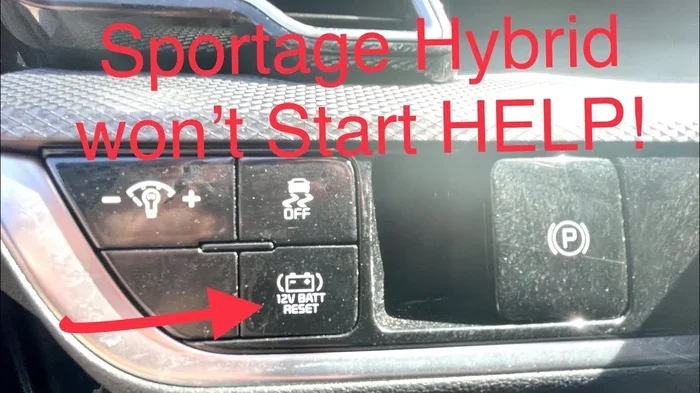
This is the number one reason a hybrid car not starting happens. The 12-volt auxiliary battery is responsible for powering the car’s computers, lights, and starting sequence. Without a healthy 12-volt battery, the hybrid system simply cannot wake up. Many hybrid owners forget about this battery because the high-voltage pack gets all the attention.
Why the 12V Battery Dies in Hybrids
Hybrid cars sit idle more than regular vehicles in some cases. The DC-DC converter keeps the 12-volt battery charged while the car is running. But if the car sits for weeks or months, the converter may not kick in. Over time, the 12-volt battery loses its charge and eventually dies. This is especially common with vehicles that are driven short distances or stored for long periods.
Another factor is age. Most 12-volt batteries last three to five years. After that, their capacity drops significantly. A battery that once held a full charge may now only hold enough power to turn on the radio but not to start the car.
How to Spot a Dead 12V Battery
Watch for these warning signs before the battery fully dies:
- The dashboard lights dim when you press the start button.
- The hybrid warning light flickers or stays on.
- The car takes longer to crank than usual.
- You hear a clicking sound but the engine does not turn over.
- The radio or infotainment system resets when you open the door.
If you notice any of these symptoms, test your 12-volt battery with a multimeter. A healthy battery should read 12.6 volts or higher when the car is off. Anything below 12.2 volts means the battery is weak and may need replacement.
Degraded High-Voltage Hybrid Battery
The high-voltage hybrid battery is the heart of your hybrid vehicle. It stores energy recovered through regenerative braking and powers the electric motor. When this battery degrades, it can cause a complete no-start condition. A degraded battery may not have enough voltage to initiate the hybrid startup sequence.
Signs of Hybrid Battery Degradation
High-voltage battery problems usually develop over time. Look out for these red flags:
- The fuel economy drops significantly.
- The battery charge indicator fluctuates wildly.
- The car enters a “limp mode” and limits performance.
- You see the hybrid warning light illuminated on the dashboard.
- The car starts intermittently or refuses to start after short trips.
Battery degradation is natural. Over thousands of charge cycles, the individual cells inside the pack lose their ability to hold a full charge. Extreme temperatures accelerate this process. Hot climates are especially tough on hybrid car batteries because heat speeds up chemical breakdown inside the cells.
Can You Still Drive with a Degraded Battery?
In some cases, yes. A hybrid car with a partially degraded battery may still start and run in gasoline mode. However, the electric assist will be reduced or disabled entirely. This means worse fuel economy and a less smooth driving experience. If the battery is severely degraded, the car may not start at all because the hybrid system requires a minimum voltage threshold to operate.
Faulty Hybrid Relay or Contactor
The hybrid relay and contactor relay are electrical switches that control the flow of high-voltage power. They act as gatekeepers between the battery pack and the rest of the hybrid powertrain. When these relays fail, the high-voltage system cannot connect, and the car will not start.
What Causes Relay Failure?
Relays can fail for several reasons:
- Wear and tear: Relays have mechanical contacts that wear out over time, especially with frequent use.
- Moisture intrusion: Water or humidity can cause corrosion inside the relay housing.
- Electrical surges: Power spikes from the battery or inverter can damage the relay coil.
- Manufacturing defects: Some hybrid models have known relay issues that lead to premature failure.
A failed relay often produces no warning signs. One day the car starts fine, and the next day it does not. This is why relay failure can feel sudden and mysterious. If you have ruled out the 12-volt battery and the high-voltage battery, the relay is the next thing to inspect.
How Mechanics Diagnose Relay Problems
A technician will use a multimeter to check for continuity across the relay contacts. They will also listen for the relay clicking when the start button is pressed. If there is no click and no continuity, the relay needs replacement. This is a relatively affordable repair compared to replacing the entire hybrid battery pack.
Powertrain Control Module (PCM) Malfunction
The powertrain control module is the brain of your hybrid car. It manages the interaction between the gasoline engine, electric motor, and battery pack. When the PCM detects a fault, it can disable the starting system entirely as a safety measure. A malfunctioning PCM is one of the more serious reasons a hybrid car not starting occurs.
Common PCM Issues in Hybrids
PCM problems can stem from several sources:
- Software glitches: A corrupted software update or a failed calibration can cause the PCM to freeze.
- Water damage: Moisture entering the PCM housing can corrode the internal circuits.
- Voltage spikes: A failing alternator or DC-DC converter can send irregular voltage to the PCM.
- Heat damage: The PCM is often located near the engine bay, where extreme heat can degrade its components over time.
When the PCM fails, you may see multiple warning lights on the dashboard. The check engine light, the hybrid warning light, and sometimes even the battery light may all illuminate at once. A diagnostic scan tool can pull fault codes from the PCM and reveal the root cause.
What to Do If the PCM Fails
PCM replacement is not a DIY job. It requires specialized diagnostic equipment and programming knowledge. Take your car to a certified hybrid technician or a dealership. They can reflash the software if the issue is minor, or replace the module entirely if the hardware is damaged.
Cold Weather and Extreme Temperatures
Temperature plays a bigger role in hybrid starting than many people realize. Cold weather starting problems are especially common in hybrid vehicles because both the 12-volt battery and the high-voltage battery are affected by low temperatures.
How Cold Weather Affects Hybrid Batteries
When temperatures drop, the chemical reactions inside a battery slow down. A 12-volt battery that was perfectly healthy in summer may struggle to hold a charge in winter. The same goes for the high-voltage hybrid battery. Cold temperatures increase the internal resistance of the battery, reducing its effective capacity.
In extreme cold, the hybrid car battery may not provide enough voltage to initiate the starting sequence. The car may crank slowly or not at all. This is why many hybrid owners in cold climates install battery heaters or park their cars in garages during winter months.
Tips for Cold Weather Hybrid Starting
Here are some practical steps to improve cold-weather starting:
- Keep your 12-volt battery fully charged with a maintainer during winter.
- Park your car in a garage or covered area whenever possible.
- Use a battery blanket or heater for the high-voltage pack if your model supports it.
- Avoid short trips in extreme cold, as they do not give the battery time to recharge.
- Check the battery fluid level if your hybrid uses a traditional lead-acid 12-volt battery.
Other Common Causes of Hybrid No-Start
Beyond the major causes we have covered, several other factors can prevent a hybrid car from starting. These are often overlooked but are easy to check.
Corroded or Loose Battery Terminals
Corrosion on battery terminals is a silent killer. A thin layer of white or greenish buildup on the terminals can block the electrical connection needed to start the car. Even if the battery is fully charged, corrosion can prevent the current from flowing properly. Inspect your terminals regularly and clean them with a wire brush and baking soda solution if you see any buildup.
Weak Key Fob or Immobilizer Problem
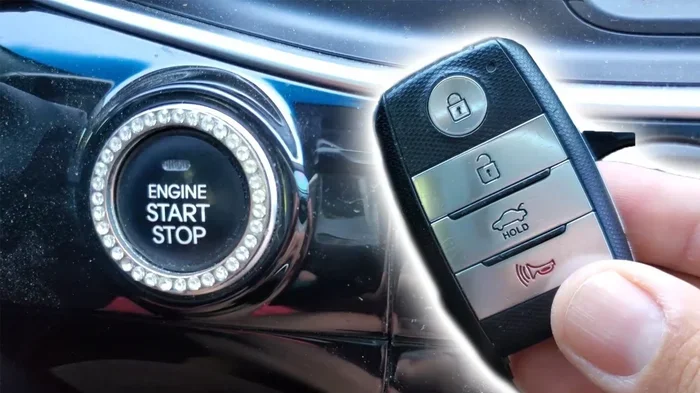
Many modern hybrids use a push-button start system that relies on a key fob. If the fob battery is dead, the car may not recognize the key and will refuse to start. This is not a hybrid-specific problem, but it is worth checking first because it is so simple to fix. Replace the key fob battery with a fresh CR2032 or CR2025 cell and try again.
Sometimes the immobilizer system itself malfunctions. This can happen after a battery replacement or a recent electrical repair. The immobilizer may need to be reprogrammed to recognize the key. A dealership or locksmith with hybrid vehicle troubleshooting experience can handle this.
Blown Fuses or Faulty Wiring
Hybrid cars have extensive fuse boxes that protect various electrical circuits. A blown fuse in the starting circuit can completely prevent the car from starting. Check your owner’s manual for the fuse box location and the specific fuses related to the starting system. Replace any blown fuses with the correct amperage rating.
Wiring issues are less common but can be serious. Rodents can chew through wiring harnesses, and vibration can loosen connections over time. If you suspect a wiring problem, have a professional inspect the entire starting circuit before you drive the car again.
Prevention Tips to Avoid Hybrid Starting Problems
The best way to deal with a hybrid car not starting is to prevent it from happening in the first place. Regular maintenance and smart driving habits go a long way.
Follow a Regular Maintenance Schedule
Stick to the maintenance intervals recommended by your manufacturer. This includes checking the 12-volt battery, inspecting the high-voltage battery health, and testing the hybrid relay and contactor. A well-maintained hybrid is far less likely to experience unexpected starting problems.
Drive Your Car Regularly
Hybrids that sit unused for long periods are more prone to 12-volt battery drain. If you do not drive your hybrid every day, consider using a battery maintainer or trickle charger. This keeps the auxiliary battery topped off and ready to go when you need it.
Monitor Battery Health
Use a diagnostic tool to monitor the state of health of your high-voltage hybrid battery. Most modern hybrids allow you to check battery capacity through the onboard diagnostics or a third-party scanner. If you notice a significant drop in capacity, address it early before it leads to a complete no-start condition.
Keep the Electrical System Clean
Clean terminals, secure wiring, and dry connections all contribute to reliable starting. Take a few minutes every few months to inspect the battery area and surrounding wiring. A little prevention can save you hours of frustration later.
When to Call a Professional
Not every starting problem is something you can fix yourself. If you have checked the 12-volt battery, the key fob, and the fuses, and the car still will not start, it is time to call in the experts. A certified hybrid car maintenance specialist has the tools and training to diagnose complex electrical issues safely.
Never attempt to open or repair the high-voltage battery pack yourself. The voltages involved are dangerous and can cause serious injury or death. Always leave high-voltage work to trained professionals with the right equipment and safety protocols.
Also, if your car is still under warranty, contact your dealer before seeking independent repairs. Unauthorized work on the hybrid system may void your warranty. A dealership technician can diagnose the issue using factory tools and perform any covered repairs at no cost to you.
Key Takeaways
- Dead 12V Auxiliary Battery: This is the most common reason a hybrid car refuses to start. Without it, the hybrid system cannot power on.
- Degraded High-Voltage Hybrid Battery: A weak or damaged high-voltage pack can prevent the car from cranking or engaging the hybrid powertrain.
- Faulty Hybrid Relay or Contactor: These electrical switches control power flow. When they fail, your hybrid system stays completely dead.
- Cold Weather and Extreme Temperatures: Low temperatures reduce battery performance and can freeze fluids, making starting very difficult.
- Corroded or Loose Battery Terminals: Even a small amount of corrosion can block the electrical connection needed to start the car.
- Powertrain Control Module (PCM) Failure: The PCM manages the entire hybrid system. A fault here can stop the car from starting entirely.
- Weak Key Fob or Immobilizer Issue: A dead key fob battery or a malfunctioning immobilizer can prevent the car from recognizing the key.
Conclusion
A hybrid car not starting is a stressful experience, but it is rarely a total mystery. The causes fall into clear categories that you can work through systematically. Start with the simplest explanation, like a dead 12-volt battery or a weak key fob, and work your way up to more complex issues like relay failure or PCM malfunction.
The hybrid powertrain is a marvel of modern engineering, but it depends on every component working together. When one link in that chain breaks, the whole system stops. Regular maintenance, smart driving habits, and prompt attention to warning signs can keep your hybrid running reliably for years to come.
If you find yourself dealing with a no-start situation, stay calm. Check the basics first, and do not hesitate to seek professional help when needed. With the right knowledge and a little patience, you will get back on the road quickly and confidently.
Frequently Asked Questions
Can a dead key fob battery cause a hybrid car not to start?
Yes, absolutely. Most hybrid cars with push-button start rely on the key fob to communicate with the vehicle. If the fob battery is dead, the car cannot verify the key’s presence and will refuse to start. Replace the fob battery and try again. This is one of the easiest and most overlooked causes of a no-start condition.
How much does it cost to replace a hybrid 12-volt auxiliary battery?
A 12-volt auxiliary battery for a hybrid typically costs between $50 and $150 for the part. Installation is straightforward and can often be done at home or at any auto shop for a minimal labor charge. This is one of the most affordable repairs you can do for a no-start hybrid car.
Is it safe to drive a hybrid with a degraded high-voltage battery?
It depends on the severity of the degradation. A mildly degraded battery may still allow the car to start and run, but with reduced electric assist and worse fuel economy. A severely degraded battery may prevent starting entirely. Have the battery tested by a professional to determine its state of health and whether replacement is needed.
What should I do if my hybrid car won’t start in cold weather?
First, check the 12-volt battery, as cold weather is the biggest enemy of lead-acid batteries. If the battery is fine, try jump-starting the car using another vehicle or a portable jump starter. Keeping the car plugged in if it has a block heater can also help. For recurring cold-weather issues, consider upgrading to a higher-performance battery or using a battery maintainer during storage.
Can a blown fuse stop a hybrid car from starting?
Yes. Hybrid cars have multiple fuse boxes that protect the starting circuit, the hybrid system, and the 12-volt electrical system. A blown fuse in the starting circuit will prevent the car from cranking. Check your owner’s manual for the fuse box diagram and inspect the relevant fuses. Replace any blown fuses with the correct rating.
How often should I have my hybrid battery system checked?
Most manufacturers recommend inspecting the hybrid battery system during every scheduled maintenance visit, which is typically every 15,000 to 30,000 miles. However, if you notice any warning signs like reduced fuel economy, dashboard warning lights, or intermittent starting problems, have the system checked immediately. Early detection of battery issues can prevent a complete no-start situation down the road.