What Coolant Does a Jeep Wrangler Use and Why It Matters
Jeep Wranglers need specific coolant types to keep the engine running safely. Most models use OAT (Organic Acid Technology) or HOAT (Hybrid Organic Acid Technology) coolant. Using the wrong fluid can cause overheating, corrosion, and serious engine damage. This guide covers the right coolant type, how to check levels, when to flush, and common mistakes to avoid.
Every Jeep Wrangler owner wants their rig to run strong. Whether you are hitting the trails or cruising down the highway, your engine works hard. And the one fluid that keeps everything from turning into a melted mess is coolant. But here is the thing — not just any coolant will do. The Jeep Wrangler coolant you pick matters more than most people think.
Using the wrong type can lead to overheating, corrosion, and even a blown head gasket. That is a repair bill nobody wants to see. In this guide, we will walk you through exactly what coolant your Jeep Wrangler needs, why it matters, and how to keep your cooling system in top shape. No confusing jargon. No filler. Just straight talk from people who know Jeeps.
Key Takeaways
- Use OAT or HOAT coolant: Most Jeep Wranglers require Organic Acid Technology or Hybrid Organic Acid Technology coolant for optimal protection.
- Check your owner’s manual: Always confirm the exact coolant specification for your specific model year and engine type.
- Mix ratio matters: A 50/50 mix of coolant and distilled water is the standard recommendation for most climates.
- Watch for warning signs: Overheating, low coolant levels, and colored puddles under your Jeep are red flags you should never ignore.
- Flush regularly: A coolant flush every 30,000 to 60,000 miles helps prevent buildup and keeps the system working efficiently.
- Never mix coolant types: Combining different coolant formulas can cause chemical reactions that harm your engine.
📑 Table of Contents
What Kind of Coolant Does a Jeep Wrangler Use?
The short answer is that most Jeep Wranglers use OAT coolant or HOAT coolant. OAT stands for Organic Acid Technology, and HOAT stands for Hybrid Organic Acid Technology. These are not the old-school green coolants your grandpa used. Modern Jeep engines need advanced formulas that protect rubber seals, aluminum components, and the entire cooling system from the inside out.
Why Coolant Type Matters for Your Jeep
Your Jeep Wrangler engine runs hot. The cooling system circulates fluid through the engine block, absorbs heat, and passes it through the radiator. If the coolant does not match the materials in your engine, it cannot do its job. Old conventional coolants use silicates and phosphates that can eat away at modern aluminum parts. OAT and HOAT formulas avoid this problem entirely.
Here is a quick look at the main coolant types:
- OAT (Organic Acid Technology): Orange, pink, or red in color. Used in most newer Jeep models. Offers long life and excellent aluminum protection.
- HOAT (Hybrid Organic Acid Technology): Yellow or turquoise in color. Combines OAT with a small amount of silicate for extra protection. Common in some Jeep applications.
- Conventional (IAT): Green in color. Older formula. Not recommended for modern Jeep Wranglers.
Always check your owner’s manual or the coolant reservoir cap for the exact specification. Jeep does not make this confusing on purpose. They just want you to use the right fluid.
OEM Coolant Specifications for Jeep Wranglers
Jeep uses specific OEM coolant formulations that meet their engineering standards. For most recent model years, the factory fill is Mopar HOAT coolant or OAT coolant. These are designed to work with the coolant hoses, water pump, thermostat, and radiator found in your specific Wrangler generation.
If you are unsure, look for the part number on the original coolant container or check with your dealer. Using the OEM-spec coolant ensures compatibility and keeps your warranty intact. Aftermarket coolants can work too, but they must match the correct technology type.
Understanding the Jeep Wrangler Cooling System
The cooling system in a Jeep Wrangler is not just about the coolant itself. It is a network of components that work together to regulate engine temperature. Understanding how it all fits together helps you appreciate why using the right engine coolant is so important.
Key Components of the Cooling System
Here are the main parts that make up your Jeep’s cooling system:
- Radiator: Dissipates heat from the coolant as air flows through the fins.
- Water Pump: Circulates coolant through the engine block and hoses.
- Thermostat: Regulates the flow of coolant based on engine temperature.
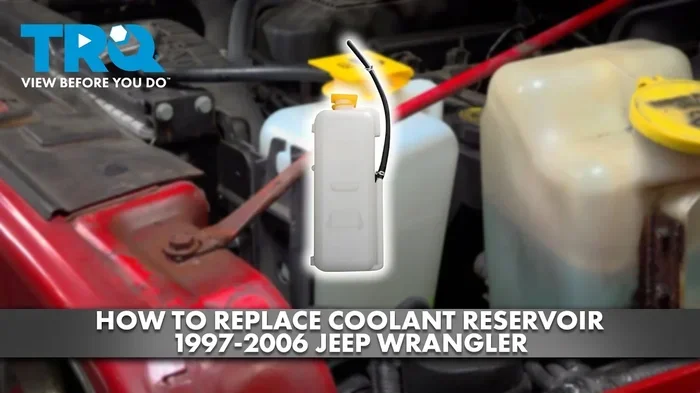
- Coolant Reservoir: Holds excess coolant and allows for expansion as the fluid heats up.
- Hoses and Clamps: Carry coolant between components and must remain airtight.
- Cooling Fan: Pulls air through the radiator when the vehicle is moving slowly or idling.
When any one of these parts fails, the whole system suffers. And using the wrong coolant mixture can accelerate wear on several of these components at once.
How the Cooling System Works in a Jeep Wrangler
The process is straightforward. The water pump pushes coolant through passages in the engine block. The fluid absorbs heat from the combustion chambers. It then flows to the radiator, where air cools it down. The cooled fluid cycles back into the engine, and the process repeats. The thermostat opens and closes to maintain the ideal operating temperature, usually between 195 and 220 degrees Fahrenheit.
This cycle happens thousands of times during every drive. If your coolant level is low or the fluid is degraded, the system cannot transfer heat efficiently. That is when temperatures start climbing, and trouble begins.
One thing many Jeep owners overlook is idling safety. If you let your Jeep sit running for long periods, especially in hot weather, the cooling system works harder. Make sure your fluid levels are topped off before long idle sessions, particularly during summer trail runs or off-roading events.
How to Check and Maintain Your Coolant Level
Checking your coolant level is one of the simplest things you can do for your Jeep Wrangler. It takes about five minutes and can save you from a costly repair down the road. Here is how to do it the right way.
Step-by-Step Coolant Level Check
Follow these steps to check your coolant safely:
- Make sure the engine is cool. Never open the radiator cap when the engine is hot. Pressurized coolant can cause serious burns.
- Locate the coolant reservoir. It is usually a translucent plastic tank near the radiator. The cap will have a warning label.
- Check the level markings. Look for the MIN and MAX lines on the side of the reservoir. The fluid should be between these marks.
- Inspect the color. Healthy coolant should be bright — orange, pink, or yellow depending on the type. If it looks brown, rusty, or muddy, it is time for a change.
- Top off if needed. Use the correct coolant type mixed with distilled water at a 50/50 ratio. Never use plain tap water.
Quick Tips for Coolant Maintenance
- Check coolant levels at least once a month. Especially before long trips or off-road adventures.
- Use distilled water for mixing. Tap water contains minerals that can cause scale buildup inside the cooling system.
- Do not just top off with water. Diluting the coolant concentration reduces its boiling point and freezing protection.
- Clean up any spills. Coolant is toxic to animals and can damage paint on your Jeep’s body.
- Keep a spare bottle in your Jeep. A half-gallon of pre-mixed coolant can be a lifesaver on the trail.
If you notice that your coolant level drops frequently, that is a sign of a coolant leak. Even a small leak can lead to low fluid levels, which causes overheating. A coolant leak causing overheating is one of the most common reasons Jeeps end up stranded on the side of the road. If you see puddles under your Jeep or notice a sweet smell coming from the engine bay, get it checked right away.
Signs Your Jeep Wrangler Coolant Needs Changing
Coolant does not last forever. Over time, it breaks down and loses its ability to protect your engine. Knowing the warning signs helps you replace it before any damage occurs.
Visual Cues
Your eyes are often the first tool for spotting coolant problems. Look for these signs:
- Discolored fluid: Coolant that has turned dark brown, rusty, or milky is no longer effective.
- Particles in the reservoir: Grit or sediment in the coolant indicates corrosion inside the system.
- Low fluid level: If you are constantly topping off, something is wrong. There may be a leak or internal consumption.
Performance Warning Signs
Your Jeep will tell you when the coolant is not doing its job. Watch for these symptoms:
- Temperature gauge rising: If your gauge regularly climbs above the normal range, the coolant may be degraded.
- Heater not working: A failing heater can indicate low coolant or air in the system.
- Sweet smell from the engine: Coolant has a sweet, syrupy odor. If you smell it inside or outside the Jeep, investigate immediately.
- Steam from the hood: This is a serious sign of overheating. Pull over safely and let the engine cool before opening anything.
Ignoring these signs can lead to no coolant making your car overheat, which can warp the engine block, crack the head gasket, or even destroy the engine entirely. The cost of a coolant flush is tiny compared to the cost of an engine rebuild.
Recommended Coolant Change Intervals
Most Jeep Wrangler owners should plan for a coolant flush every 30,000 to 60,000 miles, or every 3 to 5 years. However, this varies based on the coolant type and driving conditions. If you frequently tow, off-road, or drive in extreme heat, you may need to change it more often.
Check your owner’s manual for the factory-recommended interval. And when you do change the coolant, make sure to flush the entire system. A simple drain and fill leaves old fluid behind in the engine block and radiator passages.
Common Coolant Mistakes Jeep Owners Make
Even well-meaning Jeep owners make mistakes with coolant. Some are easy to fix. Others can cause real damage. Here are the most common errors and how to avoid them.
Mixing Different Coolant Types
This is the number one mistake. OAT coolant and HOAT coolant use different chemical packages. Mixing them can cause gel-like deposits that clog the radiator and hoses. The result is poor heat transfer and potential overheating. If you are unsure what is currently in your system, flush it completely before adding new coolant.
Using the Wrong Color
Coolant color is not a reliable indicator of type. Different manufacturers use different dyes. A green coolant from one brand may not be the same as a green coolant from another. Always read the label for the technology type — OAT, HOAT, or IAT — not just the color.
Ignoring Small Leaks
A few drops of coolant under your Jeep might not seem like a big deal. But even a small leak gets worse over time. A coolant leak that starts as a slow drip can become a major loss of fluid within days. Check under your Jeep regularly, especially after parking on the driveway.
Using Tap Water for Mixing
Tap water contains calcium, magnesium, and other minerals. These deposits build up inside the cooling system over time and reduce efficiency. Always use distilled water when mixing coolant. It is cheap, widely available, and will not introduce contaminants into your system.
Neglecting the Coolant Reservoir
The coolant reservoir is easy to forget because it just holds overflow. But a cracked reservoir cap or a damaged tank can cause pressure loss, which leads to coolant boiling at a lower temperature. Inspect the reservoir and its cap during every fluid check.
When to See a Mechanic About Coolant Issues
Some coolant problems are DIY-friendly. Others need professional attention. Knowing the difference saves time, money, and prevents further damage to your Jeep.
DIY-Friendly Coolant Tasks
These tasks are safe for most Jeep owners to handle at home:
- Checking coolant level: Simply look at the reservoir markings and top off if needed.
- Visual inspection: Look for leaks, discoloration, or debris in the fluid.
- Flushing and refilling: With the right tools and a service manual, a full coolant flush is manageable for most people.
Jobs Best Left to Professionals
Some coolant-related issues require a trained technician:
- Internal coolant leaks: If coolant is entering the combustion chamber, you may see white exhaust smoke. This needs diagnosis and repair.
- Water pump failure: A whining or grinding noise from the front of the engine often signals a failing water pump.
- Thermostat stuck closed: If the engine overheats within minutes of starting, the thermostat may be stuck. Replacement requires draining the system.
- Head gasket failure: This is a serious and expensive repair. Symptoms include overheating, milky oil, and bubbles in the coolant reservoir.
If you are ever unsure about a coolant issue, it is better to get a second opinion than to guess and make things worse. A trusted mechanic can pressure-test the system, inspect the head gasket, and identify hidden leaks that are not visible to the naked eye.
Final Thoughts on Jeep Wrangler Coolant
Choosing the right coolant for your Jeep Wrangler is one of the simplest ways to protect your engine and extend the life of your vehicle. Stick with OAT or HOAT formulations, check your levels regularly, and never ignore warning signs. A little attention to this one fluid goes a long way toward keeping your Jeep running strong for years to come.
Whether you are a daily driver or a weekend trail warrior, your cooling system deserves the same respect as your suspension and engine. Use the right Jeep Wrangler coolant, follow the maintenance schedule, and your rig will thank you every time you turn the key.
And remember — if you ever notice your temperature gauge climbing, pull over safely. Continuing to drive an overheating engine can turn a small repair into a catastrophic one. Stay proactive, stay prepared, and keep your Jeep cool.
Frequently Asked Questions
What happens if I use the wrong coolant in my Jeep Wrangler?
Using the wrong coolant can cause corrosion, poor heat transfer, and overheating. Different coolant types use different chemical additives that may react badly when mixed. Always confirm the correct specification for your model year before adding any fluid.
How often should I flush the coolant in my Jeep Wrangler?
Most Jeep Wranglers need a coolant flush every 30,000 to 60,000 miles, or every 3 to 5 years. Check your owner’s manual for the exact interval. Driving in extreme heat or off-road conditions may require more frequent changes.
Can I mix different brands of the same coolant type?
It is generally safe to mix different brands of the same coolant technology, such as OAT with OAT. However, mixing different types — like OAT with conventional green coolant — can cause chemical reactions and deposits. When in doubt, flush the system first.
Is it okay to just add water to my coolant?
Adding plain water to coolant dilutes the mixture and reduces its boiling point and freeze protection. If you must top off in an emergency, add distilled water only, and get the proper coolant mixture restored as soon as possible.
Why is my Jeep Wrangler losing coolant but not leaking?
Internal coolant loss without visible leaks can indicate a blown head gasket or a cracked intake manifold. You may notice white exhaust smoke, bubbles in the reservoir, or coolant in the oil. Have a mechanic diagnose this immediately to prevent engine damage.
What color coolant does a Jeep Wrangler use?
Most modern Jeep Wranglers use orange, pink, or yellow coolant, depending on the specific formulation. The color varies by manufacturer and is not a reliable way to identify the type. Always check the label for OAT or HOAT designation and confirm with your owner’s manual.
=== CONCLUSION ===
Knowing what coolant does a Jeep Wrangler use is essential for every owner. The right engine coolant protects your engine from heat, corrosion, and freezing. Stick with OAT or HOAT formulations, follow the recommended change intervals, and never ignore the warning signs of a failing cooling system. Your Jeep Wrangler is built to go anywhere — and the right coolant keeps it ready for the next adventure.