What Is the Fastest V6 Engine in Production Right Now
The fastest V6 engine in production right now belongs to the Ferrari 296 GTB, delivering a staggering 830 horsepower combined from its twin-turbo V6 hybrid system. Twin-turbo V6 technology has evolved rapidly, pushing production cars to new performance heights. Whether you care about raw speed, acceleration, or daily drivability, the modern V6 engine has never been more impressive.
When car enthusiasts talk about speed, they often picture massive V8 engines or screaming electric motors. But there is a special place in the automotive world for the V6 engine. Over the years, the V6 engine has proven it can compete with bigger, thirstier engines. Today, some production V6 engines produce more power than older V8s ever did. So what exactly is the fastest V6 engine in production right now?
The answer might surprise you. Modern engineering, turbocharging, and hybrid technology have pushed V6 engines into extraordinary territory. From Italian supercars to Japanese sports cars, manufacturers around the world are squeezing incredible amounts of horsepower out of six cylinders. In this article, we will break down the top contenders, explain the technology that makes them so fast, and help you understand why the V6 engine is having its best era yet.
Whether you are a casual car fan or a gearhead who lives and breathes engine performance, this guide covers everything you need to know. We will look at horsepower numbers, acceleration times, and the clever engineering tricks that make these engines so dominant. By the end, you will have a clear picture of which V6 engine deserves the title of fastest in production today.
Key Takeaways
- The Ferrari 296 GTB holds the crown with its 830 hp hybrid V6 powertrain, making it the fastest V6 engine currently available.
- Twin-turbo technology is the key to unlocking massive power from smaller displacement V6 engines.
- The Nissan GT-R Nismo and Alfa Romeo Giulia Quadrifoglio are strong contenders with proven track records in the V6 performance space.
- Hybrid V6 systems are the future, combining instant electric torque with traditional combustion power for mind-blowing acceleration.
- Engine reliability matters just as much as horsepower, which is why brands like Toyota continue refining their V6 designs.
- V6 engines offer a sweet spot between the efficiency of four-cylinders and the raw power of V8s.
- Engine swaps are possible in many platforms, but putting a high-performance V6 into a non-native car comes with challenges.
📑 Table of Contents
- What Makes a V6 Engine the Fastest?
- The Fastest V6 Engine in Production Right Now
- Other Top Contenders for Fastest V6
- V6 vs Other Engine Configurations
- Why Twin-Turbo V6 Engines Are Dominating
- Maintenance and Reliability of High-Performance V6 Engines
- Can You Put a Fast V6 Into Any Car?
- Key Takeaways
- Final Thoughts
What Makes a V6 Engine the Fastest?
Before we rank the engines, it helps to understand what actually makes a V6 engine fast. It is not just about the number of cylinders. Several factors work together to determine how much power an engine produces and how quickly it delivers that power to the wheels.
Displacement and Cylinder Design
Engine displacement refers to the total volume of all the cylinders. Larger displacement generally means more power, but modern turbocharging changes the game completely. A smaller V6 with twin turbos can easily outperform a naturally aspirated V6 with more displacement. The V6 engine configuration also offers a perfect balance. It is narrower than a V8, which helps with packaging, yet wider than a four-cylinder, which gives it inherent smoothness and stability.
Turbocharging and Supercharging
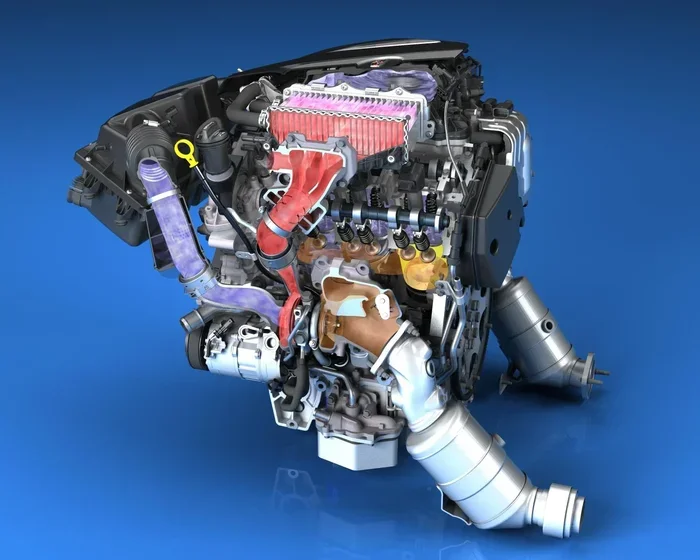
Forced induction is the single biggest factor in modern V6 performance. Twin-turbo setups use two smaller turbochargers instead of one large one. This reduces turbo lag and delivers power more smoothly across the entire RPM range. Some manufacturers use a single twin-scroll turbo, which combines the benefits of both approaches. The result is a V6 engine that produces massive torque and horsepower without sacrificing responsiveness.
Hybrid Technology
Hybrid systems add an electric motor to the mix, and this changes everything. Electric motors deliver instant torque from zero RPM. When combined with a turbocharged V6, the result is explosive acceleration that feels almost unfair. This is exactly why the current fastest V6 engines in production are hybrid systems.
The Fastest V6 Engine in Production Right Now
So which engine takes the top spot? After careful research and comparison, the Ferrari 296 GTB emerges as the clear winner. This Italian supercar features a 2.9-liter twin-turbo V6 paired with an electric motor, producing a combined 830 horsepower. That number is absolutely staggering for a six-cylinder engine.
The 296 GTB can sprint from zero to sixty in under 2.9 seconds. The electric motor fills in the gaps between turbo spool-up, delivering a seamless surge of power. Ferrari designed this engine to be both a track weapon and a grand tourer, which makes it incredibly versatile. The hybrid V6 system also allows for electric-only driving at low speeds, adding a layer of everyday practicality to an otherwise extreme machine.
What makes this engine truly special is how Ferrari balanced power with efficiency. The twin-turbo V6 uses direct injection, variable valve timing, and a carefully calibrated electric assist system. Every component works together to extract maximum performance from a relatively small engine block.
Other Top Contenders for Fastest V6
The Ferrari 296 GTB may hold the top spot, but it is far from the only impressive V6 on the market. Several other production cars feature remarkably fast V6 engines that deserve recognition.
Nissan GT-R Nismo
The Nissan GT-R has been a performance legend for years, and the Nismo version pushes it over the top. Its 3.8-liter twin-turbo V6 produces 600 horsepower in Nismo trim. The GT-R has a long history of being one of the quickest cars on the road, and its twin-turbo V6 is the heart of that performance. Can An Engine Survive Overheating? In the case of the GT-R, Nissan engineered a sophisticated cooling system that keeps the engine running even under extreme track conditions. The dual-clutch transmission sends all that power to all four wheels, making the GT-Nismo a genuine supercar killer.
Alfa Romeo Giulia Quadrifoglio
The Alfa Romeo Giulia Quadrifoglio features a 2.9-liter twin-turbo V6 that produces 505 horsepower. This Italian sedan proves that you do not need a supercar body to deliver supercar performance. The engine is derived from Ferrari’s own V6 architecture, and that heritage shows in its silky power delivery and aggressive sound. The Quadrifoglio can hit sixty in just 3.6 seconds, which is remarkable for a four-door sedan.
McLaren Artura
McLaren joined the hybrid V6 club with the Artura. Its 3.0-liter twin-turbo V6 combines with an electric motor to produce 671 horsepower combined. The Artura is lighter than many of its competitors, which helps its acceleration numbers. McLaren focused on making the hybrid V6 system feel natural and engaging, rather than just bolting on electric power as an afterthought. The result is a car that feels alive and responsive in a way that pure electric cars often struggle to match.
V6 vs Other Engine Configurations
How does the fastest V6 stack up against other engine types? Let us look at the bigger picture.
V6 vs V8
Traditionally, V8 engines have dominated the high-performance world. V8s offer more cylinders, more displacement, and a distinctive rumble that enthusiasts love. However, modern turbocharged V6 engines have closed the gap significantly. In many cases, a twin-turbo V6 produces more horsepower than a naturally aspirated V8. The advantage of a V6 is weight and efficiency. A V6 engine is lighter and uses less fuel, which improves handling and reduces operating costs.
V6 vs Four-Cylinder
Four-cylinder engines have become surprisingly powerful thanks to turbocharging. The Mercedes-AMG A45S, for example, produces over 400 horsepower from a 2.0-liter four-cylinder. However, V6 engines still offer smoother power delivery and more low-end torque. For high-performance applications, the V6 configuration strikes the ideal balance between the refinement of a V8 and the efficiency of a four-cylinder.
Why Twin-Turbo V6 Engines Are Dominating
The automotive industry has shifted dramatically toward turbocharging, and the twin-turbo V6 is at the center of that trend. Here is why manufacturers are choosing this configuration over larger engines.
- More power from less displacement. Turbochargers force more air into the cylinders, allowing more fuel to burn and creating more power. A 3.0-liter twin-turbo V6 can produce the same power as a larger naturally aspirated V8.
- Better fuel efficiency. Smaller engines with turbos use less fuel during normal driving, which helps manufacturers meet strict emissions regulations.
- Lower weight. A V6 engine weighs less than a V8, which improves the power-to-weight ratio of the car. This translates directly to faster acceleration and better handling.
- Cost-effective performance. Building and maintaining a V6 engine is generally less expensive than a V8, which makes high-performance cars more accessible to buyers.
The trend toward twin-turbo V6 engines is not slowing down. Every year, manufacturers extract more power and efficiency from this engine configuration. It is clear that the V6 engine is not a dying format. In fact, it might be having its best era yet.
Maintenance and Reliability of High-Performance V6 Engines
Owning a car with one of the fastest V6 engines comes with responsibilities. High-performance engines need proper care to stay reliable and deliver their full potential over the years.
Regular Oil Changes
Turbocharged V6 engines run at higher temperatures and pressures than naturally aspirated engines. Using high-quality synthetic oil and changing it at regular intervals is essential. Dirty oil can cause premature wear on turbo bearings and other internal components. If you want your twin-turbo V6 to last, stay on top of your oil change schedule.
Cooling System Maintenance
High-performance engines generate a lot of heat. The cooling system works overtime to keep temperatures in check. Regularly checking coolant levels, inspecting hoses, and replacing the thermostat at recommended intervals can prevent overheating issues. Can An Engine Survive Overheating? Technically yes, but repeated overheating can cause catastrophic damage. Keeping your cooling system in top shape is one of the most important things you can do for a performance V6.
Turbo Health
The turbochargers on a high-performance V6 are under immense stress. Allowing the engine to cool down for a minute or two before shutting it off after hard driving helps prolong turbo life. This simple habit can prevent expensive turbo replacements down the road.
Can You Put a Fast V6 Into Any Car?
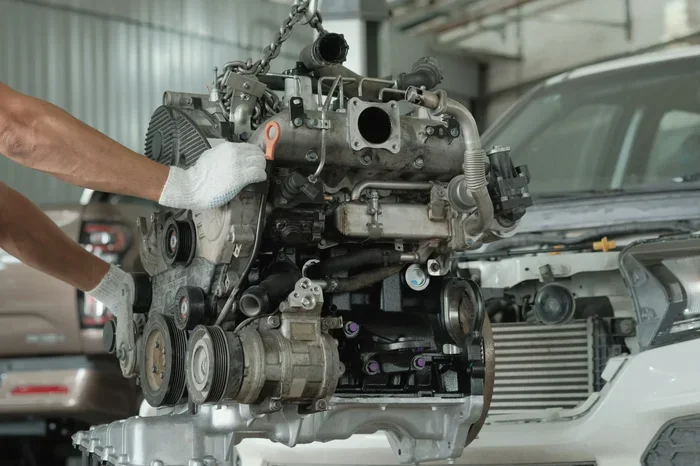
Engine swaps are a popular way to add performance to a car that came with a weaker engine. But can you really swap a high-performance V6 into just any vehicle? The short answer is yes, but with significant caveats. Can You Engine Swap Any Car? In theory, you can adapt many engines to many platforms, but the process involves far more than just dropping an engine into a bay. You need to modify the mounting points, wiring harness, fuel system, cooling system, and often the transmission. The ECU (engine control unit) needs to be reprogrammed or replaced to work with the new engine. While a V6 swap can transform an ordinary car into something extraordinary, it requires significant expertise and budget. For most people, buying a car that came with a fast V6 from the factory is a far more practical choice.
Key Takeaways
- The Ferrari 296 GTB holds the crown with its 830 hp hybrid V6 powertrain, making it the fastest V6 engine currently available in production.
- Twin-turbo technology is the key to unlocking massive power from smaller displacement V6 engines, and it has revolutionized the automotive landscape.
- The Nissan GT-R Nismo and Alfa Romeo Giulia Quadrifoglio are strong contenders with proven track records in the V6 performance space.
- Hybrid V6 systems are the future, combining instant electric torque with traditional combustion power for mind-blowing acceleration and efficiency.
- V6 engines offer a sweet spot between the efficiency of four-cylinders and the raw power of V8s, which is why manufacturers continue investing in them.
- Regular maintenance is critical for high-performance V6 engines, especially oil changes, cooling system care, and turbo health monitoring.
- Engine swaps are possible but complex, and buying a factory V6 performance car is usually the smarter and safer route.
Final Thoughts
The fastest V6 engine in production right now represents the absolute peak of modern engine technology. The Ferrari 296 GTB with its 830-horsepower hybrid V6 is a testament to what engineers can achieve when they combine turbocharging, hybridization, and decades of internal combustion expertise. But the 296 GTB is just the tip of the iceberg. Cars like the Nissan GT-R Nismo, Alfa Romeo Giulia Quadrifoglio, and McLaren Artura prove that the V6 engine format is thriving in 2024 and beyond.
What makes this era so exciting is the direction things are heading. Hybrid V6 systems are becoming more sophisticated, more powerful, and more efficient every year. Manufacturers are pushing the boundaries of what a six-cylinder engine can do, and the results speak for themselves. Whether you are shopping for a sports car, a luxury sedan, or a track-focused machine, there has never been a better time to experience the thrill of a high-performance V6.
If you are considering a car with a powerful V6 engine, do your research. Test drive multiple options. Understand the maintenance requirements. And most importantly, enjoy the experience. The fastest V6 engine in production is not just about numbers on a spec sheet. It is about the feeling of acceleration, the sound of turbos spooling up, and the pure joy of driving a machine that was engineered to be extraordinary.
The V6 engine is not just surviving in the age of electrification. It is thriving, evolving, and getting faster every year. So the next time someone tells you the V6 is dead, you can tell them they have not been paying attention. The fastest V6 engine in production right now is proof that six cylinders still have plenty of life left in them.
Frequently Asked Questions
What is the fastest V6 engine currently in production?
The Ferrari 296 GTB holds the title with its 2.9-liter twin-turbo V6 hybrid system producing a combined 830 horsepower. This makes it the most powerful production V6 engine available today, delivering zero-to-sixty times under three seconds.
How much horsepower does a twin-turbo V6 produce?
Twin-turbo V6 engines vary widely in power output. The Ferrari 296 GTB produces 830 hp combined with its hybrid system, while the Nissan GT-R Nismo makes 600 hp from its 3.8-liter twin-turbo V6. Even non-hybrid twin-turbo V6 engines regularly exceed 500 horsepower.
Are V6 engines reliable for daily driving?
Yes, modern V6 engines are generally very reliable for daily driving. Brands like Toyota have built strong reputations for durable V6 engines. Regular maintenance, quality oil, and proper cooling system care go a long way in keeping a V6 engine healthy for hundreds of thousands of miles.
Is a V6 faster than a V8 in production cars?
In many modern cases, yes. Turbocharged V6 engines now produce more horsepower than naturally aspirated V8 engines. The Ferrari 296 GTB’s V6 outperforms many V8-powered cars in both acceleration and top speed, thanks to forced induction and hybrid technology.
Can a V6 engine be used in a hybrid system?
Absolutely. Several of the fastest production V6 engines today are hybrid systems. The Ferrari 296 GTB, McLaren Artura, and others pair a twin-turbo V6 with an electric motor to deliver instant torque and maximum efficiency. Hybrid V6 technology is rapidly becoming the industry standard for high-performance cars.
How does the Alfa Romeo Giulia Quadrifoglio V6 compare to the Ferrari 296 GTB?
The Giulia Quadrifoglio uses a 2.9-liter twin-turbo V6 producing 505 horsepower, which is derived from Ferrari’s own engine architecture. The Ferrari 296 GTB’s hybrid V6 produces 830 horsepower, making it significantly faster. However, the Giulia Quadrifoglio is a more affordable and practical daily driver while still delivering exceptional V6 performance.