At What Speed Is a High-Impact Collision Considered
A high-impact collision is generally defined as a crash that occurs at speeds of 40 mph or higher. At these speeds, the force of impact increases dramatically, leading to severe vehicle damage and a much higher risk of serious injury. Understanding the speed thresholds helps drivers recognize the dangers of speed-related crashes and take steps to stay safe on the road.
Every day, thousands of drivers face the terrifying reality of a high-impact collision on our roads. These crashes happen fast, often without warning, and the results can be life-changing. Whether you are a new driver or someone who has been behind the wheel for years, understanding what speed turns a bad accident into a devastating one is incredibly important.
So, what exactly is a high-impact collision, and at what speed does it happen? This article breaks it all down in simple terms. You will learn about the speed thresholds that define these dangerous events, how speed affects the force of impact, and what kinds of injuries can result. We will also share practical tips to help you stay safe. By the end, you will have a clear picture of why speed plays such a big role in crash severity.
The truth is, many drivers underestimate the power of physics on the road. A crash at 30 mph feels very different from one at 60 mph. The difference is not just in damage to the vehicle. It is about the safety of every person inside. Let us dive into the details and explore what makes a high-impact collision so dangerous.
Key Takeaways
- Speed matters enormously: Even a small increase in speed can multiply the force of impact in a high-impact collision.
- 40 mph is the common threshold: Most experts consider crashes at 40 mph or above to be high-impact events.
- Vehicle damage tells a story: The type and extent of damage can help determine the impact speed of a crash.
- Injuries get worse with speed: Higher speeds lead to more severe injuries, from broken bones to traumatic brain injuries.
- Stopping distance increases with speed: The faster you drive, the longer it takes to stop, raising the risk of a speed-related crash.
- Safety features help but have limits: Airbags, crumple zones, and seatbelts reduce harm but cannot fully protect at very high speeds.
- Awareness saves lives: Knowing the risks of high-speed accidents encourages safer driving habits for everyone.
📑 Table of Contents
What Is a High-Impact Collision?
A high-impact collision is a traffic accident where the force of the crash is strong enough to cause major damage to vehicles and serious harm to people. Not all car crashes are the same. Some are minor fender-benders that happen in parking lots. Others are violent, high-energy events that can crush a vehicle beyond recognition.
The key factor that separates a low-impact crash from a high-impact collision is speed. When vehicles travel faster, they carry more kinetic energy. Kinetic energy is the energy of motion. The faster something moves, the more energy it has. And when that energy has to go somewhere during a crash, it goes into the vehicles and the people inside them.
Here are some simple ways to think about it:
- Low-speed crash: Under 15 mph. Often causes minor dents or scratches. Injuries are rare or very mild.
- Moderate-speed crash: Between 15 and 39 mph. Can cause noticeable damage to vehicles. Some injuries may occur.
- High-impact collision: 40 mph and above. Leads to severe vehicle damage and a high risk of serious injury or death.
These numbers are general guidelines. The actual outcome of any crash depends on many factors. The type of vehicles involved, the angle of impact, and whether safety features like airbags were deployed all play a role. But speed remains the single biggest factor in determining how bad a crash will be.
Why Speed Changes Everything
Here is a fact that surprises many people. When you double your speed, the energy in a crash does not just double. It actually quadruples. That means a crash at 60 mph has four times the energy of a crash at 30 mph. This is why speed-related crashes are so much more deadly than lower-speed ones.
Think of it this way. If you drop a tennis ball on the floor, it bounces gently. If you drop a bowling ball from the same height, it hits hard. Now imagine dropping that bowling ball from twice as high. The impact is even greater. Speed works the same way in a car crash. More speed means more energy, and more energy means more destruction.
Speed Thresholds That Define a High-Impact Collision
Not all crashes at high speeds are the same. There are different levels of severity based on how fast the vehicles were traveling. Understanding these speed thresholds can help you gauge the danger of any given situation on the road.
The 20 mph Mark
At speeds around 20 mph, a crash is still considered relatively low-risk. Most vehicle safety features are designed to handle impacts at this level. You might see bumper damage or minor dents. The risk of serious injury is low, but it is not zero. Pedestrians hit by a car at 20 mph still face real danger, which is why many cities have lowered speed limits in residential areas.
The 30 mph Range
At 30 mph, the crash forces start to increase noticeably. A rear-end collision at this speed can cause moderate to severe damage to both vehicles. The occupants may experience whiplash or other soft tissue injuries. This speed is common in urban areas, which is why speed limit enforcement in cities is so important.
The 40 to 50 mph Range
This is where we start to enter the territory of a true high-impact collision. At 40 mph, the force of impact is significant. Vehicles may suffer structural damage to the frame, doors, or trunk. Airbags are likely to deploy. The risk of broken bones, concussions, and other serious injuries rises sharply.
At 50 mph, the situation becomes even more dangerous. A side-impact crash at this speed can be fatal, especially if the hit is near the driver or passenger side. The crumple zones in most cars can absorb some energy, but at 50 mph, there is only so much they can do.
Above 60 mph
Once you exceed 60 mph, the chances of survival in a high-impact collision drop dramatically. The forces involved are enormous. Even modern vehicles with excellent crash test results and high vehicle safety ratings struggle to protect occupants at these speeds. A head-on crash at 60 mph is roughly equivalent to hitting a solid wall at 120 mph, because the forces of both vehicles add together.
Factors That Shift the Threshold
The speed numbers above are general guidelines. Several factors can shift the threshold for what counts as a high-impact collision:
- Vehicle weight: A heavy truck hitting a small car at 35 mph can cause more damage than two sedans colliding at 45 mph.
- Angle of impact: A direct head-on hit is worse than a glancing side impact at the same speed.
- Road conditions: Wet or icy roads can make even low-speed crashes more severe due to loss of control.
- Vehicle age and condition: Older vehicles with fewer safety features offer less protection in a speed-related crash.
How Speed Affects Crash Severity
The relationship between speed and crash severity is not just a matter of opinion. It is backed by decades of physics research and real-world data from accident reconstruction experts. Understanding this relationship helps explain why slowing down even a little bit can make a huge difference.
The Physics of Impact
When a car is moving, it has kinetic energy. The formula for kinetic energy is one-half times mass times velocity squared. The key word here is squared. That means the energy grows with the square of the speed. So going from 30 mph to 60 mph does not double the energy. It quadruples it.
This is the core reason why high-speed accidents are so much more deadly. The energy that needs to be absorbed during a crash grows exponentially with speed. The vehicle’s structure can only absorb so much. Once that limit is exceeded, the energy transfers to the occupants.
Damage to Vehicles
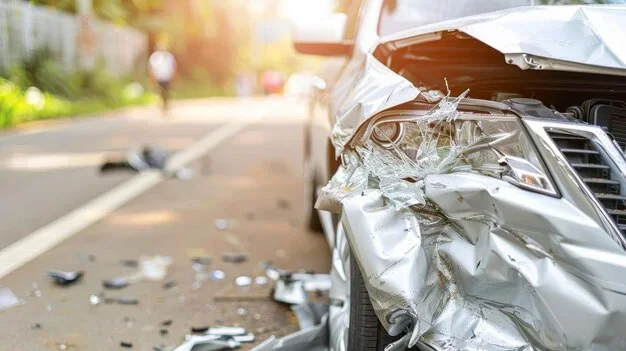
The damage to a vehicle in a high-impact collision tells a clear story about the speed involved. At low speeds, you might see cosmetic damage like scratches or dented bumpers. At higher speeds, the damage becomes structural.
Here is what you might see at different speeds:
- Under 15 mph: Minor bumper damage, scratches, or dents.
- 15 to 30 mph: Crushed bumpers, damaged headlights, and possible misalignment of the frame.
- 30 to 50 mph: Crumpled hoods, damaged engine blocks, deployed airbags, and bent door frames.
- Above 50 mph: Severe structural damage, crushed cabins, and vehicles that may be totaled beyond repair.
Experts in accident reconstruction use the pattern of vehicle damage to estimate the speed at which a crash occurred. This is a key part of their work when investigating fatal or serious speed-related crashes.
Injury Severity and Speed
The injuries that result from a high-impact collision also depend heavily on speed. At lower speeds, occupants might walk away with minor bruises or soreness. But as speed increases, the types and severity of injuries change dramatically.
At speeds above 40 mph, the body experiences enormous forces. The head snaps forward and backward, which can cause traumatic brain injuries. The chest impacts the steering wheel or dashboard, which can break ribs and damage internal organs. The legs and feet can be crushed by the collapsed dashboard or pedals.
At very high speeds, the forces can be so great that ejection from the vehicle becomes a real risk. This is why wearing a seatbelt is so critical. It keeps you inside the vehicle, where the crumple zones and airbags can do their job.
Common Types of High-Impact Collisions
Not all high-impact collisions look the same. Different types of crashes carry different levels of danger depending on the speed, angle, and vehicles involved. Let us look at the most common types.
Head-On Collisions
A head-on collision is when the front ends of two vehicles strike each other. These crashes are among the most dangerous because the combined speed of both vehicles doubles the force of impact. A head-on crash at 40 mph for each vehicle is like hitting a wall at 80 mph. This type of high-impact collision has a very high fatality rate, especially when speeds exceed 45 mph.
T-Bone or Side-Impact Crashes
A T-bone crash happens when the front of one vehicle strikes the side of another. These often occur at intersections when a driver runs a red light or fails to yield. The side of a vehicle has less crumple zone protection than the front or rear. So even at moderate speeds, a T-bone crash can be severe. At speeds above 35 mph, these crashes become true high-impact collisions with a high risk of serious injury.
Rear-End Collisions
Rear-end collisions are the most common type of crash on the road. They often happen at lower speeds, like in stop-and-go traffic. But when a rear-end crash occurs at highway speeds, it can become a high-impact collision. A car traveling at 60 mph that rear-ends a slower vehicle can cause massive damage and severe injuries to the occupants of the lead vehicle.
Single-Vehicle Crashes
Not all high-impact collisions involve two vehicles. A single-car crash into a tree, a pole, or a concrete barrier at high speed can be just as deadly. The vehicle absorbs all of the impact energy by itself, with nothing to share the force. These crashes are common on rural highways where speeds are higher and the roads may have fixed objects along the edges.
Injuries Caused by High-Impact Collisions
The injuries from a high-impact collision can range from minor to life-threatening. The speed of the crash, the type of impact, and the safety features in the vehicle all play a role. Here are some of the most common injuries seen in these crashes.
Broken Bones
Broken bones are one of the most frequent injuries in speed-related crashes. The arms, legs, ribs, and pelvis are especially vulnerable. At speeds above 40 mph, the force of impact can easily fracture bones. In the worst cases, limbs may need to be amputated if the damage is too severe.
Traumatic Brain Injuries
A traumatic brain injury, or TBI, happens when the brain is jolted or struck inside the skull. This is common in high-impact collisions where the head hits the steering wheel, dashboard, or window. TBIs can range from mild concussions to severe brain damage that changes a person’s life forever.
Spinal Cord Injuries
The spinal cord carries messages between the brain and the rest of the body. A severe impact can damage or sever the spinal cord, leading to partial or complete paralysis. These injuries are more common in high-speed crashes and are often permanent.
Internal Bleeding
Internal bleeding is a hidden danger in high-impact collisions. It may not be visible right away, but it can be life-threatening if not treated quickly. The force of a crash at 50 mph or more can rupture organs like the liver, spleen, or kidneys.
Burns
If a vehicle catches fire after a crash, occupants can suffer severe burns. Fuel leaks in a high-speed accident increase the risk of fire. Burns from a crash can require extensive surgeries and long recovery periods.
How to Stay Safe on the Road
The best way to avoid a high-impact collision is to prevent the crash from happening in the first place. While you cannot control everything on the road, there are many steps you can take to reduce your risk.
Follow Speed Limits
Speed limits are not suggestions. They are carefully set based on road conditions, traffic patterns, and crash data. Driving over the speed limit reduces your reaction time and increases the force of any potential impact. Staying at or below the speed limit is one of the simplest ways to stay safe.
Keep a Safe Following Distance
Tailgating is a major cause of rear-end crashes. Keep at least a three-second gap between your car and the vehicle ahead. In bad weather, increase this to five or six seconds. This gives you more time to react and stop safely.
Avoid Distractions
A distracted driver is a dangerous driver. Texting, eating, or even adjusting the radio can take your eyes off the road for critical seconds. At highway speeds, a car can travel the length of a football field in just a few seconds. Stay focused on driving at all times.
Wear Your Seatbelt
This may sound basic, but seatbelts save lives. In a high-impact collision, a seatbelt keeps you inside the vehicle and spreads the force of impact across the stronger parts of your body. It also prevents you from being thrown from the car, which is almost always fatal.
Maintain Your Vehicle
Well-maintained vehicles are safer vehicles. Keep your brakes, tires, and lights in good working order. Bald tires can cause you to lose control, especially on wet roads. Faulty brakes increase your stopping distance. Regular maintenance helps ensure your car can protect you when it matters most.
Drive for the Conditions
Even if you are under the speed limit, driving too fast for conditions is dangerous. Rain, fog, ice, and darkness all reduce visibility and traction. Slow down when the weather is bad. No trip is worth risking a high-speed accident.
What to Do After a Crash
If you are involved in a high-impact collision, stay calm. Check yourself and others for injuries. Call 911 immediately if anyone is hurt. Do not move severely injured people unless they are in immediate danger. Exchange information with the other driver, and take photos of the scene. Seek medical attention even if you feel fine, because some injuries do not show symptoms right away.
Key Takeaways
- Speed matters enormously: Even a small increase in speed can multiply the force of impact in a high-impact collision.
- 40 mph is the common threshold: Most experts consider crashes at 40 mph or above to be high-impact events.
- Vehicle damage tells a story: The type and extent of damage can help determine the impact speed of a crash.
- Injuries get worse with speed: Higher speeds lead to more severe injuries, from broken bones to traumatic brain injuries.
- Stopping distance increases with speed: The faster you drive, the longer it takes to stop, raising the risk of a speed-related crash.
- Safety features help but have limits: Airbags, crumple zones, and seatbelts reduce harm but cannot fully protect at very high speeds.
- Awareness saves lives: Knowing the risks of high-speed accidents encourages safer driving habits for everyone.
Frequently Asked Questions
What speed is considered a high-impact collision?
Most experts define a high-impact collision as a crash that occurs at 40 mph or higher. At this speed, the force of impact is strong enough to cause severe vehicle damage and serious injuries. However, the exact threshold can vary based on the type of crash, the vehicles involved, and road conditions.
Can a low-speed crash still cause serious injuries?
Yes, even crashes under 20 mph can cause injuries, especially to pedestrians or cyclists. Soft tissue injuries like whiplash can occur at low speeds. But the risk of life-threatening injuries increases significantly as speed rises above 40 mph.
How does speed affect the force of impact in a crash?
Speed affects impact force exponentially, not linearly. Doubling your speed quadruples the energy in a crash. This is why speed-related crashes at 60 mph are so much more destructive than crashes at 30 mph. The physics behind this make speed the most critical factor in crash severity.
What should I do if I am involved in a high-impact collision?
First, check yourself and others for injuries. Call 911 right away if anyone is hurt. Stay at the scene and exchange information with the other driver. Take photos of the damage and the road conditions. Seek medical attention even if you feel okay, because some injuries take time to appear.
Do vehicle safety features protect you in a high-impact collision?
Modern safety features like airbags, crumple zones, and seatbelts are designed to absorb energy and protect occupants. They work very well in moderate-speed crashes. But at very high speeds, even the best vehicle safety ratings and crash test results cannot fully prevent serious injuries. Safety features give you a better chance, but they cannot eliminate all risk.
How can I reduce my risk of being in a high-impact collision?
Follow the speed limit, keep a safe following distance, avoid distractions, and always wear your seatbelt. Maintain your vehicle so brakes and tires work properly. Adjust your driving for weather and road conditions. These simple habits can greatly reduce your chances of being involved in a speed-related crash.
=== CONCLUSION ===
A high-impact collision is a serious event that can change lives in an instant. The speed at which a crash occurs is the biggest factor in determining how severe the damage and injuries will be. While 40 mph is generally the threshold that separates moderate crashes from truly dangerous ones, the reality is that any crash carries some level of risk.
Understanding the speed thresholds and the physics behind them empowers you to make better decisions on the road. Slowing down, staying alert, and following traffic rules are not just legal obligations. They are choices that protect you, your passengers, and everyone else on the road.
The next time you get behind the wheel, remember that your speed is not just a number on the speedometer. It is a measure of the energy that will be released in a crash if something goes wrong. Drive safely, stay aware, and never underestimate the power of a high-impact collision. Your life depends on it.