How to Take a Tonneau Cover Off Your Pickup Truck Bed
Removing a tonneau cover from your pickup truck bed is easier than most truck owners think. Whether you have a soft roll-up cover, a hard tri-fold, or a retractable model, the process follows a few simple steps. This guide walks you through tonneau cover removal for every cover type, including the tools you need, common mistakes to avoid, and tips to keep your cover in great shape. You will walk away knowing exactly how to remove, store, and maintain your truck bed cover like a pro.
Your pickup truck bed is more than just a cargo area. It is your mobile workspace, your weekend adventure starter, and sometimes your whole livelihood. A tonneau cover protects everything you haul from weather, theft, and road debris. But there comes a time when you need to take that cover off, whether for a big load, a cleaning session, or a simple upgrade.
How to take a tonneau cover off your pickup truck bed does not have to be a frustrating chore. Most owners figure it out in under 30 minutes once they know the steps. The trick is understanding your specific cover type and following the right sequence. This guide breaks down the entire tonneau cover removal process in plain, simple language. You will learn what tools to grab, how to handle each cover style, and how to keep your cover working great for years to come.
Let us get into it. No jargon, no confusing instructions, just real-world steps that work.
Key Takeaways
- Know your cover type first: Soft, hard, folding, and retractable covers each have a unique removal process.
- Gather the right tools: A socket wrench, screwdriver, and soft cloth are usually all you need.
- Follow the step-by-step process: Release clamps, unhinge panels, and lift carefully to avoid damage.
- Avoid common mistakes: Rushing, skipping support, and ignoring the manual cause unnecessary wear.
- Maintain your cover after removal: Cleaning and proper storage extend the life of your truck bed accessories.
- Replace when needed: Cracks, fading, and broken latches signal it is time for a new truck bed cover.
📑 Table of Contents
- Understanding Your Tonneau Cover Type
- Tools You Will Need for Tonneau Cover Removal
- Step-by-Step Guide to Removing Your Tonneau Cover
- Common Mistakes to Avoid When Removing a Tonneau Cover
- Tips for Maintaining Your Tonneau Cover After Removal
- When to Replace Your Tonneau Cover Instead of Removing It
- Expert Tips for Easy Tonneau Cover Removal
- Reinstalling Your Tonneau Cover
- Final Thoughts
Understanding Your Tonneau Cover Type
Before you start removing anything, you need to know what kind of truck bed cover you have. Different covers use different fastening systems, and the removal method changes based on the design. Here are the most common types you will find on pickup trucks today.
Soft Roll-Up Tonneau Covers
Soft roll-up covers are the most popular style. They look like a large fabric curtain that rolls up toward the front of the bed. These covers use adjustable tonneau cover clamp brackets that attach to the bed rail on both sides. The front end usually hinges under the tailgate, and a side rail keeps the roll tight.
Removing a soft roll-up cover is one of the simplest jobs. You release the clamps, roll up the fabric, and lift it off the hinges. Many owners do this in just 10 to 15 minutes.
Hard Tri-Fold Tonneau Covers
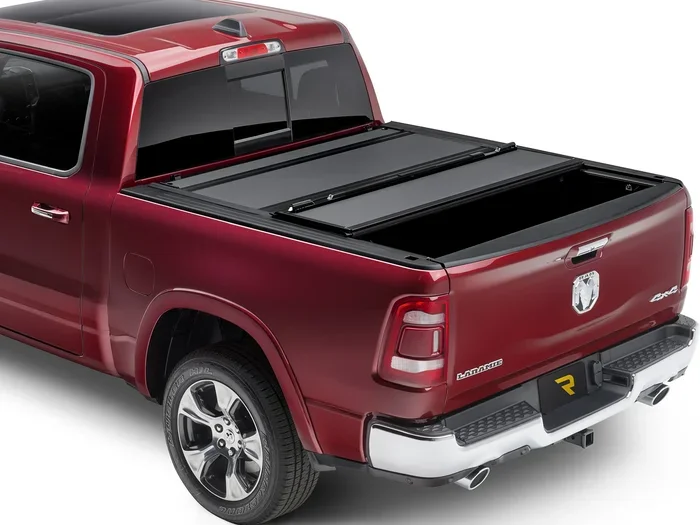
Hard tri-fold covers have three rigid panels that fold up like an accordion. They are made from aluminum, fiberglass, or ABS plastic. These covers use a combination of tonneau cover hinge pins, side rails, and sometimes rear latch systems. They offer excellent weather protection and cargo security.
Removing a tri-fold cover takes a few more steps than a soft cover. You must release the hinge pins, disconnect the side rail clamps, and carefully fold and lift the panels. It helps to have a second person because the panels can be heavy and awkward.
Retractable Tonneau Covers
Retractable covers slide back and forth on a track system mounted to the bed rail. They are usually made from reinforced vinyl or aluminum. These covers provide a sleek, streamlined look and excellent cargo security. Popular brands include BakFlip, Extang, and Tyger Auto.
Removing a retractable cover involves releasing the track locks, sliding the cover to one end, and lifting it off the mounting brackets. The process is straightforward but requires careful handling of the sliding mechanism.
Folding and Snap-On Covers
Folding covers fold into sections like a hard tri-fold but are lighter and often more affordable. Snap-on covers use a clip-and-groove system that snaps directly onto the bed rail. Both types are popular for owners who want easy tonneau cover removal without special tools.
Tools You Will Need for Tonneau Cover Removal
One of the best things about removing a truck bed cover is that you do not need a garage full of tools. Most removals require just a few basic items. Here is what you should have ready before you start.
- Socket wrench set – for loosening clamp bolts and hinge pins
- Phillips and flat-head screwdrivers – for releasing latches and fasteners
- Soft microfiber cloth – for cleaning the cover and bed rails
- Rubber mallet – for gently tapping hinge pins loose
- Soft blanket or moving pad – for laying the cover down safely
- Gloves – to protect your hands from sharp edges
- Your cover’s owner manual – always a good idea to have nearby
You do not need power tools for most tonneau cover removal jobs. A basic hand tool kit handles the vast majority of covers. If your cover has special fasteners, the owner manual will list them. Keep that manual in your glove box for future reference.
Step-by-Step Guide to Removing Your Tonneau Cover
Now for the part you have been waiting for. Here is a detailed walkthrough of the tonneau cover removal process. We will cover the general steps that apply to most cover types, then break down specifics for each style.
Step 1: Prepare Your Workspace
Start by parking your truck on a flat, level surface. Make sure the engine is off and the tailgate is open. This gives you full access to the rear of the bed. Lay your soft blanket or moving pad on the ground beside the truck bed. This is where you will set the cover down once it is removed.
Clear any items from the truck bed. You cannot remove the cover with gear, tools, or cargo still in the way. A clean bed makes the whole process faster and safer.
Step 2: Release the Clamps or Fasteners
Most truck bed covers use clamps or brackets to hold the cover to the bed rails. Start on one side of the truck and work your way across. Use your socket wrench to loosen each clamp bolt. Do not remove the bolts completely yet, just loosen them enough to free the cover.
For soft roll-up covers, you will find the clamp brackets on both sides of the bed rail. For hard covers, the clamps may be hidden under trim pieces. Take your time and work methodically. Rushing this step is the number one cause of scratched bed rails and damaged clamps.
Step 3: Disconnect the Hinges or Mounting Points
Once the clamps are loose, move to the hinge points. These are the spots where the cover attaches to the truck at the front, rear, or sides. Use your screwdriver to remove any fasteners holding the hinges in place.
For tri-fold and folding covers, you will need to remove the hinge pins. Gently tap them loose with a rubber mallet if they are stuck. For retractable covers, release the track locks before attempting to lift the cover off the mounting brackets.
Step 4: Remove the Cover from the Truck
With all clamps, hinges, and fasteners released, you can now lift the cover off the truck. For soft covers, roll the fabric up as you lift. For hard covers, you will likely need a helper. The panels can be heavy, and trying to manage them alone risks bending or cracking the surface.
Set the cover carefully onto your prepared blanket on the ground. Avoid dragging it across concrete or asphalt, which can scratch or tear the surface.
Step 5: Inspect and Store Properly
Take a moment to inspect the cover for any damage before storing it. Look for cracks, tears, loose hardware, or worn seals. Clean the cover with a mild soap and water solution, then let it dry completely before folding or rolling it up.
Store the cover in a cool, dry place. Direct sunlight and extreme heat degrade vinyl and plastic over time. A garage or covered storage area is ideal. If you must store it outside, use a breathable cover bag to prevent moisture buildup.
Common Mistakes to Avoid When Removing a Tonneau Cover
Even simple jobs go wrong when you skip steps or take shortcuts. Here are the most common mistakes truck owners make during tonneau cover removal and how to avoid them.
- Skipping the owner manual: Every cover has specific removal instructions. The manual saves you time and prevents damage.
- Removing clamps unevenly: Always loosen clamps on both sides before fully removing them. Uneven pressure warps hard covers and stretches soft ones.
- Forcing hinge pins loose: If a pin is stuck, do not use excessive force. Apply penetrating oil and let it sit for a few minutes before trying again.
- Lifting hard covers alone: Tri-fold and rigid covers are heavy. Get a helper to avoid back strain and accidental drops.
- Dragging the cover on rough surfaces: Always use a blanket or pad when setting the cover down. Concrete is especially damaging to vinyl and plastic.
- Ignoring loose hardware: If a bolt or fastener feels stripped or damaged, replace it before reinstalling. Loose hardware causes rattles and poor fit.
Avoiding these simple mistakes keeps your truck bed cover in top condition and makes every future removal faster and easier.
Tips for Maintaining Your Tonneau Cover After Removal
Once you have removed your cover, this is the perfect time to give it some care. Regular maintenance keeps your truck bed accessories performing well and looking great. Here are some practical tips.
Clean the Cover Thoroughly
Use a mild automotive soap and a soft sponge to wash the entire cover. Rinse thoroughly and let it air dry. For soft covers, apply a UV-protectant vinyl conditioner after cleaning. This prevents fading and cracking caused by sun exposure.
Check All Hardware
Inspect every clamp, hinge, latch, and fastener. Tighten any loose bolts and replace any that are stripped or rusted. Hardware is inexpensive, but replacing it on time prevents bigger problems later.
Lubricate Moving Parts
For retractable and folding covers, apply a silicone-based lubricant to tracks, hinges, and sliding mechanisms. This keeps everything operating smoothly and prevents squeaking or sticking.
Inspect the Seal and Weather Stripping
Check the rubber seals around the edges of the cover. If they are cracked, compressed, or falling off, replace them. Good seals are essential for weather protection and keeping your cargo dry during rain storms.
Taking 15 to 20 minutes for maintenance after each removal pays off big time. A well-maintained cover lasts many more years and performs better than one that is neglected.
When to Replace Your Tonneau Cover Instead of Removing It
Sometimes tonneau cover removal leads to a realization: the cover is worn out and needs replacing. Here are the signs that it is time for a new truck bed cover rather than putting the old one back on.
- Cracks or splits in the cover material: These let water and dust into the bed, defeating the purpose of the cover.
- Broken or missing latches: If the cover no longer stays secure, it is a safety hazard on the road.
- Warped or bent panels: Hard covers that are no longer flat do not seal properly against the bed.
- Faded or brittle vinyl: UV damage weakens the material over time. If it feels crispy or looks chalky, replacement is the smart move.
- Rusted or corroded hardware: Metal fasteners that are heavily rusted may not hold the cover securely.
- Track damage on retractable covers: If the sliding mechanism is bent or jammed, repair costs often exceed the price of a new cover.
Most quality truck bed covers last between five and ten years with proper care. If yours is falling apart sooner, check your warranty. Many manufacturers offer tonneau cover warranty coverage that replaces or repairs defective covers at no cost to you.
Expert Tips for Easy Tonneau Cover Removal
Here are some insider tips from experienced truck owners and detailing professionals. These small habits make a big difference in your tonneau cover removal experience.
Mark your clamps with tape. When you loosen a clamp, put a small piece of colored tape on it. This helps you remember which clamp goes where during reinstallation. It is a tiny step that saves a lot of confusion.
Take photos during the process. Before you remove any hardware, snap a photo of how everything is connected. If you get stuck during reinstallation, the photos serve as a helpful reference.
Keep a small bag for all hardware. Bolts, pins, and clips are easy to lose when they are scattered on the ground. Use a magnetic tray or a small zip-lock bag to keep everything organized.
Work with a buddy for hard covers. A second pair of hands makes removing heavy tri-fold and rigid covers much safer and easier. It also reduces the risk of scratching your truck bed or damaging the cover.
Check the weather forecast. Do not remove your cover on a windy or rainy day. You want a calm, dry environment so you can work comfortably and keep dust and moisture out of your truck bed.
Reinstalling Your Tonneau Cover
Once you have completed your task and maintained the cover, it is time to put it back on. The reinstallation process is essentially the reverse of removal. Start by positioning the cover on the truck bed and aligning the hinges and mounting points. Reinstall all fasteners and hinge pins, then tighten the clamps evenly on both sides.
Before closing everything up, check that the cover sits flush against the bed rails with no gaps. Test the latch and lock mechanisms to make sure they engage properly. For soft covers, roll the fabric out fully and make sure the side rail holds it snugly in place.
A properly reinstalled truck bed cover should feel secure, look even, and operate smoothly. If something feels off, go back and double-check each connection point. It is always better to fix a small issue now than deal with a rattling cover on the highway later.
Final Thoughts
How to take a tonneau cover off your pickup truck bed is a skill every truck owner should have. Whether you need to haul an oversized load, clean your bed, or swap out your cover, the process is straightforward once you know the steps. Start by identifying your cover type, gather your tools, and follow the step-by-step guide above. Avoid the common mistakes, take care of your cover after removal, and you will enjoy a secure, weatherproof truck bed for years to come.
Take your time, work carefully, and do not be afraid to ask a friend for help with the heavier covers. A little patience goes a long way in protecting both your truck and your truck bed cover. Now you are ready to handle any tonneau cover removal job with confidence.
Frequently Asked Questions
How long does it take to remove a tonneau cover?
Most tonneau cover removal jobs take between 10 and 30 minutes. Soft roll-up covers are the fastest, while hard tri-fold covers take a bit longer due to the number of hinges and fasteners involved.
Do I need any special tools to remove a tonneau cover?
No special tools are required for most covers. A basic socket wrench set, a screwdriver, and a rubber mallet handle the vast majority of tonneau cover removal tasks. Always check your owner manual for any cover-specific requirements.
Can I remove a tonneau cover by myself?
Yes, soft roll-up and snap-on covers are easy to remove solo. Hard tri-fold covers are heavy and benefit from a second person, but they can still be removed alone with patience and care.
How often should I remove my tonneau cover for maintenance?
A good rule of thumb is to inspect and clean your truck bed cover every few months. Full removal for deep cleaning is usually done once or twice a year, or whenever you notice dirt buildup or wear.
Will removing my tonneau cover void the warranty?
No. Most manufacturers include tonneau cover warranty coverage that allows normal removal, installation, and maintenance. Check your specific warranty terms for any exceptions or conditions.
What is the best way to store a tonneau cover after removal?
Store your cover in a cool, dry place away from direct sunlight. Use a breathable cover bag and make sure the cover is completely dry before storing it. This prevents mold, mildew, and UV damage to the material.
=== CONCLUSION ===
How to take a tonneau cover off your pickup truck bed is a simple process once you understand your cover type and follow the right steps. From soft roll-up models to heavy-duty tri-fold covers, every truck bed cover can be removed safely with basic tools and a little patience. Remember to prepare your workspace, release clamps and hinges carefully, and store your cover properly after removal. Regular maintenance and smart storage keep your truck bed accessories in excellent condition for years of reliable use. Now you have the knowledge and confidence to handle any tonneau cover removal job with ease. Go ahead, give your truck bed the care it deserves, and enjoy the open bed whenever you need it.