What to Do After Installing a New Battery in Your Car
Installing a new car battery is only half the job. You must check terminals, reset systems, test voltage, and properly dispose of the old unit. Taking the right steps after a car battery replacement prevents electrical issues and extends battery life significantly.
Swapping out a dead battery for a fresh one feels like a win. Your car roars back to life, the lights shine bright, and everything seems perfect. But here is the thing many drivers miss. The job is not really done yet.
What you do after installing a new battery matters just as much as the installation itself. Skip a few small steps, and you could face electrical gremlins, warning lights, or even a shorter battery life. On the other hand, follow the right process, and your new vehicle battery will serve you reliably for years.
This guide walks you through every essential step. Whether you just replaced your battery at home or had a mechanic do it, these tips will help you get the most out of your investment. We will cover terminal checks, system resets, testing, and proper disposal. By the end, you will know exactly what to do and why it matters.
Let us make sure your hard work pays off. A new car battery replacement deserves the right follow-up care.
Key Takeaways
- Always inspect terminals and connections to prevent corrosion and ensure proper power flow.
- Reset your car’s computer systems after a battery swap to restore optimal settings.
- Test the new battery with a multimeter to confirm it charges correctly.
- Dispose of your old battery responsibly at a certified recycling center.
- Register the new battery if your vehicle requires it for proper monitoring.
- Watch for warning signs like dim lights or dashboard alerts after installation.
- Follow a regular battery maintenance schedule to maximize lifespan.
📑 Table of Contents
Why Proper Post-Installation Steps Matter
Think of a new battery like a fresh start for your car. But just like starting a new job, you need to set things up correctly. Without the right steps, problems can sneak in quietly.
Modern cars rely heavily on electricity. Your battery health affects the engine, the lights, the infotainment system, and even safety features. A loose connection or an unreset module can cause surprising issues down the road.
Taking a few extra minutes after installation saves you time and money. It also keeps your battery maintenance routine on track. Most drivers do not realize how much a simple reset or terminal cleaning can extend battery life.
The Risk of Skipping Post-Install Steps
What happens if you just drive away? Several things can go wrong. Your car may not shift gears properly if the transmission module needs a reset. Warning lights might stay on even when nothing is broken. And in some cases, a loose terminal can cause intermittent power loss that is very hard to diagnose later.
Some vehicles also lose important settings after a power loss. Your radio presets, power window calibration, and even seat positions may need to be reprogrammed. These small inconveniences add up fast if you are not prepared.
Step-by-Step: What to Do After Installing a New Battery
Now let us get into the practical steps. Follow these in order for the best results. Each one addresses a specific need that comes with a fresh battery.
Step 1: Inspect the Battery Terminals and Connections
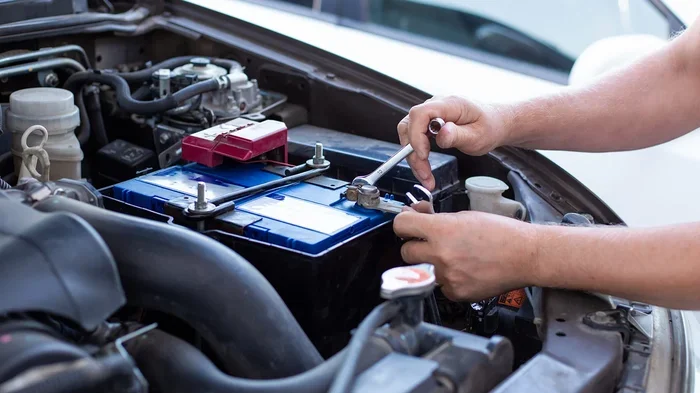
Start with the basics. Look at the battery terminals where the cables connect. They should be tight and free of any white, green, or bluish gunk. That gunk is corrosion, and it stops electricity from flowing properly.
Use a wire brush or a battery terminal cleaner to remove any buildup. If the terminals look corroded even after cleaning, consider replacing them. Clean metal-to-metal contact is essential for good battery health.
After cleaning, apply a thin layer of dielectric grease or petroleum jelly. This protects the terminals from future corrosion and keeps the connection strong. It is a tiny step that makes a big difference.
Step 2: Reset Your Car’s Computer Systems
Many modern vehicles have an onboard computer that controls everything from fuel injection to idle speed. When you disconnect the battery, this computer loses its learned settings. You need to let it relearn them.
To reset the system, simply drive the car gently for about 15 to 20 minutes. Avoid aggressive acceleration. Let the engine idle at a few stoplights. This gives the computer time to recalibrate idle speed, fuel trim, and other parameters.
Some vehicles also require a specific reset procedure. Check your owner’s manual for details. In certain models, you may need to hold a button combination on the dashboard to reset the ECU reset process.
Step 3: Test the New Battery
Do not assume the new battery is working perfectly just because the car started. Testing is a critical step. You want to confirm the battery is charging correctly and holding a proper voltage level.
If you have a multimeter, you can test the battery yourself. Set it to DC voltage and touch the probes to the positive and negative terminals. A healthy battery should read around 12.6 volts when the engine is off. With the engine running, it should read between 13.7 and 14.7 volts.
If you do not own a multimeter, many auto parts stores will test your battery for free. They can also check your battery charging system to make sure the alternator is doing its job. This is a quick and easy way to confirm everything is working.
Step 4: Register the New Battery (If Required)
Some car manufacturers require you to register a new battery in the vehicle’s system. This is especially common in BMW, Mercedes-Benz, Audi, and Volkswagen models. The car’s computer tracks battery age and condition, and it adjusts the charging rate accordingly.
If you skip registration, the vehicle may overcharge or undercharge the new battery. This can significantly shorten its lifespan. You can register the battery at a dealership or with a compatible diagnostic tool. Some independent mechanics also offer this service.
Even if your car does not require formal registration, it is worth checking. A quick search online for your specific model and year will tell you if battery registration is needed. Taking this step protects your battery warranty and ensures the charging system works as designed.
Step 5: Dispose of the Old Battery Properly
Old car batteries contain lead and sulfuric acid. They are hazardous waste and must be recycled properly. Never throw them in the trash or leave them in a landfill.
Most auto parts stores accept old batteries for recycling. When you buy a new battery, they often take the old one back at no charge. Some recycling centers and junkyards also accept used batteries.
Handle the old battery with care. Wear gloves and avoid tipping it, as acid can leak. Place it upright in your trunk or on a flat surface during transport. Proper battery disposal keeps you safe and helps the environment.
Common Issues After a Battery Swap
Even when you follow all the steps, some issues can still pop up. Knowing what to expect helps you respond quickly and avoid panic.
Battery Won’t Hold a Charge
If your new battery keeps dying, something else might be draining it. A parasitic draw from a faulty module or a dome light left on can slowly kill a new battery. You can test for this by disconnecting the negative terminal and measuring the current draw with a multimeter.
Another common cause is a failing alternator. If the alternator does not charge the battery properly, even a brand-new unit will die quickly. Have the alternator tested alongside the battery to rule this out.
Dashboard Warning Lights Stay On
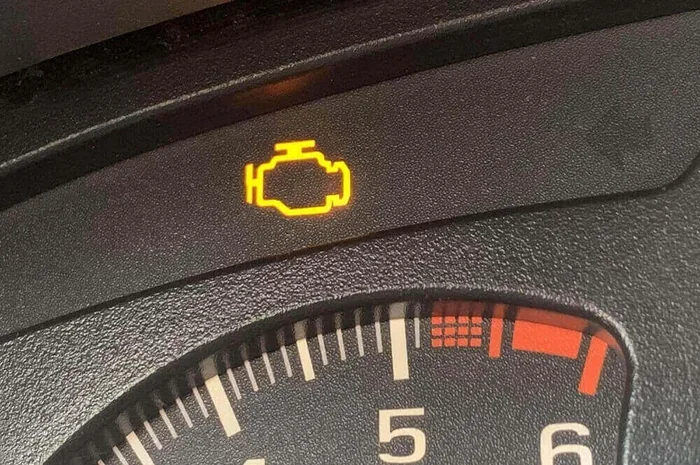
After a battery disconnect, several warning lights may illuminate. The check engine light, battery light, and ABS light are common culprits. In most cases, these lights will turn off once the car completes its relearning process.
If the lights stay on after a few days of driving, use a diagnostic scanner to check for error codes. Sometimes the car needs a full reset or a module reprogramming. A quick visit to a mechanic with the right tools usually fixes this.
Electrical Accessories Behave Strangely
Power windows that reverse unexpectedly, a radio that resets every time you turn off the car, or a power seat that needs reprogramming. These are all normal after a battery change. The vehicle’s modules lose their calibration and need to relearn.
To fix power window calibration, raise and lower each window fully using the switch several times. For the radio, simply enter your station presets again. These small resets restore normal function within a day or two of driving.
How to Maintain Your New Car Battery
Installation is just the beginning. Proper ongoing care keeps your new battery strong and reliable. A little maintenance goes a long way toward avoiding unexpected breakdowns.
First, keep the terminals clean. Inspect them once a month for any signs of corrosion. A quick wipe with a baking soda and water solution works wonders. Dry the area thoroughly after cleaning.
Second, avoid short trips when possible. Short drives do not give the alternator enough time to fully recharge the battery. If you take many short trips, consider using a battery maintainer or trickle charger during periods of inactivity.
Third, check the battery hold-down bracket. A loose battery vibrates inside the tray, which damages the internal plates over time. Make sure the battery sits snugly and the bracket is tight.
Fourth, monitor your battery lifespan. Most car batteries last between three and five years. Keep track of your installation date and plan for a replacement before the battery fails unexpectedly. This proactive approach keeps you from getting stranded.
When to Replace Your Battery Again
Knowing when to replace a battery saves you from sudden failures. Watch for these warning signs. Slow engine cranking is the most common indicator. If your engine takes longer to turn over than usual, the battery may be weakening.
Dim headlights, especially at idle, also signal a fading battery. If you notice the lights dim when you turn on the AC or the heater, the battery is struggling to keep up with the electrical demand.
Modern batteries often show a colored indicator window on top. Green means good, black means needs charging, and white or clear means the battery is dead. Check this indicator periodically for a quick health assessment.
Also, consider your climate. Extreme heat and extreme cold both shorten battery life. If you live in a harsh climate, you may need to replace your battery more frequently than the average driver.
Frequently Asked Questions
Can I drive immediately after installing a new battery?
Yes, you can drive right away after a battery swap. However, you should take it easy for the first 15 to 20 minutes. Let the car idle and avoid heavy acceleration. This gives the onboard computer time to relearn settings and adjust to the new power source.
Do I need to reset anything after replacing my car battery?
Most vehicles benefit from a reset of the onboard computer. Simply driving the car gently allows the ECU to recalibrate. Some models may also require you to reset the clock, radio presets, and power window calibration. Check your owner’s manual for any model-specific reset procedures.
How long does a new car battery last?
A typical car battery lasts between three and five years. The exact lifespan depends on driving habits, climate, and battery quality. Regular maintenance and avoiding short trips can help extend the life of your new car battery significantly.
Can a bad battery cause other car problems?
Yes, a weak or failing battery can cause a range of issues. It can lead to dim lights, erratic electronics, and difficulty starting the engine. In some cases, it can even strain the alternator. Keeping your battery in good condition protects the entire electrical system.
Should I disconnect the battery if my car sits for a long time?
Yes, disconnecting the negative terminal is a good idea if your car will sit unused for more than a week. This prevents slow battery drain from parasitic draws. Alternatively, you can use a battery maintainer or trickle charger to keep the battery topped off during long storage periods.
Can I replace my car battery myself?
Absolutely. Most car battery replacements are straightforward. You disconnect the negative terminal first, then the positive, remove the hold-down bracket, and swap in the new battery. Always wear gloves and safety glasses, and make sure the car is off and parked on a level surface before starting.
Final Thoughts
Installing a new car battery is a satisfying job. But the real secret to long-lasting performance lies in what you do afterward. Inspect those terminals, reset your systems, test the voltage, and dispose of the old battery the right way.
These small steps protect your investment and keep your car running smoothly. A well-maintained battery means fewer surprises and more confidence every time you turn the key. Think of it as the finishing touch on a job well done.
Remember, your vehicle depends on a steady flow of electrical power. Treat your new battery with care, and it will reward you with reliable starts and trouble-free driving for years to come. Take a few extra minutes after each battery change, and you will thank yourself later.