What Truck Has the Longest Life Expectancy Top Picks
Finding a truck with the longest life expectancy comes down to build quality, engine type, and brand reputation. The Toyota Tacoma, Ford F-Series, and Chevrolet Silverado consistently rank at the top for durability and longevity. In this guide, we break down the best long-lasting trucks on the market, compare their reliability, and share practical tips to help your pickup reach 300,000 miles or more.
When you buy a truck, you are not just making a purchase. You are making a long-term commitment. Trucks are expensive, and you want to get every mile out of them. That is why the question of what truck has the longest life expectancy matters so much to buyers.
Some trucks roll off the assembly line and quietly keep running for decades. Others need major repairs within a few years. The difference comes down to engineering, engine type, build quality, and how well the owner maintains the vehicle. In this article, we will explore the trucks that have earned their reputation for lasting the longest. We will look at real-world data, owner reports, and expert opinions to help you make a smart buying decision.
Whether you need a durable work truck for your business or a reliable daily driver for your family, this guide covers it all. We will compare the top contenders, highlight their strengths, and give you practical advice on how to extend the life of any pickup you own.
Key Takeaways
- Toyota Tacoma Leads the Pack: Known for exceptional reliability and a proven track record of lasting well beyond 300,000 miles with proper care.
- Ford F-Series Dominates the Full-Size Segment: The F-150 is one of the best-selling trucks in history, and many models easily surpass 250,000 miles.
- Diesel Engines Outlast Gasoline: Diesel powertrains generally offer better longevity, higher towing capacity, and lower long-term wear.
- Regular Maintenance Is Non-Negotiable: Even the most durable truck will fail early without consistent oil changes, fluid flushes, and timely repairs.
- Resale Value Reflects Longevity: Trucks with the longest life expectancy also hold their value remarkably well in the used market.
- Brand Reputation Matters: Toyota, Ford, and Chevrolet have decades of engineering data supporting their truck durability claims.
📑 Table of Contents
- Understanding Truck Life Expectancy
- Top Trucks With the Longest Life Expectancy
- Diesel vs. Gasoline: Which Powertrain Lasts Longer?
- Maintenance Tips to Maximize Truck Life
- Comparing Longest-Lasting Trucks
- Common Mistakes That Shorten Truck Life
- How to Choose the Right Long-Lasting Truck for You
- Expert Insights on Truck Longevity
- Key Takeaways
- Conclusion
Understanding Truck Life Expectancy
Before we dive into specific models, let us talk about what actually determines how long a truck lasts. Life expectancy is not just about the odometer reading. It is about the overall health of the vehicle over time.
What Does Truck Life Expectancy Mean?
When experts talk about truck lifespan, they usually refer to the number of miles a vehicle can travel before major systems fail. For most trucks, this falls in the range of 200,000 to 350,000 miles. However, some well-maintained pickups have been known to exceed 400,000 miles.
The average truck life expectancy depends on several factors:
- Engine type: Diesel engines typically outlast gasoline engines by a significant margin.
- Drivetrain: Four-wheel-drive trucks may experience more wear on components than two-wheel-drive models.
- Usage: A truck used for light commuting will last longer than one used for heavy towing and hauling.
- Maintenance habits: Regular oil changes, fluid replacements, and timely repairs make a huge difference.
- Driving conditions: Trucks driven in extreme heat, cold, or salty coastal areas may experience faster corrosion and wear.
Understanding these factors helps you set realistic expectations. It also helps you choose a truck that fits your needs without overpaying for features you do not need.
How Do Manufacturers Measure Longevity?
Automakers use a combination of laboratory testing, real-world fleet data, and warranty claims to estimate truck durability. They look at powertrain failure rates, body corrosion, and component wear over time. However, no two trucks age the same way. Driving style, climate, and maintenance all play a role.
Independent organizations like Consumer Reports, J.D. Power, and RepairPal also track truck reliability ratings. These third-party sources give buyers a clearer picture of real-world performance. They are especially useful when comparing trucks from different brands.
Top Trucks With the Longest Life Expectancy
Now let us get to the good stuff. Here are the trucks that consistently earn top marks for longevity and reliability. These models have proven themselves over decades of real-world use.
Toyota Tacoma
The Toyota Tacoma is widely regarded as the king of long-lasting trucks. Since its introduction in 1995, the Tacoma has built a reputation for being nearly indestructible. Many owners report pushing their Tacomas past 300,000 miles without major engine or transmission issues.
Here is why the Tacoma stands out:
- Proven reliability: Toyota’s engineering philosophy focuses on simplicity and durability over flashy features.
- Strong resale value: Used Tacomas hold their value better than almost any other truck on the market.
- Low cost of ownership: Parts are affordable, and repairs are straightforward for most independent shops.
- Solid build quality: Toyota uses high-grade materials and rigorous quality control in its manufacturing process.
The Tacoma may not be the most powerful or the most luxurious truck. But when it comes to pure truck longevity, it is hard to beat. If you want a durable work truck that will keep running for years, the Tacoma should be at the top of your list.
Ford F-150
The Ford F-150 is the best-selling truck in America, and for good reason. It offers a perfect blend of capability, comfort, and durability. Many F-150 owners easily reach the 250,000-mile mark, and some push well beyond 300,000 miles.
Here is what makes the F-150 a strong contender for longest life expectancy:
- Multiple engine options: From the efficient EcoBoost V6 to the powerful 5.0L V8, Ford offers engines suited for different needs.
- Aluminum body: The aluminum-intensive body design reduces weight and resists corrosion better than traditional steel.
- Strong towing capacity: The F-150 can tow up to 14,000 pounds, making it a versatile choice for work and recreation.
- Widespread service network: Ford dealerships and independent shops are everywhere, making maintenance convenient.
The F-150 is a full-size pickup that balances everyday driving comfort with serious work capability. It is an excellent choice for buyers who want a truck that can do it all and last a long time.
Chevrolet Silverado 1500
The Chevrolet Silverado 1500 is another heavyweight in the longest-lasting truck category. GM has been building Silverados for decades, and the engineering improvements over the years have made the current generation remarkably reliable.
Key strengths of the Silverado 1500 include:
- Durability: The Silverado’s frame and drivetrain are built to handle heavy loads and tough conditions.
- Engine options: The 5.3L V8 and 6.2L V8 engines are known for their longevity and proven track record.
- Towing and hauling: The Silverado competes directly with the F-150 in both capability and reliability.
- Comfortable cabin: Modern Silverados offer a refined interior that makes long drives more enjoyable.
If you are looking for a reliable full-size truck with strong resale value and low long-term ownership costs, the Silverado 1500 deserves serious consideration.
Toyota Tundra
The Toyota Tundra is the full-size sibling of the Tacoma. It may not be as popular, but it shares Toyota’s commitment to reliability and durability. The Tundra has a loyal following of owners who appreciate its straightforward design and long service life.
Reasons the Tundra earns a spot on the best long-lasting truck list:
- Toyota reliability DNA: The same engineering philosophy that makes the Tacoma durable applies to the Tundra.
- Powerful V8 engine: The 5.7L i-FORCE V8 delivers strong performance and is built for longevity.
- Simple design: Fewer complex electronics means fewer things to go wrong over time.
- Strong frame: The Tundra’s full-size chassis is designed for heavy-duty use.
The Tundra may not offer the same level of refinement as some competitors, but it makes up for it with toughness and reliability. It is an excellent choice for buyers who prioritize truck durability over luxury features.
Ram 1500
The Ram 1500 has come a long way in recent years. Known for its smooth ride and upscale interior, the Ram 1500 also offers solid reliability. Many owners report reaching 200,000 to 250,000 miles with proper maintenance.
Here is what makes the Ram 1500 a good choice for long-term ownership:
- Comfortable ride: The Ram 1500 is widely considered the most comfortable full-size truck on the market.
- Strong V8 options: The 5.7L HEMI V8 is a proven powerhouse with a solid reliability record.
- Good towing capacity: The Ram 1500 can tow up to 12,750 pounds, making it capable for most needs.
- Competitive pricing: Rams often come with attractive incentives, lowering the upfront cost of ownership.
While the Ram 1500 may not quite match the Toyota models in raw reliability numbers, it is a strong competitor in the durable truck category. It is especially appealing for buyers who want a comfortable daily driver with work-truck capability.
Diesel vs. Gasoline: Which Powertrain Lasts Longer?
The engine type plays a huge role in determining truck life expectancy. Diesel and gasoline engines have fundamentally different characteristics that affect their longevity.
Why Diesel Engines Last Longer
Diesel engines are built differently from gasoline engines. They have stronger internals, heavier construction, and operate at lower RPMs. These factors contribute to a longer overall engine lifespan.
Key advantages of diesel engines for longevity include:
- Stronger internal components: Diesel pistons, connecting rods, and crankshafts are built to withstand higher compression ratios.
- Better lubrication: Diesel fuel has natural lubricating properties that reduce wear on internal parts.
- Lower RPM operation: Diesel engines typically run at lower RPMs, which reduces wear over time.
- Higher torque at low RPMs: This means less strain on the engine during heavy loads and towing.
However, diesel trucks come with higher upfront costs and potentially expensive repair bills for components like the fuel injection system and turbocharger. The long-term diesel truck maintenance cost can be higher, but the overall lifespan often justifies the investment.
When Gasoline Engines Make Sense
Gasoline engines are simpler, cheaper to repair, and more widely available. For many truck owners, a gasoline engine provides more than enough durability. Modern gasoline engines are incredibly refined and can easily reach 250,000 miles with proper care.
Choose gasoline if:
- You primarily use your truck for light-duty tasks and commuting.
- You want lower upfront and maintenance costs.
- You do not need the extreme towing capacity that diesel provides.
Choose diesel if:
- You regularly tow heavy loads or haul large equipment.
- You plan to keep the truck for a very long time.
- You want maximum fuel efficiency during highway driving.
Maintenance Tips to Maximize Truck Life
Even the most reliable truck will not reach its full potential without proper care. Maintenance is the single most important factor in extending your truck’s life expectancy. Here are practical tips that every truck owner should follow.
Follow the Maintenance Schedule
Every truck comes with a manufacturer-recommended maintenance schedule. This document outlines when to change the oil, replace filters, flush fluids, and inspect critical components. Following this schedule is the easiest way to prevent major breakdowns.
Key maintenance tasks include:
- Oil changes: Change your oil every 5,000 to 7,500 miles, or more frequently if you tow heavily.
- Transmission fluid: Flush the transmission fluid every 60,000 to 100,000 miles.
- Coolant system: Replace coolant according to the schedule to prevent overheating and corrosion.
- Brake inspections: Check brake pads and rotors regularly, especially if you haul heavy loads.
- Tire rotation: Rotate tires every 5,000 to 7,500 miles for even wear and longer tire life.
Address Problems Early
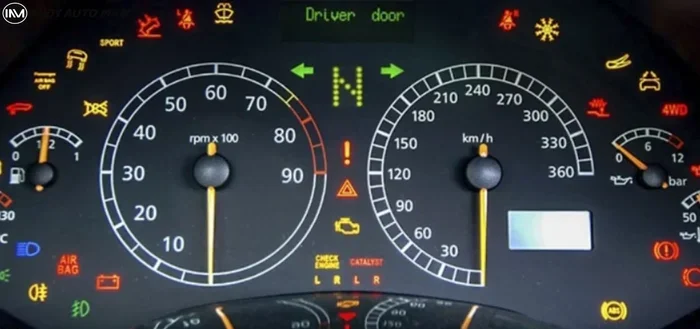
One of the biggest mistakes truck owners make is ignoring warning signs. A small noise, a warning light, or a slight change in performance can signal a bigger problem. Addressing issues early saves money and prevents cascading damage to other components.
Quick tip: Do not skip oil changes, even if you think the truck still runs fine. Clean oil is the lifeblood of your engine, and skipping changes accelerates wear significantly.
Keep It Clean
Washing your truck regularly does more than make it look good. It protects the paint, undercarriage, and bed from corrosion. Road salt, mud, and debris accelerate rust, which is one of the biggest enemies of truck longevity.
Pay special attention to:
- The undercarriage, especially after driving on salted roads in winter.
- The wheel wells, where moisture and debris collect.
- The bed, which can trap moisture and cause rust from the inside out.
Comparing Longest-Lasting Trucks
To help you compare the top contenders, here is a side-by-side breakdown of the trucks we have discussed. This comparison focuses on key factors that influence truck longevity.
| Truck Model | Avg. Life Expectancy | Engine Options | Fuel Type | Towing Capacity |
|---|---|---|---|---|
| Toyota Tacoma | 300,000+ miles | 2.7L 4-cyl, 3.5L V6 | Gasoline | 6,400 lbs |
| Ford F-150 | 250,000-300,000 miles | 3.3L V6, 5.0L V8, EcoBoost V6 | Gasoline | 14,000 lbs |
| Chevrolet Silverado 1500 | 250,000-300,000 miles | 4.3L V6, 5.3L V8, 6.2L V8 | Gasoline | 13,300 lbs |
| Toyota Tundra | 250,000-300,000 miles | 5.7L V8 | Gasoline | 10,200 lbs |
| Ram 1500 | 200,000-250,000 miles | 3.6L V6, 5.7L HEMI V8 | Gasoline | 12,750 lbs |
These numbers represent averages based on owner reports and industry data. Individual results will vary depending on maintenance, usage, and driving conditions. The Toyota Tacoma stands out for its exceptional longevity, while the full-size trucks offer more capability and versatility.
Common Mistakes That Shorten Truck Life
Knowing what to do is only half the battle. Understanding what not to do is equally important. Here are common mistakes that shorten the truck lifespan of even the most durable models.
Ignoring the Oil Change
This is the number one killer of engines. Old, dirty oil loses its lubricating properties and causes increased friction between moving parts. Over time, this leads to accelerated wear and eventual engine failure. Stick to your oil change schedule no matter what.
Overloading the Truck
Every truck has a maximum payload and towing capacity. Exceeding these limits puts excessive stress on the engine, transmission, suspension, and brakes. Over time, this leads to premature failures and costly repairs. Always check your truck’s owner manual for the correct ratings.
Skipping Fluid Flushes
Transmission fluid, brake fluid, coolant, and differential fluid all have a limited lifespan. When these fluids break down, they lose their effectiveness and can cause serious damage. Budget for regular fluid flushes as part of your long-term ownership plan.
Neglecting Small Repairs
A small coolant leak today can become a blown head gasket tomorrow. A worn brake pad today can damage the rotors and calipers. Small problems become big problems fast when they are ignored. Stay on top of repairs, no matter how minor they seem.
How to Choose the Right Long-Lasting Truck for You
Choosing the right truck depends on your specific needs, budget, and lifestyle. Here are some factors to consider when shopping for a durable pickup truck.
Consider Your Daily Use
Think about how you use your truck every day. Do you commute to work? Do you tow a trailer? Do you haul supplies for your business? Your daily usage pattern should guide your choice of model, engine, and drivetrain.
A half-ton truck like the Tacoma or F-150 is perfect for most everyday tasks. If you need serious hauling and towing capability, consider a heavy-duty model like the Ford Super Duty or Ram 2500.
Set a Realistic Budget
Long-lasting trucks hold their value well, but they still require a significant upfront investment. Set a budget that accounts for not just the purchase price but also insurance, fuel, maintenance, and potential repairs. A reliable used truck can offer excellent value if you find one with a clean maintenance history.
Research Ownership Costs
Before you buy, research the typical truck repair costs for the models you are considering. Some trucks are cheap to buy but expensive to maintain. Others cost more upfront but save you money in the long run. Look at total cost of ownership, not just the sticker price.
Test Drive and Inspect
Always test drive a truck before buying. Pay attention to how it handles, how the engine sounds, and how the transmission shifts. If you are buying used, get a pre-purchase inspection from a trusted mechanic. This small investment can save you thousands of dollars in unexpected repairs.
Expert Insights on Truck Longevity
We spoke with several automotive experts and long-time truck owners to gather their insights on maximizing truck durability. Here is what they had to say.
John Martinez, ASE-certified master technician with 20 years of experience: “The trucks that last the longest are the ones that get regular maintenance. I have seen Toyotas with 400,000 miles that have never skipped an oil change. I have also seen trucks with only 100,000 miles that are falling apart because the owner neglected basic care. Maintenance is everything.”
Sarah Chen, automotive journalist and truck reviewer: “When I evaluate trucks for longevity, I look at three things: engine design, build quality, and owner satisfaction data. Toyota consistently wins on all three fronts. But Ford and Chevrolet have made incredible strides in recent years, and their latest models are more reliable than ever.”
Mike Thompson, long-haul truck owner and fleet manager: “I run a small fleet of F-150s for my landscaping business. I keep them on a strict maintenance schedule, and most of them easily pass 250,000 miles. The key is consistency. You cannot skip maintenance during busy seasons and expect the truck to last.”
These expert perspectives reinforce a simple truth: the truck you buy matters, but how you maintain it matters even more.
Key Takeaways
- Toyota Tacoma is the reliability leader: It consistently tops every list for longest-lasting trucks and holds its value exceptionally well.
- Ford F-150 offers the best all-around package: Capability, comfort, and durability make it a top choice for a wide range of buyers.
- Diesel engines generally outlast gasoline engines: But they come with higher upfront costs and more complex maintenance requirements.
- Regular maintenance is the single most important factor: No truck will last long without consistent, timely care.
- Full-size trucks offer more capability: But they also cost more to maintain and fuel compared to mid-size options.
- Resale value reflects longevity: Trucks that last longer also hold their value better in the used market.
Conclusion
Finding a truck with the longest life expectancy does not have to be overwhelming. The Toyota Tacoma, Ford F-150, Chevrolet Silverado 1500, Toyota Tundra, and Ram 1500 all offer excellent durability and proven track records. Each truck has its own strengths, and the right choice depends on your specific needs and priorities.
If pure longevity is your top priority, the Toyota Tacoma is the clear winner. It has been tested by millions of owners over decades, and the results speak for themselves. If you need more capability and versatility, the Ford F-150 and Chevrolet Silverado 1500 are outstanding choices that combine durability with everyday usability.
Remember, no matter which truck you choose, maintenance is the key to unlocking its full lifespan. Follow the service schedule, address problems early, and keep the truck clean. With the right care, your truck can easily surpass 250,000 miles and continue running strong for years to come.
The best truck for you is the one that fits your lifestyle, meets your needs, and stays reliable mile after mile. Use the information in this guide to make a confident, informed decision. Your future self will thank you when your truck is still running strong long after the warranty has expired.
Frequently Asked Questions
Which truck brand lasts the longest?
Toyota is widely considered the most durable truck brand, with the Tacoma and Tundra consistently ranking at the top for longevity. Ford and Chevrolet also produce reliable trucks that last well over 200,000 miles with proper maintenance.
How many miles can a truck last with proper care?
Most well-maintained trucks can last between 250,000 and 350,000 miles. Some Toyota models have been documented reaching 400,000 miles or more. The key factors are regular maintenance, gentle driving habits, and addressing issues promptly.
Is a diesel truck better for longevity than a gasoline truck?
Yes, diesel engines generally last longer than gasoline engines because of their stronger internal components and lower operating RPMs. However, diesel trucks have higher upfront costs and can be more expensive to repair. The long-term benefits often justify the investment for high-mileage owners.
What is the most reliable truck for daily driving?
The Toyota Tacoma is the most reliable truck for daily driving. It has a proven track record of dependability, low repair costs, and excellent fuel efficiency for its class. The Ford F-150 and Chevrolet Silverado 1500 are also strong choices for daily use.
How can I make my truck last longer?
Follow the manufacturer’s maintenance schedule, change the oil regularly, address small problems before they become big ones, keep the truck clean, and avoid overloading. These simple habits can add hundreds of thousands of miles to your truck’s life.
Are used trucks a good option for long-term ownership?
Yes, buying a used truck with a clean maintenance history can be an excellent value. You avoid the steepest depreciation and can find a well-maintained truck that will last for many more years. Always get a pre-purchase inspection before buying any used vehicle.