Why Is My Toyota Camry Not Starting 5 Fixes Inside
A Toyota Camry that won’t start can be frustrating, but the cause is often something simple you can fix yourself. From a dead battery to a faulty starter motor or fuel pump problem, there are five common culprits behind this issue. This guide walks you through each fix step by step so you can diagnose the problem quickly and save money on costly repairs.
There are few things worse than turning the key and hearing nothing happen. Your Toyota Camry sits there silently, and suddenly your morning plans feel ruined. A car that won’t start is one of the most common problems drivers face, and the Toyota Camry is no exception. Whether your Camry is a newer model or a trusty older one, the reasons behind a no-start condition tend to fall into a handful of categories.
The good news? Most of these issues are fixable, and many are inexpensive. You don’t need to be a mechanic to understand what’s going wrong. In this article, we’ll walk through the five most common reasons your Toyota Camry won’t start and give you clear, practical fixes for each one. By the end, you’ll know exactly what to check and when to call for help.
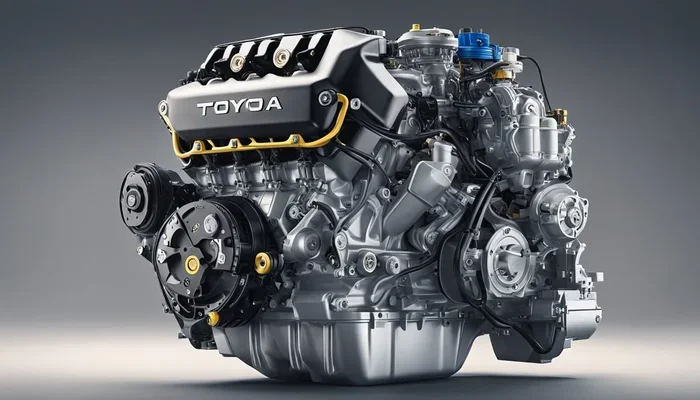
Before we dive in, it helps to understand how your Camry starts. When you turn the key or press the start button, the battery sends power to the starter motor. The starter cranks the engine, the fuel pump delivers gas, the spark plugs ignite the mixture, and your engine roars to life. If any part of that chain fails, your Camry won’t start. Let’s break down each link in that chain.
Key Takeaways
- Dead Battery: The #1 reason a Toyota Camry won’t start, and it’s easy to test and replace.
- Starter Motor Failure: A worn starter causes a clicking sound when you turn the key.
- Fuel System Issues: A clogged fuel filter or failing fuel pump starves the engine of gas.
- Ignition Switch Problems: Worn switches prevent electrical signals from reaching the engine.
- Key Fob or Security System: A weak key fob battery or anti-theft lockout can block startup entirely.
📑 Table of Contents
Common Reasons Why Your Toyota Camry Won’t Start
Toyota Camrys are known for their reliability and long life. But even the best-built cars run into trouble sometimes. Understanding the root cause is the first step toward a quick fix. Here are the five most common reasons your Camry might refuse to start.
1. A Dead or Weak Battery
The battery is the heart of your Camry’s electrical system. Without it, nothing else works. A dead battery is the number one reason cars won’t start, and Toyota Camrys are no different. Over time, batteries lose their charge, especially in cold weather or after the car sits unused for a while.
You can usually tell if the battery is the problem. When you turn the key, do you hear a slow cranking sound or nothing at all? Do your headlights look dim? These are classic signs of a weak battery. If you’ve left your lights on overnight, that could be the culprit too.
Here’s a quick way to test your battery. Turn the key to the “on” position without starting the engine. Do the dashboard lights come on brightly? If they’re dim or flickering, your battery may be on its way out. You can also use a multimeter to check the voltage. A healthy battery should read around 12.6 volts when the engine is off.
Fixing a dead battery is usually simple. You can jump-start your Camry using another vehicle and jumper cables. Just connect the red clamp to the positive terminal on your dead battery, then to the positive terminal on the good battery. Connect the black clamp to the negative terminal on the good battery, and the other black clamp to an unpainted metal surface on your Camry’s engine block. Start the working vehicle first, then try starting your Camry.
If jump-starting works, let your engine run for at least 20 minutes to recharge the battery. But if the battery keeps dying, it’s time for a replacement. Most Toyota Camry batteries last between three and five years. Replacing one is straightforward and affordable, and you can even do it yourself with a basic socket wrench.
Sometimes the battery terminals get corroded, which prevents a good connection. You’ll see a white or blue-green crust around the terminals. You can clean this off with a mixture of baking soda and water and a wire brush. Just make sure you disconnect the negative terminal first before cleaning.
2. A Faulty Starter Motor
The starter motor is what cranks your engine when you turn the key. If it fails, your Camry won’t turn over at all. A bad starter is the second most common reason for a no-start condition.
How do you know if the starter is the problem? Listen carefully when you turn the key. Do you hear a single loud click or a series of rapid clicks, but the engine doesn’t turn over? That’s a classic starter symptom. In some cases, you might hear a grinding noise, which means the starter gear is worn or misaligned.
Starter motors wear out over time, especially in higher-mileage Camrys. The average starter motor lasts between 100,000 and 150,000 miles, but extreme temperatures and electrical issues can shorten that lifespan. If you’ve noticed your Camry struggling to start recently, the starter might be on its way out.
Replacing a starter motor can be a bit more involved than swapping a battery. The starter is usually located on the side of the engine, near the transmission. You’ll need to get underneath the car or access it from above, depending on your model year. If you’re comfortable with basic car repairs, you can do it yourself. Otherwise, a mechanic can handle the job in about one to two hours.
The cost of a new starter motor for a Toyota Camry typically ranges from $200 to $400 for parts, plus labor if you go to a shop. It’s not cheap, but it’s far less expensive than a full engine replacement. One tip: before replacing the starter, have someone check the starter relay and solenoid. Sometimes the problem is a cheap relay, not the starter itself.
3. Fuel System Problems
Your Toyota Camry needs fuel to run. If the fuel system isn’t delivering gas to the engine, your car won’t start no matter how good the battery or starter is. Fuel system issues can range from a simple empty tank to a failed fuel pump.
Start with the obvious. Is there gas in the tank? It sounds silly, but it happens more often than you’d think. If the gauge shows you have fuel, the problem might be deeper in the system.
The fuel pump is responsible for pushing gas from the tank to the engine. When it fails, your Camry won’t start or will stall shortly after starting. You might notice your Camry struggling to start when it’s hot, or the engine sputtering at high speeds before it dies completely. A failing fuel pump often makes a whining noise from the back of the car.
Another common fuel system issue is a clogged fuel filter. The filter keeps debris out of the engine, but over time it can become blocked. A clogged filter restricts fuel flow and can prevent your Camry from starting. Toyota recommends replacing the fuel filter every 30,000 to 60,000 miles. Check your owner’s manual for the exact interval for your model year.
You can also check the fuel injectors. If they’re dirty or clogged, they won’t deliver the right amount of fuel to the cylinders. A fuel system cleaner added to your gas tank can sometimes fix minor injector issues. But for serious clogs, you’ll need professional cleaning or replacement.
If you suspect the fuel pump is the problem, try this test. Turn the key to the “on” position (don’t start the engine) and listen for a faint humming sound from the back of the car. That’s the fuel pump priming the system. If you don’t hear anything, the pump might be dead and needs replacement.
4. Ignition Switch Issues
The ignition switch controls the flow of electricity from the battery to the starter and engine management system. When it wears out, your Camry won’t start even if the battery and starter are in perfect condition.
Ignition switch problems often develop gradually. You might notice your Camry stalls unexpectedly while driving, or the dashboard lights flicker when you turn the key. In some cases, the key won’t turn in the ignition at all, or it gets stuck in the “accessories” position.
Older Toyota Camrys with traditional keys are more prone to ignition switch wear than newer push-button start models. The repeated motion of inserting and turning the key causes the internal contacts to erode over time. On newer models, the ignition switch is electronic and can fail due to electrical shorts or moisture damage.
Replacing an ignition switch is a moderately complex repair. On older models, you’ll need to remove the steering column cover to access the switch. Newer models may require reprogramming the key fob or push-button start system after replacement. If you’re not confident doing this yourself, a qualified mechanic can handle it efficiently.
One thing to watch for is a warning on your dashboard. If you see the check engine light or a security indicator flashing, the ignition switch might not be communicating properly with the engine control module. Don’t ignore these warnings. They’re your car’s way of telling you something needs attention.
5. Key Fob or Security System Problems
If you have a push-button start Toyota Camry, the key fob plays a crucial role in the starting process. A weak or dead key fob battery can prevent your Camry from recognizing the fob and starting the engine.
This is a surprisingly common issue, especially with older key fobs. If your Camry has a “key not detected” message on the dashboard, the fob battery is likely the problem. Most Toyota key fobs use a CR2032 battery, which you can replace in seconds. Open the fob, swap out the old battery, and you’re good to go.
In some cases, the key fob itself might be damaged or the antenna ring around the ignition button might be faulty. The antenna ring reads the fob’s signal, and if it’s broken, your Camry won’t know the fob is nearby. You can find replacement antenna rings online for a reasonable price.
Another security-related issue is the immobilizer system. Toyota Camrys have an anti-theft system that prevents the engine from starting if it doesn’t recognize the key fob. Sometimes this system gets confused, especially after a battery replacement or if you’ve used a spare fob. In these cases, trying the spare fob or resetting the system can often solve the problem.
If you’ve tried everything and your Camry still won’t start, there might be a deeper issue with the immobilizer module. This requires professional diagnosis at a Toyota dealership or qualified repair shop. But don’t panic. Immobilizer issues are rare and usually straightforward to resolve.
How to Diagnose the Problem Yourself
Before you rush to a mechanic, there are some simple diagnostic steps you can take at home. These checks can save you time and money, and they’ll help you communicate more effectively with a professional if you need one.
Start with the basics. Check that your Camry is in park or neutral. Some Toyotas won’t start if the transmission isn’t in the correct position. This is called the neutral safety switch, and it’s a common reason for no-start conditions that people overlook.
Next, check your dashboard lights. When you turn the key to “on,” do all the warning lights illuminate? If some are missing, you might have an electrical issue. If the battery warning light is on, that points directly to a battery or alternator problem.
Listen carefully when you turn the key. A single click usually means the starter relay is working but the starter motor itself is faulty. Rapid clicking typically indicates a weak battery. No sound at all could point to the ignition switch or a completely dead battery.
If your Camry starts sometimes but not always, you might be dealing with an intermittent issue. This could be a corroded battery terminal, a failing starter, or a fuel pump that works when it feels like it. Intermittent problems are tricky to diagnose, so keep a log of when the no-start happens and under what conditions.
For a more thorough diagnosis, you can use an OBD-II scanner to check for error codes. These scanners plug into a port under your dashboard and read codes from your Camry’s computer. Many auto parts stores will let you borrow a scanner for free. The codes can point you in the right direction and save hours of guesswork.
When to See a Professional
While many no-start issues can be handled at home, some problems require professional attention. If you’ve checked the battery, starter, and fuel system and still can’t find the cause, it’s time to call in the experts.
Complex electrical issues, such as problems with the engine control module or wiring harness, are best left to trained technicians. These components require specialized diagnostic tools and knowledge to repair safely. Attempting DIY repairs on sensitive electronics can cause more damage and void your warranty.
If your Toyota Camry is still under warranty, check with your dealer before scheduling any repairs. You might be able to get the work done at no cost. Toyota also offers roadside assistance for newer models, which can be a lifesaver if you’re stranded with a no-start condition.
Before visiting a repair shop, gather your information. Note when the problem started, what symptoms you’ve observed, and any troubleshooting steps you’ve already taken. This helps the mechanic diagnose the issue faster and gives you peace of mind that you’re not paying for unnecessary work.
Preventive Maintenance to Avoid Future No-Start Issues
The best way to deal with a Toyota Camry that won’t start is to prevent the problem from happening in the first place. Regular maintenance keeps all the starting system components in good shape and extends the life of your Camry.
Replace your battery every three to five years, even if it seems fine. Batteries don’t always give warning signs before they fail. Mark the installation date on the battery with a permanent marker so you know when it’s time for a replacement.
Keep your fuel system clean by using quality fuel and replacing the fuel filter at the recommended intervals. A clean fuel system ensures consistent fuel delivery and reduces the strain on the fuel pump.
Don’t ignore warning signs. If your Camry is slow to crank or you notice flickering lights, have it checked before it becomes a no-start situation. Small problems today become big problems tomorrow if you ignore them.
Store your Camry properly if it won’t be driven for an extended period. A battery maintainer or trickle charger keeps the battery charged during long storage periods. This is especially important for Camrys that sit in garages through the winter months.
Final Thoughts on Fixing Your Toyota Camry
A Toyota Camry that won’t start is stressful, but it’s rarely a catastrophic problem. In most cases, the cause is one of the five issues we’ve covered in this guide, and many of them are easy and affordable to fix. Start with the simplest possibilities, like the battery, and work your way through the list. You’ll often find the answer without ever needing a mechanic.
Remember that regular maintenance is your best defense against no-start issues. A well-maintained Toyota Camry can run for hundreds of thousands of miles without major problems. If you’ve been putting off an oil change or battery check, now is a great time to take care of it.
For more help with Toyota Camry issues, check out our guide on My Car Won’t Start But Has Power if your dashboard lights are on but the engine won’t turn over. You can also learn about checking your oil level to make sure low oil isn’t preventing your Camry from starting. And if you’re having intermittent starting problems, our article on My Car Starts Sometimes and Sometimes It Doesn’t covers that issue in detail.
Keep your Toyota Camry running strong with these simple fixes and maintenance tips. Your car will thank you with reliable starts for years to come.
Frequently Asked Questions
Why won’t my Toyota Camry start even though the battery is good?
A good battery doesn’t guarantee a start. The problem could be the starter motor, fuel pump, ignition switch, or a clogged fuel filter. Try checking these components in order before assuming the battery is the issue. Sometimes a corroded battery terminal can also cause problems even when the battery itself is healthy.
How much does it cost to fix a Toyota Camry that won’t start?
The cost depends entirely on the cause. A battery replacement typically costs $100 to $250. A starter motor replacement runs $200 to $400 for parts. Fuel pump repairs can range from $400 to $800. Ignition switch replacement is usually $150 to $300. Always get a diagnosis before committing to a repair.
Can a dead key fob battery prevent my Toyota Camry from starting?
Yes, absolutely. If your Camry has a push-button start system, it relies on the key fob’s signal to recognize the fob is inside the vehicle. A dead fob battery means the car won’t detect the fob and won’t start. Replacing the CR2032 battery in the fob usually solves this problem instantly.
What should I do if my Toyota Camry cranks but won’t fire up?
If the engine cranks but doesn’t start, the problem is likely in the fuel or ignition system. Check your fuel level first, then listen for the fuel pump priming sound. You should also check for spark plug issues or a clogged fuel filter. If you’re unsure, an OBD-II scanner can help identify the specific problem.
Is it safe to drive my Toyota Camry if it has starting problems?
It depends on the severity. If your Camry starts occasionally but not reliably, it’s risky to depend on it for important trips. Intermittent starting problems can leave you stranded. Have the vehicle diagnosed as soon as possible to avoid being stuck in an unsafe location.
How long does a Toyota Camry battery typically last?
Most Toyota Camry batteries last between three and five years. Extreme temperatures, short trips, and leaving electronics on can shorten battery life. If your Camry is more than three years old, have the battery tested annually at a parts store or mechanic to catch weak batteries before they fail completely.