Will a P0171 Code Clear Itself or Do You Need a Mechanic
Will a P0171 Code Clear Itself is an essential topic that provides valuable insights.
Key Takeaways
- Understanding Will a P0171 Code Clear Itself: Provides essential knowledge
📑 Table of Contents
- What Does the P0171 Code Mean?
- Common Causes of the P0171 Code
- Can a P0171 Code Clear Itself?
- When You Definitely Need a Mechanic
- How to Diagnose and Fix a P0171 Code
- Preventing the P0171 Code from Returning
- P0171 Code vs. P0174 Code: What Is the Difference?
- How Much Does It Cost to Fix a P0171 Code?
- Key Takeaways
What Does the P0171 Code Mean?
The P0171 code is a diagnostic trouble code stored by your powertrain control module (PCM). It specifically means the fuel mixture on bank one is too lean. Bank one refers to the side of your engine that contains cylinder number one.
Your engine needs a precise balance of air and fuel to run well. When the oxygen sensor detects too much oxygen in the exhaust, it triggers this code. The PCM monitors your fuel trim values to keep things balanced. If those values drift too far, the code gets set.
Think of it like a recipe. Too much flour and not enough water makes a dry cake. Too much air and not enough fuel makes a lean engine. Neither turns out well.
Common Symptoms of the P0171 Code
- Check engine light stays on
- Rough idle or engine hesitation
- Reduced fuel economy
- Engine stalling, especially at idle
- Difficulty starting the engine
- Engine misfires under load
If you notice any of these symptoms, do not ignore them. Even if the code seems minor, driving with a lean mixture can damage your catalytic converter over time.
Common Causes of the P0171 Code
There are many reasons a P0171 code can appear. Some are simple fixes. Others need a mechanic to handle. Here are the most common culprits:
1. Vacuum Leaks
A vacuum leak is one of the top causes of a lean code. Unmetered air sneaks into the engine through cracked hoses, loose connections, or a damaged intake manifold gasket. This extra air throws off the fuel-air ratio.
Common leak points include:
- Intake manifold gaskets
- Vacuum hoses and lines
- PCV valve and hose
- Brake booster line
- Throttle body gasket
2. Dirty or Faulty Mass Airflow Sensor
The mass airflow sensor (MAF) measures the amount of air entering the engine. If it is dirty or failing, it sends wrong readings to the PCM. This can cause the engine to run lean.
A quick fix is to clean the sensor with a special MAF cleaner. But if the sensor is damaged, replacement is the only real solution.
3. Fuel System Issues
Sometimes the problem is not too much air but too little fuel. A weak fuel pump, clogged fuel injectors, or a failing fuel pressure regulator can all cause a lean condition.
If your fuel pressure is low, the engine simply does not get enough fuel. This triggers the P0171 code every time.
4. Oxygen Sensor Failure
The oxygen sensor tells your PCM how much oxygen is in the exhaust. A faulty sensor can send incorrect data, making the engine run rich or lean. Replacing an O2 sensor is usually straightforward and affordable.
5. Air Filter or Airflow Restrictions
A clogged air filter might seem like it would cause a rich condition, but in some cases it creates irregular airflow readings. This can confuse the MAF sensor and lead to a lean code.
Can a P0171 Code Clear Itself?
Now for the big question: will a P0171 code clear itself? The answer is maybe. Here is what you need to know.
In some cases, the check engine light will turn off on its own after a few driving cycles. If the issue was temporary, like a brief vacuum leak caused by a loose hose, the PCM may reset the code. The system monitors your short-term fuel trim and long-term fuel trim values over several trips.
However, if the root cause is still present, the code will come back. A vacuum leak that does not seal itself will keep triggering the P0171 code. A failing fuel pump will keep delivering low pressure. The code is a symptom, not the disease.
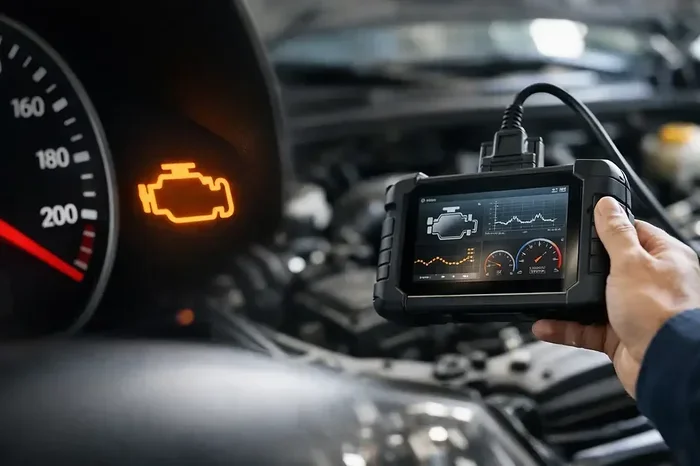
Here is an important point many drivers miss. Even if the check engine light goes off, the underlying problem might still exist. The OBD-II scanner may clear the code, but the PCM stores pending codes that can return. Do not assume the problem is solved just because the light is off.
When Might the Code Clear on Its Own?
- A temporary vacuum leak that sealed itself
- Loose or corroded wiring to the MAF sensor that got reconnected
- Condensation in the sensor connector that evaporated
- Low-quality fuel that caused a temporary lean condition
These situations are rare but do happen. Still, you should always get the code checked, even if it seems to have cleared.
When the Code Will NOT Clear Itself
- Damaged vacuum hoses that need replacement
- Failing fuel pump or fuel pressure regulator
- Dirty or broken mass airflow sensor
- Faulty oxygen sensor
- Catalytic converter degradation
In all these cases, you need a real fix. The code will not go away on its own. You need to address the root cause.
When You Definitely Need a Mechanic
Not every P0171 situation calls for a shop visit. But some cases absolutely do. Here is when you should stop driving and call a professional.
1. The Check Engine Light Flashes
A flashing check engine light means a serious problem, usually an active engine misfire. A misfire can send unburned fuel into your exhaust system, which can destroy your catalytic converter. This is an expensive repair you want to avoid. Get to a mechanic immediately.
2. You Notice Poor Engine Performance
If your engine is stalling, surging, or struggling to accelerate, do not keep driving. A persistent lean condition can cause internal engine damage over time. A mechanic can run a full diagnostic test and pinpoint the exact issue.
3. You Cannot Find the Cause
Sometimes the problem is hidden. A small vacuum leak inside the intake manifold or a subtle fuel injector issue can be hard to detect without proper tools. A professional has advanced diagnostic equipment like smoke machines and fuel pressure testers that can find problems you cannot see.
4. The Code Keeps Coming Back
If you clear the code and it returns within a few days, the problem is real and persistent. A mechanic can perform a thorough inspection and fix the issue permanently.
How to Diagnose and Fix a P0171 Code
If you are a DIYer and want to tackle this yourself, here is a step-by-step approach. Always start with the simplest and cheapest fixes first.
Step 1: Check for Vacuum Leaks
Inspect all vacuum hoses for cracks or loose connections. Spray a small amount of carburetor cleaner around the intake manifold and hoses while the engine is running. If the idle changes, you found your leak.
Step 2: Inspect the Air Filter
A dirty air filter restricts airflow and can confuse your sensors. Replace it if it looks clogged. This is the cheapest fix and often overlooked.
Step 3: Clean the MAF Sensor
Remove the mass airflow sensor and clean it with a dedicated MAF cleaner. Do not touch the delicate wires inside. Let it dry completely before reinstalling.
Step 4: Check Fuel Pressure
Use a fuel pressure gauge to test your fuel system. Compare the reading to your vehicle’s specifications. Low pressure points to a weak fuel pump or a failing fuel pressure regulator.
Step 5: Inspect the Oxygen Sensor
Use your OBD-II scanner to monitor your oxygen sensor readings in real time. If the sensor is sluggish or sending erratic data, replace it.
Quick Tips for DIY Fixes
- Always start with the cheapest and easiest fixes first
- Keep a code reader in your glove box for regular checks
- Write down any codes and when they appeared
- Use OEM or quality aftermarket parts for sensor replacements
- Do not ignore pending codes even if the light is off
Preventing the P0171 Code from Returning
Once you have fixed the issue, you want to keep the P0171 code from coming back. Regular maintenance is your best defense.
- Replace your air filter at every oil change or as recommended
- Use quality fuel from reputable stations
- Inspect vacuum hoses during routine maintenance
- Clean the MAF sensor every 30,000 miles
- Replace oxygen sensors at manufacturer-recommended intervals
- Address any check engine light promptly, even if it seems minor
Staying on top of maintenance saves you money and keeps your engine running smoothly for years.
P0171 Code vs. P0174 Code: What Is the Difference?
You might also see the P0174 code pop up on your scanner. The difference is simple. P0171 means bank one is too lean. P0174 means bank two is too lean. Both codes point to the same type of problem, just on different sides of the engine.
If both codes appear together, the issue is likely something that affects the entire engine, like a faulty MAF sensor or a weak fuel pump. A mechanic can help you determine whether you are dealing with one bank or both.
How Much Does It Cost to Fix a P0171 Code?
The cost varies widely depending on the cause. Here is a rough breakdown:
- Air filter replacement: $15 to $35
- MAF sensor cleaning: $10 to $20 for cleaner
- Vacuum hose repair: $20 to $100
- Oxygen sensor replacement: $100 to $300
- Fuel pressure regulator: $150 to $350
- Fuel pump replacement: $400 to $800
- Mechanic diagnostic fee: $75 to $150
The earlier you catch the problem, the cheaper the fix. Ignoring a P0171 code can lead to expensive damage to your catalytic converter, which can cost over $1,000 to replace.
Key Takeaways
- A P0171 code indicates a lean fuel mixture in bank one of your engine.
- The code sometimes clears itself if the cause was temporary, but this is not common.
- Vacuum leaks, dirty MAF sensors, and fuel system issues are the top causes.
- A flashing check engine light means you need a mechanic immediately.
- Ignoring the code can damage your catalytic converter and lead to expensive repairs.
- Regular maintenance like replacing your air filter and cleaning the MAF sensor helps prevent the code from returning.
- Always use a code reader to confirm the code has cleared and does not return.
Frequently Asked Questions
Can I drive my car with a P0171 code?
You can drive short distances with a P0171 code, but it is not recommended for long trips. A lean fuel mixture can cause engine damage over time, especially if the issue is a fuel delivery problem. Have the code checked as soon as possible to avoid costly repairs.
How much does it cost to fix a P0171 code?
The cost depends entirely on the cause. Simple fixes like an air filter or vacuum hose repair can cost under $50. More complex repairs like a fuel pump or catalytic converter replacement can cost several hundred dollars or more. A diagnostic fee from a mechanic typically runs between $75 and $150.
Will clearing the P0171 code with a scanner fix the problem?
No, clearing the code only erases the warning. If the underlying problem is still there, the code will return. Use a scanner to monitor whether the code comes back after clearing it. If it does, you need to find and fix the root cause.
What is the most common cause of a P0171 code?
The most common cause is a vacuum leak. Unmetered air enters the engine through cracked hoses or loose connections, throwing off the fuel-air ratio. Other common causes include a dirty MAF sensor, low fuel pressure, and a failing oxygen sensor.
Can bad fuel cause a P0171 code?
Yes, low-quality or contaminated fuel can cause a temporary lean condition. However, if the code persists after using better fuel, the problem is mechanical, not fuel-related. Always rule out vacuum leaks and sensor issues before blaming the fuel.
How long does it take a mechanic to diagnose a P0171 code?
A skilled mechanic can usually diagnose a P0171 code within one to two hours. The exact time depends on the vehicle model and the suspected cause. Simple checks like vacuum leak inspection and fuel pressure testing are quick, while deeper diagnostics may take longer.
=== CONCLUSION ===
So, will a P0171 code clear itself? The honest answer is that it sometimes can, but you should never count on it. A P0171 code is your engine telling you something is wrong. Whether it is a simple vacuum leak or a failing fuel pump, the problem will not fix itself.
If the code clears and stays clear, you got lucky. But if it returns or the check engine light never goes off, take action. Start with the simple checks like your air filter and vacuum hoses. If those are fine, do not be afraid to visit a mechanic. Early diagnosis saves you money and keeps your engine healthy for the long haul.
Your car depends on the right balance of air and fuel. Give it that balance, and it will reward you with smooth performance and good fuel economy. Do not ignore the P0171 code. Address it now, and your wallet will thank you later.