Why Is My Toyota Ignition Not Starting With The Key
A Toyota ignition that won’t start with the key is a frustrating problem with several common causes. From dead batteries and faulty starter motors to ignition switch failures and key fob issues, the reasons are often easy to diagnose. This guide walks you through every possible cause and gives you step-by-step solutions to get your Toyota running again.
There are few things more annoying than turning your Toyota key and hearing nothing. You expect the engine to roar to life. Instead, you get silence. Or maybe you hear a click, but the engine just won’t turn over. Toyota ignition not starting is a problem that affects Toyota owners of all models and years. Whether you drive a Camry, Corolla, RAV4, or Tacoma, the starting system works the same way. And when something goes wrong, the symptoms are usually similar.
The good news is that most causes of a Toyota not starting with the key are easy to identify. You don’t need to be a mechanic to figure out what’s going on. With a little patience and some basic knowledge, you can often solve the problem yourself. This article covers every reason your Toyota ignition might not start with the key. We’ll walk you through each cause, explain how to test for it, and give you clear fixes you can try at home.
Let’s dive in and get your Toyota running again.
Key Takeaways
- Dead Battery: The most common reason a Toyota won’t start. A weak battery prevents the ignition system from getting power.
- Faulty Starter Motor: A worn or damaged starter motor will fail to crank the engine even when you turn the key.
- Ignition Switch Failure: The ignition switch can wear out over time and stop sending signals to the engine.
- Key Fob and Transponder Issues: A low key fob battery or damaged transponder chip can block the ignition entirely.
- Steering Wheel Lock: A locked steering column can physically prevent the key from turning in the ignition.
- Fuel and Electrical Problems: Issues with the fuel pump, spark plugs, or ignition relay can also cause no-start conditions.
📑 Table of Contents
Common Reasons Your Toyota Ignition Won’t Start
When your Toyota won’t start, the problem usually falls into one of a few categories. Understanding these categories helps you narrow down the cause quickly. Let’s look at the most common reasons.
Dead or Weak Battery
A dead battery is the number one reason cars won’t start. Your Toyota needs electrical power to turn the ignition, run the fuel pump, and fire the spark plugs. Without enough battery power, none of that happens. If you turn the key and hear nothing, or if you hear a slow, weak cranking sound, the battery is likely the culprit.
Batteries die for many reasons. Cold weather is a big one. So is leaving lights on overnight. Batteries also lose power as they age. Most Toyota batteries last three to five years. If yours is older, it might be time for a replacement.
Here’s how to test your battery:
- Turn the key to the “ON” position without starting the engine. Do the dashboard lights come on brightly?
- Turn the headlights on. Are they dim or bright?
- Use a multimeter to check the voltage. A healthy battery should read 12.6 volts or higher.
If the battery is low, try jump-starting your Toyota. If the jump works but the battery dies again quickly, you need a new battery. Also, check the battery terminals for corrosion. Clean, tight connections make a big difference.
Faulty Starter Motor
The starter motor is the electric motor that cranks your engine. When you turn the key, the starter engages and spins the engine. If the starter is bad, you’ll hear a single click or nothing at all when you turn the key.
Starter motors wear out over time. The brushes inside the motor wear down, and the solenoid can fail. Toyota starters are built to last, but they don’t last forever. High mileage vehicles are more prone to starter problems.
Here are signs of a failing starter motor:
- A single loud click when you turn the key
- Grinding or whining noises during startup
- The engine cranks very slowly
- The starter engages but the engine doesn’t turn
If you suspect a bad starter, have someone tap the starter gently with a hammer while you try to start the car. This is called a “strike start” and it can temporarily free a stuck starter. But this is only a temporary fix. You’ll need to replace the starter for a permanent solution.
Ignition Switch Failure
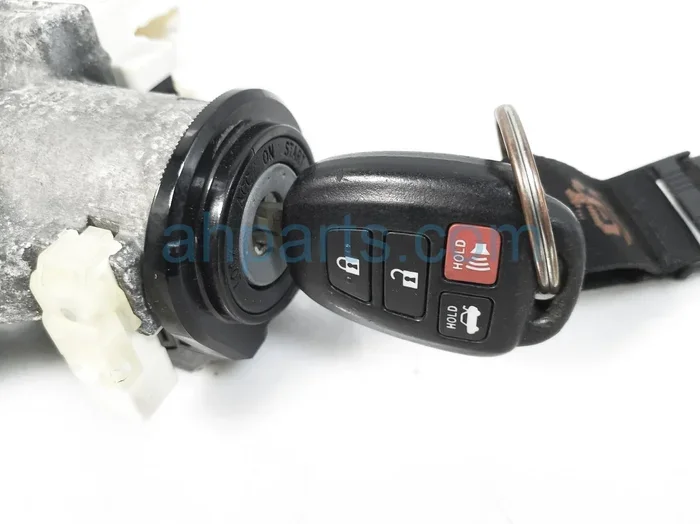
The ignition switch is the part your key actually turns. It sends electrical signals to the starter, the fuel system, and the ignition coil. When the ignition switch fails, these signals get interrupted. Your Toyota might crank but not start, or it might not crank at all.
Ignition switch failure is more common in older Toyotas. The internal contacts wear out after years of use. Signs of a bad ignition switch include:
- The key won’t turn in the ignition
- The dashboard lights flicker when you turn the key
- The car starts sometimes but not other times
- The engine stalls shortly after starting
If you notice that your car starts sometimes and sometimes it doesn’t, the ignition switch could be the cause. This is a condition where the internal contacts make intermittent contact, causing unpredictable starting behavior. Replacing the ignition switch is a relatively affordable repair that a skilled DIYer can handle.
Key-Related Issues That Prevent Starting
Sometimes the problem isn’t with the car at all. It’s with the key. Modern Toyotas use sophisticated key systems that can develop issues over time. Let’s explore the key-related causes of no-start conditions.
Low Key Fob Battery
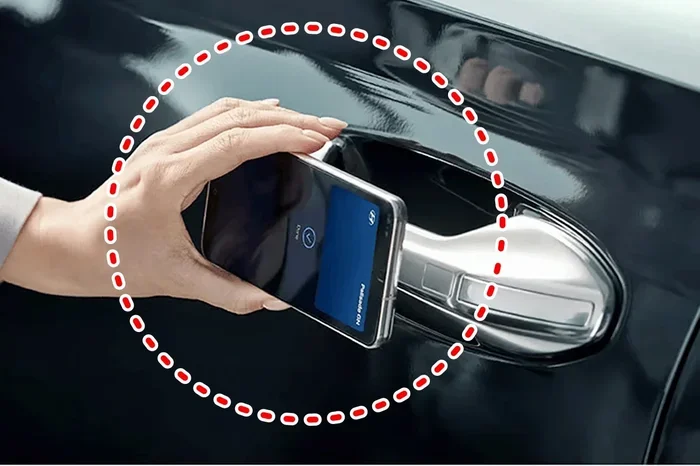
If your Toyota uses a push-button start or a smart key system, the key fob battery is essential. A low fob battery can prevent the car from recognizing the key. When the car doesn’t recognize the key, it won’t allow the ignition to start. This is a security feature designed to prevent theft.
Replacing the key fob battery is simple and cheap. Most Toyota key fobs use a CR2032 coin battery. You can find these at any grocery store or pharmacy. To replace it:
- Use a small flathead screwdriver to pry open the key fob case
- Remove the old battery and note the orientation
- Insert the new CR2032 battery with the positive side facing up
- Snap the case back together
After replacing the battery, try starting your Toyota again. If it still won’t start, hold the key fob directly against the start button. Some Toyota models have a backup antenna that reads the fob even when the battery is completely dead.
Transponder Chip Problems
Every modern Toyota key contains a tiny transponder chip. This chip communicates with the car’s immobilizer system. If the immobilizer doesn’t recognize the chip, it will prevent the engine from starting. This is an anti-theft feature that has been standard on Toyotas since the 1990s.
Transponder chip problems can happen when:
- The chip inside the key is damaged or cracked
- The key was programmed incorrectly
- The car’s immobilizer module has a fault
- Water damage has corrupted the chip
If you recently had a new key cut, make sure it was programmed correctly for your specific Toyota model. A key that looks right but isn’t programmed won’t start the car. You may need to visit a Toyota dealer or a qualified locksmith to program a new transponder key.
Key Stuck in the Ignition
A key stuck in the ignition is another common problem. This usually happens when the steering wheel locks against the key. When you turn off the car and turn the steering wheel at the same time, the locking mechanism engages and traps the key.
To fix a stuck key, gently wiggle the steering wheel back and forth while trying to turn the key. Don’t force it. Forcing the key can break it inside the ignition cylinder, which creates a much bigger problem. If the key is already broken inside the ignition, you’ll need professional help to remove the broken pieces.
Some Toyota owners have experienced persistent key jamming issues that require ignition cylinder replacement. If this happens to you, don’t keep forcing the key. Learn more about how to safely remove a stuck key from the ignition and avoid making the problem worse.
Fuel and Electrical System Problems
The ignition system doesn’t work alone. It depends on several other systems to start your Toyota. If any of these systems fail, you’ll experience a no-start condition even if the ignition itself is working fine.
Fuel Pump Failure
Your Toyota’s fuel pump delivers gasoline from the tank to the engine. Without fuel, the engine can’t run. If the fuel pump fails, you’ll turn the key and the engine will crank normally, but it just won’t fire up.
Signs of a failing fuel pump include:
- A whining noise coming from the back of the car
- Difficulty starting after the car sits for a while
- Loss of power when accelerating
- The car stalls at high temperatures
Fuel pumps can fail due to contamination, age, or running the tank too low too often. Keeping your fuel level above a quarter tank helps protect the pump. If you suspect a fuel pump issue, you can listen for a faint hum when you turn the key to the “ON” position. If you don’t hear anything, the pump may be dead.
Spark Plug and Ignition Coil Issues
Spark plugs create the spark that ignites the fuel in your engine’s cylinders. If the spark plugs are worn out, fouled, or cracked, the engine won’t start. Similarly, a failed ignition coil won’t produce the voltage needed to create a spark.
Toyota spark plugs are designed to last a long time, but they do wear out. Here’s what to check:
- Remove the spark plugs and inspect them for carbon buildup
- Check the gap between the electrodes
- Look for cracks in the ceramic insulator
- Test the ignition coils with a multimeter
Replacing spark plugs is one of the easiest and most affordable maintenance tasks. Most Toyotas need new spark plugs every 30,000 to 100,000 miles depending on the type. Check your owner’s manual for the recommended interval.
Ignition Relay Problems
The ignition relay is a small switch that sends power to the starter motor and ignition system. If the relay fails, your Toyota won’t start even if everything else is working. Relay failures are less common than battery or starter problems, but they do happen.
You can test the ignition relay by swapping it with another relay of the same type in the fuse box. If the car starts after the swap, you’ve found your problem. Replacing a relay is inexpensive and straightforward.
Steering Wheel Lock and Immobilizer Issues
Two security features can prevent your Toyota from starting: the steering wheel lock and the immobilizer. Both are designed to protect your car, but they can sometimes cause frustrating no-start situations.
Steering Wheel Lock Mechanism
The steering wheel lock engages automatically when you turn off the car and turn the wheel. It’s a physical lock that prevents the steering column from turning. When this lock engages, it can also prevent the ignition key from turning.
To release the steering wheel lock:
- Don’t force the key
- Gently wiggle the steering wheel left and right
- While wiggling, try turning the key
- The lock should release and the key will turn freely
This is a simple fix that many Toyota owners overlook. If you’ve ever turned the steering wheel after shutting off the engine, the lock may have engaged. It happens to everyone eventually.
Immobilizer System Malfunction
The immobilizer is an electronic security system that prevents your Toyota from starting without the correct key. The system communicates between the key’s transponder chip and the car’s engine control module (ECM). If this communication fails, the car won’t start.
Immobilizer problems can be caused by:
- A dead key fob battery
- A damaged transponder chip
- A faulty antenna ring around the ignition cylinder
- An ECM software glitch
If your Toyota’s immobilizer is preventing startup, you might see a flashing security light on the dashboard. This light means the car doesn’t recognize the key. Try using a spare key if you have one. If the spare key works, the original key’s transponder is likely the problem.
When to Seek Professional Help
Many Toyota ignition problems can be fixed at home with basic tools and a little patience. But some issues require professional diagnosis and repair. Knowing when to call a mechanic can save you time, money, and frustration.
You should seek professional help if:
- You’ve checked the battery, starter, and ignition switch but still can’t find the cause
- The car cranks but won’t start, and you’ve ruled out fuel and spark issues
- You’ve tried multiple keys and none of them work
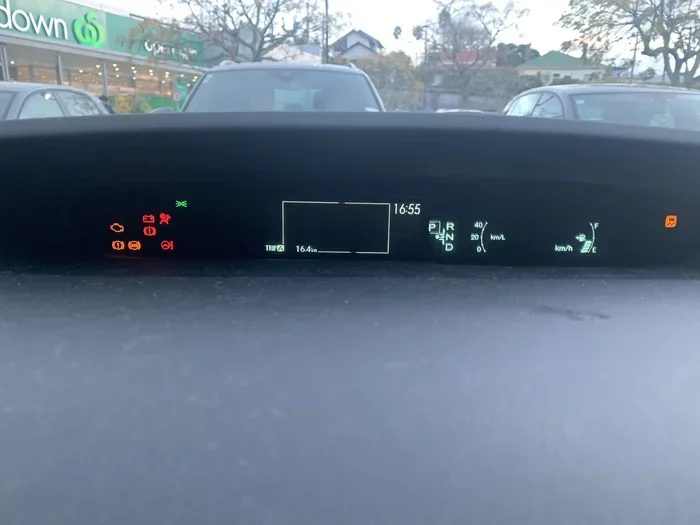
- You see multiple warning lights on the dashboard
- The problem is intermittent and you can’t reproduce it consistently
A qualified Toyota mechanic has access to diagnostic tools that can read error codes from your car’s computer. These codes can point directly to the problem. For example, if your Toyota ignition not starting is caused by a sensor fault or a communication error between modules, a professional scan tool will reveal it quickly.
Also, if your Toyota is still under warranty, don’t try to repair the ignition system yourself. Doing so could void your warranty. Instead, take your Toyota to an authorized dealer. You can also check if you can take your Toyota to any dealer for service if you’re not near your usual dealer location.
Preventive Maintenance Tips for Your Toyota Ignition
The best way to deal with ignition problems is to prevent them from happening in the first place. Regular maintenance keeps your Toyota’s starting system in great shape. Here are some tips to follow.
Replace Your Key Fob Battery Regularly
Don’t wait until the fob stops working to replace the battery. Change it every two years as a preventive measure. Keep a spare battery in your glove box so you’re always prepared.
Keep Your Battery Clean and Charged
Check your battery terminals every few months for corrosion. Clean them with a baking soda and water solution if you see any buildup. If your battery is more than three years old, have it tested annually at an auto parts store. Most stores will test your battery for free.
Use the Right Key and Key Fob
Always use the correct key for your Toyota model. Aftermarket keys may not have the right transponder chip, which can cause immobilizer issues. If you need a replacement key, get it from a Toyota dealer or a reputable locksmith who can program it correctly.
Don’t Ignore Warning Signs
If your Toyota starts slowly, clicks when you turn the key, or requires multiple tries to start, don’t ignore it. These are early warning signs of a failing component. Addressing them early can prevent a complete no-start situation later.
Follow Toyota’s Maintenance Schedule
Toyota’s maintenance schedule includes regular inspections of the electrical and starting systems. Following this schedule ensures that potential problems are caught before they become major issues. Check your owner’s manual for the recommended service intervals for your specific model.
Final Thoughts
A Toyota ignition not starting with the key is a problem with many possible causes. The good news is that most of them are easy to diagnose and fix. Start with the simplest explanations, like a dead battery or a low key fob battery, and work your way up to more complex issues like ignition switch failure or fuel pump problems.
Remember that Toyota ignition not starting doesn’t always mean a expensive repair. Often, it’s something simple that you can fix in minutes. Keep a basic toolkit in your trunk, know where your fuse box is, and stay calm when the problem happens. With the right approach, you’ll be back on the road quickly.
If you’ve tried everything and your Toyota still won’t start, don’t hesitate to visit a professional. Sometimes the problem needs expert diagnosis. But armed with the knowledge in this guide, you’ll know exactly what to look for and what questions to ask. Your Toyota deserves the best care, and now you have the tools to give it.
Frequently Asked Questions
Why won’t my Toyota start even though I have a new battery?
A new battery doesn’t guarantee a working starting system. The problem could be a faulty starter motor, a bad ignition switch, or an issue with the fuel pump. Check the starter and ignition switch first, as these are the next most common causes of a no-start condition.
Can a low key fob battery prevent my Toyota from starting?
Yes, absolutely. If your Toyota uses a push-button start or smart key system, a low key fob battery can prevent the car from recognizing the key. Replace the CR2032 battery in your fob and try again. Holding the fob directly against the start button can also work as a temporary workaround.
How do I know if my Toyota’s starter motor is bad?
You’ll usually hear a single loud click when you turn the key, or you’ll hear nothing at all. If the engine cranks very slowly or makes grinding noises, the starter is likely failing. You can also try tapping the starter gently with a hammer to see if it temporarily works.
What should I do if my key is stuck in the Toyota ignition?
Don’t force the key. Gently wiggle the steering wheel left and right while trying to turn the key. This releases the steering wheel lock that often traps the key. If the key is broken inside the ignition, you’ll need a locksmith or mechanic to remove it safely.
Is it safe to drive my Toyota if the ignition switch is faulty?
It depends on the severity of the fault. If the car starts intermittently, it could leave you stranded. A faulty ignition switch can also cut power to the steering and brakes while driving. Have the ignition switch checked and replaced as soon as possible to avoid safety risks.
How can I prevent my Toyota ignition from failing in the future?
Regular maintenance is the best prevention. Replace your key fob battery every two years, keep your battery terminals clean, use the correct key for your model, and follow Toyota’s recommended maintenance schedule. Addressing small warning signs early can prevent major ignition failures.