What Causes the VSC Light to Stay On and How to Fix It
The VSC light, which stands for Vehicle Stability Control, can stay on due to a range of issues from a loose gas cap to a faulty ABS sensor. When this warning light illuminates on your dashboard, it means your car’s stability system has detected a problem and may be operating at reduced capacity. In this guide, we walk you through the most common causes, step-by-step fixes, and when to see a mechanic. Understanding the VSC light helps you stay safe and avoid costly repairs down the road.
You turn the key in the ignition. The dashboard lights up like a Christmas tree. Then you see it. The VSC light is glowing steady on your dash. It might be flashing or just sitting there. Either way, it is not going away. This is the Vehicle Stability Control warning, and it means something is not right with your car’s safety system.
Now, before you panic, take a breath. A steady VSC light does not always mean a catastrophic failure. In most cases, the problem is something simple and fixable. A loose gas cap, a dirty sensor, or a minor electrical glitch can all trigger this light. But ignoring it is a bad idea. The VSC system helps you keep control of your car, especially on wet or icy roads. When it is not working properly, your safety is at risk.
This guide will walk you through everything you need to know. We will cover the most common reasons the VSC light stays on. You will learn how to diagnose the problem yourself. We will also share step-by-step fixes that save you time and money. Whether you drive a Toyota, Honda, or any other brand, this article has you covered.
Key Takeaways
- Loose or faulty gas cap: A simple loose fuel cap is one of the most common reasons the VSC light stays on.
- ABS sensor issues: A dirty or damaged wheel speed sensor can trigger both the ABS and VSC lights simultaneously.
- Steering angle sensor problems: Calibration errors in the steering angle sensor are a frequent culprit.
- Brake system faults: Low brake fluid or worn brake components can activate the VSC warning light.
- Ignition and fuel problems: Bad ignition coils or oxygen sensors can cause the VSC light to remain illuminated.
- DIY reset is possible: Many VSC light issues can be resolved at home with an OBD2 scanner and basic tools.
- Safety first: Driving with the VSC light on reduces stability control, so address the issue promptly.
📑 Table of Contents
- What Does the VSC Light Mean?
- Common Causes of the VSC Light Staying On
- How to Diagnose the VSC Light Problem
- Step-by-Step Fixes to Reset the VSC Light
- Can You Drive With the VSC Light On?
- Preventing the VSC Light from Coming Back
- When to See a Professional Mechanic
- VSC Light on Specific Car Models
- Cost of Repairing the VSC Light Issue
- Key Takeaways
- Conclusion
What Does the VSC Light Mean?
The VSC light stands for Vehicle Stability Control. Some cars also call this the electronic stability control system. It is a safety feature that helps you maintain control during slippery conditions or sudden maneuvers. The system uses sensors to monitor your steering angle, wheel speed, and yaw rate. When it detects a loss of traction, it automatically applies the brakes to individual wheels. This helps you stay on course.
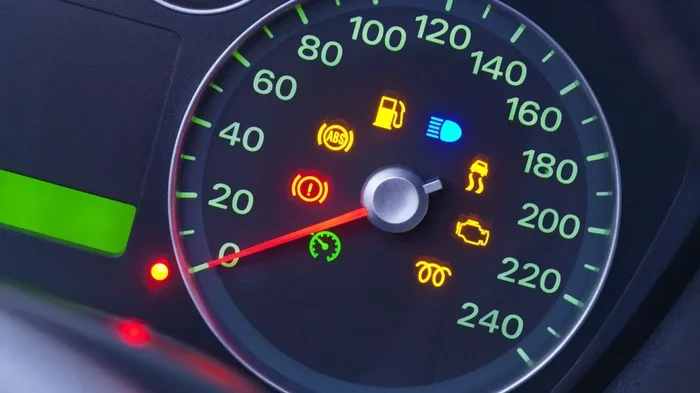
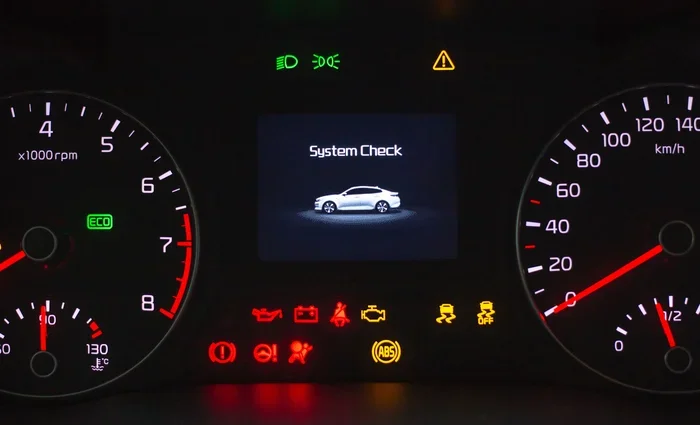
The VSC light looks like a car with wavy lines behind it. On some vehicles, it may also show the letters “VSC” or “ESP.” When this light comes on, it means the system has been deactivated or has detected a fault. There are two types of alerts:
- Steady light: The VSC system has a fault and is not functioning normally.
- Flashing light: The system is actively intervening, which is normal during low-traction driving.
If the light stays on constantly, your stability control is likely turned off or there is a malfunction. This is when you need to pay attention. A steady VSC light is your car telling you something needs attention.
Common Causes of the VSC Light Staying On
Several issues can cause the VSC light to stay illuminated. Some are minor and easy to fix. Others require professional diagnosis. Let us look at the most common culprits.
Loose or Faulty Gas Cap
This might sound too simple, but it is the number one cause. A loose or cracked fuel cap lets vapor escape from the tank. This triggers the evaporative emissions system to throw a code. That code can activate both the check engine light and the VSC light. The fix is easy. Just twist the cap until it clicks. If it is damaged, replace it. A new gas cap costs under five dollars.
Faulty ABS Wheel Speed Sensors
The anti-lock braking system and the VSC system share sensors. When a wheel speed sensor gets dirty or fails, both lights can come on. Road grime, metal debris, and moisture can contaminate the sensor tip. Over time, the sensor wiring can also corrode. A faulty ABS sensor will often store a diagnostic trouble code. You can read these codes with an OBD2 scanner.
Steering Angle Sensor Calibration Issues
Your car has a steering angle sensor in the steering column. It tracks how much you turn the wheel and how fast. If this sensor loses its calibration, the VSC light will turn on. This commonly happens after a wheel alignment or steering repair. It can also occur after a battery disconnect. Recalibrating the sensor usually fixes the problem.
Brake System Problems
The VSC system relies heavily on your brakes. Low brake fluid, worn brake pads, or a failing brake light switch can all trigger the warning. If your car pulls to one side during braking, that is a red flag. Have your entire brake system inspected as soon as possible.
Ignition Coil or Oxygen Sensor Failure
Engine misfires caused by bad ignition coils can confuse the VSC system. The system monitors engine performance through the oxygen sensor. If the sensor sends inaccurate data, the VSC light may come on. Replacing an ignition coil or oxygen sensor is a common repair that resolves the issue.
Catalytic Converter Issues
A failing catalytic converter can cause multiple warning lights to appear. When the converter is not working efficiently, exhaust emissions spike. The ECU detects this and may disable the VSC system as a precaution. This is a more expensive repair but essential for passing emissions tests.
How to Diagnose the VSC Light Problem
Diagnosing the VSC light starts with reading the trouble codes. You do not need to be a mechanic to do this. A basic OBD2 scanner can pull codes from your car’s ECU in seconds.
Step 1: Check the Gas Cap
Start with the easiest fix. Open the fuel door and remove the cap. Look for cracks or damage. Reinstall it tightly until you hear it click. Drive for a few miles and see if the light goes off. Many drivers fix the problem right here.
Step 2: Use an OBD2 Scanner
Plug the scanner into the diagnostic port under your dashboard. Turn the ignition to the “on” position. The scanner will display any stored codes. Common codes related to the VSC light include:
- C0035: Left front wheel speed sensor circuit
- C0040: Right front wheel speed sensor circuit
- C1200: Steering angle sensor malfunction
- P0300: Random engine misfire detected
Write down all the codes. You can look them up online or ask a parts store associate for help. Many auto parts stores will read codes for free.
Step 3: Inspect the Sensors Visually
Walk around your car and look at each wheel. Check for debris around the ABS sensors. Clean them with a soft brush and brake cleaner. Inspect the wiring harness for frayed or corroded connections. Sometimes a simple cleaning brings the VSC light back to normal.
Step 4: Check Brake Fluid Level
Open the hood and locate the brake fluid reservoir. The fluid level should be between the minimum and maximum marks. If it is low, top it off with the recommended DOT fluid. Low brake fluid can disable the VSC system entirely.
Step-by-Step Fixes to Reset the VSC Light
Once you have identified the cause, you can take action. Here are the most effective fixes for common VSC light problems.
Fix 1: Tighten or Replace the Fuel Cap
Remove the cap and inspect it. If it looks fine, screw it back on firmly. If it is cracked or the seal is worn, buy a replacement. This is the cheapest and fastest fix available. After installing a new cap, drive for 50 to 100 miles. The light should turn off on its own.
Fix 2: Clean or Replace ABS Sensors
Locate the ABS sensor at each wheel. Use a wire brush to clean the sensor tip. If cleaning does not work, the sensor may need replacement. A new ABS sensor typically costs between 20 and 100 dollars per wheel. The job takes about 30 minutes with basic tools.
Fix 3: Reset the Steering Angle Sensor
After a battery disconnect or steering repair, the steering angle sensor needs recalibration. Turn the steering wheel to the left lock, then to the right lock. Return it to center. Some vehicles require a scan tool to complete the calibration. Check your owner’s manual for the specific procedure.
Fix 4: Replace Faulty Ignition Coils
If your OBD2 scanner shows a misfire code, inspect the ignition coils. Remove each coil and look for cracks or carbon tracking. Replace any coil that looks damaged. Replacing all coils at once is a good practice since they are all the same age.
Fix 5: Clear Codes with an OBD2 Scanner
After completing the repair, use your scanner to clear the diagnostic codes. Turn the ignition off, wait 30 seconds, and turn it back on. Take the car for a test drive. If the problem is fixed, the VSC light will not return.
Quick Tips for VSC Light Repair
- Always start with the simplest fix first. A loose gas cap causes more VSC lights than most people realize.
- Keep your OBD2 scanner in the glove box. It is one of the most useful tools for any car owner.
- Do not ignore the VSC light even if the car seems to drive fine. The stability system could be partially disabled.
- Replace sensors in pairs when possible. If one ABS sensor has failed, the other may follow soon.
- Use OEM or high-quality aftermarket parts for sensor replacements. Cheap sensors fail faster and cause repeat issues.
Can You Drive With the VSC Light On?
This is one of the most common questions drivers ask. The short answer is yes, but with caution. If the VSC light is on, your stability control system is not fully operational. This means you have less help staying on the road during slippery conditions or emergency maneuvers.
In dry weather and light traffic, you can usually drive short distances safely. However, you should avoid driving in rain, snow, or on icy roads until the issue is resolved. The VSC system acts as your safety net during those conditions. Without it, you are more vulnerable to skidding or losing control.
If the VSC light is flashing and accompanied by the check engine light, reduce your speed immediately. Pull over safely and inspect the vehicle. A flashing light usually indicates a more serious problem that needs urgent attention.
Also, keep in mind that a VSC light can cause your car to fail an emissions inspection in some states. It is always better to address the issue quickly rather than let it linger.
Preventing the VSC Light from Coming Back
Once you have fixed the problem, you want to make sure it does not come back. Prevention is always better than repair. Here are some habits that keep the VSC system healthy.
- Check your gas cap regularly: Make sure it is tight and the seal is intact. Replace it every few years.
- Keep sensors clean: During routine car washes, wipe down the ABS sensors and wiring. Road salt and grime are the biggest enemies.
- Stay on top of brake maintenance: Change brake fluid every two years. Inspect pads and rotors regularly.
- Address warning lights promptly: Do not wait for multiple lights to come on. Early diagnosis prevents bigger problems.
- Use quality fuel: Cheap fuel can cause sensor contamination and engine misfires that trigger the VSC light.
Regular maintenance goes a long way. A well-maintained car rarely has VSC issues. The key is catching small problems before they become expensive ones.
When to See a Professional Mechanic
There are times when DIY fixes are not enough. If you have checked the gas cap, cleaned the sensors, and cleared the codes but the light returns, it is time to visit a mechanic. Some issues require specialized equipment and expertise.
For example, a failing yaw rate sensor or a damaged steering rack cannot be fixed with basic tools. These components require professional diagnosis and replacement. Additionally, if the VSC light is accompanied by other serious warnings like the red brake light, do not delay. Have the car towed if necessary.
A trusted mechanic can perform a full diagnostic scan and identify hidden issues. They can also recalibrate the VSC system properly. While this costs more upfront, it ensures the repair is done right the first time.
VSC Light on Specific Car Models
Some car brands are more prone to VSC light issues than others. Toyota and Honda vehicles are among the most common models where drivers report this problem. On Toyota Camry and Honda Accord models, the steering angle sensor calibration issue is particularly frequent.
On older models, the ABS sensor wiring harness tends to degrade faster due to exposure to road conditions. Newer vehicles with advanced stability control systems may have more complex triggers. Always consult your owner’s manual for model-specific guidance. Many manufacturers also have technical service bulletins that address common VSC light complaints.
Cost of Repairing the VSC Light Issue
The cost varies widely depending on the root cause. Here is a rough breakdown of common VSC-related repairs:
- Gas cap replacement: 5 to 20 dollars
- ABS sensor cleaning: Free (DIY)
- ABS sensor replacement: 100 to 350 dollars per sensor
- Steering angle sensor recalibration: 100 to 250 dollars
- Ignition coil replacement: 50 to 200 dollars per coil
- Oxygen sensor replacement: 150 to 400 dollars
- Catalytic converter replacement: 500 to 2000 dollars
As you can see, the cost ranges from almost nothing to several hundred dollars. This is why early diagnosis matters. A five-dollar gas cap can prevent a chain of problems that cost hundreds to fix later.
Key Takeaways
- The VSC light is a serious warning: It means your vehicle stability control system has a fault and needs attention.
- Common causes are often simple: A loose gas cap, dirty ABS sensor, or steering angle calibration issue are the top culprits.
- An OBD2 scanner is your best friend: It helps you read diagnostic codes and pinpoint the exact problem quickly.
- Many fixes are DIY-friendly: Replacing a gas cap, cleaning sensors, or resetting the steering angle sensor can be done at home.
- Drive cautiously with the light on: Your stability control is compromised, so avoid challenging road conditions until the issue is resolved.
- Prevention saves money: Regular maintenance of sensors, brake fluid, and fuel system components keeps the VSC system running smoothly.
- See a mechanic when in doubt: If the light persists after basic fixes, professional diagnosis ensures no hidden issues are overlooked.
Conclusion
The VSC light can be alarming when it first appears on your dashboard. But in most cases, the cause is something straightforward and easy to fix. Whether it is a loose gas cap, a dirty ABS sensor, or a steering angle calibration issue, you have options. Start with the simplest checks and work your way up. Use an OBD2 scanner to read the codes. Clean or replace faulty components as needed. And never ignore the light, even if your car seems to drive normally.
Your vehicle’s stability control system is one of the most important safety features you have. Keeping it in good working order protects you and your passengers on every trip. By following the steps in this guide, you can diagnose and fix most VSC light issues yourself. You will save money, learn more about your car, and gain confidence as a driver.
Take action today. Check that gas cap. Grab your OBD2 scanner. Address the VSC light before it becomes a bigger problem. Your car will thank you, and you will enjoy safer drives for miles to come.
Frequently Asked Questions
Can a bad battery cause the VSC light to come on?
Yes, a weak or dying battery can cause voltage irregularities that trigger the VSC light. When the battery cannot maintain a steady power supply, the ECU and various sensors may malfunction. Replacing the battery or checking the charging system often resolves the issue.
How much does it cost to fix the VSC light?
The cost depends entirely on the root cause. A loose gas cap costs under five dollars to fix. ABS sensor replacement runs between 100 and 350 dollars. More complex issues like catalytic converter failure can cost over a thousand dollars. Always get a proper diagnosis before committing to a repair.
Will the VSC light reset itself?
Sometimes yes. If the issue was temporary, such as a loose gas cap, the light may turn off after a few driving cycles. However, if the underlying problem persists, the light will return. Using an OBD2 scanner to clear the codes after fixing the issue helps speed up the reset process.
What is the difference between the VSC light and the check engine light?
The VSC light specifically indicates a problem with the Vehicle Stability Control system. The check engine light covers a broader range of engine and emissions issues. However, the two lights often appear together because many faults, such as oxygen sensor failure, affect both systems.
Is it safe to drive with the VSC light on in the rain?
No, it is not recommended. The VSC system helps prevent skidding and loss of control on wet roads. When the light is on, this safety feature is partially or fully disabled. Drive carefully and avoid wet or icy conditions until the problem is repaired.
How do I know if my ABS sensor needs replacement?
Common signs include the ABS and VSC lights staying on, a grinding or clicking noise during braking, and the ABS system not engaging during hard stops. An OBD2 scanner can confirm the issue by showing a wheel speed sensor code. Cleaning the sensor first is always worth trying before replacing it.