How Can I Get My Key Out of the Ignition Without Damage
If your key is stuck in the ignition, don’t panic. This guide shows you exactly how to get your key out of the ignition without causing damage. You’ll learn simple tricks, safety steps, and when to call a professional.
Have you ever turned the key in the ignition and felt it jam? That moment of panic is all too real. If you are asking yourself how can I get my key out of the ignition, you are in the right place. A stuck key is frustrating, but it rarely means the end of your car. With the right approach, you can free the key without causing damage. This guide walks you through every safe method, common mistakes, and prevention tips. You will learn simple tricks you can try at home and know exactly when to call a professional.
The ignition system is a mechanical lock that connects your key to the engine. When something goes wrong, the key can refuse to turn or refuse to release. Steering column locks, worn cylinders, and even a simple gear misalignment can cause the problem. Understanding why the key is stuck is the first step to a painless removal. Getting the key out safely protects both the lock and your wallet.
Below, you will find a complete roadmap. We start with the reasons keys get stuck, then move to step-by-step removal techniques. I share the mistakes I see people make every day, plus prevention habits that keep your ignition smooth. If the key breaks or the lock fails, I tell you when to visit a dealership or locksmith. By the end, you will feel confident handling a stuck key like a pro.
Key Takeaways
- Never force the key: Yanking can break it inside the cylinder.
- Use the right lubricant: Graphite or silicone spray works best; avoid WD-40.
- Check your gear shifter: The key won’t release unless the car is fully in Park.
- Try gentle jiggling: Wiggling the key while pulling can free it safely.
- Know when to call a pro: A stuck ignition cylinder or broken key needs a locksmith or dealership.
- Prevent future jams: Regular maintenance and clean keys keep the ignition smooth.
- Don’t panic if the key breaks: You can still extract it with simple tools or professional help.
📑 Table of Contents
Why Does a Key Get Stuck in the Ignition?
Before you pull on that key, it helps to understand what is happening inside the lock. Several common issues can cause a key to jam. Knowing the root cause saves you from making things worse.
The Steering Lock Engages
When you turn off the engine and remove the key, the steering column lock engages. This is a security feature that prevents the wheel from turning. Sometimes the lock bites down hard on the key, holding it tightly. If the steering wheel is turned even slightly while parked, the lock can pinch the key shaft. This is the most common reason a key will not come out. Gently wiggling the steering wheel while pulling the key often releases the pressure.
A Worn or Dirty Ignition Cylinder
Over time, the internal pins of the ignition cylinder wear down. Dirt, dust, and tiny debris can also build up inside the lock. A worn cylinder does not grip the key properly, and the key may slip or stick. If your car is older or has high mileage, cylinder wear is a likely suspect. Regular ignition maintenance can slow this down, but eventually the lock may need professional attention. Ignition repair is often simpler when you catch the problem early.
The Gear Shifter Is Not Fully in Park
Most automatic cars have a safety switch that prevents the key from turning to the off position unless the shifter is in Park. If the shifter is in Neutral or even slightly out of Park, the key will not release. This is an easy fix. Simply push the shifter firmly into Park and try again. You may need to press the brake pedal while moving the shifter. This small step solves many stuck-key mysteries. Always double-check your park position before assuming something is broken.
Debris and Dirt Buildup
Even in a clean garage, microscopic particles enter the keyhole every time you insert the key. Over months, these particles form a gritty layer that interferes with the lock pins. Road grime, sand, and even pet hair can work their way inside. A key that turns roughly or feels gritty is telling you it is time for a cleaning. A quick burst of compressed air can remove loose debris before it causes a jam.
Using the Wrong Key
Modern cars often use transponder keys or key fobs. If you have a spare key that is not programmed or is the wrong cut, the ignition may reject it. The key might turn partway but then jam. Always use the correct key for your vehicle. If you have a key fob and a mechanical key, make sure you are using the right one for the ignition slot. A worn spare key can also cause sticking because the metal has softened over time.
How Can I Get My Key Out of the Ignition Without Damage?
Now that you know the common causes, let’s look at safe removal methods. How can I get my key out of the ignition without breaking it? The answer lies in gentle, systematic steps. Try each method in order, stopping as soon as the key releases. Patience is your best tool here.
Method 1: The Gentle Jiggle
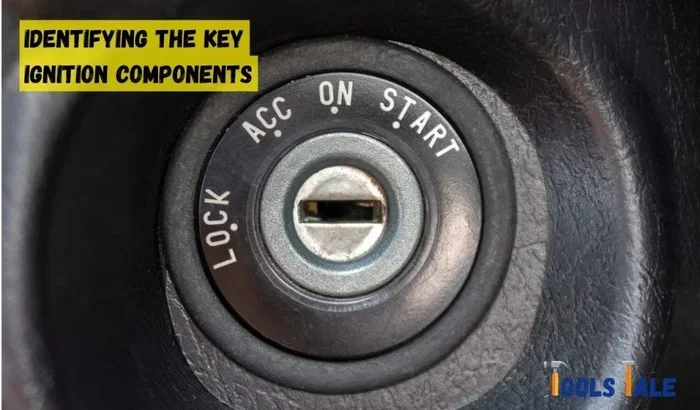
Start by not forcing anything. Place your hand on the key and give it a soft, rhythmic wiggle. Do not push hard. The goal is to loosen the pins inside the cylinder while you pull outward. While wiggling, try turning the key slightly back toward the ACC or ON position. This can release the lock mechanism. Many drivers free a stuck key with this simple motion. Combine this with a slight pull toward you, and the key often slides out.
Method 2: Use the Right Lubricant
A dry lubricant can work wonders. Graphite powder is the traditional choice for locks. You can buy a tube of graphite lubricant at any hardware store. Insert the straw nozzle into the keyhole and give it a short puff. Then work the key in and out several times to distribute the graphite. Silicone-based sprays also work well. Avoid oil-based products like WD-40. They can attract dirt and gum up the cylinder over time. Here is a quick comparison of common lubricants.
| Lubricant | Pros | Cons | Best For |
|---|---|---|---|
| Graphite Powder | Dry, does not attract dust, long-lasting | Can be messy, needs reapplication | Sticky locks, long-term maintenance |
| Silicone Spray | Clean, dries quickly, good for plastic parts | Less effective on heavy wear | Light sticking, key fob mechanisms |
| WD-40 | Easy to find, displaces moisture | Attracts dirt, can gum up locks | Emergency rust loosening (not for locks) |
After applying lubricant, wait a minute or two. Then try the gentle jiggle again. The key should slide out more smoothly. If it still resists, move to the next method.
Method 3: The Gear Shifter Reset
Sometimes the problem is simply a misaligned shifter. Turn the key to the ON position without starting the engine. Move the gear shifter fully into Park, then back to Neutral, then to Park again. Listen for a distinct click when it seats in Park. Press the brake pedal firmly. Now try turning the key to ACC and pulling it out. This reset often releases the interlock switch that was blocking removal. This trick works on many models and takes only a few seconds.
Method 4: The Steering Wheel Rock
If the steering lock is engaged, you need to relieve that pressure. While holding the key, gently rock the steering wheel left and right. Do not force it. The lock pawl will shift slightly, freeing the key. Combine this with the jiggle method for the best results. You will feel a slight give when the lock releases. This is especially helpful after parking with the wheels turned.
Method 5: Light Tapping
Light tapping can dislodge debris or settle worn pins. Use the handle of a screwdriver or a small rubber mallet. Tap gently around the key while it is inserted. Do not hit the key itself. The vibration can help the pins fall back into their proper positions. Then try pulling the key out with a steady, gentle motion. This method is safe and requires no tools beyond something you already have in your car.
Method 6: Key Extraction Tool (For Persistent Cases)
If the key is very stuck, a key extraction tool from an auto parts store can help. These tools are designed to grip the key shaft without damaging the cylinder. Insert the tool alongside the key, squeeze gently, and pull. This works best when the key is still partially visible. Never use pliers or tweezers directly inside the lock. Improvised tools can scratch the cylinder or push the key deeper.
Common Mistakes That Make the Problem Worse
When a key is stuck, panic can lead to bad decisions. I have seen drivers break keys, damage cylinders, and even harm the steering column. Avoid these common pitfalls.
Forcing the Key Out
The biggest mistake is yanking the key with brute force. If the key is jammed, pulling hard can snap it in two. A broken key inside the cylinder is a much bigger problem. It requires specialized extraction tools. Always use gentle, steady pressure. If the key does not move after a few tries, stop and try a different method.
Using the Wrong Lubricant
WD-40 and other penetrating oils feel satisfying in the short term. They can free a stuck key temporarily. But they leave a residue that attracts dust and turns into a sticky sludge. Over time, this sludge hardens and makes the lock worse. Stick to dry graphite or silicone lubricants for any lock-related issue. Your ignition will thank you.
Ignoring the Steering Lock
Many people forget that the steering lock is engaged. They pull on the key while the wheel is turned. This only tightens the lock’s grip. Always check if the steering wheel is locked before pulling on the key. Rocking the wheel side to side while pulling is the correct approach. This simple awareness prevents a lot of frustration.
Using Improvised Tools
Some drivers try to extract a stuck key with tweezers, pliers, or flathead screwdrivers. These tools can scratch the cylinder or push the key deeper. Unless you have a proper key extraction tool, avoid poking around inside the lock. A locksmith carries the right tools for this job. Let a professional handle it if home methods fail.
Quick Tip: If the key feels like it is turning but not coming out, the steering lock is likely the culprit. Rock the wheel gently and pull at the same time. This solves the issue in most cases.
Preventing a Stuck Key in the Future
Prevention is always easier than cure. A few simple habits can keep your ignition lock working smoothly for years. Here is what I recommend to every car owner.
Keep Your Key Clean
Dirt and grime on the key can work their way into the cylinder. Wipe your key with a soft cloth regularly. If the key has visible debris, clean it with a damp cloth and dry it thoroughly before inserting it. A clean key slides in and out without dragging particles into the lock. Make this part of your monthly car care routine.
Use the Correct Key
Never use a worn or damaged key. If the teeth are rounded or the shaft is bent, replace it. A proper key matches the cylinder pins exactly. If you have a spare key, make sure it is the correct cut and, for modern cars, properly programmed. A wrong key may fit loosely and cause wear on the cylinder. Always carry your original key when possible.
Maintain the Ignition Cylinder
Periodic lubrication keeps the lock happy. Once or twice a year, apply a small puff of graphite to the keyhole. Work the key in and out several times. This removes old lubricant and any built-up debris. It is a quick task that prevents sticky locks. Think of it as ignition maintenance, just like oil changes for your engine.
Park in the Right Position
When you park, make sure the front wheels are straight. Turn the steering wheel until it clicks into the lock, then remove the key. If you turn the wheel off-center before removing the key, the lock engages under pressure. This can cause the key to stick the next time you try to start the car. A straight-wheel park routine is a simple habit that pays off.
Quick Tip: Keep a spare key in a safe place at home. If your primary key ever sticks, you will have a backup ready to go. You can still drive your Toyota without a key fob using the hidden mechanical key blade.
When to Visit a Dealer or Locksmith
Sometimes the problem is beyond a simple wiggle. Knowing when to seek professional help saves you time and prevents further damage. A dealership or locksmith has the tools and expertise to handle serious ignition issues.
Signs Your Ignition Cylinder Is Failing
Watch for warning signs. The key feels loose or wobbly when turned. You need to jiggle the key multiple times to start the car. The ignition switch does not return to the ON position. These are signals that the cylinder is worn out. A failing ignition cylinder can eventually lock the key in place permanently. If you notice these symptoms, address them early. Ignition repair is much cheaper than a full cylinder replacement.
Dealership vs. Independent Locksmith
A dealership specializes in your vehicle brand. They have the factory tools and software to program transponder keys and replace ignition cylinders. An independent locksmith often costs less and can come to you. Both can replace a key and repair the lock. Choose a dealership if your car is under warranty or requires specialized programming. Choose a locksmith for faster, more affordable service on older vehicles.
Expert Insight: A dealership has access to your vehicle’s specific lock codes and can program a new key in minutes. An independent locksmith may need to pick the lock to extract the broken key, which can take longer but costs less. Always ask for a cost estimate before any work begins.
What to Expect During Key Replacement
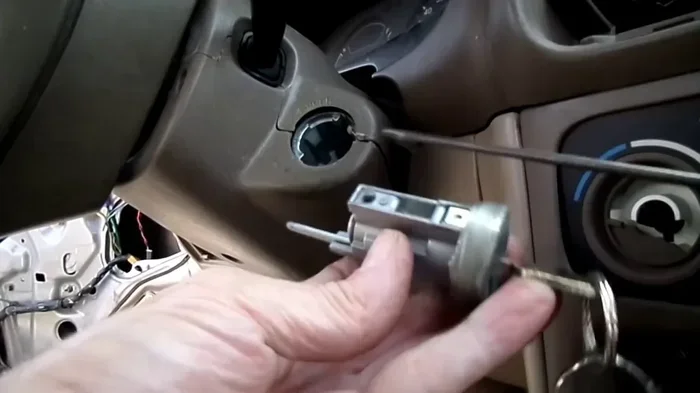
The locksmith or dealer will first extract the stuck or broken key. They use a specialized extraction tool that grips the broken piece without damaging the cylinder. Then they install a new cylinder or key as needed. The process usually takes 30 to 60 minutes. If you need a new transponder key programmed, it may take a little longer. Always ask for a cost estimate before work begins. Key replacement is a routine task for most professionals.
What to Do If the Key Breaks Inside the Ignition
A broken key is a stressful situation, but it is manageable. The broken half may still be partially visible, or it may have snapped off inside the lock. Here is how to handle it calmly.
Partial Break vs. Full Break
If part of the key is still sticking out, you can try to grip it with needle-nose pliers and pull gently. Work slowly. Do not twist or bend the broken piece. If the key is flush with the lock or pushed inside, do not attempt to dig it out yourself. You risk pushing it deeper or damaging the pins inside. A partial break is often easier to extract than a fully recessed one.
Extracting a Broken Key Safely
Professional locksmiths use a key extraction tool that slides past the broken piece and grabs it from behind. They can remove the fragment without replacing the entire cylinder in many cases. If the cylinder is damaged, they will recommend a full replacement. Trying to extract a broken key with tweezers or glue is risky and often makes things worse. Leave this to the experts.
Can You Start the Car with a Broken Key?
If the key breaks and you are left wondering can you start an ignition without a key, the answer depends on your vehicle. Some older models can be started by bypassing the ignition switch, but this is not recommended. Modern cars with transponder immobilizers will not start without the correct key. Your best path is to get the broken key removed and a new one cut and programmed. In the meantime, you can still drive your Toyota without a key fob if you have the mechanical key blade hidden inside the fob. That small backup key can unlock the door and, in some models, start the ignition directly.
After the broken key is removed, the locksmith can cut a new key on the spot or order one. Keep the broken piece in a safe place. Sometimes the new key can be made from the broken half, but a new key code from the dealer is the most reliable option. Always carry a spare key to avoid being stranded.
Final Thoughts
A stuck key in the ignition is a common problem with a practical solution. You now know the reasons keys jam, the safe methods to free them, and the mistakes to avoid. Remember to stay calm and never force the key. Use graphite lubricant, check your gear shifter, and rock the steering wheel gently. If the key breaks or the lock feels worn, do not hesitate to call a dealership or locksmith. Prevention through regular maintenance will keep your ignition working smoothly for years to come. You can handle this situation with confidence. And if you ever lose your key fob, you can still drive using the mechanical backup key. Safe travels and happy key removal.
Frequently Asked Questions
Can I use WD-40 to free a stuck key?
WD-40 can loosen a stuck key temporarily, but it is not a good long-term solution. It attracts dust and dirt, which can gum up the ignition cylinder over time. Use dry graphite or silicone spray instead for a cleaner, lasting result.
What should I do if the key breaks off inside the ignition?
Do not try to dig it out with tweezers or other tools. If part of the key is sticking out, grip it gently with needle-nose pliers and pull straight out. If it is broken off inside the lock, visit a locksmith or dealership. They have special extraction tools that can remove the piece safely.
Why won’t my key come out of the ignition even when the car is off?
The most common reason is that the steering column lock is engaged. The lock binds the key when the steering wheel is turned. Try rocking the steering wheel left and right while gently pulling the key. Also, make sure the gear shifter is fully in Park.
Can a locksmith replace an ignition cylinder?
Yes, a professional locksmith can replace an ignition cylinder and cut a new key. They can also extract broken keys without damaging the lock. Independent locksmiths often offer faster and more affordable service than a dealership for this type of repair.
How do I prevent my key from getting stuck in the future?
Keep your key clean, use the correct key for your vehicle, and apply graphite lubricant to the lock once or twice a year. Always park with the steering wheel straight and the shifter fully in Park before removing the key. These simple habits reduce wear on the ignition cylinder.
Is it safe to drive with a key that is hard to remove?
Driving with a slightly sticky key is usually safe in the short term, but it signals wear inside the ignition. A key that is getting harder to remove may eventually break. Have the ignition inspected by a professional before the problem worsens and leaves you stranded.