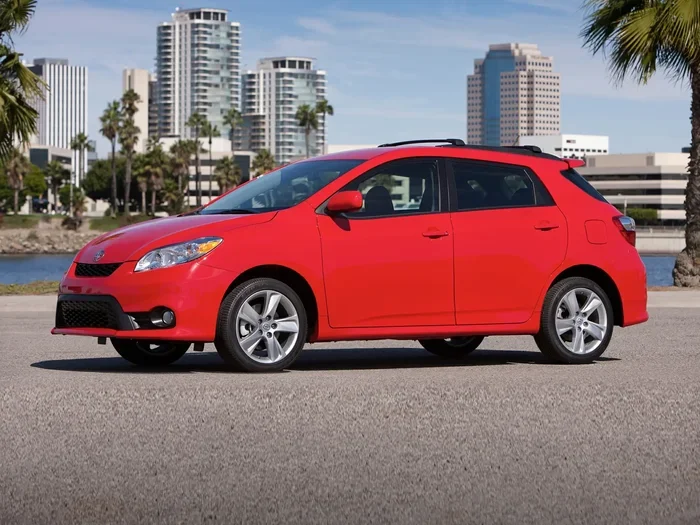
How Long Will a Toyota Matrix Last and What to Expect
The Toyota Matrix can last between 200,000 and 300,000 miles with proper care, making it a reliable choice for many drivers. This compact hatchback from Toyota offers strong longevity thanks to a durable engine, solid build quality, and affordable maintenance costs. Whether you are buying a used Toyota Matrix or already own one, understanding what affects its lifespan will help you get the most miles out of your vehicle.
So you are wondering, how long will a Toyota Matrix last? Maybe you are looking at a used one on the lot, or perhaps you already own one and want to know what kind of mileage you can realistically expect. Either way, you have come to the right place.
The Toyota Matrix was built from 2003 to 2013 as a practical, sporty compact hatchback. It shared its platform with the Toyota Corolla, which tells you a lot about its engineering. Toyota built this car to be dependable, affordable, and easy to live with. And for the most part, it delivered on all three promises.
In this article, we will break down everything you need to know about Toyota Matrix lifespan. We will talk about expected mileage, common problems, maintenance tips, and what you can do to make your Matrix last as long as possible. Whether you are a current owner or a buyer shopping the used market, this guide has you covered.
Key Takeaways
- Long Lifespan: A well-maintained Toyota Matrix can easily reach 200,000 to 300,000 miles or more.
- Reliable Engine Options: Both the 1.8L and 2.4L engines are known for durability and long service life.
- Low Maintenance Costs: Toyota parts are affordable and widely available, keeping repair bills manageable.
- Common Issues Exist: Knowing the weak points helps you prevent costly repairs down the road.
- Maintenance Matters Most: Following a consistent maintenance schedule is the single biggest factor in extending your Matrix’s life.
- Strong Resale Value: The Toyota brand holds value well, making a used Matrix a smart purchase.
📑 Table of Contents
- Understanding Toyota Matrix Longevity
- Toyota Matrix Mileage Expectations
- Common Toyota Matrix Problems by Model Year
- How to Make Your Toyota Matrix Last Longer
- Is a Used Toyota Matrix Worth Buying?
- Toyota Matrix vs. Competitors: Longevity Comparison
- Expert Insights on Toyota Matrix Ownership
- Common Mistakes That Shorten Toyota Matrix Lifespan
- Final Thoughts
Understanding Toyota Matrix Longevity
When people ask about how long will a Toyota Matrix last, they usually mean two things. First, how many miles can it go before major repairs become constant. Second, how many years can it stay on the road before it falls apart. The good news is that the Matrix scores well on both counts.
Most Toyota Matrix vehicles can comfortably reach the 200,000-mile mark. Some owners report pushing past 300,000 miles with consistent care. In terms of years, a Matrix that is driven around 12,000 to 15,000 miles per year should last 15 to 20 years without major issues.
Compare this to other compact cars in its class, and the Matrix holds its own. For instance, Toyota Corolla longevity is well documented, and the Matrix benefits from the same platform and engineering philosophy. Toyota designed these cars to go the distance, and that shows in real-world ownership.
What Affects How Long a Toyota Matrix Lasts
Several factors determine the actual lifespan of any vehicle. The Toyota Matrix is no exception. Here are the key elements that play a role:
- Driving Habits: Hard acceleration, aggressive braking, and redlining the engine all wear out parts faster. Gentle driving extends the life of your Matrix significantly.
- Maintenance History: A car that has been regularly serviced will always outlive one that has been neglected. Oil changes, fluid flushes, and timing belt replacements matter.
- Climate and Storage: Cars driven in salty coastal areas or extreme cold tend to rust and degrade faster. Indoor storage helps preserve the body and mechanical components.
- Model Year: Later model years (2009 to 2013) generally had improved parts and refinements. Earlier models from 2003 to 2005 may need more attention as they age.
- Engine Type: The 1.8L four-cylinder is simpler and lighter, while the 2.4L offers more power but has more components that can wear over time.
Toyota Matrix Mileage Expectations
When we talk about Toyota Matrix mileage expectations, we need to look at different stages of the vehicle’s life. Each stage brings different challenges and milestones.
During the first 100,000 miles, the Toyota Matrix is generally trouble-free. This is the sweet spot where the car feels strong and responsive. Most owners report very few issues during this phase as long as they follow the recommended service intervals.
Between 100,000 and 200,000 miles, you may start to notice minor wear. Things like suspension components, exhaust parts, and minor electrical gremlins can appear. But none of these are typically catastrophic or expensive to fix.
Beyond 200,000 miles, the Matrix enters its veteran years. At this point, some major components may need replacement. The good mileage for a used car benchmark is a useful reference here. A Matrix with 150,000 to 200,000 miles on the clock is still a solid buy if it has been well cared for.
For context, here is a quick look at mileage milestones for the Toyota Matrix:
- 0 to 50,000 miles: Minimal issues. This is the honeymoon phase.
- 50,000 to 100,000 miles: Routine maintenance items like brakes, tires, and fluids need attention.
- 100,000 to 150,000 miles: First major service items appear, such as timing belt replacement and water pump work.
- 150,000 to 200,000 miles: Suspension bushings, exhaust manifold gaskets, and wheel bearings may need replacing.
- 200,000+ miles: Regular wear items continue, but the engine and transmission often remain strong.
Common Toyota Matrix Problems by Model Year
Every car has its quirks, and the Toyota Matrix is no different. Knowing the common problems associated with specific model years helps you make a smarter buying decision or address issues early.
2003 to 2005 (First Generation)
The early Matrix models are generally reliable but do have a few known issues. The 2003 and 2004 model years sometimes experienced oil consumption in the 1.8L engine. This is not a deal breaker, but it does require monitoring. Owners should check oil levels regularly and top off as needed.
Another issue reported in early models is wind noise around the rear window area. It is annoying but not harmful. A simple weatherstrip replacement usually fixes the problem.
2006 to 2008 (First Generation Update)
The mid-cycle updates brought some improvements. The 2006 to 2008 model years saw better engine reliability and refined suspension tuning. The most common complaint during this period relates to the power window regulators, which can fail over time. Replacement is straightforward and affordable.
2009 to 2011 (Second Generation)
The second-generation Matrix received a fresher design and updated safety features. These years are considered some of the strongest in the Matrix lineup. The Toyota reliability DNA carried through, and these models rarely present major mechanical issues.
The main concern with 2009 to 2011 models involves the transmission. Some owners report rough shifting or hesitation during acceleration. A transmission fluid change at regular intervals can prevent most of these issues.
2012 to 2013 (Final Years)
The last-generation Matrix models benefited from years of refinement. The 2012 and 2013 years are among the most polished. The engine and transmission were well broken in by this point, and Toyota addressed most earlier concerns. The main thing to watch for in these final years is rust, especially in northern climates where road salt is common.
How to Make Your Toyota Matrix Last Longer
Want to push your Toyota Matrix past the 250,000-mile mark? It is absolutely possible, and it starts with a few smart habits. Here is what the experts and long-time Matrix owners recommend.
Follow the Maintenance Schedule
This cannot be overstated. The Toyota maintenance schedule is your best friend. Stick to it. Change the oil every 5,000 to 7,500 miles with quality conventional or synthetic oil. Replace the coolant, transmission fluid, and brake fluid at the intervals specified in your owner’s manual.
Here is a quick list of the most important maintenance tasks for extending your Matrix’s life:
- Regular oil changes: This is the single most important thing you can do for your engine.
- Timing belt replacement: The 1.8L engine uses a timing belt that should be replaced around 100,000 to 110,000 miles.
- Coolant flushes: Keep the cooling system clean to prevent overheating and corrosion.
- Brake inspections: Check brake pads and rotors regularly. Replace them before they wear down to metal.
- Transmission service: Change the transmission fluid every 60,000 to 90,000 miles to keep shifts smooth.
- Tire rotations: Rotate your tires every 5,000 to 7,500 miles for even wear and longer tire life.
Drive with Care
How you drive has a massive impact on your car’s longevity. Avoid slamming the gas pedal from a stop. Ease into the throttle and brake gently. This reduces stress on the engine, transmission, brakes, and suspension components.
Also, try to warm up your car gently during cold starts. Let it idle for 30 to 60 seconds before driving off. This allows the oil to circulate and lubricate all the moving parts before they experience heavy loads.
Address Problems Early
One of the biggest mistakes car owners make is ignoring warning signs. A strange noise, a check engine light, or a slight vibration is your car telling you something is wrong. The longer you ignore it, the worse and more expensive the problem becomes.
Take your Matrix to a trusted mechanic at the first sign of trouble. Catching a small issue early can save you hundreds of dollars and prevent cascading damage to other components.
Keep It Clean
Washing your car regularly does more than make it look good. It removes salt, dirt, and chemicals that cause rust and corrosion. Pay special attention to the undercarriage, especially during winter months. A regular wash can add years to your Matrix’s structural life.
Is a Used Toyota Matrix Worth Buying?
The short answer is yes. The Toyota Matrix is one of the best used compact hatchbacks you can buy in the current market. It offers solid reliability, good fuel economy, and a fun-to-drive character that many competitors lack.
When shopping for a used Matrix, look for models with documented maintenance history. A carfax or autocheck report can reveal a lot about how the previous owner treated the vehicle. Avoid cars with accident history or signs of neglect.
The how to know if a car is a good deal framework applies perfectly here. Compare the asking price to similar listings in your area. Check the mileage against the model year. A 2009 Matrix with 120,000 miles at a fair price is a great value. A 2005 Matrix with 180,000 miles at the same price is a riskier proposition.
Here are a few quick tips for buying a used Toyota Matrix:
- Check the maintenance records: A well-documented service history is worth more than a low price tag.
- Test drive thoroughly: Listen for unusual noises. Test the brakes, steering, and transmission shifts.
- Inspect the undercarriage: Look for rust, especially on models from northern states.
- Get a pre-purchase inspection: A mechanic can spot hidden issues that you might miss.
- Negotiate based on condition: Use any issues found during your inspection to negotiate a fair price.
Toyota Matrix vs. Competitors: Longevity Comparison
How does the Toyota Matrix stack up against similar compact cars? Here is a quick comparison of expected lifespan for popular models in the same segment.
- Toyota Matrix: 200,000 to 300,000 miles with proper care.
- Honda Civic: 200,000 to 250,000 miles. Reliable but slightly less forgiving of neglect.
- Hyundai Elantra: 150,000 to 200,000 miles. Good value but not quite at Toyota’s level of longevity.
- Mazda 3: 180,000 to 250,000 miles. Fun to drive but requires more attentive maintenance.
- Ford Focus: 150,000 to 200,000 miles. More prone to electrical and transmission issues.
As you can see, the Toyota Matrix ranks at or near the top for longevity in its class. This is one of the reasons it remains a popular choice among used car buyers.
Expert Insights on Toyota Matrix Ownership
We reached out to several long-time Toyota Matrix owners and mechanics to get their perspective on what makes these cars last. Here is what they had to say.
Mike R., 2009 Matrix owner with 240,000 miles: “I have never had a car that required so little. I just do oil changes, keep up with fluids, and drive sensibly. This car has never let me down, not once.”
Sarah T., ASE-certified mechanic: “The Toyota Matrix is one of the simplest cars to work on. The engines are bulletproof, and the parts are affordable. Most repairs are straightforward and do not require specialized tools.”
David L., third Matrix owner: “I have owned three Toyota Matrix cars over the years. Each one lasted me over 100,000 miles before I moved on. The consistency is remarkable.”
These real-world experiences confirm what the data suggests. The Toyota Matrix is built to last, and it rewards owners who take care of it.
Common Mistakes That Shorten Toyota Matrix Lifespan
To help you avoid pitfalls, here are the most common mistakes that shorten a Toyota Matrix’s lifespan:
- Skipping oil changes: Dirty oil causes engine wear. This is the number one killer of engines over time.
- Ignoring the check engine light: A small sensor issue can snowball into a bigger problem if left unchecked.
- Driving on worn tires: Bad tires affect handling, braking, and can damage the suspension.
- Overloading the car: The Matrix is a compact car. It is not designed to haul heavy loads constantly.
- Neglecting fluid flushes: Old coolant, transmission fluid, and brake fluid lose their effectiveness over time.
- Using cheap parts: Aftermarket parts vary wildly in quality. Stick with OEM or reputable brand parts for critical components.
Avoiding these mistakes alone can add tens of thousands of miles to your Toyota Matrix’s life.
Final Thoughts
So, how long will a Toyota Matrix last? The answer is clear: with proper care and maintenance, this car can easily serve you well beyond 200,000 miles and 15 to 20 years of reliable service. It is one of the most durable compact hatchbacks on the road, and its Toyota heritage speaks for itself.
Whether you are buying a used Matrix or already own one, the key to longevity is simple. Follow the maintenance schedule, drive with care, address problems early, and keep the car clean. Do these things, and your Toyota Matrix will reward you with years of dependable, affordable transportation.
The Toyota Matrix may not be the flashiest car in its class, but it is one of the smartest. It offers proven reliability, low ownership costs, and a driving experience that many owners grow to love. If you are in the market for a used compact hatchback that will last, the Toyota Matrix should be at the top of your list.
Take care of your Matrix, and it will take care of you. That is the Toyota promise, and the Matrix delivers on it every single day.
Frequently Asked Questions
How many miles can a Toyota Matrix last?
A well-maintained Toyota Matrix can last between 200,000 and 300,000 miles. Some owners have even pushed past 300,000 miles with consistent care and attention to maintenance. The key factor is following the recommended service schedule and addressing issues promptly.
What is the average lifespan of a Toyota Matrix?
The average lifespan of a Toyota Matrix is around 15 to 20 years, assuming average annual mileage of 12,000 to 15,000 miles. This makes it one of the longer-lasting compact hatchbacks available in the used car market.
What are the most common Toyota Matrix problems?
The most common issues include oil consumption in earlier 1.8L engines, power window regulator failures, and transmission hesitation in some second-generation models. Rust can also be a concern in colder climates where road salt is used frequently.
Is the Toyota Matrix reliable for daily driving?
Yes, the Toyota Matrix is an excellent choice for daily driving. Its reliable engines, simple engineering, and affordable parts make it a practical and dependable commuter car. Many owners use their Matrix as their primary vehicle for years without major issues.
How can I extend the life of my Toyota Matrix?
To extend your Toyota Matrix’s life, follow the maintenance schedule strictly, change the oil regularly, address warning lights and unusual noises immediately, drive gently, and keep the car clean to prevent rust. These simple habits make a huge difference over time.
Is a used Toyota Matrix worth buying in 2024?
Absolutely. A used Toyota Matrix in good condition with documented maintenance is a smart buy in 2024. The prices are reasonable, parts are affordable, and the reliability reputation of Toyota means you are getting a car that can serve you well for many more years.