Can You Drive Without a Catalytic Converter and Why
Yes, you can physically drive without a catalytic converter, but it comes with serious risks. Your car will run poorly, fail emissions tests, and could damage the engine over time. Driving without this key part of the exhaust system is also illegal in many places and can result in fines. This guide covers everything you need to know about driving without a catalytic converter, including symptoms, costs, and what to do if yours is stolen.
Have you ever wondered what happens if you remove or lose your catalytic converter? Maybe your converter got stolen, or perhaps you are thinking about bypassing it to save money. The short answer is yes, you can technically drive without a catalytic converter. But the real question is whether you should. Driving without this critical part of your car’s exhaust system opens the door to a host of problems. Your car will run rough, sound louder, and fail almost every emissions test in the country.
In this guide, we will walk through everything you need to know about driving without a catalytic converter. We will cover the symptoms you will notice, the legal risks, the cost of replacement, and what to do if your converter gets stolen. Whether you are dealing with a missing converter right now or just want to be prepared, this article has you covered.
Key Takeaways
- You can drive without a catalytic converter temporarily: but it is not recommended for long distances or daily use.
- Your car will show clear symptoms: including a loud exhaust, check engine light, and poor engine performance.
- It is illegal in most areas: driving without a catalytic converter can lead to fines and failed vehicle inspections.
- Catalytic converter theft is on the rise: thieves target these parts because they contain precious metals like platinum and palladium.
- Replacement costs vary widely: expect to pay between $500 and $2,500 depending on your vehicle model.
- OBD scanners can detect the issue: a mechanic can quickly diagnose a missing or faulty catalytic converter.
- Fuel efficiency drops significantly: without a working converter, your car burns more fuel and produces harmful exhaust fumes.
📑 Table of Contents
- What Does a Catalytic Converter Do?
- Can You Drive Without a Catalytic Converter?
- Symptoms of a Missing or Bad Catalytic Converter
- Is It Legal to Drive Without a Catalytic Converter?
- Why Are Catalytic Converters Stolen?
- How Much Does It Cost to Replace a Catalytic Converter?
- Quick Tips to Protect Your Catalytic Converter
- Common Mistakes People Make
- Expert Insights
- Conclusion
What Does a Catalytic Converter Do?
Before we answer whether you can drive without one, let us understand what a catalytic converter actually does. This small box-shaped device sits in your car’s exhaust system between the engine and the muffler. Its main job is to clean up the harmful gases your engine produces.
How It Works
When your engine burns fuel, it creates exhaust gases that are toxic. These gases include carbon monoxide, nitrogen oxides, and hydrocarbons. The catalytic converter uses a chemical reaction to convert these harmful substances into less dangerous ones like carbon dioxide, nitrogen, and water vapor.
Inside the converter, there are tiny honeycomb structures coated with precious metals like platinum, palladium, and rhodium. These metals act as catalysts, which means they speed up chemical reactions without being used up themselves. This is why thieves love them — these metals are worth real money on the black market.
Why It Matters for Your Car
A working catalytic converter does more than just protect the environment. It also keeps your engine performance running smoothly. The converter helps maintain the right fuel mixture and back pressure in the exhaust system. Without it, your engine has to work harder, which leads to a domino effect of other problems.
Can You Drive Without a Catalytic Converter?
The direct answer is yes, you can. Your car will still start and move. But that does not mean you should ignore a missing or damaged converter. Think of it like driving with a broken brake pad. The car moves, but the risks are real and growing every mile you drive.
Short-Term Driving
If you need to drive a short distance to get the converter replaced or repaired, you can do so. Keep the drive under ten miles if possible. You will likely notice a loud rumbling sound from the exhaust pipe. The car might feel slightly sluggish, and you may see the check engine light turn on. These are warning signs you should not ignore.
Long-Term Driving Without a Converter
Driving long distances without a catalytic converter is a bad idea. Over time, your car emissions will be dangerously high. The unburned fuel can damage your oxygen sensor, spark plugs, and even the exhaust manifold. You will also notice a significant drop in fuel efficiency, meaning you will spend more at the gas pump.
What Happens When You Remove the Converter?
Some people remove the catalytic converter entirely to gain a bit of horsepower or sound. While this might give a slight performance boost, the downsides far outweigh any benefits. Your car will fail emissions testing, run rough at idle, and may trigger constant warning lights on the dashboard. The engine warning light will almost always stay on.
Symptoms of a Missing or Bad Catalytic Converter
Knowing the symptoms of a bad or missing catalytic converter can save you from bigger repairs down the road. Here are the most common signs to watch for.
Loud Exhaust Sound
This is the most obvious symptom. Without the converter, your exhaust gases escape freely, creating a loud, roaring sound. The noise gets worse when you hit the gas pedal. Many people describe it as a rumbling or rattling sound that is hard to miss.
Check Engine Light
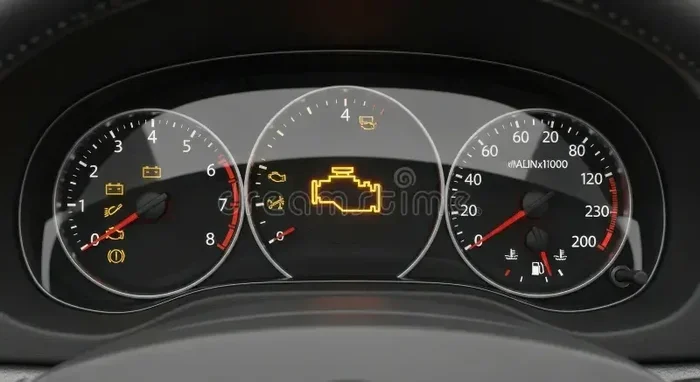
The check engine light will almost certainly come on. Modern cars have sensors that monitor the exhaust system constantly. When the oxygen sensor detects unusual readings because the converter is missing, it sends a signal to the car’s computer. This triggers the warning light on your dashboard.
Poor Engine Performance
Your car might feel sluggish or hesitate when you accelerate. Without the proper back pressure from the catalytic converter, the engine cannot breathe correctly. You may also notice rough idling or stalling at stop lights.
Failed Emissions Test
If you live in an area that requires emissions testing, a missing converter will cause an automatic fail. The car emissions will be far above the legal limit. This is not just a nuisance — it is also harmful to air quality and public health.
Reduced Fuel Efficiency
Without a functioning converter, your fuel mixture becomes imbalanced. The engine burns more fuel than it needs to, which means you will visit the gas station more often. This alone can cost you hundreds of dollars per year.
Rotten Egg Smell
A healthy converter converts sulfur compounds into odorless sulfur dioxide. Without it, you will smell a strong rotten egg odor coming from the exhaust. This smell is not just unpleasant — it is also a sign of harmful exhaust fumes entering the cabin.
Is It Legal to Drive Without a Catalytic Converter?
The short answer is no — not in most places. Driving without a catalytic converter violates federal and state emissions control laws in the United States. Let us break down the legal side of this issue.
Federal Laws
The Clean Air Act makes it illegal to remove or disable a catalytic converter on any vehicle registered for road use. The Environmental Protection Agency (EPA) enforces these rules strictly. Violators can face heavy fines, and in some cases, the vehicle can be impounded.
State and Local Laws
Many states have their own additional rules on top of federal law. California, for example, has some of the strictest emissions control laws in the nation. In California, you must pass a vehicle inspection that includes a smog test. A missing converter will guarantee a fail.
Even in states without strict testing programs, driving without a converter is still technically illegal under federal law. Police can pull you over and issue citations if they suspect your exhaust system has been tampered with.
What About Off-Road Vehicles?
If your vehicle is used strictly for off-road purposes and is not registered for highway use, the rules may differ. However, you should always check your local regulations before removing any emissions equipment. What is legal on private land may not be legal on public roads.
Why Are Catalytic Converters Stolen?
Catalytic converter theft has become a nationwide epidemic in recent years. The reason is simple — these parts contain precious metals that thieves can sell for quick cash.
The Value of Precious Metals
A single catalytic converter contains small amounts of platinum, palladium, and rhodium. These metals are used in the chemical reactions that clean exhaust gases. On the scrap market, a stolen converter can fetch anywhere from $50 to $250 or more, depending on the metal prices at the time.
Thieves can steal a converter in under two minutes using a simple jack and a reciprocating saw. They crawl under the car, cut the converter out, and be gone before anyone notices. This is why parking in well-lit areas and using anti-theft devices is so important.
Which Vehicles Are Targeted?
Trucks, SUVs, and hybrid vehicles are the most common targets. Hybrids are especially attractive because their converters contain higher concentrations of precious metals. Toyota Prius models, Honda Accords, and Ford F-150 trucks consistently top the list of most stolen converters.
How Much Does It Cost to Replace a Catalytic Converter?
If your converter is stolen or damaged, you will need to replace it. The catalytic converter replacement cost can vary quite a bit depending on your vehicle.
Average Replacement Costs
Here is a rough breakdown of what you can expect to pay:
- Economy vehicles: $500 to $1,000 for parts and labor
- Mid-range vehicles: $1,000 to $1,500 for parts and labor
- Luxury and hybrid vehicles: $1,500 to $2,500 or more
The wide price range depends on the vehicle make and model, the type of converter, and your local labor rates. Some converters use more precious metals than others, which drives up the cost.
Can You Use an Aftermarket Converter?
Yes, aftermarket converters are available and cost less than original equipment. However, you need to make sure the aftermarket part meets EPA standards. A non-compliant converter may save you money upfront but could lead to legal trouble and failed vehicle inspection down the road.
Does Insurance Cover Theft?
If you have comprehensive auto insurance, converter theft is usually covered. However, you will need to pay your deductible first. Some insurance companies now offer specific endorsements for converter theft, especially in areas where theft is common. It is worth checking with your provider.
Quick Tips to Protect Your Catalytic Converter
Prevention is always better than cure. Here are some practical steps you can take to protect your catalytic converter from theft and damage.
- Park in well-lit areas: Thieves prefer dark, secluded spots. Parking under lights or in a garage makes your car a less attractive target.
- Install an anti-theft device: Products like converter shields and cages are available. They make it much harder for thieves to cut the converter off.
- Engrave your VIN on the converter: Some shops can engrave your vehicle identification number on the converter. This helps police recover stolen parts and deters thieves.
- Use a car alarm with vibration sensors: Alarms that detect cutting or vibration can scare off thieves before they finish the job.
- Park close to walls or curbs: This makes it harder for thieves to get under your car with a jack.
- Keep your garage door closed: If you have a garage, use it. A locked garage is one of the best deterrents against converter theft.
Common Mistakes People Make
When it comes to catalytic converters, many car owners make avoidable mistakes. Here are a few to watch out for.
- Ignoring the check engine light: Many people ignore the warning light, hoping it will go away. A missing or failing converter will only get worse over time.
- Buying the cheapest replacement part: A cheap converter may save money upfront but could fail quickly and damage other parts of the exhaust system.
- Driving long distances with a missing converter: Some people think they can just drive to the shop and back. The truth is that even short drives without a converter can cause damage to the oxygen sensor and exhaust manifold.
- Not checking insurance coverage: Many drivers do not realize their policy covers converter theft until it is too late.
- Trying to bypass the converter yourself: DIY removal might seem simple, but it often leads to bigger problems and legal issues.
Expert Insights
We spoke with certified automotive technicians about the most common questions they hear regarding driving without a catalytic converter. Here is what they had to say.
“The biggest misconception is that removing a converter will make your car faster,” says Mike Torres, a master ASE-certified mechanic with over 20 years of experience. “In reality, it makes the car run worse. The engine management system relies on feedback from the oxygen sensor near the converter. Without it, the fuel mixture goes haywire.”
“Catalytic converter theft is at an all-time high,” adds Sarah Lin, an auto repair shop owner in Phoenix, Arizona. “We are seeing multiple thefts per week now. I tell all my customers to invest in an anti-theft device. It costs a fraction of what a replacement converter costs.”
These experts agree on one thing — driving without a catalytic converter is never a good long-term solution. If yours is missing or damaged, get it replaced as soon as possible.
Conclusion
So, can you drive without a catalytic converter? Technically yes, but you really should not. The risks far outweigh any short-term convenience. Your car will run poorly, fail emissions tests, and could suffer serious engine damage over time. On top of that, driving without a converter is illegal in most places and can lead to costly fines.
If your converter has been stolen or damaged, the best course of action is to replace it quickly. The catalytic converter replacement cost may seem steep, but it is far cheaper than dealing with engine damage, failed inspections, or legal penalties. Take steps to protect your converter from theft, and always address warning signs like a loud exhaust or glowing check engine light right away.
Your car’s exhaust system works as a team. Every part matters. Keeping your catalytic converter in good shape means better engine performance, cleaner car emissions, and peace of mind every time you hit the road.
Frequently Asked Questions
How far can you drive without a catalytic converter?
You can drive short distances of a few miles without a catalytic converter, but it is not recommended. Even short trips can cause damage to your oxygen sensor and other exhaust system components. Always get the converter replaced or repaired as soon as possible.
What happens if you drive without a catalytic converter?
Your car will run rough, sound much louder, and produce harmful exhaust fumes. The check engine light will likely turn on, and your fuel efficiency will drop. Over time, unburned fuel can damage the engine and other emission-related parts.
Is it illegal to drive without a catalytic converter?
Yes, in most places it is illegal. Federal law under the Clean Air Act prohibits removing or disabling a catalytic converter on any road-registered vehicle. You can face fines and fail vehicle inspection if caught driving without one.
Can a stolen catalytic converter be replaced with a used one?
Yes, used converters are available at salvage yards and online. However, you should make sure the used part meets EPA and state emissions control standards. A non-compliant used converter can still cause emissions test failures and legal issues.
How can I tell if my catalytic converter was stolen?
The most obvious sign is a very loud exhaust sound. Your car will sound like a race car when you start it. You may also see the engine warning light come on, and the car might feel less powerful when you accelerate.
How much does it cost to replace a stolen catalytic converter?
The catalytic converter replacement cost typically ranges from $500 to $2,500 depending on your vehicle. Luxury and hybrid vehicles tend to cost more because they use converters with higher concentrations of precious metals like platinum and palladium.