Car AC to DC Converter Why It Matters and How It Works
A car AC to DC converter lets you power standard AC devices from your vehicle’s DC system. It works by transforming the battery’s low-voltage direct current into usable alternating current. Whether you need to run laptops, small appliances, or power tools on the road, this device makes it possible and safe.
Have you ever been on a road trip and wished you could plug in your laptop, a mini fridge, or even a power tool from your car? A car AC to DC converter makes that dream a reality. It takes the direct current from your vehicle’s battery and turns it into the alternating current that most of our everyday devices need.
But why does this matter so much? And how do you pick the right one without wasting money? This guide breaks everything down in plain, simple terms. You will learn how these converters work, what types exist, and how to choose the best car AC to DC converter for your needs. Let us dive in.
Key Takeaways
- Power Anywhere: A car AC to DC converter opens up your vehicle’s power potential far beyond the cigarette lighter socket.
- Two Main Types: Modified sine wave and pure sine wave converters serve different device needs and budgets.
- Safety First: Always match the converter’s wattage to your device requirements to avoid damage or overheating.
- Know Your Needs: Calculate total wattage before buying to ensure the converter handles all your devices at once.
- Installation Matters: Proper mounting, wiring, and fuse protection extend the life of your converter and keep your car safe.
- Maintenance Is Simple: Regular checks for loose connections, dust, and ventilation keep your converter running smoothly.
📑 Table of Contents
- What Is a Car AC to DC Converter?
- Why Do You Need a Car AC to DC Converter?
- Types of Car AC to DC Converters
- How to Choose the Right Car AC to DC Converter
- Installation Tips for Your Car AC to DC Converter
- Common Mistakes to Avoid
- Maintenance Tips for Longevity
- Real-World Uses That Surprised People
- Conclusion
- Frequently Asked Questions
What Is a Car AC to DC Converter?
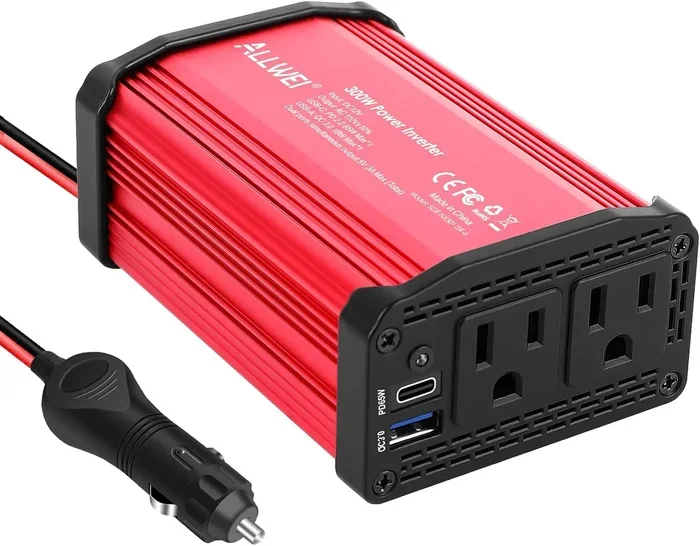
A car AC to DC converter is a small device that changes your car’s 12-volt direct current into 120-volt alternating current. Your car battery stores power as DC, which means the current flows in one direction. Most household devices, however, need AC power, where the current switches directions many times per second.
Think of it like a translator. Your car speaks DC, and your devices speak AC. The converter bridges that gap so both can work together. Without it, you would be stuck using only devices designed for low-voltage DC power.
These converters come in many shapes and sizes. Some plug right into your cigarette lighter. Others connect directly to your car battery for heavier-duty use. No matter the form, they all do the same core job: convert DC to AC safely and efficiently.
How Does It Work?
Inside every car AC to DC converter, there is a circuit board with a few key parts. The transformer steps up the voltage from 12V to 120V. The oscillator creates the alternating current pattern. And the filter smooths out the output so your devices get clean, stable power.
Some converters also include a cooling fan. This prevents the unit from overheating during long use. Others have built-in safety features like short-circuit protection and overheat shutdown. These extras can make a big difference in how long your converter lasts.
Why Do You Need a Car AC to DC Converter?
You might wonder if you really need one. After all, you have USB ports and a 12V socket. But those only power low-wattage devices like phones and tablets. A car AC to DC converter unlocks a whole new world of possibilities.
Here are some real reasons people use them:
- Road trips: Keep your laptop charged for work or entertainment during long drives.
- Camping adventures: Power a small TV, fan, or coffee maker right from your vehicle.
- Emergency backup: Run medical devices or communication equipment when the power goes out.
- Work vans: Operate power tools without needing a generator or shore power.
- Traveling with kids: Keep gaming consoles, tablets, and DVD players running on long journeys.
Without a car AC to DC converter, you are limited to what your car’s native outlets can provide. For many people, that is just not enough. A good converter gives you freedom and flexibility on the road.
Types of Car AC to DC Converters
Not all converters are the same. Understanding the main types helps you pick the right one. Let us look at the two most common categories.
Modified Sine Wave Converters
A modified sine wave car AC to DC converter is the most affordable option. It produces a stepped wave that approximates AC power. This works fine for simple devices like phone chargers, lights, and basic electronics.
However, sensitive equipment may not work well with this type. Devices with motors, such as refrigerators or power tools, might run louder or less efficiently. Some audio equipment may also produce a buzzing sound.
Modified sine wave converters are great for budget-conscious users. They handle most everyday devices just fine and cost much less than premium options.
Pure Sine Wave Converters
A pure sine wave car AC to DC converter produces smooth, clean power identical to what you get from a wall outlet. This makes it safe for all types of devices, including sensitive electronics.
If you need to power medical equipment, laptops with sensitive power supplies, or audio gear, a pure sine wave model is the way to go. It also works better with devices that have microprocessors and digital controls.
The trade-off? Price. Pure sine wave converters cost more than modified sine wave ones. But for many users, the extra cost is worth the peace of mind and device compatibility.
Comparison Table
| Feature | Modified Sine Wave | Pure Sine Wave |
|---|---|---|
| Price | Lower cost | Higher cost |
| Power Quality | Stepped wave | Smooth, clean wave |
| Device Compatibility | Most basic devices | All devices, including sensitive ones |
| Noise on Audio Equipment | Possible buzzing | No noise |
| Motor Efficiency | May run less efficiently | Runs smoothly |
| Best For | Budget use, simple devices | Premium use, all devices |
How to Choose the Right Car AC to DC Converter
Buying the wrong converter can lead to frustration or even damage. Here is what you should consider before making a purchase.
Check Your Power Needs
First, list all the devices you plan to run at the same time. Check each device for its wattage rating. Add them up to get your total wattage need. Always choose a car AC to DC converter with a higher watt rating than your total need.
For example, if your laptop uses 65 watts and your phone charger uses 15 watts, you need at least an 80-watt converter. Adding a buffer of 20 to 30 percent is a smart move. This prevents the converter from running at full capacity all the time.
Match the Converter to Your Vehicle
Not every converter works with every car. Smaller vehicles may only support 100 to 150 watts through the cigarette lighter. Larger vehicles with heavy-duty electrical systems can handle 1000 watts or more.
If you need more than 150 watts, you will likely need a direct battery connection. This requires thicker wiring and a proper fuse. Always check your vehicle’s manual or consult a mechanic before installing a high-wattage car AC to DC converter.
Look for Safety Features
A good converter should include built-in protections. Look for these key safety features:
- Overheat protection: Shuts off the unit if it gets too hot.
- Short-circuit protection: Prevents damage if a wire shorts out.
- Overload protection: Disconnects power if you exceed the wattage limit.
- Low-voltage alarm: Warns you when your car battery is running low.
These features may add a little to the cost, but they protect both your devices and your car. Never skip safety when dealing with power conversion.
Consider Portability
Do you want a converter that stays in your car permanently? Or one you can carry from car to car? Portable car AC to DC converter models are lightweight and often come with carrying cases. They work great for travelers and people who use multiple vehicles.
Built-in models, on the other hand, offer higher wattage and more stable performance. They are ideal for work vans, RVs, and long-term installations.
Installation Tips for Your Car AC to DC Converter
Installing a converter does not have to be hard. Here are some practical tips to get it right the first time.
Use the Right Fuse
Always install a fuse between the converter and your car battery. The fuse rating should match or slightly exceed the converter’s maximum current draw. This protects your car’s wiring from overheating and potential fire hazards.
Keep It Ventilated
Converters generate heat during use. Mount yours in a well-ventilated area where air can flow freely. Avoid placing it in enclosed spaces or under seats where heat can build up quickly.
Use Thick Enough Wires
For high-wattage setups, thin wires create resistance and waste energy as heat. Use the wire gauge recommended by the converter manufacturer. Thicker wires (lower gauge numbers) carry more current safely over longer distances.
Secure All Connections
Loose connections cause sparks, heat, and power loss. Use crimp connectors or soldered joints for a secure fit. Wrap connections with electrical tape or heat shrink tubing for extra protection.
Common Mistakes to Avoid
Even experienced users make mistakes with their car AC to DC converter. Here are the most common ones to watch out for.
Overloading the converter: Plugging in too many high-wattage devices at once is the fastest way to trip the protection or burn out the unit. Stick to the rated wattage and do not push the limits.
Ignoring battery drain: A converter pulls power directly from your battery. If you run it with the engine off, you can drain your battery completely. Always start the engine when using a car AC to DC converter for extended periods.
Skipping the fuse: Some people skip the fuse to save time or money. This is a dangerous shortcut. A fuse is a small investment that can prevent big problems.
Buying the wrong type: A modified sine wave converter may seem fine until you plug in a sensitive device and it malfunctions. Always check what type of wave your devices need before buying.
Poor placement: Mounting a converter where it cannot vent properly leads to overheating. Over time, heat damage shortens the lifespan of any power converter.
Maintenance Tips for Longevity
A car AC to DC converter can last for years with simple care. Here is how to keep yours in top shape.
- Clean it regularly: Dust and debris can block ventilation. Wipe down the unit with a dry cloth every few weeks.
- Check connections: Inspect wires and plugs for wear or looseness. Tighten or replace as needed.
- Store it properly: If not in use, keep the converter in a cool, dry place away from direct sunlight.
- Update firmware if applicable: Some smart converters have firmware updates that improve performance and safety.
- Test it periodically: Plug in a known device to make sure the output is stable and consistent.
Treating your converter with care pays off. A well-maintained car AC to DC converter delivers reliable power for many years without issues.
Real-World Uses That Surprised People
People use car AC to DC converter units in creative ways that go far beyond the obvious. Here are some surprising but practical applications.
Food trucks and pop-up shops: Many small food businesses run their equipment from converted vehicles. A good converter powers blenders, microwaves, and lights without a generator.
Photographers on location: Professional photographers use converters to power studio lights, laptops, and camera charging stations right from their vehicle.
Construction sites: Contractors run small power tools from their trucks using a heavy-duty car AC to DC converter. This saves time and fuel compared to running a separate generator.
RV living: Full-time RV travelers often use converters to supplement their solar or battery systems. This gives them AC power for longer trips without needing a hook-up.
Mobile medical clinics: Some healthcare providers bring equipment to underserved areas using vehicles equipped with high-quality converters. The reliable power is essential for devices like blood pressure monitors and nebulizers.
These examples show how versatile a car AC to DC converter really is. The uses are only limited by your imagination and your power needs.
Conclusion
A car AC to DC converter is one of the most practical and useful accessories you can add to your vehicle. It transforms your car from a simple mode of transport into a mobile power station. Whether you are a frequent traveler, a contractor, or someone who just wants more from your car’s electrical system, the right converter makes a huge difference.
Remember to match the converter type to your device needs. Pure sine wave models offer the best compatibility, while modified sine wave options work well for basic use. Always calculate your power needs, install safety features, and maintain your unit properly.
The world of mobile power is at your fingertips. With the right car AC to DC converter, you can work, travel, and explore with confidence knowing you have reliable power wherever the road takes you.
Frequently Asked Questions
Can a car AC to DC converter drain my car battery?
Yes, it can if you use it with the engine off for a long time. The converter draws power directly from the battery. To avoid draining it, always run the engine while using the converter. A healthy alternator will recharge the battery while you drive.
What is the difference between a converter and an inverter?
People often use the terms interchangeably. But technically, a converter changes AC to DC, while an inverter changes DC to AC. In the automotive world, a “car AC to DC converter” usually refers to an inverter that takes DC from the battery and outputs AC power. The naming can be confusing, but the function is the same.
Can I run a space heater with a car AC to DC converter?
Most space heaters require 1000 to 1500 watts. A standard car electrical system cannot handle that much draw for long periods. You would need a very powerful converter and a robust vehicle electrical system. For most cars, running a space heater is not practical or safe.
Do I need professional installation for a high-wattage converter?
For converters under 150 watts, plug-and-play models are easy to use. For anything higher, professional installation is recommended. A mechanic can ensure proper wiring, fuse sizing, and safe battery connection. This protects both your car and your investment.
Are car AC to DC converters safe for laptops and computers?
Yes, especially pure sine wave models. Laptops have sensitive power supplies that work best with clean AC power. A modified sine wave converter may work, but a pure sine wave unit provides the safest and most stable power for computers and other sensitive electronics.
How long can I run a car AC to DC converter continuously?
This depends on the converter’s build quality and your vehicle’s engine status. Most quality converters can run for hours as long as the engine is on. The alternator keeps the battery charged. Always check the manufacturer’s recommended duty cycle for the best results.