27 Percent Window Tint Why It Matters and What to Expect
27 percent window tint is a popular choice for car owners who want a balance of style, comfort, and protection. This window tint percentage allows about 27% of visible light to pass through your car windows, offering solid UV protection and heat rejection without going too dark. Whether you are looking for a privacy tint or simply want to reduce solar heat inside your vehicle, this shade delivers reliable results. Let us explore everything you need to know about 27 percent window tint and what to expect.
Key Takeaways
- Balanced Light Transmission: 27 percent window tint blocks 73% of light, giving you a comfortable interior without going too dark.
- Strong UV and Heat Protection: This tint shade significantly reduces harmful UV rays and lowers interior temperatures.
- Legal Considerations Vary by State: Always check your local window tint laws before installing a 27% tint to avoid fines.
- Professional Installation Matters: Proper tint installation ensures a bubble-free finish and long-lasting performance.
- Multiple Film Types Available: You can choose from ceramic tint, carbon tint, or dyed tint options at this percentage.
- Easy Maintenance: With the right care routine, a 27% tint can last 5 to 10 years without peeling or fading.
📑 Table of Contents
What Is 27 Percent Window Tint?
27 percent window tint refers to a tint film that allows 27% of visible light to pass through your car windows. The remaining 73% gets blocked. This measurement is known as Visible Light Transmission, or VLT. The lower the VLT number, the darker the tint shade becomes.
When you hear people talk about auto tinting, the percentage they mention is the VLT. A 27% tint is considered a medium shade. It is darker than a 50% tint but lighter than a 20% tint. This makes it a sweet spot for many car owners who want a sleek look without going overboard.
The tint film itself is a thin laminate layer applied to the interior surface of your car windows. It comes in several material types, including dyed tint, carbon tint, and ceramic tint. Each type offers different levels of performance and price points. A 27% tint works well with all of these film options.
How Is Tint Percentage Measured?
The percentage is measured using a specialized tool called a tint meter. This device calculates how much visible light passes through the film and glass combined. The result gives you the window tint percentage. A 27% rating means that only 27 out of every 100 light units make it through the window.
This measurement matters for both aesthetics and function. It affects how dark your car looks from the outside. It also determines how much solar heat and UV rays get blocked. So the percentage is not just a number. It directly impacts your driving experience.
Benefits of Choosing 27 Percent Window Tint
There are many reasons why 27 percent window tint has become a go-to choice for car owners. Let us break down the key benefits you can expect.
UV Protection for You and Your Passengers
One of the biggest advantages of 27 percent window tint is its ability to block harmful UV rays. Prolonged sun exposure inside a car can cause skin damage over time. Quality tint films block up to 99% of UV radiation, even at this medium shade level.
This is especially important for drivers who spend long hours on the road. Your car window tint acts as a shield. It protects your skin and also helps prevent your dashboard and seats from fading. Over time, this interior protection can save you money on replacements and repairs.
Heat Rejection and Comfort
Nobody likes getting into a scorching hot car during summer. A 27 percent window tint significantly reduces solar heat buildup inside your vehicle. Most quality films at this percentage reject between 40% and 60% of total solar energy.
What does this mean for you? Your car stays cooler on hot days. You do not need to blast the air conditioning as hard. This can even improve your fuel efficiency over time. Less AC usage means less engine strain and better gas mileage.
Glare Reduction for Safer Driving
Driving with too much sunlight or headlight glare can be dangerous. A privacy tint at 27% reduces glare significantly. This makes it easier to see the road, especially during sunrise, sunset, or nighttime driving.
Less glare means less eye strain too. If you do a lot of highway driving or commute during bright hours, this benefit alone is worth considering. Your eyes will thank you at the end of a long day.
Enhanced Privacy and Security
A medium-dark shade like 27% gives you a nice level of privacy tint without being overly dark. People on the outside cannot easily see into your car. This adds a layer of security for your belongings.
It also gives you a sense of comfort when parked in public areas. You do not have to worry about people looking into your vehicle. This balance of privacy and visibility is one of the main reasons drivers choose this percentage.
Aesthetic Appeal
Let us not forget the looks. A 27 percent window tint gives your car a polished, finished appearance. It adds depth and contrast to the vehicle’s design. Many car enthusiasts prefer this shade because it looks aggressive without being illegal in most areas.
Whether you drive a sedan, SUV, or truck, a 27% tint enhances the overall look. It gives your car a cohesive, custom feel. First impressions matter, and tinted windows definitely turn heads for the right reasons.
How 27 Percent Tint Compares to Other Shades
Choosing the right tint shade can be confusing with so many options available. Here is how 27 percent window tint stacks up against other popular percentages.
Comparison Table: Common Tint Percentages
Tint Percentage | Lightness Level | Best For | UV Blocking
70% | Very Light | Legal compliance, mild glare | 50-60%
50% | Light | Everyday driving, heat reduction | 70-80%
35% | Medium-Light | Subtle look, good heat rejection | 85-90%
27% | Medium | Style, privacy, comfort | 90-95%
20% | Medium-Dark | Bold look, strong privacy | 95%+
5% | Very Dark (Limousine) | Maximum privacy, show cars | 99%+
Why 27% Stands Out
Compared to lighter tints like 35% or 50%, a 27% shade offers noticeably better heat rejection and UV protection. It also provides more privacy. Compared to darker tints like 20% or 5%, a 27% tint is still legal in many states for front side windows.
This makes 27% a versatile option. You get strong performance without crossing into restricted territory. For many drivers, this is the ideal balance between function and style.
Which Tint Percentage Should You Choose?
Your choice depends on your priorities. If you want maximum legal light for your front windows, go with 35% or 50%. If you want a dark, sporty look and your state allows it, consider 20%. But if you want the best all-around package, 27 percent window tint is hard to beat.
Think about where you live, how much you drive, and what matters most to you. Is it heat? Privacy? Style? The answer will guide your decision. Most people who choose 27% find they made the right call.
Legal Considerations for 27 Percent Window Tint
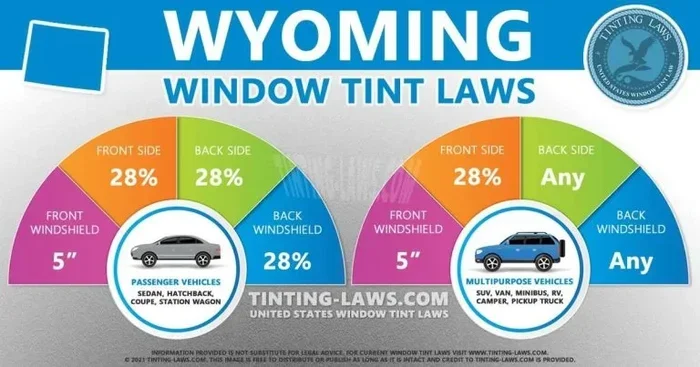
Window tint laws vary widely from state to state and even country to country. Before you commit to a 27 percent window tint, you need to understand the legal landscape.
Understanding Legal Tint Limits
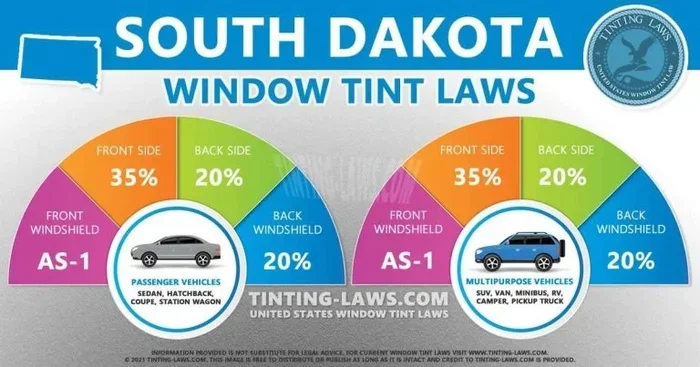
Most states regulate tint based on which window you are tinting. Front side windows often have stricter limits than rear side windows and the rear windshield. For example, some states require front side windows to have a VLT of 35% or higher. Others allow 20% or lower.
In states with stricter laws, a 27% tint on the front doors might be illegal. You could face a tint ticket or be required to remove the film. This is why checking your local regulations is absolutely essential before installation.
States Where 27% Tint Is Generally Legal
Several states allow a 27% tint on front side windows. These include states with a legal limit of 25% or 20% for front windows. However, the rules change frequently, so always verify with your local Department of Motor Vehicles or highway patrol.
Some states have no front window tint restrictions at all. Others only restrict the front windshield and allow any shade on side and rear windows. The key is to do your homework. A quick online search for your state’s legal tint limit will give you the answer.
Medical Exemptions and Special Permits
If you have a medical condition that requires extra sun protection, some states offer exemptions. These allow you to tint your windows darker than the standard legal tint limit. You will need a doctor’s letter and a special permit.
Even with an exemption, you must follow specific rules. The permit must be displayed in your vehicle. And the exemption only covers certain windows. Check with your local authorities to see if this option applies to you.
What Happens If You Get Caught With Illegal Tint?
Getting pulled over for illegal car window tint can result in a fine. In some states, the fine can be surprisingly high. In extreme cases, you may be ordered to remove the tint immediately.
Some police departments use tint meters during routine traffic stops. They will measure your VLT on the spot. If it does not meet the legal requirement, you will receive a citation. To avoid this headache, always verify your local laws before tinting.
What to Expect During 27 Percent Window Tint Installation
Getting your 27 percent window tint installed is a straightforward process. But knowing what to expect helps you feel prepared and confident going in.
Choosing the Right Tint Film
Not all tint film is created equal. When you go for a 27% shade, you have several material options. Dyed tint is the most affordable. It looks good but may fade over time. Carbon tint offers better durability and does not fade as easily. Ceramic tint is the premium choice. It provides the best heat rejection and UV protection without interfering with electronic signals.
Your budget will likely play a big role in your decision. Dyed films start at around $100 for a full set. Carbon films run $200 to $400. Ceramic films can cost $400 or more. But remember, a good tint warranty often comes with higher-end films. This adds long-term value.
The Installation Process Step by Step
The installation process typically takes one to two hours for a full vehicle. Here is what happens during a standard tint installation:
- The installer cleans your windows thoroughly to remove any dirt or debris.
- The tint film is cut to match each window’s exact shape.
- A soapy solution is sprayed on the glass to help position the film.
- The film is placed on the window and smoothed out using a squeegee.
- Excess water and air bubbles are pushed out toward the edges.
- The edges are trimmed neatly for a clean finish.
After installation, the film needs time to cure. This is called the curing time. During this period, you should keep your windows rolled up for at least 24 to 48 hours. This allows the adhesive to fully bond to the glass.
Common Issues and How to Avoid Them
One common concern is tint bubbles. Small bubbles can appear during the curing process. Most of these disappear on their own within a few days. If bubbles persist after a week, contact your installer. A reputable shop will fix this under their tint warranty.
Another issue is peeling or bubbling caused by poor installation or low-quality film. This is why choosing a professional shop matters. Cheap DIY kits often lead to these problems. A skilled installer ensures a smooth, bubble-free finish that lasts.
You might also notice some haze or foginess right after installation. This is completely normal. It is part of the curing process. The clarity will improve as the film dries. Be patient and give it the time it needs.
How Much Does 27 Percent Window Tint Cost?
The window tinting cost for a 27% shade depends on several factors. These include the type of film, your vehicle size, and the quality of the installer. On average, you can expect to pay between $150 and $450 for a full sedan. Larger vehicles like SUVs and trucks may cost more.
Ceramic films will be at the higher end of the price range. Dyed films are the most budget-friendly. Carbon films sit in the middle. When budgeting, also factor in the tint warranty. A longer warranty often means better film quality and more reliable performance.
Maintenance Tips for 27 Percent Window Tint
Once your 27 percent window tint is installed, proper care will help it last for years. Follow these simple maintenance tips to keep your tint looking great.
Wait Before Cleaning Your Windows
Avoid cleaning your tinted windows for at least 3 to 5 days after installation. The adhesive needs time to fully cure. Using any cleaning solution too early can interfere with the bonding process and cause peeling.
When you do start cleaning, use a soft microfiber cloth. Avoid ammonia-based cleaners, as they can degrade the tint film over time. Instead, use a mild, ammonia-free glass cleaner or a solution of water and a drop of dish soap.
Avoid Harsh Chemicals and Abrasives
Your car window tint is sensitive to harsh chemicals. Stay away from abrasive sponges, rough towels, and strong cleaning products. These can scratch or cloud the film surface.
Stick to gentle cleaning methods. A soft cloth and mild solution will keep your tint looking clear and vibrant. This small habit goes a long way in preserving your investment.
Watch Out for Tint Bubbles and Peeling
Over time, you might notice small bubbles or edges starting to lift. This can happen due to heat exposure or poor initial installation. Small bubbles are usually not a concern. But if you see large bubbles or significant peeling, it is time to consult a professional.
Most quality tint films come with a tint warranty that covers these issues. Check your warranty terms. Many reputable shops will repair or replace the film at no cost if the problem is covered.
Protect Your Tint From Sun Damage
Even though 27 percent window tint already blocks a good amount of UV rays, additional protection helps. Park in shaded areas whenever possible. Use a windshield sun shade when parked for long periods.
These simple steps reduce the cumulative stress on your tint film. They help maintain the film’s clarity and adhesive strength. Your tint will look newer for longer with these easy habits.
When to Consider Replacing Your Tint
A well-maintained 27 percent window tint can last between 5 and 10 years. However, the lifespan depends on the film type, climate, and care routine. If you notice significant fading, bubbling, or peeling, it may be time for a replacement.
Replacing old tint is a straightforward process. Just make sure you choose a quality film and a skilled installer. This ensures your new auto tinting will perform just as well as the original.
Conclusion
27 percent window tint offers an excellent balance of style, protection, and practicality for car owners. It provides strong UV protection, effective heat rejection, and a noticeable reduction in glare. At the same time, it maintains a medium shade that looks great on any vehicle.
Before you move forward, always check your local window tint laws. Make sure a 27% shade is legal for your front windows. Choose a reputable installer and a quality film type that fits your budget and needs. With the right approach, your 27 percent window tint will deliver years of reliable performance and a polished look for your car.
Take the time to research your options. Talk to professionals. Ask questions. The more informed you are, the better your results will be. A well-chosen and properly installed 27 percent window tint is one of the best upgrades you can make to your vehicle.
Frequently Asked Questions
Is 27 Percent Window Tint Legal on Front Doors?
The legality of a 27% tint on front doors depends entirely on your state or local laws. Some states allow it, while others require a higher VLT for front side windows. Always check your local window tint laws before installation to avoid fines or removal orders.
How Much Does It Cost to Tint All Windows at 27 Percent?
The window tinting cost for a full vehicle at 27% typically ranges from $150 to $450. The final price depends on the film type, your vehicle size, and the installer’s expertise. Premium films like ceramic tint will cost more but offer better performance and a longer tint warranty.
Can I Use a DIY Kit for 27 Percent Window Tint?
You can use a DIY kit, but professional installation is highly recommended. DIY kits often result in tint bubbles, peeling, or uneven application. A professional installer ensures a smooth, bubble-free finish and can provide a tint warranty for added peace of mind.
How Long Does the Curing Process Take for 27 Percent Tint?
The curing time for a 27% tint is typically 2 to 4 days for the adhesive to fully bond. During this period, keep your windows rolled up and avoid cleaning them. Small haze or bubbles may appear but usually clear up as the film dries completely.
Does 27 Percent Tint Block UV Rays Effectively?
Yes, quality 27 percent window tint blocks up to 99% of harmful UV rays, regardless of the shade level. This provides excellent interior protection for your skin and helps prevent fading of your dashboard, seats, and trim over time.
What Is the Difference Between Ceramic and Carbon Tint at 27 Percent?
Ceramic tint offers the best heat rejection and does not interfere with electronic signals like GPS or phone reception. Carbon tint is slightly less expensive and still provides excellent performance. Both work great at 27%, but ceramic is the premium option for those who want maximum protection.