Can My Key Fob Start My Car Without Pressing Buttons
Yes, your key fob can start your car without pressing many buttons. Modern vehicles use push-button start and smart key technology that lets you ignite the engine with minimal effort. You simply press the brake pedal and hit the start button, or in some cases, the car starts automatically when you sit down. Understanding how your key fob communicates with your vehicle helps you use these features confidently every day.
You slide into your driver seat. You press the brake. And with a simple push of a button, your engine roars to life. No key turning. No jiggling. Just a smooth, effortless start. This is the reality for millions of drivers who rely on key fob technology every single day. But here is the real question — can your key fob start your car without you pressing any buttons at all?
The answer might surprise you. Modern vehicles come packed with features that go far beyond the basic push-to-start mechanism. From passive entry systems to remote start capabilities, your little key fob does a lot more than you might think. In this article, we will break down exactly how these systems work, what happens when things go wrong, and how you can get the most out of your smart key technology.
Whether you drive a brand-new sedan or a slightly older SUV with a push-button start upgrade, this guide covers everything you need to know. Let us dive in.
Key Takeaways
- Keyless start systems let you fire up your engine without inserting a physical key.
- Push-button start works through a proximity sensor that detects your smart key inside the car.
- A dead key fob battery does not mean you cannot start your car — most vehicles have backup methods.
- Remote start features allow you to warm up or cool down your car from a distance.
- Common key fob mistakes like placing the fob in the wrong spot can prevent your car from starting.
- Regular battery replacement in your key fob keeps everything running smoothly.
- Vehicle security systems like immobilizers protect your car even during keyless ignition.
📑 Table of Contents
How Does a Key Fob Start Your Car?
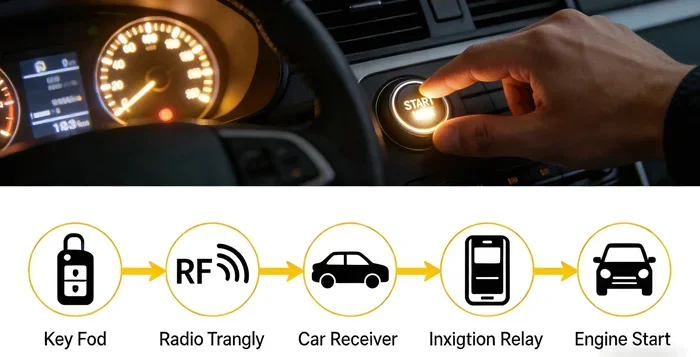
Most people press the start button and never think about what happens behind the scenes. But the process is fascinating. Your key fob sends a low-frequency radio signal to your car. The vehicle’s antenna module picks up that signal and checks if the fob is authorized. Once verified, the engine control unit (ECU) allows the starter motor to engage.
Here is how the process works step by step:
- The smart key inside your pocket or bag emits a continuous low-power signal.
- The car’s proximity sensor detects the fob when you are within a certain range.
- When you press the brake pedal and hit the push-button start, the system confirms the fob is inside the cabin.
- The immobilizer system verifies the fob’s unique identification code.
- The engine turns over and starts normally.
This entire sequence takes less than a second. It feels like magic, but it is actually clever radio frequency identification (RFID) technology working behind the scenes. The transponder chip inside your fob communicates with the car’s anti-theft system to make sure no unauthorized person can start the engine.
What Is Passive Entry and Passive Start?
Many newer vehicles offer passive entry and passive start features. Passive entry means you do not need to press the unlock button on your fob. The car detects your approach and unlocks the doors automatically. Passive start takes it a step further — you can start the engine without even taking the fob out of your pocket.
This is often marketed as keyless go or hands-free start. You walk up to your car. It unlocks. You sit down. You press the brake and hit start. The engine fires up. No fumbling with buttons required. It is incredibly convenient, especially when your hands are full of groceries or other items.
Can You Start a Car Without Pressing Any Buttons?
Now for the big question. Can your key fob start your car without you pressing a single button? The short answer is yes — but with some important caveats. Several factors determine whether your vehicle can start automatically.
Some cars have a feature called auto start or smart start. This allows the engine to turn on when the smart key is detected inside the vehicle and the brake pedal is pressed. You still need to press the brake, but the start button itself does not require a long hold or multiple presses.
Other vehicles offer remote start through the fob. You press a button on the fob from outside the car, and the engine starts without you being inside. This is incredibly useful in cold weather or hot climates. You can warm up your car or cool it down before you even step inside.
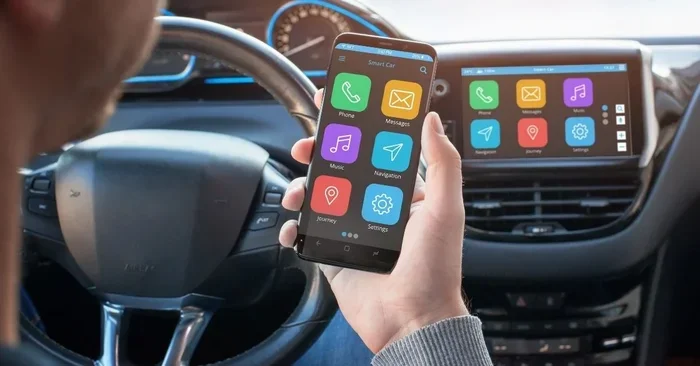
Then there are newer vehicles with advanced telematics systems that let you start your car using a smartphone app. In these cases, you do not even need the physical fob nearby. Your phone communicates with the car through cellular networks, and the engine starts remotely.
Does Your Car Have Auto Start-Stop Technology?
Many modern cars come with auto start-stop technology. This feature automatically shuts off the engine when you stop at a red light or in traffic. When you take your foot off the brake, the engine restarts automatically. While this is not the same as starting your car from a completely off state, it does mean the key fob plays a role in seamless engine restarts without any button pressing from you.
Keep in mind that auto start-stop is designed for fuel efficiency, not for convenience. The engine will shut off and restart many times during a single drive. Some drivers find this feature annoying, while others appreciate the fuel savings. Either way, it shows how far keyless ignition technology has come.
Push-Button Start vs Traditional Key Ignition
The shift from traditional keys to push-button start systems has been one of the biggest changes in the automotive world. Let us compare the two approaches side by side.
| Feature | Traditional Key Ignition | Push-Button Start |
|---|---|---|
| How you start the car | Insert key and turn | Press a button |
| Key fob required | No | Yes |
| Anti-theft protection | Basic lock | Immobilizer + transponder |
| Convenience level | Moderate | High |
| Backup start method | Physical key always works | Fob battery must have charge |
| Remote start capability | Rare | Common in newer models |
| Keyless entry | No | Yes |
As you can see, push-button start offers far more convenience and security features than a traditional key ignition. However, it does come with a dependency on the key fob battery. If your fob battery dies, you might find yourself stuck unless you know the backup method.
Which System Is More Secure?
Push-button start systems are generally more secure than traditional keys. The immobilizer system prevents the engine from starting unless the correct smart key is detected. A traditional key can be copied more easily, while smart key fobs use encrypted rolling codes that change every time you use them.
That said, keyless entry systems are not immune to hacking. Thieves can use relay attack devices to amplify the fob’s signal from inside your home and unlock your car from outside. This is a real concern, and car manufacturers are actively working on ultra-wideband technology to combat this threat.
What Happens When Your Key Fob Battery Dies?
A dead key fob battery is one of the most common reasons a car will not start. But here is the good news — most vehicles have a backup method to get you going even when the fob is completely dead.
When the car key fob battery dies, the proximity sensor cannot detect the fob. The car will not recognize it as an authorized device. This means the push-button start system will refuse to engage. But you are not completely stranded.
Most manufacturers include a hidden key blade inside the fob. You can pop it out and use it to physically unlock the driver’s door. Once inside, many cars have a secret start slot — usually located near the steering column or center console — where you can place the dead fob to start the car. The vehicle reads the transponder chip inside the fob directly through contact, bypassing the need for a battery.
How to Replace Your Key Fob Battery
Replacing your key fob battery is one of the easiest maintenance tasks you can do. Most fobs use a CR2025 or CR2032 coin cell battery. Here is how to do it:
- Find the small seam or slot on the side of the fob.
- Use a small flathead screwdriver or a coin to pry open the fob case.
- Remove the old battery and note the positive and negative orientation.
- Insert the new battery with the correct polarity.
- Snap the fob case back together.
- Test the fob by standing near your car and pressing any button.
Most key fob batteries last between two and four years. If you notice the remote start range getting shorter or the fob buttons feeling weak, it is time for a replacement. Keeping a spare battery in your glove box is a smart habit.
Quick Tips for Key Fob Battery Life
- Avoid storing your fob near electronic devices that emit strong signals.
- Do not drop or expose the fob to extreme temperatures.
- Replace the battery as soon as you notice reduced range.
- Use high-quality batteries from reputable brands.
- Keep a spare fob and battery in a safe place at home.
Common Key Fob Problems and How to Fix Them
Key fob issues are more common than most people realize. Understanding these problems can save you time, money, and a lot of frustration. Here are the most frequent issues drivers face.
Fob Not Detected by the Car
If your car says “key not found” or refuses to start, the smart key might not be communicating properly. This can happen for several reasons:
- The key fob battery is low or dead.
- The fob is too far from the antenna module or placed in the wrong spot.
- The transponder chip inside the fob is damaged.
- The car’s anti-theft system has been triggered.
- Electromagnetic interference from other devices is blocking the signal.
Expert Insight: “The most common reason a fob is not detected is a weak battery. But before you replace it, try holding the fob directly against the start button or the designated detection area on the center console. This can boost the signal enough to start the car temporarily,” says automotive technician Mark Jennings.
Fob Buttons Sticking or Not Responding
Sticky or unresponsive buttons are a sign of wear and tear. Dirt, moisture, and general use can cause the contact pads inside the fob to degrade. You can try cleaning the buttons with a cotton swab dipped in rubbing alcohol. If that does not work, the fob may need to be replaced or repaired.
Fob Gets Wet or Damaged
Water damage is a serious threat to key fob electronics. If your fob gets soaked, remove the battery immediately and let the fob dry completely before reinserting the battery. In many cases, a dried-out fob will work perfectly fine. However, if the internal circuits are corroded, you will need a replacement fob.
Common Mistakes That Prevent Key Fob Starting
Here are some mistakes drivers make that can prevent their key fob from starting the car:
- Placing the fob in the wrong pocket. Some cars have specific detection zones. Keep the fob in the cup holder or the designated area if it is not working.
- Ignoring the battery warning light. If your dashboard shows a low fob battery warning, replace it immediately.
- Using aftermarket fobs. Cheap replacement fobs may not have the correct transponder chip programming.
- Standing too far away. The key fob range is typically around 30 to 50 feet. Stand close to the car if the fob is not being detected.
- Forgetting to press the brake. Most push-button start systems require the brake pedal to be pressed before the engine will start.
Expert Tips for Using Your Key Fob Like a Pro
You have a powerful tool sitting in your pocket. Your key fob does much more than unlock doors and start the engine. Here are some expert tips to help you get the most out of it.
Use the Remote Start Feature
If your vehicle has remote start, use it wisely. Press the lock button, then immediately press and hold the remote start button. The engine should turn on, and the climate control will begin conditioning the cabin. This feature is especially valuable during harsh winters or scorching summers.
Know Your Fob’s Range
Key fob range varies by vehicle and model. Most standard fobs work within 30 to 50 feet. Premium vehicles with extended-range fobs can work from up to 100 feet or more. Knowing your fob’s effective range helps you understand when to press the button and when to simply walk up to the car.
Keep Your Fob Updated
Some modern fobs can be reprogrammed or updated at the dealership. If you are experiencing issues, ask your dealer if there is a firmware update available for your smart key system. This can resolve many communication and detection problems.
Protect Your Fob from Signal Theft
To protect against relay attacks, store your fob in a signal-blocking pouch or box when you are at home. These pouches block the fob’s radio signal, making it impossible for thieves to amplify and relay the signal to your car. It is a small investment that can save you from a costly theft.
Register a Spare Fob
Always have at least one spare key fob programmed to your vehicle. If your primary fob is lost, damaged, or the battery dies, a spare fob can get you back on the road quickly. Many dealerships and locksmiths can program replacement fobs, but it is much easier and cheaper if you already have a spare on hand.
Conclusion
So, can your key fob start your car without pressing buttons? The answer is a resounding yes — depending on your vehicle’s features and technology. From push-button start to passive entry and remote start, modern key fob systems offer incredible convenience and security. Understanding how these systems work empowers you to use them effectively and troubleshoot problems when they arise.
Remember to keep your key fob battery fresh, store your fob properly, and take advantage of backup start methods when needed. Your smart key is a remarkable piece of technology that makes driving easier and safer every single day. Take a few minutes to explore your vehicle’s features, and you might discover capabilities you never knew existed.
The world of keyless entry and push-to-start technology is evolving rapidly. As ultra-wideband and smartphone integration become more common, the way we interact with our vehicles will continue to change. But one thing remains constant — the key fob will always be your trusted companion on the road.
Now that you understand how your key fob works, you can start your car with confidence every time. Keep this guide handy, share it with fellow drivers, and enjoy the convenience of modern car key technology.
Frequently Asked Questions
Can a key fob start a car if the battery is completely dead?
Yes, in most cases. Even with a dead battery, you can use the hidden key blade inside the fob to unlock the door and place the fob against the push-button start or a designated detection area. The car reads the transponder chip through direct contact, allowing the engine to start.
How far can a key fob start a car from?
The standard key fob range is typically between 30 and 50 feet. Some premium vehicles with extended-range fobs can work from up to 100 feet or more. The range depends on the vehicle model, the fob type, and any environmental interference.
Can someone steal my car with a key fob?
It is possible through a method called a relay attack. Thieves use devices to amplify the signal from your smart key inside your home and relay it to your car outside. You can prevent this by storing your fob in a signal-blocking pouch and keeping it away from doors and windows at night.
How often should I replace my key fob battery?
Most key fob batteries last between two and four years. If you notice reduced range, weak button response, or a dashboard warning light, it is time to replace the battery. Keeping a spare battery in your glove box is a smart habit.
Can I use a universal key fob to start my car?
Universal fobs can sometimes work, but they may not support all features of your vehicle. Aftermarket fobs might not have the correct transponder chip programming, which means the immobilizer system could prevent the engine from starting. It is best to use the manufacturer’s fob or have a professional program any replacement.
What is the difference between keyless entry and push-button start?
Keyless entry allows you to unlock the car without pressing the button on the fob — the car detects your approach. Push-button start lets you start the engine by pressing a button instead of turning a key. Many modern vehicles offer both features together as part of a keyless go system.