How Do You Check Transmission Fluid Without Dipstick
Checking transmission fluid without a dipstick is easier than most people think. You can use the transmission fluid reservoir, the fill plug method, or an OBD-II scanner to get accurate readings. Knowing how to check transmission fluid without a dipstick helps you maintain your vehicle and avoid costly repairs.
Your car’s transmission is one of the most important parts under the hood. It transfers power from the engine to the wheels. Without proper transmission fluid, this system can fail quickly. But here’s the thing – not all vehicles have a traditional dipstick for checking fluid levels. Many modern cars use sealed transmission units that don’t include this simple tool. If you’ve ever wondered how to check your fluid without that familiar stick, you’re in the right place.
How do you check transmission fluid without dipstick anyway? The good news is that several reliable methods exist. Whether you drive a newer vehicle or a model with a sealed transmission, you have options. In this guide, I’ll walk you through each method step by step. You’ll learn what tools you need, what to look for, and how to interpret your findings. By the end, you’ll feel confident tackling this essential maintenance task on your own.
Checking transmission fluid without a dipstick isn’t just for mechanics anymore. With the right knowledge, any car owner can do this. It saves money, prevents breakdowns, and keeps your vehicle running smoothly. Let’s dive in and explore the different ways to check your transmission fluid level without that traditional dipstick.
Key Takeaways
- Multiple Methods Available: You can check transmission fluid without a dipstick using the reservoir, fill plug, or electronic scanner.
- Regular Checks Prevent Problems: Checking your transmission fluid level regularly helps you catch issues early.
- Right Fluid Matters: Using the correct transmission fluid type is essential for proper operation.
- Warning Signs Exist: Low transmission fluid causes slipping, grinding, and delayed shifting.
- DIY Is Possible: Most transmission fluid check methods are simple enough for beginners.
📑 Table of Contents
Why Checking Transmission Fluid Matters
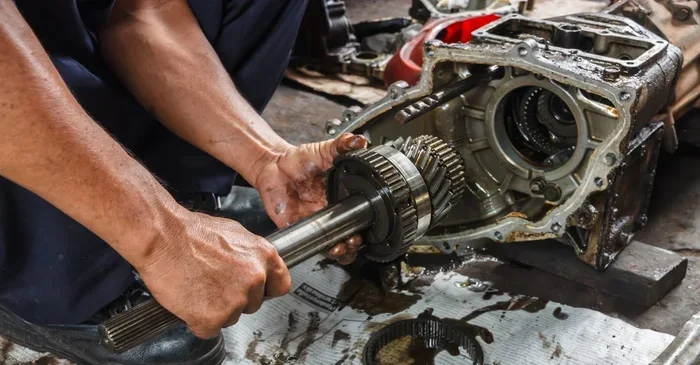
Transmission fluid does more than just lubricate. It cools the internal components, helps with shifting, and protects against wear. When fluid levels drop or the fluid degrades, your transmission suffers. Many drivers ignore this until serious problems appear. By then, repairs can cost thousands of dollars.
Regular transmission fluid maintenance extends the life of your transmission. It also improves fuel economy and driving performance. Most manufacturers recommend checking fluid at specific intervals. But if you notice any transmission fluid warning signs, you should check it immediately. Don’t wait for the recommended schedule if something feels off.
What Happens When Fluid Gets Low
Low transmission fluid causes a range of problems. The transmission might slip between gears. Shifting could become rough or delayed. In severe cases, the transmission can overheat and fail completely. Can you drive a car with transmission problems? Technically yes, but it risks causing more damage. It’s always better to address fluid issues early.
Dirty or old fluid also harms your transmission. Over time, fluid breaks down and loses its protective properties. Metal shavings and debris can contaminate the fluid. This accelerates wear on internal components. Regular checks help you spot these problems before they escalate.
How to Check Transmission Fluid Without a Dipstick
Different vehicles use different methods for checking transmission fluid. Here are the three most common approaches for vehicles without a traditional dipstick. Each method works well when done correctly.
Method 1: Using the Transmission Fluid Reservoir
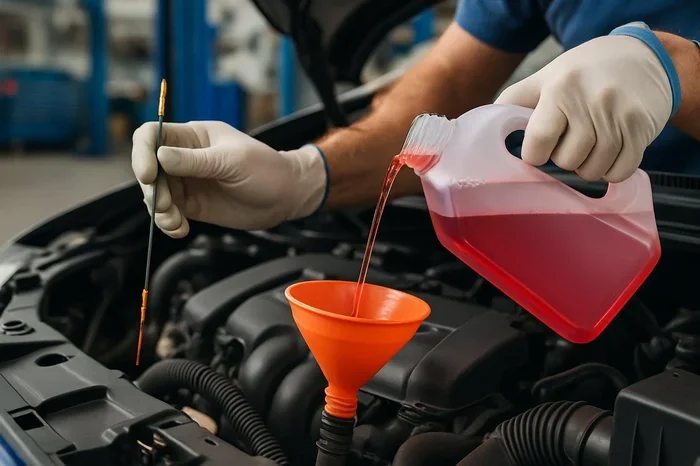
Many vehicles with sealed transmissions still have a reservoir you can access. This method works similarly to checking engine oil with a dipstick, but the reservoir has different markings.
Here’s how to do it:
- Park your car on a level surface.
- Warm up the engine and let it idle for a few minutes.
- Locate the transmission fluid reservoir under the hood.
- Remove the cap and look at the fluid level markings.
- Add fluid if needed, using the correct type for your vehicle.
The reservoir typically has “MIN” and “MAX” lines or dots. You want the fluid level between these marks. Can you just add transmission fluid if it’s low? Yes, but make sure you use the right fluid type. Using the wrong fluid can cause damage to your transmission.
Method 2: Checking via the Fill Plug
Some transmissions use a fill plug instead of a dipstick. This method requires a bit more effort but gives you an accurate reading.
Follow these steps:
- Lift your vehicle safely using a jack and jack stands.
- Find the fill plug on the side of the transmission housing.
- With the engine warm and running, remove the fill plug.
- If fluid drips out, the level is correct.
- If no fluid comes out, you need to add more.
This method works best when the vehicle is at operating temperature. The fluid needs to be warm to flow properly. Make sure you have the right tools and a catch pan ready for any spills. Always torque the fill plug to the manufacturer’s specifications when you’re done.
Method 3: Using an OBD-II Scanner
Modern vehicles often store transmission data electronically. An OBD-II scanner can read this information without needing physical access to the fluid reservoir.
Here’s what to do:
- Locate your OBD-II port (usually under the dashboard).
- Plug in a compatible OBD-II scanner.
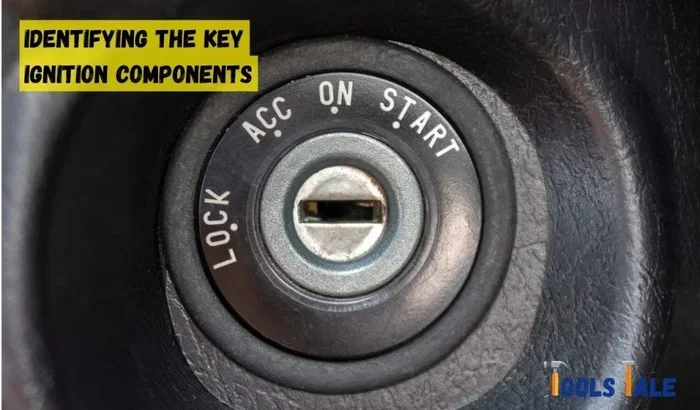
- Turn the ignition to the “On” position.
- Follow the scanner prompts to read transmission data.
- Look for fluid temperature, level, and any error codes.
This method works well for vehicles with electronic transmission controls. Some scanners can even show you real-time fluid condition data. Do you have to reset the light after an oil change? Similarly, you may need to clear any transmission-related codes after checking or adding fluid.
What Type of Transmission Fluid Do You Need?
Not all transmission fluid is the same. Using the wrong type can cause serious problems. Always check your owner’s manual for the recommended fluid specification.
There are two main types of transmission fluid:
- Automatic Transmission Fluid (ATF): Used in automatic transmissions. Different vehicles require specific ATF formulations.
- Manual Transmission Fluid: Often gear oil rather than ATF. Manual transmissions have different fluid requirements.
Using the wrong transmission fluid type can lead to poor shifting, overheating, and internal damage. When in doubt, consult your dealership or a trusted mechanic. The cost of the right fluid is nothing compared to the cost of a transmission rebuild.
Common Signs of Low Transmission Fluid
Knowing the warning signs helps you catch problems early. Don’t wait until your transmission fails. Watch for these symptoms of low transmission fluid:
- Delayed Shifting: The car hesitates before changing gears.
- Slipping Gears: The transmission slips out of gear or fails to hold gear.
- Rough Shifting: Gear changes feel jerky or harsh.
- Overheating: The transmission runs hotter than normal.
- Fluid Leaks: You see red or brown fluid under your car.
- Warning Lights: The check engine light or transmission warning light illuminates.
If you notice any of these signs, check your transmission fluid level right away. Can you drive with a bad transmission? It’s risky. Continuing to drive with low or dirty fluid can cause catastrophic failure. Address the issue immediately to avoid expensive repairs.
When to Seek Professional Help
While checking transmission fluid without a dipstick is straightforward for most methods, some situations call for a professional. Don’t hesitate to visit a mechanic if you encounter any of the following:
- You can’t locate the reservoir or fill plug.
- The fluid appears dark brown or smells burnt.
- You notice metal particles in the fluid.
- The transmission warning light stays on after adding fluid.
- You hear grinding or unusual noises from the transmission.
Sometimes the problem goes beyond simple fluid level. Internal transmission damage requires specialized tools and expertise. Can you drive a car with transmission problems to the shop? Yes, but drive carefully and keep the trip short. Continuing to drive on a damaged transmission makes the repair bill much higher.
Regular transmission fluid maintenance includes both checking and changing the fluid. Most manufacturers recommend changing ATF every 30,000 to 60,000 miles. Check your owner’s manual for the specific interval. Staying on top of this schedule keeps your transmission healthy for years to come.
Quick Tips for Checking Transmission Fluid
Here are some practical tips to make your transmission fluid check easier and more accurate:
- Always check fluid when warm: Cold fluid gives inaccurate readings. Run the engine for a few minutes first.
- Use a level surface: Park on flat ground to get an accurate fluid level reading.
- Clean the area around the reservoir:Wipe any dirt away before opening to prevent contamination.
- Keep the right fluid on hand: Know which fluid your vehicle needs before you start.
- Check for leaks: Look under the car for any signs of fluid dripping while you’re checking.
These simple tips save time and prevent mistakes. They also help you get the most accurate reading every time you check your transmission fluid level.
Conclusion
How do you check transmission fluid without dipstick now? You have several reliable methods at your fingertips. Whether you use the reservoir, the fill plug, or an OBD-II scanner, each approach gives you the information you need. Regular checks keep your transmission healthy and your car running smoothly.
Don’t let the lack of a dipstick scare you away from this important maintenance task. With the right knowledge and a little patience, you can check your transmission fluid confidently. Start with these methods today and take control of your vehicle’s health. Your transmission will thank you for it.
Frequently Asked Questions
Can you check transmission fluid with the engine off?
It depends on the vehicle. Most manufacturers recommend checking with the engine warm and running. However, some older vehicles require the engine to be off. Always consult your owner’s manual for the correct procedure.
How often should you check transmission fluid?
Check your transmission fluid level at least once a month. Also check it whenever you notice any warning signs like slipping or rough shifting. Regular checks help you catch problems early.
What color should healthy transmission fluid be?
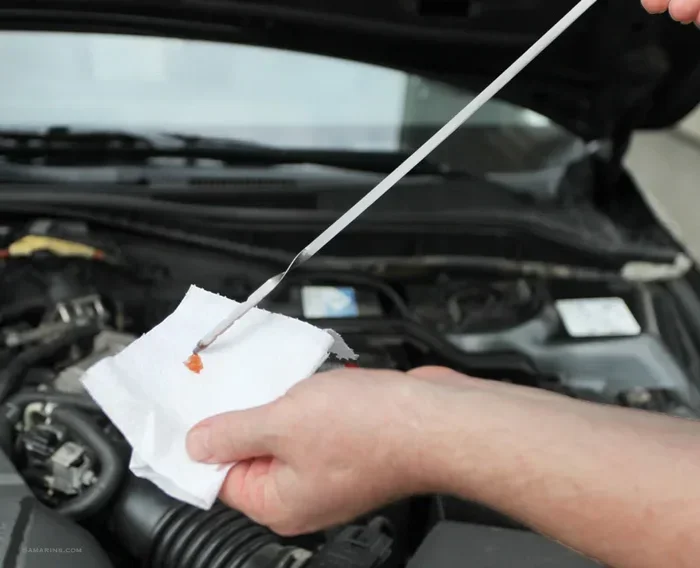
Healthy transmission fluid is typically red or pink. If the fluid appears dark brown or has a burnt smell, it needs to be changed. Dirty fluid loses its protective properties and can damage internal components.
Can you use any transmission fluid for your vehicle?
No, using the wrong transmission fluid type can cause serious damage. Always use the fluid specified in your owner’s manual. Different vehicles require different formulations for optimal performance.
How long does transmission fluid last?
Most transmission fluid change intervals fall between 30,000 and 60,000 miles. However, severe driving conditions may require more frequent changes. Check your owner’s manual for the manufacturer’s specific recommendation.
Is it hard to check transmission fluid without a dipstick?
Not at all. The methods described above are straightforward and require only basic tools. With a little practice, you can check your transmission fluid level quickly and accurately. Start with the reservoir method if you’re new to this.