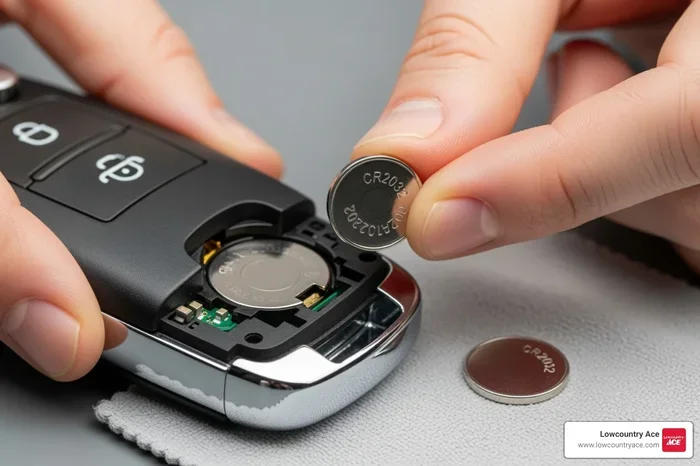
How Often Should I Change My Key Fob Battery Guide
Your key fob battery typically needs replacement every 3 to 4 years, but heavy usage can shorten that timeline. Watch for warning signs like reduced range, weak remote start, and a flashing low battery indicator. This guide shows you exactly when and how to swap the battery yourself in minutes.
Your key fob is one of the most used accessories in your daily drive. It unlocks the doors, starts the engine, and sometimes even opens the trunk with a single press. When the key fob battery dies, everything comes to a halt. Understanding how often you need to swap that tiny battery keeps you ahead of the problem. This guide covers the full timeline, warning signs, and the simple steps to replace it yourself.
Many drivers ignore their key fob battery until it stops working completely. That leaves you standing outside your car in the rain or late at night. A proactive approach saves time and frustration. You will learn the average key fob battery life, the factors that shorten it, and the exact type of battery your Toyota key fob needs. Let’s walk through everything you need to know.
Key Takeaways
- Replace every 3–4 years: Most key fob batteries last 3 to 4 years under normal use.
- Watch for warning signs: Reduced range, weak remote start, and a flashing indicator mean it’s time.
- Use the right battery: Most Toyota key fobs use a CR2032 coin cell battery.
- DIY replacement is easy: You can change the battery yourself with just a small flathead screwdriver.
- Reset after replacement: Some systems need a simple reset to recognize the new battery.
- Avoid common mistakes: Don’t touch the battery contacts with metal and dispose of old batteries properly.
📑 Table of Contents
- How Long Does a Key Fob Battery Last?
- Signs Your Key Fob Battery Is Dying
- Which Battery Does Your Key Fob Use?
- Step-by-Step Key Fob Battery Replacement
- Can You Replace a Key Fob Battery Yourself?
- What to Do After Replacing Your Key Fob Battery
- How Often Should You Change Your Key Fob Battery?
- Final Thoughts on Key Fob Battery Replacement
How Long Does a Key Fob Battery Last?
The average key fob battery lasts between three and four years. However, that number can shift based on how often you use the remote. If you press the button dozens of times a day, the battery wears out faster. Cold weather also drains power more quickly. A battery that lasts five years in a mild climate might give you only two years in a harsh winter.
Average Lifespan of a Key Fob Battery
Most car key fob battery units use a CR2032 coin cell. These small batteries deliver steady power for about 1,500 to 2,000 presses. If you use your remote mainly for locking and unlocking, that translates to roughly three to four years. Heavy users who rely on remote start or proximity sensors may see the battery drop to two years.
Factors That Affect Key Fob Battery Drain
Several habits and conditions speed up the key fob battery drain. Here are the main culprits:
- Frequent remote start use: Starting the car from a distance draws more power than a simple lock command.
- Proximity sensor activity: Modern cars keep the key fob in constant communication, which slowly wears the battery.
- Cold temperatures: Low heat reduces the chemical reaction inside the battery, lowering voltage faster.
- Pressed buttons that stick: A sticky button sends repeated signals, draining the battery overnight.
- Old battery residue: Corrosion on the contacts increases resistance and wastes energy.
How to Tell When It’s Time for a Key Fob Battery Replacement
You do not need to guess when the battery dies. Your car gives you clear signals. A key fob battery low warning often appears on the dashboard. The remote start feels weaker, and the range shrinks. If you need to hold the button right next to the car to unlock it, the battery is almost dead. Catching these signs early prevents you from getting stranded.
Signs Your Key Fob Battery Is Dying
Recognizing the early symptoms of a dying key fob battery saves you from an unexpected lockout. The changes happen gradually, so you may not notice them at first. Here are the most common signs that your remote needs a fresh battery.
Warning Lights and Reduced Range
Many newer Toyotas display a low key battery symbol on the instrument cluster. The symbol looks like a key with a battery bar that flashes. Even if the light stays on, the range of your remote shrinks. You might stand within three feet of the door for it to unlock. That loss of range is a clear signal that the key fob battery is weakening.
When the Remote Start Feels Weak
If you use remote start, you will notice the engine takes longer to crank. A healthy battery sends a strong signal that starts the car instantly. A weak battery causes a delayed start or a grinding noise. Some drivers report that the remote start works from the driveway but fails in the parking lot. That inconsistency points directly to a low key fob battery.
Key Fob Not Working at All
In the final stage, the key fob stops communicating with the car entirely. You may still be able to start the vehicle with the physical key blade, but the remote functions fail. If you find yourself manually unlocking the door more often, it is time to check the battery. A complete failure often means the battery has been dead for a while, and you risk being locked out.
Which Battery Does Your Key Fob Use?
Knowing the correct battery type is essential for a smooth key fob battery replacement. Using the wrong battery can damage the fob or fail to power it. Most Toyota key fobs rely on a standard coin cell, but the exact model matters.
Common Battery Types for Toyota Key Fobs
The vast majority of Toyota key fobs use a CR2032 battery. This 3-volt lithium coin cell fits perfectly in the fob shell. Some older models or specialty fobs may use a CR2025, which is slightly thinner. Always check your owner’s manual or the label on the old battery before you buy a new one. Using the wrong type can cause the key fob battery to fit loosely or not work at all.
How to Find the Right Battery for Your Key Fob
Open the fob carefully and look at the existing battery. The code is printed right on the top, usually CR2032 or CR2025. You can also check the fob model number online or in the manual. Buy a fresh battery from a reputable brand like Energizer or Duracell. Avoid cheap generic batteries, as they often have a shorter key fob battery life and leak more frequently.
Step-by-Step Key Fob Battery Replacement
Replacing the key fob battery is one of the easiest maintenance tasks you can do. No special tools are required, and the process takes less than five minutes. Follow these steps carefully to avoid damaging the fob.
Tools You’ll Need
Gather these simple items before you start:
- A new CR2032 battery (or the correct type for your fob).
- A small flathead screwdriver or a thin plastic pry tool.
- A clean, soft cloth to handle the battery.
- Your owner’s manual for reference.
Opening the Key Fob Safely
Place the fob on a flat surface with the front facing up. Look for a small seam along the edge. Insert the flathead screwdriver gently into the seam and twist slightly. The fob will pop open. Avoid using metal tools that can scratch the interior. If your fob uses a release button, press it and slide the back cover off. Once open, note the orientation of the old battery before removing it.
Inserting the New Battery and Testing
Lift the old battery out with a plastic tool or your fingernail. Do not touch the contacts with metal. Place the new battery with the positive side facing up, matching the original orientation. Snap the fob cover back into place. Press the lock and unlock buttons to test the signal. If the fob works immediately, your key fob battery replacement was successful. If not, check that the battery is seated correctly and the contacts are clean.
Can You Replace a Key Fob Battery Yourself?
Absolutely. You can replace a car key fob battery yourself at home with just a few simple tools. The process is the same for most Toyota models, from the Corolla to the RAV4. Dealerships and locksmiths will charge you for a quick five-minute job, but you can do it for the cost of a single battery. Many drivers save money and time by handling this simple task themselves.
DIY vs. Dealer Replacement Cost
A dealership may charge between $20 and $50 for a key fob battery replacement. That covers the battery and a quick service fee. Buying a CR2032 battery at a drugstore or online costs less than $5. You keep the old battery, which you can recycle properly. The DIY route is not only cheaper but also faster. You do not need to drive to a dealer or wait for an appointment.
Step-by-Step Video and Written Guides
Several online resources walk you through the exact process for your specific fob model. Search for a video that matches your Toyota year and trim. Watching someone open the fob makes the task even easier. The written steps above give you a solid foundation. Once you complete the replacement a couple of times, it becomes second nature.
What to Do After Replacing Your Key Fob Battery
After you finish the replacement, you might wonder if you need to do anything else. In most cases, the fob works immediately. However, some systems require a simple reset or reprogramming. Understanding the post-replacement steps ensures your key fob battery is fully functional and paired correctly.
Resetting the System
For many Toyota models, simply pressing the lock and unlock buttons twice resets the system. The car recognizes the fob with the new battery right away. If the fob still does not work, try standing close to the car and holding the button for five seconds. This forces a fresh signal handshake. If the problem persists, you may need to reprogram the fob, which is a straightforward process outlined in the owner’s manual.
Do You Have to Do Anything After Replacing a Key Fob Battery?
Most of the time, no. The fob is ready to use the moment you snap it shut. However, if your car has a proximity sensor system, it might need a brief re-sync. After you finish the replacement, you might wonder if you need to do anything else. Find out if you have to do anything after replacing a key fob battery by checking this detailed guide: do you have to do anything after replacing a key fob battery. It covers the exact steps for different Toyota models and helps you avoid unnecessary trips to the dealer.
How Often Should You Change Your Key Fob Battery?
The short answer is every three to four years. But the better question is how to know when your specific fob needs attention. Tracking your usage and watching for warning signs keeps you ahead of a dead battery. A little maintenance goes a long way toward avoiding a lockout situation.
Quick Tips for Extending Battery Life
You can stretch the key fob battery life with a few simple habits:
- Avoid pressing the button unnecessarily: Only use the remote when you actually need it.
- Keep the fob away from metal objects: Keys and coins can cause static discharge that drains the battery.
- Store the fob in a warm pocket in winter: Cold weather kills battery power faster.
- Clean the contacts yearly: A quick wipe with a dry cloth prevents corrosion that increases resistance.
- Replace the battery at the first sign of weakness: Do not wait until the fob stops working completely.
When to Seek Professional Help
If you replace the battery and the fob still does not work, the problem may be deeper than a dead cell. A faulty circuit board, water damage, or a worn-out button pad can mimic low battery symptoms. In those cases, a dealership or qualified locksmith can diagnose the issue. They can also program a new fob if the original one is damaged. Regular maintenance keeps your key fob battery healthy, but sometimes professional attention is necessary.
Final Thoughts on Key Fob Battery Replacement
Changing your key fob battery is one of the easiest and most affordable maintenance tasks you can perform. A fresh battery restores full range, instant remote start, and reliable door unlocking. You do not need to visit a dealer or spend hours on the process. With the right battery, a few simple tools, and this guide, you can handle the job in under five minutes.
Keep an eye on the warning signs and replace the battery before it dies completely. A proactive approach saves you from the frustration of a lockout. Share this guide with a friend who still struggles with a weak remote. Staying ahead of your key fob battery replacement schedule keeps your daily drive smooth and hassle-free.
Frequently Asked Questions
How long does a key fob battery usually last?
Most key fob batteries last between three and four years. Heavy use, cold weather, and frequent remote starts can shorten that to two years. Watch for warning signs like reduced range to know when it is time for a replacement.
Can I drive my car with a low key fob battery?
Yes, you can still drive with a low key fob battery, especially if you use the physical key blade. However, remote functions like lock, unlock, and remote start will fail. If you experience issues, learn more about driving with a low key battery here: drive with a low key battery and replace the battery soon.
What type of battery does a Toyota key fob use?
The vast majority of Toyota key fobs use a CR2032 coin cell battery. Some older models use a CR2025. Always check the old battery or your owner’s manual to confirm the exact type before you buy a new one.
Is it hard to replace a key fob battery yourself?
No, it is very simple. You only need a small flathead screwdriver and a new battery. The entire process takes less than five minutes and requires no technical skills. You can save money by skipping the dealership visit.
Do I need to reprogram my key fob after changing the battery?
In most cases, no. The fob works immediately after you snap it shut. Some proximity sensor systems may need a brief re-sync. If the fob does not respond, try pressing the lock and unlock buttons twice while standing close to the car.
How much does a key fob battery replacement cost?
A replacement battery costs less than $5 if you buy it yourself. Dealerships may charge $20 to $50 for the same battery plus a service fee. Doing it at home is the cheapest and fastest option.