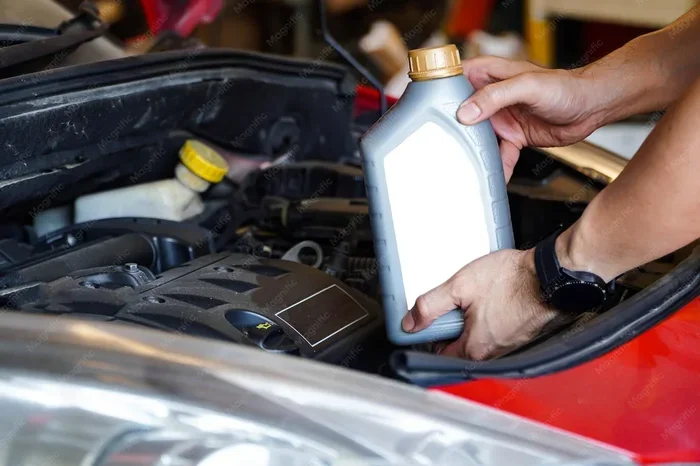
Is Changing Synthetic Oil Every 5000 Miles Necessary
Changing synthetic oil every 5000 miles is a common practice, but is it really necessary? Many modern vehicles can go much longer between oil changes, depending on your driving habits and car model. This guide breaks down the truth about synthetic oil change intervals, costs, and what your engine actually needs.
Every car owner has heard the advice: change your oil every 5000 miles. But is that really true? The short answer is: it depends. synthetic oil every 5000 miles has been the go-to recommendation for decades. But modern engines and advanced lubricants have changed the game.
In this article, we will walk you through everything you need to know about synthetic oil change intervals. We will cover what the experts say, what your car actually needs, and how to save money without risking engine damage. Whether you drive a Toyota Camry or a daily commuter, this guide has you covered.
Key Takeaways
- 5000 Miles Is Often Conservative: Many newer cars with synthetic oil can go 7500 to 10000 miles between changes.
- Driving Conditions Matter: Stop-and-go traffic, extreme heat, and towing may require more frequent oil changes.
- Check Your Owner’s Manual: Your manufacturer’s recommendation is the best starting point for your oil change interval.
- Cost vs. Benefit: Changing oil too early wastes money, but skipping changes can damage your engine.
- Oil Life Systems Help: Modern vehicles use sensors to track oil life and tell you when a change is truly needed.
- Quality Oil Matters: Premium synthetic oils last longer and protect your engine better than budget options.
📑 Table of Contents
- What Happens When You Change Synthetic Oil Every 5000 Miles?
- How Often Should You Really Change Synthetic Oil?
- Factors That Affect Your Oil Change Interval
- The Cost of Changing Oil Every 5000 Miles
- Signs Your Oil Needs Changing Sooner Than 5000 Miles
- Do You Need to Reset the Oil Change Light After an Oil Change?
- Expert Advice on Synthetic Oil Change Intervals
- Common Mistakes People Make With Oil Changes
- Quick Tips for Extending Your Oil Change Interval
- Conclusion
What Happens When You Change Synthetic Oil Every 5000 Miles?
Changing your synthetic oil every 5000 miles is a safe and conservative approach. It will not hurt your engine. In fact, it may even extend the life of your motor over time. But here is the thing: most modern cars do not need oil changes this often anymore.
Synthetic oil is designed to last longer than conventional oil. It resists thermal breakdown better and maintains its viscosity for more miles. So when you stick to a 5000 mile oil change schedule, you are essentially changing your oil earlier than most manufacturers recommend.
Is It Overkill to Change Oil at 5000 Miles?
For many drivers, yes. If you drive a newer vehicle with full synthetic oil, going 5000 miles between changes is perfectly fine but not required. Most automakers now recommend oil changes at 7500 or even 10000 mile intervals when using synthetic lubricants.
That said, there is no harm in being cautious. If you prefer the peace of mind that comes with a 5000 mile oil change, go for it. Just know that you may be spending more than necessary over the life of your vehicle.
How Often Should You Really Change Synthetic Oil?
The right oil change interval depends on several factors. Your owner’s manual is the best place to start. Most new cars come with specific recommendations based on the engine design and the type of oil used.
Here is a quick look at common recommendations:
- Conventional Oil: Every 3000 to 5000 miles
- Synthetic Blend: Every 5000 to 7500 miles
- Full Synthetic Oil: Every 7500 to 15000 miles
As you can see, full synthetic oil can go much longer than the traditional 5000-mile rule. This is a game changer for your wallet and your schedule. You no longer need to visit a service center every few months just for an oil swap.
Can You Go 10000 Miles on Synthetic Oil?
Absolutely. Many drivers ask, “can I go 10000 miles on synthetic oil?” The answer is yes, for most modern vehicles. Full synthetic oils like 5W-30 and 0W-20 are engineered to handle extended intervals. They maintain their protective properties well beyond what conventional oils can offer.
Some manufacturers, like Toyota and Honda, now recommend oil changes every 10000 miles when using synthetic lubricants. This is a big shift from the old 3000-mile standard that many of us grew up with.
If you want to learn more about extended oil change intervals, check out our guide on can I go 10000 miles on synthetic oil.
Factors That Affect Your Oil Change Interval
Not all driving is the same. Your oil change frequency should reflect how, where, and how often you drive. Several factors can shorten or extend the life of your engine oil.
Driving Conditions
Stop-and-go city driving is harder on your engine than highway cruising. Frequent short trips, especially in cold weather, can cause oil to degrade faster. This is because the engine never reaches full operating temperature, which allows moisture and fuel to contaminate the oil.
On the other hand, steady highway driving is much easier on your lubricant. If you mostly drive long distances on open roads, you can likely extend your synthetic oil change interval well beyond 5000 miles.
Extreme Temperatures
Hot weather and cold weather both take a toll on engine oil. Extreme heat causes oil to thin out and break down faster. Cold weather makes oil thicker, which can strain your engine during startup.
If you live in an area with harsh temperature swings, consider sticking closer to a 5000 mile oil change schedule. Your engine will thank you for the extra protection.
Towing and Heavy Loads
Towing a trailer or carrying heavy cargo puts extra stress on your engine. This increases the temperature of your oil and accelerates wear. If you regularly tow or haul heavy loads, you should shorten your oil change interval.
Most manufacturers define this as “severe driving conditions” and recommend more frequent changes. Check your owner’s manual for the specific guidelines that apply to your vehicle.
Vehicle Age and Mileage
Older engines with high mileage tend to burn oil and accumulate more contaminants. If your car has over 100000 miles, a 5000 mile oil change schedule can help keep things running smoothly. Fresh oil helps clean out sludge and reduces wear on internal components.
For vehicles with high mileage, you might also want to consider high-mileage synthetic oils. These are specially formulated with seal conditioners and extra detergents to protect aging engines.
The Cost of Changing Oil Every 5000 Miles
One of the biggest concerns for car owners is the cost of regular oil changes. Changing synthetic oil every 5000 miles adds up over time. Let us break down what you can expect to pay.
| Oil Change Interval | Changes Per Year (15k miles) | Average Cost Per Change | Annual Cost |
|---|---|---|---|
| Every 3000 Miles | 5 | $50-$80 | $250-$400 |
| Every 5000 Miles | 3 | $50-$80 | $150-$240 |
| Every 7500 Miles | 2 | $50-$80 | $100-$160 |
| Every 10000 Miles | 1.5 | $50-$80 | $75-$120 |
As you can see, switching from a 5000-mile to a 10000-mile interval can save you a significant amount of money each year. That is money you can put toward other car maintenance or even into savings.
If you are looking for affordable options, you might wonder, “does Autozone do oil changes?” The answer is yes, and they often offer competitive pricing for synthetic oil changes. You can also check if your dealership offers free oil changes with a service plan.
For more information on where to get your oil changed, visit our page on does Autozone do oil changes.
Are Toyota Oil Filters Good for Extended Intervals?
If you drive a Toyota, you might wonder whether Toyota oil filters can handle longer intervals. The good news is that OEM Toyota oil filters are designed to work with the manufacturer’s recommended change schedule. They are built to last and filter contaminants effectively over extended mileage.
However, if you push your oil change interval beyond what the manufacturer recommends, you should also upgrade your oil filter. A high-quality filter ensures that your oil stays clean and protects your engine for the full interval.
Want to learn more about Toyota oil filters? Check out our article on are Toyota oil filters good.
Signs Your Oil Needs Changing Sooner Than 5000 Miles
Even with a set schedule, you should pay attention to signs that your oil needs changing sooner. Your engine will tell you if something is wrong. Here are the most common warning signs:
- Dark or Dirty Oil: Fresh synthetic oil is amber in color. If it turns dark brown or black, it is time for a change.
- Burning Smell: A burnt odor coming from the engine bay can indicate overheated or degraded oil.
- Reduced Fuel Economy: Old oil increases friction, which can lower your gas mileage.
- Engine Noise: Knocking or ticking sounds may mean your oil is no longer lubricating properly.
- Oil Change Light: If your dashboard warning light comes on, do not ignore it. Learn when you can still drive safely in our guide on can I still drive with the oil change light on.
If you notice any of these symptoms, get your oil changed right away. Do not wait for the next scheduled interval. Running low or degraded oil can cause serious engine damage over time.
Do You Need to Reset the Oil Change Light After an Oil Change?
Yes, you should reset your oil change light after every oil change. This helps you keep track of your mileage and ensures the system accurately monitors your next service interval. Forgetting to reset the light can lead to confusion about when your next oil change is due.
Need help with this? We have a complete guide on how to reset the oil change light for most vehicle models.
Expert Advice on Synthetic Oil Change Intervals
We spoke with several certified mechanics about the best approach to synthetic oil every 5000 miles. Here is what the professionals had to say:
Follow the Manual First: Your owner’s manual is the ultimate authority. It tells you exactly what your engine needs. Do not rely on generic advice from friends or quick-lube shops.
Consider Your Driving Style: If you drive gently and mostly on highways, you can safely extend your interval. If you drive aggressively or in tough conditions, stick closer to 5000 miles.
Do Not Skip Oil Filter Changes: Even with extended oil change intervals, always replace your oil filter. A clogged filter can reduce oil flow and harm your engine.
Use Quality Products: Invest in reputable synthetic oils and filters. Cheap oil may save you a few dollars now but could cost you thousands in engine repairs later.
Track Your Mileage: Keep a log of your oil changes. This helps you stay on schedule and gives you a record to share with your mechanic if any issues arise.
Common Mistakes People Make With Oil Changes
Avoid these common pitfalls to keep your engine running strong:
- Ignoring the Owner’s Manual: Many drivers follow the 3000-mile rule out of habit. But newer vehicles do not need this frequency.
- Using the Wrong Oil Viscosity: Always use the weight recommended by your manufacturer. Using the wrong viscosity can reduce engine protection.
- Overfilling the Oil: Too much oil can cause foaming and pressure buildup. If you accidentally overfill, learn how to handle it in our guide on can I drive my car with too much oil in it.
- Forgetting to Reset the Light: This small step is easy to skip but important for tracking your next service.
- Sticking to Old Habits: Just because your dad changed oil every 3000 miles does not mean you need to. Modern synthetic oils are far superior.
Quick Tips for Extending Your Oil Change Interval
Want to get the most out of your synthetic oil? Follow these simple tips:
- Check your oil level at least once a month
- Use a high-quality synthetic oil that meets your manufacturer’s specs
- Keep your engine tuned up to reduce contaminants
- Avoid excessive idling, which can cause oil breakdown
- Monitor your oil life system if your vehicle has one
- Store your vehicle in a garage when possible to protect the oil from temperature extremes
Conclusion
So, is changing synthetic oil every 5000 miles necessary? The answer is: it depends on your vehicle, your driving habits, and your personal preference. For many modern cars, 5000 miles is a perfectly safe and conservative interval. But you may be able to go longer and save money without sacrificing engine protection.
The key is to know your car, follow the manufacturer’s recommendations, and pay attention to the signs your engine gives you. Whether you choose a 5000 mile oil change or extend to 10000 miles, the most important thing is that you do not skip oil changes altogether.
Regular oil changes are one of the simplest and most cost-effective ways to protect your engine. Stay on top of your maintenance schedule, use quality products, and your car will reward you with years of reliable performance.
Frequently Asked Questions
Is changing synthetic oil every 5000 miles too often?
Not at all. While many modern vehicles can go longer between changes, sticking to a 5000-mile interval is a safe and conservative choice. It will not harm your engine and may even help extend its lifespan over time.
What happens if you change synthetic oil too early?
Changing oil early is not harmful. You simply spend a bit more money than necessary. There is no mechanical downside to getting an oil change before the recommended interval. However, it is not the most cost-effective approach.
Can I go 10000 miles with synthetic oil in a Toyota Camry?
Many Toyota Camry models can go 10000 miles on full synthetic oil, especially newer models. Check your owner’s manual for the specific recommendation. You can also read our article on can a Toyota Camry go to 500000 miles for more long-term maintenance tips.
How do I know if my oil life system is accurate?
Most modern vehicles have oil life monitoring systems that track driving conditions and adjust the change interval accordingly. These systems are generally reliable, but it is still a good idea to check your oil level manually and look for signs of contamination.
Should I change my oil filter every time I change the oil?
Yes, always replace the oil filter with every oil change. A clean filter ensures proper oil flow and filtration. If you are using synthetic oil every 5000 miles, the filter works hard to keep contaminants out. A fresh filter helps it do its job effectively.
Are oil changes free at Toyota dealerships?
Some Toyota dealerships offer free oil changes as part of a maintenance package or new vehicle promotion. It is worth checking with your local dealer. Learn more in our article on are oil changes free at Toyota.