4 Signs of a Failing Catalytic Converter You Must Know
A failing catalytic converter can wreck your vehicle’s performance, fuel economy, and emissions. Recognizing the warning signs early saves you from costly repairs and keeps your car running smoothly. This guide covers the four most common symptoms every driver should watch for.
Your catalytic converter is one of those parts you probably never think about until something goes wrong. This small but mighty component sits in your exhaust system and does a big job. It transforms harmful gases into less toxic emissions before they leave your car. When it starts to fail, your entire vehicle feels the impact.
The good news? You do not need to be a mechanic to spot the warning signs. Most drivers notice something is off long before a complete breakdown. The key is knowing what to look for and when to act. This article breaks down the four most common signs of a failing catalytic converter in simple, practical terms.
Let us walk through each symptom so you can catch problems early. Whether you drive a Toyota, Honda, Ford, or any other brand, these signs apply universally. Understanding them can save you hundreds, even thousands, in repair bills.
Key Takeaways
- Rotten Egg Smell: A sulfur-like odor from your exhaust often signals a failing catalytic converter that needs immediate attention.
- Check Engine Light: This dashboard warning is one of the most common indicators of catalytic converter problems and should never be ignored.
- Reduced Fuel Economy: A clogged converter forces your engine to work harder, burning more fuel than normal.
- Rattling Noise: Unusual sounds from the exhaust area may mean the internal honeycomb structure has broken apart.
- Failed Emissions Test: A bad catalytic converter will cause your vehicle to fail an emissions inspection.
📑 Table of Contents
- What Does a Catalytic Converter Do?
- Sign 1: A Rotten Egg or Sulfur Smell
- Sign 2: Check Engine Light Stays On
- Sign 3: Reduced Fuel Economy and Engine Performance
- Sign 4: Rattling Noise and Failed Emissions Test
- What Causes a Catalytic Converter to Fail?
- How Much Does It Cost to Replace a Catalytic Converter?
- Can You Drive With a Bad Catalytic Converter?
- How to Prevent Catalytic Converter Problems
- Conclusion
What Does a Catalytic Converter Do?
Before we dive into the signs, it helps to understand the basics. Think of your catalytic converter as a filter for your exhaust gases. It sits between your engine and the muffler along the exhaust pipe. As hot exhaust flows through it, chemical reactions break down harmful pollutants.
The converter turns carbon monoxide, nitrogen oxides, and hydrocarbons into carbon dioxide, nitrogen, and water vapor. This process keeps your vehicle compliant with emission standards. It also helps your engine run more efficiently. Without a working converter, your car pollutes more and may not pass inspections.
Many people wonder, can I drive my Toyota without a catalytic converter? The short answer is yes, but it is not recommended. Driving without one can damage your engine over time and is illegal in most states. The converter plays a vital role in keeping your exhaust system healthy.
Sign 1: A Rotten Egg or Sulfur Smell
This is often the first sign people notice. Your exhaust should not smell like rotten eggs. If you catch a strong sulfur odor coming from under your car, pay attention. That smell means your catalytic converter is not doing its job properly.
Why Does This Happen?
A healthy catalytic converter converts hydrogen sulfide into sulfur dioxide. This process keeps exhaust fumes relatively odorless. When the converter fails, hydrogen sulfide passes through unchanged. The result is that unmistakable rotten egg smell.
You might notice this odor most when idling or starting the car. Some drivers report it gets stronger when they step on the gas. The smell can also be more noticeable outside the vehicle than inside. If you or your passengers complain about the smell, do not dismiss it.
What to Do About It
Do not ignore a persistent sulfur smell. Here are some practical steps:
- Check if the smell worsens during acceleration or idling.
- Have your exhaust system inspected by a qualified mechanic.
- Do not attempt to drive long distances with this symptom.
- Replace the catalytic converter if the diagnosis confirms failure.
A sulfur smell can also point to a fuel mixture problem. Sometimes the issue is not the converter itself but something upstream, like a faulty oxygen sensor. A proper diagnosis will tell you exactly what needs fixing.
Sign 2: Check Engine Light Stays On
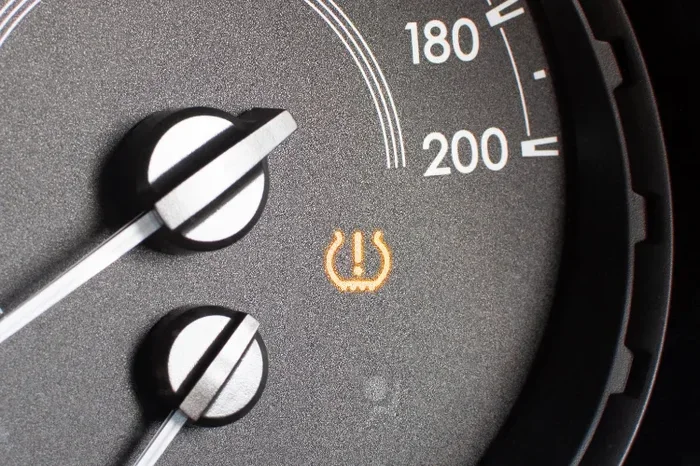
The check engine light is one of the most common indicators of a failing catalytic converter. When the car’s computer detects that the converter is not working efficiently, it triggers this warning. It is your vehicle’s way of telling you something needs attention.
How the Computer Detects Converter Problems
Modern vehicles use oxygen sensors to monitor exhaust gases. These sensors measure how well the catalytic converter is processing emissions. If the readings fall outside the expected range, the computer logs a trouble code. This code then lights up your dashboard.
Common trouble codes related to catalytic converter issues include P0420 and P0430. These codes specifically indicate catalyst system efficiency below the threshold. When you see these codes, the converter is likely the culprit.
Some drivers ignore the check engine light for weeks or even months. This is a big mistake. A glowing check engine light means your car is telling you something is wrong. The longer you wait, the worse the problem can get. In some cases, a simple fix early on turns into a full catalytic converter replacement cost that could have been avoided.
Quick Tips for Check Engine Light Issues
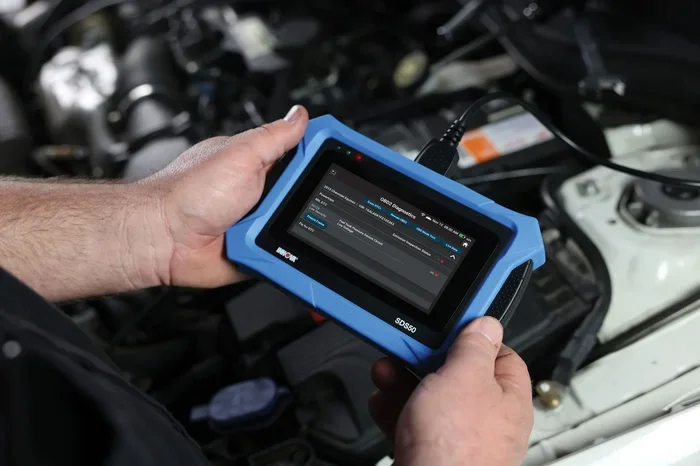
- Get an OBD-II scanner to read the trouble codes yourself.
- Do not assume the light is nothing serious.
- Visit a mechanic as soon as the light comes on.
- Address the problem before it affects other components.
If you are dealing with a check engine light and wondering about broader vehicle health, understanding how long a car can idle safely is also important. Excessive idling with a bad catalytic converter can cause further exhaust system damage.
Sign 3: Reduced Fuel Economy and Engine Performance
Have you noticed you are visiting the gas station more often? A failing catalytic converter can seriously hurt your fuel economy. When the converter becomes clogged or restricted, your engine struggles to breathe properly.
How a Bad Converter Affects Fuel Economy
A clogged exhaust creates back pressure. This back pressure forces your engine to work harder than it should. More work means more fuel burned. Over time, you may notice a significant drop in miles per gallon.
Some drivers report losing 10 to 20 percent of their fuel efficiency when the converter fails. That adds up quickly at the pump. If your fuel costs have spiked without any change in driving habits, the converter could be to blame.
Engine Performance Problems to Watch For
- Reduced Power: Your car feels sluggish, especially when accelerating.
- Engine Misfire: The engine runs rough or feels jerky at low speeds.
- Difficulty Starting: The car takes longer to turn over than usual.
- Stalling: The engine cuts out unexpectedly, especially at idle.
These symptoms often overlap with other problems, which makes diagnosis tricky. A bad oxygen sensor or clogged fuel injector can cause similar issues. That is why a professional diagnostic test is so important. Do not guess, get the right answer.
For Toyota owners, keeping up with Toyota vehicle maintenance can help prevent many exhaust system issues. Regular oil changes, spark plug replacements, and air filter checks all contribute to a healthier converter and engine overall.
Sign 4: Rattling Noise and Failed Emissions Test
These two signs often go hand in hand but deserve their own attention. A rattling noise from the exhaust area and a failed emissions test both point to serious converter problems.
The Rattling Sound Explained
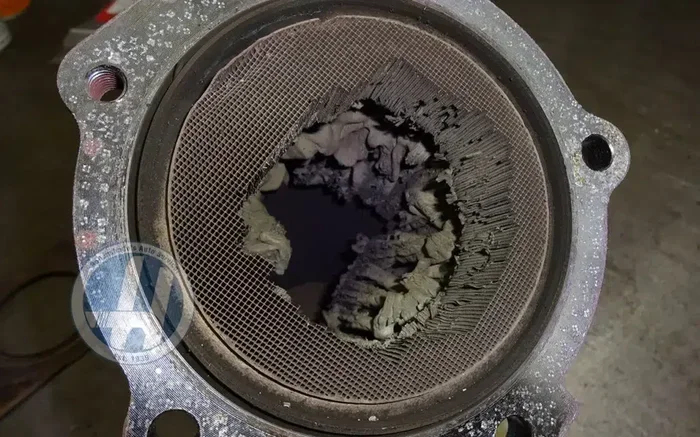
Inside your catalytic converter is a honeycomb structure made of ceramic or metal. This structure is what makes the chemical reactions happen. Over time, this honeycomb can crack, break, or collapse. When it does, pieces rattle around inside the converter shell.
You will usually hear this rattling when you start the car or when you drive over bumps. The sound comes from underneath the vehicle, near the middle or rear of the car. Some drivers describe it as a tin-can shaking noise. It gets louder as the converter deteriorates further.
If you hear a persistent rattle from the exhaust area, do not wait. A broken honeycomb can damage the entire exhaust system. Small pieces can also break off and clog the exhaust pipe, leaving you stranded.
Why Emissions Tests Fail
Every state has its own emission standards. A failing catalytic converter almost always causes a vehicle to fail an emissions test. The converter simply cannot process exhaust gases properly anymore. The test measures the levels of hydrocarbons, carbon monoxide, and nitrogen oxides in your exhaust.
If your car fails an emissions test, the catalytic converter is the most common cause. Other factors can contribute too, like a rich fuel mixture or a faulty ignition system. But the converter is usually the main issue that needs addressing.
Interestingly, catalytic converter theft has become a major problem in recent years. Thieves target vehicles because the precious metals inside the converter are valuable. If you live in an area where theft is common, consider parking in well-lit areas or installing an anti-theft device. For Toyota owners specifically, are Tundras targeted for catalytic converter theft is a question many truck owners ask, as these vehicles are unfortunately common targets.
What Causes a Catalytic Converter to Fail?
Understanding the root causes helps you prevent future problems. A converter does not just fail out of nowhere. Something usually triggers the breakdown over time.
Common Causes of Converter Failure
- Engine Misfires: Unburned fuel enters the converter and overheats it.
- Oil or Coolant Leaks: These fluids contaminate the converter and clog it.
- Bad Oxygen Sensors: Incorrect fuel mixture stresses the converter over time.
- Normal Wear and Tear: Converters last 10 years or more but eventually degrade.
- Physical Damage: Road debris or accidents can dent or crack the unit.
Prevention is always better than repair. Regular maintenance, prompt attention to engine warning lights, and quality fuel all help extend your converter’s life. If you own a Toyota, understanding how long a Toyota Highlander lasts includes knowing how to care for key components like the catalytic converter through the vehicle’s lifespan.
How Much Does It Cost to Replace a Catalytic Converter?
The catalytic converter replacement cost varies widely depending on your vehicle. On average, you can expect to pay between $500 and $2,500 for parts and labor combined. Luxury vehicles and certain trucks cost more because the converter itself is more expensive.
Factors That Affect the Cost
- Vehicle Make and Model: Some converters are more expensive than others.
- Aftermarket vs. OEM Parts: OEM parts cost more but offer better quality.
- Labor Rates: Mechanic costs vary by location and shop.
- Additional Repairs: Sometimes other exhaust parts need replacing too.
Getting multiple quotes from different shops is always a smart move. Some mechanics offer free diagnostics that include a full exhaust system inspection. Take advantage of these services to understand exactly what you are paying for.
It is also worth noting that some states offer emission test waivers or assistance programs for low-income drivers. Check your local regulations if cost is a concern. Addressing the problem early almost always costs less than letting it worsen.
Can You Drive With a Bad Catalytic Converter?
Technically, yes. But should you? Driving with a failing converter is not ideal. It can cause further damage to your engine and exhaust system. In many states, it is also illegal.
If you are wondering about driving without a properly functioning converter, the answer depends on your situation. For short distances to a repair shop, you can usually drive safely. But long-term driving with a bad converter risks more expensive repairs down the road. If you need more details on this topic, check out can you drive without a catalytic converter for a deeper look at the risks involved.
Listen to your car. If it sounds different, smells different, or feels different, take it seriously. Your vehicle gives you plenty of warning before a complete failure. The key is paying attention to those warnings and acting on them quickly.
How to Prevent Catalytic Converter Problems
Prevention is the best medicine. Here are simple steps that keep your converter healthy for years:
- Fix Engine Problems Promptly: Misfires and rich fuel mixtures are the top killers of converters.
- Use Quality Fuel: Cheap fuel can contain contaminants that damage the converter over time.
- Keep Up with Maintenance: Regular oil changes, spark plug replacements, and air filter changes all help.
- Avoid Short Trips When Possible: The converter needs time to reach operating temperature. Frequent short trips prevent this.
- Install an Anti-Theft Device: Especially if you park on the street or in high-crime areas.
These simple habits add up. A well-maintained converter can last 150,000 miles or more. Treat your car right, and it will treat you right in return.
Conclusion
A failing catalytic converter is not something to take lightly. The four signs we covered, the rotten egg smell, the check engine light, reduced fuel economy, and rattling noises, all serve as early warnings. Catching these symptoms early can save you from a major repair bill and keep your vehicle running safely.
Regular maintenance and prompt attention to warning signs are your best defenses. Do not wait until your car breaks down on the side of the road. If you notice any of these symptoms, schedule a diagnostic test with your mechanic today. Your wallet, your car, and the environment will all thank you.
Remember, the catalytic converter is a critical part of your vehicle’s exhaust system and emission control. Take care of it, and it will take care of you for years to come. Stay alert, stay informed, and never ignore the signs your car is trying to tell you.
Frequently Asked Questions
How do I know if my catalytic converter is failing?
Look for the four main signs: a rotten egg smell from the exhaust, a lit check engine light, noticeably reduced fuel economy, and a rattling noise from underneath the car. If you experience any of these, have your vehicle inspected by a mechanic right away.
Can I drive my car with a bad catalytic converter?
You can drive short distances, but it is not recommended for long trips. A bad converter can cause further engine damage and may leave you stranded. It is also illegal in many states to drive with a failed converter on the road.
How much does it cost to replace a catalytic converter?
The cost typically ranges from $500 to $2,500 depending on your vehicle. Luxury cars and trucks generally cost more. Getting quotes from multiple mechanics helps you find the best price for quality parts and labor.
What causes a catalytic converter to fail?
The most common causes are engine misfires, oil or coolant leaks, bad oxygen sensors, and normal wear over time. Using poor quality fuel and ignoring engine warning lights also contribute to premature failure.
Can a failing catalytic converter damage my engine?
Yes. A clogged or failing converter creates back pressure that forces your engine to work harder. Over time, this can lead to overheating, reduced performance, and even engine damage if left unaddressed.
How long does a catalytic converter last?
A well-maintained catalytic converter typically lasts 10 to 15 years or around 100,000 to 150,000 miles. Regular maintenance, quality fuel, and prompt repairs to engine issues all help extend its lifespan significantly.