Should I Reset Tire Pressure Light Heres The Real Answer
You should reset your tire pressure light only after fixing the actual problem that triggered it. Simply clearing the light without addressing low pressure or a faulty sensor can leave you driving unsafely. This guide covers exactly when resetting is safe, how to do it yourself, and the mistakes to avoid.
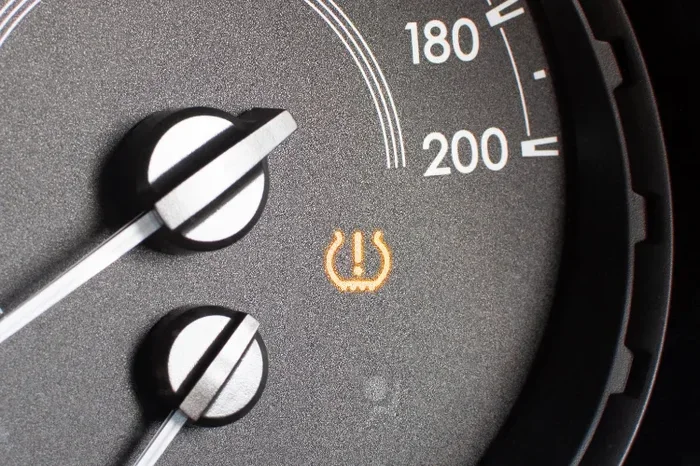
Your dashboard lights up, and there it is — the tire pressure warning symbol staring back at you. It is a small horseshoe shape with an exclamation mark in the middle, and it can send anyone into a mild panic. You are driving down the road, everything seems fine, and suddenly this little icon demands your attention.
So the big question is: should you reset the tire pressure light, or is it trying to tell you something important? The answer is not as simple as a yes or no. Resetting the tire pressure light is sometimes the right move, and sometimes it is just masking a real problem. In this guide, we will walk you through exactly when to reset, when to ignore it, and how to handle the situation like a pro.
Whether you have a Toyota, a Honda, a Ford, or anything else on the road, the tire pressure monitoring system (TPMS) works the same way. It watches your tire air levels and alerts you when something is off. Understanding how it works and when to act can save you money, keep you safe, and prevent unnecessary trips to the mechanic.
Key Takeaways
- Reset only after fixing the cause: Always check and inflate your tires before resetting the TPMS light.
- Cold weather often triggers the light: Temperature drops can lower tire pressure temporarily, causing false warnings.
- DIY reset is usually simple: Most vehicles let you reset the tire pressure light from the dashboard or steering wheel controls.
- Battery issues can mimic TPMS problems: A weak key fob battery or sensor battery may trigger the warning.
- Knowing the difference matters: The Difference Between A Check Engine Light And Maintenance Required Light helps you respond correctly.
- Resetting codes by disconnecting the battery is risky: Does Disconnecting Battery Reset Codes — and it may erase other settings too.
- See a pro if the light keeps coming back: Persistent warnings may signal a sensor failure or slow leak.
📑 Table of Contents
- What Does the Tire Pressure Light Actually Mean?
- When Should You Reset the Tire Pressure Light?
- How to Reset Your Tire Pressure Light Step by Step
- Common Mistakes People Make When Resetting the TPMS Light
- Can a Bad Battery or Cold Weather Trigger the Tire Pressure Light?
- When to See a Professional Instead of DIY Resetting
- Final Thoughts on Resetting Your Tire Pressure Light
What Does the Tire Pressure Light Actually Mean?
Before you even think about pressing a reset button, let us talk about what that little light is really trying to say. The TPMS light is your car’s way of telling you that something is off with your tire pressure. But not all warnings are the same.
Solid Light vs. Flashing Light
A solid yellow or orange TPMS light usually means one or more tires are below the recommended pressure. This is the most common scenario and often has a simple fix. You just need to check your tires and add air.
A flashing TPMS light is different. It typically signals a malfunction in the tire pressure monitoring system itself. This could mean a dead sensor battery, a faulty sensor, or a communication problem between the sensor and your car’s computer. A flashing light deserves more attention than a solid one.
Why Tire Pressure Matters So Much
Proper tire pressure affects everything about how your car drives. Underinflated tires wear out faster on the outer edges of the tread. They reduce fuel efficiency. They can overheat and increase the risk of a blowout. Overinflated tires ride hard and wear out the center of the tread prematurely.
Most passenger vehicles recommend tire pressure between 30 and 35 PSI. You can find the exact number on a sticker inside the driver’s door frame or in your owner’s manual. Never use the number printed on the tire itself — that is the maximum pressure the tire can handle, not the recommended pressure for your car.
When Should You Reset the Tire Pressure Light?
Now we get to the heart of the matter. When is it actually okay to reset your tire pressure light? The short answer is: only after you have confirmed your tires are properly inflated and the issue is resolved.
When Resetting Is the Right Move
You should reset the TPMS light when:
- You have checked all four tires and the pressure is at the recommended level.
- You recently added air to one or more tires and the light still stays on.
- You rotated your tires and the system needs to recalibrate.
- A sensor battery died and you replaced the sensor, but the light remains.
- Cold weather caused a temporary pressure drop, and the tires are now properly inflated again.
In all these cases, the underlying problem is fixed. The light is just hanging around because the system has not been told that everything is okay again. Resetting it clears the stored warning and lets the system start fresh.
When You Should NOT Reset It
There are times when resetting the light is a bad idea. You should never reset the TPMS light if:
- You have not actually checked the tire pressure yet.
- One or more tires are visibly low on air.
- You have a slow leak that has not been repaired.
- The light is flashing, which suggests a sensor malfunction.
- You recently hit a pothole or curb and suspect tire or wheel damage.
Resetting in these situations is like hiding a warning sign instead of reading it. The TPMS is doing its job. Ignoring it or clearing it without fixing the cause can lead to unsafe driving conditions, uneven tire wear, and even a blowout on the highway.
How the TPMS System Works in Simple Terms
Every tire has a small sensor inside the valve stem or mounted inside the tire. These sensors measure the air pressure in each tire and send data to your car’s computer. When pressure drops below about 25% of the recommended level, the system triggers the warning light.
Understanding this helps explain why sometimes the light comes on for no obvious reason. Sensors have batteries that eventually die. They can get damaged from road debris. And temperature changes affect air pressure inside the tire, which can trigger a false warning on especially cold mornings.
How to Reset Your Tire Pressure Light Step by Step
Once you have confirmed your tires are properly inflated, resetting the TPMS light is usually straightforward. The exact process varies by vehicle, but here are the most common methods.
Method 1: The Dashboard Button Reset
Many cars have a dedicated TPMS reset button. It is usually located under the steering wheel, near the dashboard area. Here is how to use it:
- Make sure all tires are at the recommended pressure.
- Turn the ignition to the “on” position (do not start the engine).
- Press and hold the TPMS reset button until the warning light blinks three times.
- Start the engine and let the car run for about 20 minutes.
- The light should turn off and the system will recalibrate.
Method 2: The Infotainment System Menu
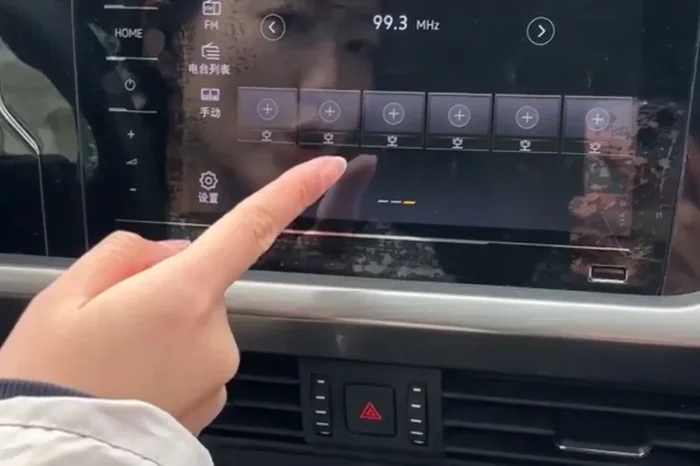
Newer vehicles often let you reset the TPMS through the infotainment screen. The steps typically involve:
- Going to the Settings menu on your dashboard screen.
- Finding the Vehicle Maintenance or Tire Pressure section.
- Selecting “Reset TPMS” or “Check Tire Pressure.”
- Confirming the reset and driving for a few minutes.
Check your owner’s manual for the exact menu path. Every car manufacturer organizes things a little differently.
Method 3: The Fuse Method
Some older vehicles require you to remove the TPMS fuse for a few minutes to reset the system. This method is less common today, but it is worth knowing about. Just be careful — removing fuses can sometimes affect other electrical systems too. If you are not comfortable with this, skip to the next method or visit a mechanic.
Method 4: Using an OBD-II Scanner
An OBD-II scanner is a handy tool that plugs into the diagnostic port under your dashboard. It can read and clear TPMS codes directly. This method works well for stubborn lights that will not go away with the other methods. You can buy a basic scanner for under $30 at most auto parts stores.
What to Do After Resetting
After you reset the light, drive your car for at least 10 to 15 minutes at speeds above 20 mph. This gives the system time to relearn the tire pressure values and confirm everything is normal. If the light comes back on immediately, there is still an unresolved issue that needs your attention.
Common Mistakes People Make When Resetting the TPMS Light
Resetting the tire pressure light sounds simple, but people make mistakes all the time. Here are the most common ones you should avoid.
Resetting Without Checking the Pressure First
This is the number one mistake. People see the light, panic, and just reset it without ever looking at the actual tire pressure. If your tire is genuinely low, resetting the light just hides the problem. You end up driving on an underinflated tire, which is dangerous and wastes fuel.
Always use a tire pressure gauge to check each tire before you even think about resetting. A good digital gauge costs about $10 and takes seconds to use.
Ignoring Temperature Effects
Air pressure inside a tire drops when the temperature drops. On a cold winter morning, you might see the TPMS light come on even though your tires are fine. This happens because the cold air inside the tire contracts, temporarily lowering the pressure reading.
If the light comes on in cold weather and the tires feel firm to the touch, try driving for a few miles. As the tires warm up, the pressure should rise and the light may turn off on its own. You may not need to reset anything at all.
Using the Wrong Tire Pressure
Some people reset the light after adding air, but they overinflate the tires. This can be just as dangerous as underinflation. Overinflated tires have a smaller contact patch with the road, which reduces traction and handling. Always use the manufacturer’s recommended pressure, not the maximum pressure listed on the tire sidewall.
Forgetting About the Spare Tire
Some TPMS systems monitor the spare tire too. If your spare is low on pressure, it can trigger the main warning light. Check the spare if you have one, especially if it has been sitting in the trunk for a long time.
Assuming the Light Will Go Away on Its Own
In some cases, a minor pressure drop will self-correct once the tires warm up from driving. But if the light stays on for more than a day or two, you should not ignore it. A persistent warning usually means there is a real issue that needs attention.
Can a Bad Battery or Cold Weather Trigger the Tire Pressure Light?
Yes, absolutely. Several things that have nothing to do with your actual tire pressure can trigger the TPMS light. Understanding these triggers helps you decide whether a reset is appropriate.
The Role of Your Key Fob Battery
Many modern cars use a smart key system. When the key fob battery gets weak, it can sometimes cause strange dashboard warnings, including the TPMS light. If you notice the TPMS light comes on along with other electrical quirks, try replacing the key fob battery first. It is a cheap and easy fix that often solves the mystery.
Temperature and Atmospheric Pressure Changes
Big swings in weather can affect your tire pressure readings. A sudden cold front in the fall can drop tire pressure enough to trigger the light. Similarly, driving through a steep mountain pass where atmospheric pressure changes rapidly can momentarily confuse the sensors.
In these cases, the tires are fine. The system just needs to be recalibrated. A simple reset after confirming proper pressure usually does the trick.
Sensor Battery Death
TPMS sensors run on small batteries that typically last 5 to 10 years. When the battery dies, the sensor stops sending data, and the TPMS light comes on. You cannot reset this light permanently until you replace the sensor. If your car is older and the light keeps returning, a dead sensor battery is a likely culprit.
Can a Bad Battery Cause Dashboard Warning Lights?
A weak car battery can sometimes cause multiple dashboard lights to behave erratically. If your battery is old or struggling, it might send incorrect voltage signals that confuse the TPMS system. This is worth checking if your TPMS light keeps coming back after resets and your tires are fine.
Interestingly, some dashboard issues are related to battery health in other ways too. For example, Can A Bad Battery Cause The Wrench Light To Come On — and the same principle applies to other warning lights. A weak electrical system can create false positives across multiple sensors.
When to See a Professional Instead of DIY Resetting
There is no shame in calling a mechanic. Some TPMS issues are beyond a simple reset, and trying to force the light off can lead to bigger problems down the road.
Signs You Need Professional Help
You should visit a mechanic or tire shop if:
- The TPMS light comes back immediately after you reset it.
- One tire consistently reads lower than the others despite repeated inflation.
- The TPMS light is flashing, not solid.
- You hear a hissing sound from one of the tires.
- The TPMS sensor has been damaged from a pothole or curb impact.
- You have tried multiple reset methods and nothing works.
What a Tire Shop Can Do That You Cannot
A professional tire shop has specialized tools to test each TPMS sensor individually. They can identify which sensor has a dead battery, which one is sending incorrect readings, and which one needs replacement. They can also check for slow leaks using electronic leak detection equipment that is not available at most auto parts stores.
Most tire shops will check your TPMS system for free or at a very low cost. It is worth a quick visit if you are unsure whether the issue is real or just a sensor glitch.
Understanding the Cost of TPMS Sensor Replacement
If you do need a new TPMS sensor, the cost typically ranges from $50 to $100 per sensor for parts alone. Labor adds another $20 to $50 per sensor depending on your vehicle and the shop. Some shops offer a bundle price if you need all four sensors replaced at once.
While this is not cheap, it is far less expensive than the alternative. Driving on underinflated tires reduces fuel economy, wears out your tires faster, and increases the risk of a dangerous blowout. Replacing a failed sensor is a worthwhile investment in safety and tire longevity.
Final Thoughts on Resetting Your Tire Pressure Light
So, should you reset your tire pressure light? The answer comes down to one simple rule: fix the problem first, then reset the light. If your tires are properly inflated and the system just needs recalibration, go ahead and reset it. But if there is a real issue — a slow leak, a dead sensor, or low pressure — deal with that first.
The TPMS light is a safety feature, not an annoyance. It exists to protect you, your passengers, and your tires. Treating it with respect and responding appropriately will keep you safer on the road and save you money in the long run.
Remember, resetting the light is not the same as fixing the problem. Always verify your tire pressure with a gauge, address any issues you find, and then clear the warning. If the light keeps coming back despite your best efforts, a trip to the tire shop is your next best step.
Your car communicates with you through those dashboard lights. Learning to listen — and knowing when to act and when to reset — is one of the simplest ways to be a smarter, safer driver. Trust the system, respect the warnings, and keep those tires properly inflated.
Frequently Asked Questions
Can I reset the tire pressure light myself without going to a mechanic?
Yes, in most cases you can reset the TPMS light yourself using a button under the steering wheel, the infotainment menu, or an OBD-II scanner. Just make sure your tires are properly inflated before you reset. If the light keeps coming back, there may be a deeper issue that needs professional attention.
Is it safe to drive with the tire pressure light on?
It is not safe to drive for long distances with the TPMS light on. Low tire pressure reduces handling, increases stopping distance, and raises the risk of a blowout. Check your tire pressure as soon as the light comes on and address the issue before driving far.
How much does it cost to reset a tire pressure monitoring system?
Resetting the TPMS light is usually free if you do it yourself. If you visit a tire shop or dealership, they may charge a small diagnostic fee, typically between $10 and $30. Sensor replacement costs more, usually $50 to $100 per sensor for parts and labor.
Why does my tire pressure light come on in cold weather and then go off?
Cold weather causes the air inside your tires to contract, which temporarily lowers the pressure. This can trigger the TPMS light in the morning. As you drive and the tires warm up, the pressure rises and the light usually goes away on its own. No reset is needed in this case.
How long does a TPMS sensor battery last before it needs replacement?
TPMS sensor batteries typically last between 5 and 10 years, depending on the vehicle and driving conditions. When the battery dies, the sensor stops transmitting data and the TPMS light stays on. You will need to replace the sensor to fix the issue permanently.
What is the difference between a tire pressure light and a check engine light?
The tire pressure light specifically monitors air pressure in your tires and is part of the TPMS system. The check engine light monitors a much broader range of engine and emissions systems. Understanding Difference Between A Check Engine Light And Maintenance Required Light helps you respond to each warning appropriately. Both lights require attention, but they signal very different types of problems.