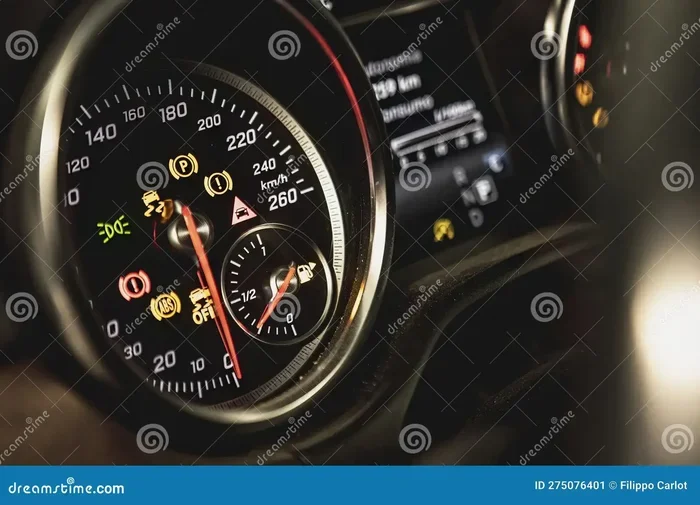
What Happens If You Skip Resetting the Maintenance Light
If you ignore the maintenance light, your car may suffer from undetected issues, reduced performance, and voided warranties. This guide explains exactly what happens if you don’t reset the maintenance light, the risks of ignoring it, and how to fix it yourself. Learn the simple steps to keep your vehicle running smoothly and avoid costly repairs.
You just got your oil changed, life is good, and you’re ready to hit the road. But wait—there’s a little light on your dashboard that won’t go away. The maintenance light is staring at you, and you’re wondering if it even matters. So, what happens if you don’t reset the maintenance light? It’s a question many car owners brush off, but the answer matters more than you think.
The maintenance required light is a simple reminder. It tracks your service interval and flashes to tell you it’s time for an oil change or other routine care. However, if you ignore it and never reset it, you lose track of when you last serviced your car. That can lead to missed oil changes, extended drain intervals, and eventually engine wear. Many drivers also wonder whether the light affects their warranty or if it’s safe to keep driving. This guide covers everything you need to know about the consequences of skipping the reset, how to do it yourself, and when to seek help.
### What the Maintenance Light Actually Means
The maintenance light is not an emergency alert. It’s a service interval counter. When your car’s computer sees that you’ve reached a certain mileage or time period, it illuminates the light to remind you to schedule maintenance. On Toyota models, this is often called the wrench light. On Honda and other brands, it may read “MAINT REQD” or simply “Service Due.”
The light does not indicate a broken part. It’s purely a scheduling tool. That said, many people confuse it with the check engine light. Understanding the difference is crucial. The check engine light signals a real problem detected by the onboard diagnostics system. The maintenance light simply says, “Hey, you’re due for a service.” If you see both lights at the same time, you need to address the check engine light first.
#### Maintenance Required Light vs. Check Engine Light
The difference between a check engine light and maintenance required light is straightforward. One is a warning, the other is a reminder. The check engine light comes on when the engine control module detects a fault. It could be something minor like a loose gas cap or something serious like a misfire. The maintenance light, on the other hand, is purely informational. It tracks your oil life or service schedule.
Here’s a quick comparison:
– Check Engine Light: Indicates a fault in the emissions or engine system. Requires diagnosis.
– Maintenance Required Light: Indicates a service interval has been reached. Requires an oil change or inspection.
– Both Lights On: Check the engine light first. It may be a coincidence, but a real issue could be present.
### What Happens If You Don’t Reset the Maintenance Light
So, what happens if you don’t reset the maintenance light? The short answer is: nothing catastrophic happens right away. The car will keep running. The engine won’t explode because you left a reminder light on. But over time, ignoring the reset can lead to a cascade of small problems that add up to big expenses.
#### Missed Oil Changes and Engine Wear
The most common consequence is missed oil changes. The maintenance light is your primary reminder for oil service. If you never reset it, you lose track of the interval. You might go 6,000 miles when you should have changed the oil at 5,000. Old oil loses its lubricating properties. It becomes contaminated with fuel, moisture, and metal particles. That sludgy oil doesn’t protect your engine bearings the way fresh oil does. Over thousands of miles, this accelerates wear on internal components.
Think of it like brushing your teeth. The light is the reminder to brush. If you ignore the reminder long enough, you’ll eventually get a cavity. The engine is no different. Skipping oil changes is the number one cause of premature engine failure.
#### Reduced Fuel Efficiency
Dirty oil increases friction inside the engine. More friction means the engine works harder to produce the same power. That extra work burns more fuel. You might not notice a huge difference at first, but over months of neglected oil changes, your miles per gallon can drop by 5 to 10 percent. For many drivers, that’s an extra fill-up every month.
#### Voided Warranty or Service Records
If your car is still under warranty, the maintenance light reset is part of your service records. Dealers track every oil change and service visit. If you skip resets and later need a warranty claim for engine damage, the dealer might argue that you failed to follow the maintenance schedule. They could deny the claim. Resetting the light after each service proves you stayed on top of your obligations.
Many owners also ask, do you have to reset the light after an oil change? The answer is yes, if you want to keep accurate records and avoid confusion.
#### The Wrench Light Confusion
On Toyota and Lexus vehicles, the maintenance light is a yellow wrench icon. Some drivers see it and panic, thinking the car is broken. Others ignore it completely because they assume it’s just a reminder. The wrench light is directly tied to the maintenance schedule. If you don’t reset it, it stays on indefinitely. This can cause dashboard clutter and make it harder to spot a real warning light.
Can a bad battery cause the wrench light to come on? In some cases, yes. A voltage drop can trigger the light unexpectedly. But if the light stays on after a service, it simply means the interval hasn’t been reset.
#### Dashboard Warning Fatigue
When you ignore the maintenance light long enough, you stop noticing it. This is called warning fatigue. You become blind to all dashboard alerts. If a real problem arises—like a low oil pressure warning or a brake system alert—you might not notice it because you’ve trained yourself to ignore the maintenance light. That’s a dangerous habit.
### Can You Still Drive With the Maintenance Light On?
Many drivers ask, can I still drive with the oil change light on, and the answer is generally yes. The car is mechanically safe to operate. The maintenance light is not an immediate danger signal. However, that doesn’t mean you should drive with it on for months on end.
The light is a countdown timer. Once you pass the service interval, you’re running on borrowed time. Short trips around town are usually fine. Long road trips with the light on put extra stress on the engine because the oil is past its prime. If you’re planning a long drive, get the oil changed and the light reset before you go.
If you’re wondering whether the light will affect your car’s performance, the answer is no. The engine control module doesn’t reduce power because the maintenance light is on. Your acceleration, braking, and handling remain normal. The only thing that changes is the reminder that service is overdue.
### How to Reset the Maintenance Light (Step-by-Step)
Resetting the maintenance light is easy and takes about two minutes. The exact steps vary by model year and brand, but the process is similar across most Toyotas, Hondas, and Fords. You don’t need a mechanic. You don’t need expensive tools. Just your steering wheel controls or a simple scan tool.
#### Resetting on Toyota and Lexus Models
For most Toyota and Lexus vehicles from 2010 and newer, follow these steps:
1. Turn the ignition to the “ON” position without starting the engine.
2. Use the steering wheel arrows to scroll to the “Trip” or “Maintenance” menu on the instrument cluster.
3. Press and hold the “OK” or “Reset” button for about 10 seconds.
4. The light should blink and then turn off.
5. Turn the ignition off and then back on to confirm the light is gone.
If you own an older Toyota, the process might involve holding the trip meter reset button while turning the key. Your owner’s manual has the exact sequence.
#### Resetting on Honda and Acura Models
Honda models use a slightly different method:
1. Turn the ignition to the “ON” position (II) without starting the engine.
2. Press and release the trip meter selector button until the maintenance light appears.
3. Hold the trip meter selector button for about 10 seconds.
4. The light should turn off.
5. Turn the ignition off and back on to verify.
#### Resetting on Ford and Lincoln Models
Ford vehicles often use the steering wheel controls:
1. Press the steering wheel menu button to access the vehicle information display.
2. Navigate to “Settings” > “Vehicle” > “Scheduled Maintenance.”
3. Select “Reset Maintenance” and confirm.
4. The light will clear from the dashboard.
If you can’t find the menu, you can also use a simple OBD2 scanner. Plug it into the diagnostic port under the steering column, turn the key on, and follow the scanner prompts to clear the maintenance code. This method works for almost any vehicle.
#### Quick Tips for Resetting the Maintenance Light
– Always reset the light after the service is complete. Don’t reset it before an oil change just to make the light go away.
– Keep your owner’s manual handy. It contains the exact reset procedure for your specific model.
– If the light won’t turn off after resetting, check for a loose gas cap or other minor issue. Sometimes the maintenance light stays on if there’s a pending code.
– Don’t use aftermarket reset tools that claim to clear all lights permanently. They can interfere with your vehicle’s diagnostic system.
– If you’re unsure, ask the service advisor at your dealership to reset it for you. Most will do it for free.
### Common Mistakes People Make When Resetting the Maintenance Light
Even though resetting is simple, people still make errors. Here are the most common mistakes and how to avoid them.
#### Resetting Before the Service Is Done
This is the number one mistake. You get the oil changed, but the technician forgets to reset the light. You drive home, see the light is still on, and reset it yourself. Now the counter is back to zero, but the oil is actually fresh. The next time you check, you might think the oil is still good when it’s actually time for another change. Always confirm with the service advisor that the light was reset.
#### Confusing the Maintenance Light with the Oil Life System
Some vehicles have a separate oil life monitoring system that calculates oil quality based on driving conditions. The maintenance light is a simple mileage counter. Resetting one does not reset the other. If your car has both, you need to reset both after an oil change. Check your manual to see which system your vehicle uses.
#### Ignoring the Light for Months
Life gets busy. You see the wrench light, tell yourself you’ll take care of it next week, and then forget for six months. By that time, the oil is well past its service life. The engine may already be suffering from increased wear. Set a reminder on your phone the moment the light comes on. Treat it as a non-negotiable appointment.
#### Using the Wrong Reset Procedure
Every car brand has its own reset sequence. If you follow the wrong steps, you might accidentally reset the trip meter instead of the maintenance light, or worse, enter a setup menu you don’t understand. Stick to the procedure in your owner’s manual. If you can’t find it, search online for your specific model year and “reset maintenance light.”
#### Not Addressing the Root Cause
If the maintenance light stays on after you’ve reset it, there’s likely a deeper issue. The light might be triggered by a faulty sensor, a loose connector, or a pending diagnostic trouble code. Simply resetting the light without fixing the root cause means it will return within a few days. If the light persists after a proper reset, have a professional inspect the vehicle.
### When to See a Professional
Most of the time, resetting the maintenance light is a DIY job. But there are situations where you should let a professional handle it.
If the light flashes instead of staying solid, that often indicates a more urgent service need. A solid light is a routine reminder. A flashing light might mean the system has detected a problem that requires immediate attention.
If you’ve reset the light multiple times and it keeps coming back, the issue isn’t the reset procedure. Something in the vehicle’s computer needs attention. A mechanic can hook up a diagnostic scanner, read the codes, and determine if there’s a sensor failure or a software glitch.
If you’re uncomfortable working with your car’s dashboard menus, a quick visit to any dealership or independent shop is worth it. They’ll reset the light in under five minutes, often at no charge. Many Toyota Care plans include free maintenance visits where the light reset is part of the service.
If you’ve recently bought a used car and the previous owner never reset the light, take it to a shop and have them clear it after an oil change. This ensures your service records start fresh and your warranty coverage remains intact.
### Expert Insights: Why Dealerships Insist on Resetting the Light
Service advisors at dealerships see the maintenance light every day. Their biggest concern is not the light itself—it’s the customer who ignores it. “We reset the light on every service visit,” says a longtime Toyota service manager. “If a customer comes in and the light has been on for 3,000 miles past the due date, we know the oil is likely degraded. We always recommend an immediate change.”
Dealerships also use the reset as a quality check. If a technician forgets to reset the light, it reflects poorly on the service. A proper reset confirms that the maintenance was completed and recorded in the system. For leased vehicles, this is especially important. Lessors often require proof of regular maintenance, and a properly reset light is part of that documentation.
### Key Takeaways for Your Vehicle
Understanding what happens if you don’t reset the maintenance light helps you protect your investment. The light is a friendly reminder, not a threat. But like any reminder, it only works if you act on it. Reset it after every oil change, keep track of your service intervals, and don’t let dashboard clutter distract you from real warnings.
If you’ve been ignoring the light for a while, don’t stress. Schedule an oil change today, reset the light, and start fresh. Your engine will thank you with smoother performance, better fuel economy, and a longer lifespan. A few minutes of effort now can save you thousands of dollars in repairs later.
The maintenance light is one of the simplest features on your dashboard. Treat it with respect, and it will serve you well for the entire life of your vehicle. Ignore it, and you risk turning a simple reminder into a costly lesson.
Key Takeaways
- Ignoring the light can hide real problems: The maintenance light tracks service intervals, not mechanical failures, but skipping resets can mask other warning signs.
- You can still drive short distances: Most vehicles remain safe to drive with the light on, but extended neglect may lead to missed oil changes and engine wear.
- Resetting is usually free and quick: You can reset the maintenance light in minutes using your steering wheel buttons or a simple tool.
- Dealerships and independent shops can help: If you’re unsure, a quick visit to a mechanic ensures the light is cleared correctly.
- Check your owner’s manual: Every car has a slightly different reset process, and the manual provides the exact steps.
- Don’t confuse it with the check engine light: The maintenance required light and the check engine light mean very different things.
Frequently Asked Questions
What happens if you never reset the maintenance light?
The light stays on indefinitely, and you lose track of your service intervals. This can lead to missed oil changes, increased engine wear, and reduced fuel efficiency. Over time, the neglected oil loses its ability to lubricate and protect engine components.
Can the maintenance light affect my car’s warranty?
Yes, if you fail to follow the recommended maintenance schedule and the light is never reset, a dealer may deny a warranty claim. Keeping accurate service records and resetting the light after each visit proves you cared for the vehicle properly.
Is it safe to drive with the maintenance light on?
Short trips are generally safe. The maintenance light is a reminder, not a mechanical failure alert. However, driving long distances with overdue oil puts extra stress on the engine. Get the oil changed and the light reset before any long journey.
How often should I reset the maintenance light?
Reset it every time you complete a scheduled service, such as an oil change. Most vehicles require service every 5,000 to 7,500 miles, depending on the model and driving conditions. Check your owner’s manual for the exact interval.
Can I reset the maintenance light myself?
Yes, in most cases. The process takes about two minutes and uses your steering wheel controls or the instrument cluster buttons. If you’re unsure, your owner’s manual provides the exact steps, or you can watch a quick video tutorial for your specific model.
What if the maintenance light won’t turn off after resetting?
This can happen if there’s a pending diagnostic trouble code, a loose gas cap, or a faulty sensor. Try turning the ignition off and back on. If the light persists, have a mechanic run a diagnostic scan to identify the root cause. It’s not something to ignore.