How Urgent Is Cabin Air Filter Replacement Really
Your cabin air filter works hard every time you drive, trapping dust, pollen, and pollutants before they reach your lungs. Ignoring this small part can lead to poor air quality, reduced airflow, and even health issues. Most drivers need a cabin air filter replacement every 15,000 to 30,000 miles, but driving conditions can change that timeline. This guide breaks down exactly how urgent your filter swap really is and what happens if you delay it.
You probably do not think about your cabin air filter until something goes wrong. Maybe you notice a strange smell when you turn on the air conditioner. Or perhaps your allergies act up every time you get behind the wheel. The truth is that this small, often overlooked part plays a huge role in your daily driving comfort and health. So how urgent is cabin air filter replacement really?
The answer might surprise you. While it is not an emergency like a brake failure, ignoring your cabin air filter can cause real problems over time. Poor air quality inside your vehicle affects how you feel, how you breathe, and even how safe you are on the road. Let us walk through everything you need to know about this simple but critical maintenance task.
Key Takeaways
- Air Quality Drops Fast: A dirty cabin filter lets allergens, exhaust fumes, and dust enter your car’s interior, making every breath less clean.
- Health Risks Are Real: Poor cabin air quality can trigger allergies, headaches, fatigue, and respiratory problems, especially for sensitive groups.
- Replacement Is Affordable: Most cabin air filter costs range from $20 to $75, making regular swaps a tiny investment for big health benefits.
- Driving Conditions Matter: If you drive in dusty areas, heavy traffic, or near construction, you may need to replace your filter more often than the standard schedule.
- Warning Signs Are Clear: Reduced airflow, musty smells, and increased allergy symptoms inside your car all point to a clogged cabin filter.
- Cleaning Has Limits: While you can clean a lightly dirty filter, a replacement is usually the better long-term choice for full protection.
📑 Table of Contents
- What Does a Cabin Air Filter Do?
- How Urgent Is Cabin Air Filter Replacement?
- How to Know When Your Cabin Filter Needs Replacement
- How Often Should You Replace Your Cabin Air Filter?
- Cabin Air Filter Replacement: Cost and Process
- Common Mistakes People Make With Cabin Air Filters
- Expert Insights: Why Cabin Air Filter Health Matters
- Final Thoughts on Cabin Air Filter Replacement Urgency
What Does a Cabin Air Filter Do?
Before we talk about urgency, it helps to understand what your cabin air filter actually does. Think of it as a guard for your car’s interior air. Every time you drive, outside air flows into your vehicle through the ventilation system. Before that air reaches you, it passes through the cabin filter.
This filter catches dust, pollen, mold spores, exhaust particles, and other pollutants. It keeps your breathing air clean and your HVAC system running smoothly. Without it, your car’s interior would fill up with all the grime and grime from the road. Over time, the filter collects more and more debris. This is why a cabin filter replacement matters so much.
The Hidden Work of Your Cabin Filter
Here is something many drivers do not realize. Your cabin air filter works even when you are not using the air conditioning. When you drive with the windows up, the ventilation system still pulls outside air through the filter. This means your filter is always at work, no matter the season or weather.
In fact, driving in heavy traffic can be even harder on your filter. You are breathing in exhaust fumes from the cars around you, and your filter is trapping all of that. Over weeks and months, this buildup reduces the filter’s effectiveness. That is when air quality inside your car starts to drop.
How Urgent Is Cabin Air Filter Replacement?
Now let us get to the heart of the question. Is a cabin air filter replacement urgent? The short answer is yes, but the level of urgency depends on your situation. For most drivers, this is not a “do it today or your car breaks down” kind of job. But it is also not something you should push off for years.
Most car manufacturers recommend replacing the cabin air filter every 15,000 to 30,000 miles. Some newer vehicles even have indicator lights that tell you when it is time. If you are past that mileage mark and have not swapped your filter, your cabin air filter replacement should be on your to-do list soon.
When Cabin Filter Replacement Becomes More Urgent
There are certain situations where a dirty cabin filter needs attention right away. If you or your passengers start showing allergy symptoms inside the car, that is a red flag. Sneezing, itchy eyes, coughing, and congestion can all get worse because of a clogged filter.
Driving in areas with poor air quality makes this even more pressing. If you live near a factory, a busy highway, or a construction zone, your filter works overtime. In these cases, replacing the filter sooner rather than later is a smart move. You can also check out does changing the cabin air filter make the car smell better to understand how a fresh filter improves your driving experience.
What Happens If You Delay Cabin Filter Replacement?
Putting off a cabin filter replacement might seem harmless at first. But the effects add up over time. Here is what can happen if you keep driving with a clogged filter:
- Reduced Airflow: A dirty filter blocks air from flowing freely through your vents. This makes your air conditioning and heating less effective.
- Worse Air Quality: The filter can no longer trap pollutants properly. Dust and allergens blow directly into your car’s interior.
- Musty Odors: Moisture trapped in a clogged filter can grow mold and bacteria. This creates a foul smell every time you run the fan.
- Strain on the HVAC System: Your heating and cooling system has to work harder to push air through a dirty filter. This can lead to higher energy use and potential repairs.
- Health Problems: Long-term exposure to poor cabin air quality can cause headaches, fatigue, and respiratory issues.
None of these problems happen overnight. But if you ignore the warning signs for months, you will start to feel the difference. The good news is that a simple cabin air filter replacement can reverse most of these issues quickly.
How to Know When Your Cabin Filter Needs Replacement
You do not need to be a mechanic to spot the signs of a dirty cabin filter. Your car gives you plenty of clues. Learning to read these signs can help you stay ahead of the problem and keep your air quality high.
Common Warning Signs
Pay attention to these symptoms. If you notice any of them, it is probably time for a cabin filter replacement:
- Weak airflow from vents: If your air conditioning feels weaker than usual, a clogged filter is often the cause.
- Unpleasant smells: A musty or dusty odor when the fan is running means your filter is holding trapped moisture and debris.
- Increased allergy symptoms: Sneezing, itchy throat, or watery eyes inside the car point to poor filtration.
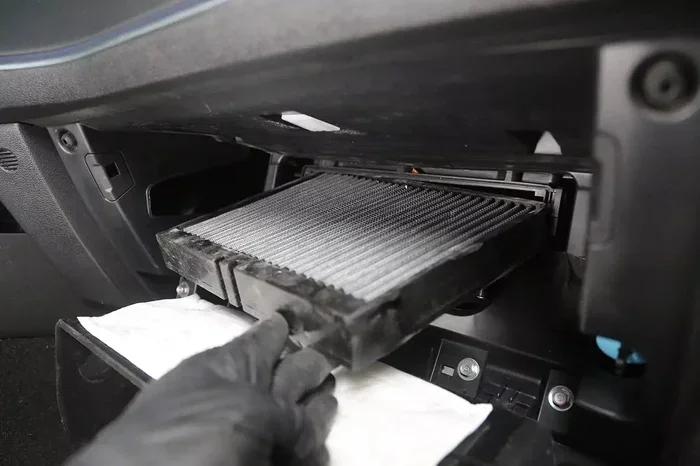
- Visible debris on the filter: If you can access your cabin filter and see dark, dirty buildup, it is past time for a swap.
- Excessive cabin dust: More dust settling on your dashboard and seats means the filter is no longer doing its job.
Quick Tip: The White Sheet Test
Here is a simple trick you can try at home. Park your car and set the ventilation fan to high with the windows closed. Hold a clean white sheet of paper a few inches from the vent. If the paper gets noticeably dirty within a few minutes, your cabin filter is likely clogged and needs replacement. This easy test gives you a visual clue about your air flow and filter condition.
How Often Should You Replace Your Cabin Air Filter?
The standard recommendation is every 15,000 to 30,000 miles. But this number can shift based on how and where you drive. Understanding your driving habits helps you set the right replacement schedule for your vehicle.
Factors That Speed Up Filter Dirtiness
Several driving conditions cause your cabin filter to clog faster than normal:
- Driving on unpaved roads: Dirt and dust fly into your ventilation system much faster on gravel or dirt paths.
- Heavy traffic and city driving: Stop-and-go traffic exposes you to more exhaust fumes and pollutants.
- High pollen seasons: If you drive during spring or fall when pollen counts are high, your filter works harder.
- Living in dry, dusty areas: Desert climates and construction zones fill the air with fine particles that clog filters quickly.
- Short trips: Frequent short drives cause moisture buildup inside the filter, which promotes mold growth.
If any of these sound like your daily routine, consider replacing your cabin filter every 12,000 to 15,000 miles. Staying ahead of the schedule keeps your breathing air clean and your ventilation system running at its best.
Cabin Air Filter Replacement: Cost and Process
One of the best things about a cabin air filter replacement is how affordable and simple it is. This is not a major repair that requires a big budget or a full day at the shop.
What Does It Cost?
The cabin filter cost typically ranges from $20 to $75 for the filter itself. If you take your car to a mechanic, labor adds another $20 to $50 in most cases. That means a full replacement usually costs between $40 and $125 total. Some quick-lube shops and dealerships might charge a bit more, but the job itself is straightforward.
Can You Do It Yourself?
Yes, in most vehicles you can replace the cabin air filter at home. The filter is usually located under the dashboard on the passenger side or behind the glove box. Here is a simple step-by-step process:
- Find your cabin filter access panel (check your owner’s manual for the exact location).
- Remove any screws or clips holding the panel in place.
- Pull out the old filter and note which direction the airflow arrow points.
- Slide in the new filter with the airflow arrow facing the correct direction.
- Replace the panel and clips.
- Run the fan for a few minutes to make sure everything works smoothly.
Many drivers save money by handling this simple swap themselves. You can also check out can you clean a cabin air filter instead of replacing it to see if cleaning is a viable option for your situation.
How Long Does the Job Take?
A DIY cabin air filter replacement takes about 10 to 20 minutes. Even at a shop, the process rarely takes more than 30 minutes. This makes it one of the quickest and most cost-effective maintenance tasks you can do for your vehicle.
Common Mistakes People Make With Cabin Air Filters
Even though this is a simple part, many drivers make mistakes when it comes to cabin filter care. Avoiding these errors keeps your air quality high and your car running well.
Mistake 1: Forgetting About the Cabin Filter Entirely
Many car owners know about engine oil changes and tire rotations but have no idea their vehicle even has a cabin filter. If this sounds like you, it is time to start paying attention. Check your owner’s manual and find out where your cabin filter is located. Set a reminder to replace it on a regular schedule.
Mistake 2: Using the Wrong Filter Type
Not all cabin filters are the same. Some vehicles use standard particle filters, while others use activated carbon filters that also block odors and gases. Using the wrong type can reduce filtration effectiveness. Always check your owner’s manual or ask a parts store associate to find the right filter for your specific make and model.
Mistake 3: Ignoring Warning Signs
Some drivers notice weak airflow or a strange smell but decide to ignore it. They assume the problem will go away on its own. In reality, these signs mean your filter is already clogged and needs attention. The longer you wait, the worse the air quality in your car becomes.
Mistake 4: Waiting Too Long Between Replacements
A cabin filter does not last forever. Even if you do not notice obvious symptoms, the filter is collecting debris with every mile you drive. Sticking to a regular replacement schedule prevents problems before they start. Do not wait until you feel sick or smell something bad to take action.
Expert Insights: Why Cabin Air Filter Health Matters
Automotive experts agree that cabin air filter maintenance is one of the most overlooked yet impactful parts of car care. A clean filter does more than just keep dust out of your car. It directly affects your health, comfort, and even your focus while driving.
Studies have shown that poor indoor air quality can cause fatigue, reduced concentration, and headaches. When you are driving, these effects can make you a less alert driver. Keeping your cabin air fresh with a timely cabin air filter replacement helps you stay sharp and comfortable on every trip.
Experts also point out that modern cars are built to be more airtight than older models. While this improves fuel efficiency, it also means that pollutants have fewer ways to escape. Your cabin filter becomes even more important in these tightly sealed vehicles. Without proper filtration, the air inside your car can actually be worse than the air outside.
If you want to dive deeper into how your car’s air system works, you might also find it helpful to learn about how long can a car idle safely since idling affects the air quality around and inside your vehicle.
Final Thoughts on Cabin Air Filter Replacement Urgency
So how urgent is cabin air filter replacement really? It is not a five-alarm emergency, but it is far from optional. Think of it as a basic part of keeping your car healthy and your family safe. A dirty cabin filter quietly degrades your air quality, strains your ventilation system, and can even affect your well-being over time.
The good news is that this is one of the easiest and cheapest maintenance tasks you can do. Whether you handle it yourself or visit a quick service shop, a cabin filter replacement takes less than half an hour and costs very little. The benefits are immediate: cleaner air, better airflow, fewer allergens, and a fresher-smelling interior.
Do not wait for symptoms to get worse. Check your cabin filter today. If it has been more than a year or 15,000 miles since your last swap, schedule that cabin air filter replacement now. Your lungs and your driving comfort will thank you.
Frequently Asked Questions
What happens if I never replace my cabin air filter?
Over time, a cabin air filter that is never replaced becomes completely clogged. This reduces airflow from your vents, causes musty odors, and lets pollutants enter your car’s interior. Your HVAC system also works harder, which can lead to premature wear and higher repair costs down the road.
Can a dirty cabin air filter affect your health?
Yes, a dirty cabin filter allows dust, pollen, mold spores, and exhaust particles to circulate inside your car. This can trigger allergies, headaches, fatigue, and respiratory issues, especially for children, elderly passengers, and anyone with asthma or sensitivities.
Is cabin air filter replacement expensive?
Not at all. The filter itself costs between $20 and $75, and labor at a shop adds around $20 to $50. Many drivers save money by replacing the cabin filter themselves at home in under 20 minutes.
How do I know which cabin filter is right for my car?
Check your owner’s manual for the exact filter type and size recommended for your vehicle. You can also visit an auto parts store and ask a staff member to look up the correct filter using your car’s make, model, and year.
Can I clean my cabin air filter instead of replacing it?
You can rinse a washable cabin filter with water and let it dry completely before reinstalling it. However, most cabin filters are disposable and designed for replacement. Cleaning a standard filter does not restore it to full effectiveness, so replacement is the better long-term choice.
Does a cabin air filter replacement improve air conditioning performance?
Yes, it does. A clean cabin filter allows air to flow freely through the ventilation system. This means your air conditioning cools more efficiently, your heating warms faster, and you feel more comfortable inside your car.
=== CONCLUSION ===
A timely cabin air filter replacement is one of the simplest ways to protect your health and improve your driving experience. It keeps your air quality high, your airflow strong, and your ventilation system running smoothly. Most drivers should replace their cabin filter every 15,000 to 30,000 miles, but your driving conditions may require more frequent changes.
Do not let this small part slip your mind. Set a reminder, mark your calendar, or simply add it to your next maintenance check. A fresh cabin filter makes a noticeable difference every time you get behind the wheel. Take care of it now, and your future self will breathe easier for miles to come.