What Is the Dashboard Symbol for Low Oil on Your Car
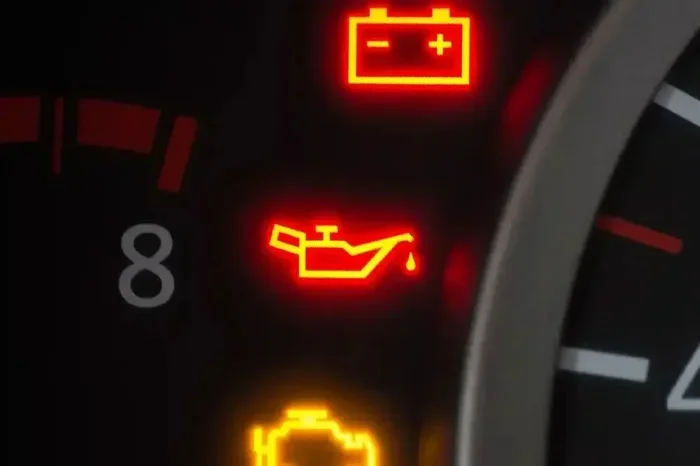
The dashboard symbol for low oil is one of the most important warning lights your car can display. It typically looks like an oil can with a drip and signals that your engine oil level or pressure is dangerously low. Ignoring this oil pressure warning light can lead to serious and expensive engine damage. This guide explains exactly what the symbol means, how to respond, and how to prevent low oil issues in the future.
You are driving down the road, and suddenly a strange light pops up on your dashboard. It looks like an oil can with a few drops coming out of it. Your heart drops a little because you have no idea what it means. What is the dashboard symbol for low oil, and should you pull over right now?
If you have ever seen this oil pressure warning light flash on your dashboard, you are not alone. Almost every driver will encounter this warning at some point. The good news is that understanding what it means and how to respond can save your engine and your wallet. This guide walks you through everything you need to know about the low oil indicator, from identifying the symbol to taking action.
Your car talks to you through a series of dashboard warning lights. Some are harmless. Some are mildly annoying. But the low oil symbol is one you should never take lightly. Let us break it all down so you feel confident the next time that little oil can appears on your dash.
Key Takeaways
- The low oil symbol looks like an oil can with a drip: It is one of the most recognizable dashboard warning lights and should never be ignored.
- Low oil can be caused by leaks, burning oil, or missed oil changes: Understanding the root cause helps you fix the problem quickly.
- Never drive with the low oil light on: Even a short distance can cause irreversible engine damage.
- Checking your oil at home is simple and fast: Using the dipstick takes just a few minutes and can save you hundreds in repairs.
- Regular oil changes prevent warning lights: Staying on top of your oil change schedule keeps your engine running smoothly.
- Other dashboard lights can mimic low oil warnings: Knowing the difference between the oil pressure warning light and the check engine light is essential.
📑 Table of Contents
What Does the Low Oil Dashboard Symbol Look Like?
The dashboard symbol for low oil is designed to be instantly recognizable. It typically appears as a red or yellow oil can icon with one or two drops of oil dripping from the bottom. Different car manufacturers may style it slightly differently, but the core design remains the same across most vehicles.
Red vs. Yellow Oil Warning Lights
The color of the light matters a lot. A red oil pressure warning light means your oil pressure has dropped to a dangerous level. You should stop driving immediately and turn off the engine. A yellow or orange light usually indicates that your oil level is low but has not yet reached a critical point. Either way, you should address the issue as soon as possible.
Some cars also display a text message alongside the symbol, such as “Oil Pressure Low” or “Check Oil Level.” These messages make it even clearer what the problem is. If you see any of these warnings, do not wait. Pull over safely and investigate.
It is also worth noting that the low oil symbol is different from the check engine light. The check engine light looks like an engine outline and can be triggered by many different issues. The oil can symbol specifically relates to your lubrication system. If you are unsure whether your check engine light is related to oil pressure, it is always best to check both.
Why Does the Low Oil Warning Light Come On?
Several factors can trigger the oil pressure warning light. Understanding the cause helps you fix the problem and prevent it from happening again. Here are the most common reasons your low oil indicator might turn on.
Low Oil Level
The most common reason is simply that your engine oil is low. Over time, oil levels drop naturally between changes. A small amount of oil burn-off is normal in most engines. However, if the level drops too low, the oil pump cannot maintain proper pressure, and the warning light comes on.
Leaks are another major culprit. Oil can seep from the oil pan gasket, valve cover gasket, or oil filter housing. Even a small leak can cause your oil level to drop significantly over a few weeks. If you notice oil spots under your parked car, get it checked right away.
Oil Burning Inside the Engine
Some engines burn oil as part of normal operation, especially older vehicles or those with high mileage. If your car burns oil faster than it should, the oil level sensor will detect the drop and trigger the warning. This is a sign that your engine rings or valve seals may be worn and need attention.
Oil Pump Failure
In rare cases, the oil pump itself fails. The pump circulates oil through the engine, and if it stops working, oil pressure drops rapidly. This is a serious mechanical issue that requires immediate professional diagnosis. Driving with a failing oil pump can destroy your engine within minutes.
Dirty or Sludged Oil
Oil that has not been changed in a long time can break down and form sludge. Sludgy oil does not flow properly through the engine, which reduces oil pressure and can trigger the low oil symbol. Regular oil changes using the right engine oil type prevent this problem entirely.
Faulty Oil Level Sensor
Sometimes the problem is not the oil at all. The sensor that monitors your oil level can malfunction and give false readings. If you have recently topped off your oil and the light is still on, a faulty sensor might be to blame. A mechanic can test the sensor and replace it if needed.
What to Do When the Low Oil Light Turns On
Seeing the dashboard symbol for low oil can be stressful, but staying calm and taking the right steps is critical. Here is exactly what you should do.
Step 1: Pull Over Safely
As soon as it is safe to do so, pull over and turn off the engine. Continuing to drive with low oil pressure can cause catastrophic engine damage. Your engine has many moving parts that rely on a constant flow of oil to reduce friction and prevent overheating.
Step 2: Check the Oil Level
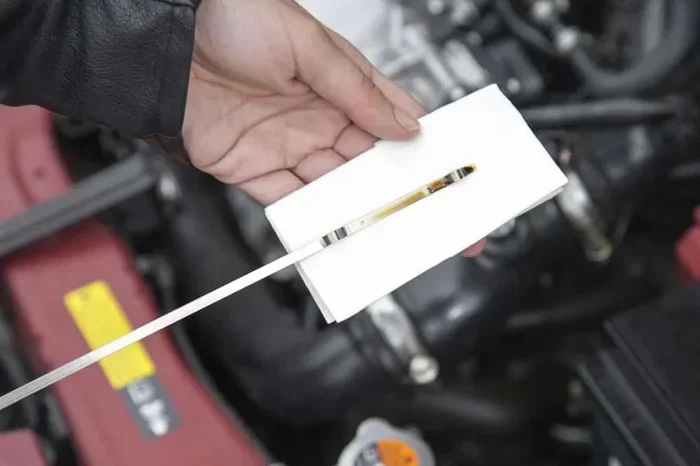
Wait a few minutes after turning off the engine for the oil to settle. Then open the hood and pull out the oil dipstick. Wipe it clean, reinsert it fully, and pull it out again. Look at the markings on the dipstick to see where the oil level falls. If it is below the minimum mark, you have found your problem.
While checking the oil, also pay attention to the color and consistency. Fresh oil is amber and translucent. Dark, gritty, or burnt-smelling oil means it is time for a change. Using the correct oil weight for your vehicle is essential for maintaining proper oil pressure.
Step 3: Add Oil if Needed
If your oil level is low, add the correct type of oil recommended by your vehicle manufacturer. You can find this information in your owner’s manual. Add oil gradually and recheck the level with the dipstick until it reaches the full mark.
After adding oil, restart the engine and see if the low oil indicator goes off. If it does, you can drive cautiously to the nearest service center for a proper inspection. If the light stays on even after adding oil, there may be a deeper issue that needs professional attention.
Step 4: Visit a Mechanic
If you are unsure why the light came on or if it keeps turning on despite having adequate oil, visit a trusted mechanic. They can perform a full diagnostic to check oil pressure, inspect for leaks, and evaluate the condition of your oil filter. Many Toyota dealerships offer complimentary oil changes if your vehicle is still under warranty.
How to Check Your Oil Level at Home
Checking your oil level is one of the simplest maintenance tasks you can do. It takes less than five minutes and requires no special tools. Here is a step-by-step guide to doing it yourself.
- Park your car on a flat surface and turn off the engine.
- Wait 3 to 5 minutes for the oil to drain back into the oil pan.
- Open the hood and locate the oil dipstick. It usually has a brightly colored handle.
- Pull the dipstick out and wipe it clean with a rag or paper towel.
- Reinsert the dipstick all the way back in, then pull it out again.
- Look at the oil level against the markings on the dipstick. It should fall between the minimum and maximum lines.
- Check the oil color. It should be amber or brown. Black or gritty oil needs to be changed.
- Reinsert the dipstick and close the hood.
Most experts recommend checking your oil at least once a month. This simple habit helps you catch low oil levels before they turn into expensive problems. Synthetic oil lasts longer, but it still needs to be checked and changed according to your manufacturer’s recommendations.
Quick Tip: Always check your oil when the engine is cold or has been off for at least 5 minutes. Checking oil while the engine is hot can give you an inaccurate reading because the oil has not fully settled back into the pan.
Preventing Low Oil Warnings
The best way to deal with the dashboard symbol for low oil is to prevent it from appearing in the first place. Regular maintenance and good driving habits go a long way in keeping your engine properly lubricated.
Follow Your Oil Change Schedule
Every vehicle has a recommended oil change interval based on mileage or time, whichever comes first. Sticking to this schedule ensures that your oil is always clean and effective. Most modern cars can go between 5,000 and 10,000 miles between changes when using synthetic oil.
If you are unsure when your last oil change was, resetting your oil change light after each service helps you keep track. A maintenance log is also a great idea, especially if you own a used car and are unsure of its service history.
Use the Right Oil
Not all oils are the same. Using the wrong engine oil type can lead to poor lubrication, increased wear, and low oil pressure. Always refer to your owner’s manual for the recommended viscosity and specification. Common grades like 5W-30 and 0W-20 are used in many modern vehicles, but your car may require something different.
Monitor Your Oil Level Regularly
Do not wait for the warning light to check your oil. Make it a habit to inspect the dipstick monthly. This proactive approach helps you catch small problems before they become big ones. Keeping a bottle of the correct oil in your trunk is also a smart idea for emergencies.
Watch for Leaks
Inspect your parking spot regularly for oil spots or puddles. Even small drips can add up over time and lead to a significantly low oil level. If you notice any leaks, have a mechanic inspect your vehicle as soon as possible.
Address Warning Signs Early
Do not ignore the oil pressure warning light or any unusual engine noises. Knocking or ticking sounds from the engine can indicate low oil pressure. Addressing these signs early can prevent major engine repairs and extend the life of your vehicle significantly.
When the Oil Light Means Something Else
Sometimes the dashboard symbol for low oil does not mean your oil level is actually low. Understanding these situations can save you unnecessary panic and unnecessary trips to the mechanic.
After an Oil Change
If the oil light stays on after you have just had an oil change, it may need to be reset. Many vehicles require a manual reset procedure after an oil service. Check your owner’s manual for reset instructions specific to your vehicle model.
Cold Weather Starting
In cold weather, oil takes longer to circulate through the engine. You may see the low oil indicator briefly when you first start the car. This is normal and should go away within a few seconds as the oil warms up and flows properly.
Battery and Electrical Issues
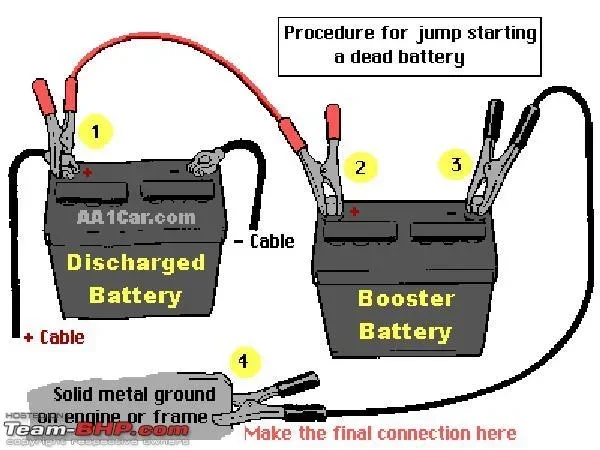
A weak battery or electrical problem can sometimes cause warning lights to behave erratically. If multiple lights come on at once or flicker, the issue may be electrical rather than oil-related. A bad battery can trigger various dashboard warnings, so it is worth investigating all possibilities.
Understanding these scenarios helps you respond appropriately without overreacting or, worse, underreacting. When in doubt, always err on the side of caution and have a professional inspect your vehicle.
Conclusion
The dashboard symbol for low oil is one of the most critical warnings your car can give you. It is a red flag that demands immediate attention. Whether it is caused by a simple low oil level or a more serious mechanical issue, ignoring it can lead to devastating and costly engine damage.
By learning what the symbol looks like, understanding the common causes, and knowing exactly how to respond, you empower yourself as a car owner. Regular oil checks, timely oil changes, and prompt attention to warning lights will keep your engine healthy for years to come. Take care of your car, and it will take care of you.
Stay proactive, stay informed, and never let that little oil can on your dashboard catch you off guard. Your engine depends on it.
Frequently Asked Questions
Can I drive my car if the low oil light is on?
No, you should not drive your car with the low oil light on. Even a short distance can cause severe engine damage due to insufficient lubrication. Pull over safely, turn off the engine, and check your oil level immediately.
What does the oil can symbol on the dashboard mean?
The oil can symbol on your dashboard is the oil pressure warning light. It indicates that your engine oil level is low or that oil pressure is insufficient. This is a serious warning that requires immediate attention to prevent engine damage.
How do I reset the low oil warning light?
Resetting the low oil indicator varies by vehicle model. In many cars, you can reset it through the dashboard menu or by turning the ignition on and off in a specific sequence. Always refer to your owner’s manual for the exact reset procedure for your vehicle.
How often should I check my oil level?
Most experts recommend checking your oil level at least once a month. You should also check it before any long road trips. Regular checks help you catch low oil levels early and prevent the dashboard symbol for low oil from appearing unexpectedly.
Can a faulty oil sensor cause the low oil light to come on?
Yes, a malfunctioning oil level sensor can trigger the low oil indicator even when your oil level is normal. If you have recently topped off your oil and the light remains on, a faulty sensor may be the cause. A mechanic can test and replace the sensor if needed.
What type of oil should I use to prevent low oil warnings?
Always use the oil type and viscosity recommended by your vehicle manufacturer. Using the correct engine oil type ensures proper lubrication and oil pressure. Synthetic oils generally provide better protection and longer intervals between changes.