Can a Toyota Tacoma Pull a 30-Foot Camper – Honest Answer
Yes, a Toyota Tacoma can pull a 30-foot camper, but it depends heavily on your engine, trim, and towing package. The Tacoma’s towing capacity ranges from roughly 3,500 to 6,400 pounds depending on the configuration. A 30-foot camper typically weighs between 5,200 and 7,000 pounds when fully loaded, which means not every Tacoma setup will handle it safely. Always check your specific Tacoma’s towing capacity and the camper’s dry and loaded weight before hitting the road.
So you want to know if a Toyota Tacoma can pull a 30-foot camper. That is a great question, and the answer is not a simple yes or no. The truth is, it depends on a lot of factors. Your engine type, your trim level, whether you have the towing package, and even the weight of your loaded camper all play a role.
Many Tacoma owners love these trucks for their reliability and off-road capability. But when it comes to towing a large camper, the numbers matter a lot. A 30-foot camper is no small trailer. It is a serious piece of equipment that demands respect and proper preparation. In this guide, we will walk you through everything you need to know.
We will cover towing capacity, payload limits, hitch requirements, and real-world advice from experienced Tacoma owners. By the end, you will know exactly whether your Tacoma can handle a 30-foot camper safely and confidently.
Key Takeaways
- Tacoma towing capacity varies by trim and engine: The V6 with the towing package pulls significantly more than the 4-cylinder.
- A 30-foot camper can weigh 5,200 to 7,000 lbs loaded: You must match this to your Tacoma’s maximum towing rating.
- The towing package is not optional for heavy loads: It includes a wiring harness, brake controller, and upgraded cooling.
- Payload matters just as much as towing capacity: The weight of the camper tongue pushes down on your truck bed and rear axle.
- Always use a proper hitch and wiring setup: A Class IV hitch and trailer brake controller are essential for safety.
- Test drive before a long trip: Practice towing in a safe area to get comfortable with the handling changes.
- Check your owner’s manual: Every Tacoma year and trim has specific limits you must follow.
📑 Table of Contents
- Understanding Toyota Tacoma Towing Capacity
- What Does a 30-Foot Camper Actually Weigh?
- Can Your Tacoma Handle a 30-Foot Camper?
- Hitch and Wiring Setup for Towing a 30-Foot Camper
- Real-World Tacoma Towing Tips
- Common Mistakes People Make When Towing a Large Camper
- Expert Insight: The Honest Bottom Line
- Conclusion
Understanding Toyota Tacoma Towing Capacity
The first thing you need to know is that not all Tacomas are created equal when it comes to towing. The towing capacity changes based on the engine, the trim, and the options you choose. Let us break this down so it is easy to understand.
4-Cylinder vs V6 Engine Towing
The Toyota Tacoma comes with two main engine options. The base 2.7-liter 4-cylinder engine is great for everyday driving. But when it comes to towing, it has limitations. The 4-cylinder Tacoma typically has a towing capacity of around 3,500 pounds. That is enough for a small pop-up camper or a lightweight utility trailer.
The 3.5-liter V6 engine is a completely different story. This engine delivers serious power and torque. With the right configuration, the V6 Tacoma can tow up to 6,400 pounds. That is a big difference. If you are planning to pull a 30-foot camper, the V6 is almost certainly your best bet.
For more details on how the 4-cylinder performs with lighter loads, check out Can A 4 Cylinder Tacoma Pull A Pop Up Camper. And if you want to compare V6 towing with other trailers, read Can A 6 Cylinder Tacoma Pull A Trailer.
The Importance of the Towing Package
Here is something many people overlook. The towing package is not just a sticker on the window. It includes real hardware and features that make towing safer and more effective. The Tacoma towing package typically includes:
- A heavy-duty wiring harness for trailer lights
- A trailer brake controller for safe stopping
- An upgraded cooling system for the engine and transmission
- A reinforced rear suspension
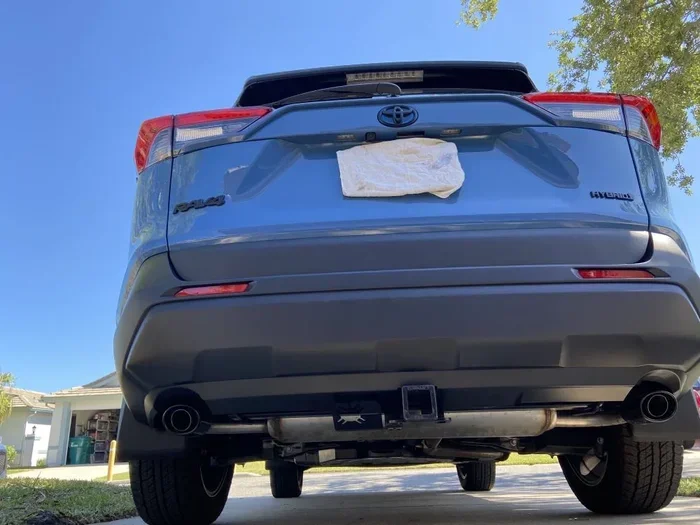
- A Class IV hitch receiver
Without the towing package, you are leaving performance and safety on the table. If you plan to tow a 30-foot camper, make sure your Tacoma has this package installed. It makes a measurable difference in both capability and confidence.
What Does a 30-Foot Camper Actually Weigh?
This is where many people get into trouble. They see the length of a camper and assume the weight is manageable. A 30-foot camper can vary widely in weight depending on the type, construction, and how it is loaded. Let us look at the numbers.
Dry Weight vs Loaded Weight
The dry weight is the weight of the camper when it is empty. No water in the tanks, no gear inside, no propane. For a typical 30-foot travel trailer, the dry weight ranges from about 4,500 to 6,000 pounds.
But that is not the real number you need to worry about. The loaded weight is what matters. Once you fill the freshwater tank, the gray and black water tanks, add your camping gear, food, and clothes, the weight goes up fast. A fully loaded 30-foot camper can easily reach 5,200 to 7,000 pounds or more.
Here is a quick comparison of common camper weights:
- 30-foot travel trailer (dry): 4,500 to 6,000 lbs
- 30-foot travel trailer (loaded): 5,200 to 7,000 lbs
- 30-foot fifth wheel (dry): 5,500 to 7,500 lbs
- 30-foot fifth wheel (loaded): 6,500 to 9,000 lbs
As you can see, a 30-foot fifth wheel is significantly heavier than a travel trailer. If you are considering a fifth wheel, you need to pay extra attention to your Tacoma’s limits.
Why Loaded Weight Matters More
Think of it this way. The dry weight is what the camper weighs sitting in the factory. The loaded weight is what it weighs on the road with everything you need for a weekend trip. That extra weight affects your stopping distance, your handling, and your fuel economy. Always plan for the loaded weight, not the dry weight.
Can Your Tacoma Handle a 30-Foot Camper?
Now for the big question. Can your specific Tacoma pull a 30-foot camper? The answer depends on matching your truck’s capabilities with the camper’s weight. Let us walk through the scenarios.
Tacoma Trim Levels and Towing Ability
The Tacoma comes in several trims, and each one has different towing capabilities. Here is a general breakdown:
- SR (4-cylinder): Towing capacity around 3,500 lbs. Not enough for a loaded 30-foot camper.
- SR5 (4-cylinder): Similar to SR, around 3,500 lbs. Still limited for a 30-foot camper.
- SR5 (V6): Towing capacity up to 5,000 lbs. May handle a lighter 30-foot travel trailer when loaded carefully.
- TRD Off-Road (V6): Towing capacity around 5,000 to 6,000 lbs. Better equipped for heavier loads.
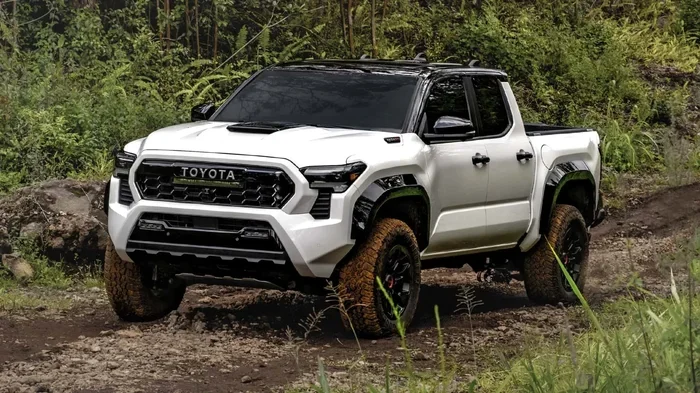
- TRD Pro (V6): Towing capacity up to 6,400 lbs. The strongest Tacoma configuration for towing.
If your Tacoma has the V6 engine and the towing package, you are in much better shape. A 30-foot travel trailer with a loaded weight under 6,000 pounds is within reach. But a 30-foot fifth wheel pushing 7,000 or 8,000 pounds? That is pushing even the best Tacoma to its limits.
For a quick reference on Tacoma towing limits, check out Can My Tacoma Pull 4 for a detailed breakdown of what your Tacoma can handle.
The Role of Payload Capacity
Towing capacity gets all the attention, but payload capacity is just as important. Payload is the weight your truck can carry in the bed and on the passengers. The tongue weight of a 30-foot camper typically ranges from 300 to 600 pounds. That weight sits on the hitch and transfers to your rear axle.
If you overload your payload, you risk damaging your suspension, tires, and frame. Here are some quick tips:
- Check your Tacoma’s payload rating on the door jamb sticker
- Subtract the weight of passengers and gear from the payload rating
- Make sure the remaining capacity exceeds the camper tongue weight
- If you are close to the limit, consider a lighter camper or reducing your gear
Hitch and Wiring Setup for Towing a 30-Foot Camper
Having the right hitch and wiring is not optional when towing a large camper. It is essential for safety and legal compliance. Let us go through what you need.
Choosing the Right Hitch
For a 30-foot camper, you need a Class IV hitch. This is the heaviest-duty hitch available for most Tacomas. A Class IV hitch has a weight rating of 10,000 to 12,000 pounds, which gives you plenty of safety margin.
Make sure the hitch is compatible with your Tacoma model year. Some hitches are designed for specific years and trims. A proper fit ensures the hitch sits at the right height and angle for safe towing.
Trailer Brake Controller
If your camper weighs over 3,000 pounds, you should have a trailer brake controller. This device applies the trailer brakes in sync with your truck brakes. It dramatically improves stopping power and control.
Most modern Tacomas with the towing package come with a pre-wired connection for a brake controller. If yours does not, you can have one installed easily at most auto shops.
Wiring and Lighting
Do not forget the wiring harness. Your trailer needs working brake lights, turn signals, and running lights. A proper wiring setup keeps you legal on the road and keeps other drivers safe. It is a small investment that pays off in peace of mind.
Real-World Tacoma Towing Tips
Towing a 30-foot camper is a learning experience. Even if your Tacoma has the power, the handling changes significantly with a long trailer behind you. Here are some practical tips from experienced Tacoma owners.
Practice Before Your Trip
Find an empty parking lot or a quiet road and practice turning, backing up, and stopping with your camper attached. Backing up a 30-foot trailer takes patience and skill. You will appreciate the practice when you arrive at the campsite.
Check Your Mirrors and Visibility
A 30-foot camper blocks a lot of your rear view. Install extended side mirrors so you can see the trailer and the road behind you. Good visibility is critical for safe lane changes and merging.
Watch Your Speed
Towing a heavy camper slows you down. Do not try to keep up with traffic if it means driving above a safe speed. Most experienced towers recommend staying at or below 60 mph when pulling a 30-foot camper. It reduces strain on your engine, transmission, and brakes.
Plan Your Stops
Your stopping distance increases significantly when towing. Leave extra space between you and the vehicle ahead. Plan rest stops every couple of hours to check your hitch, tire pressure, and cargo load.
Fuel Economy Expectation
Be honest with yourself. Towing a 30-foot camper will reduce your fuel economy. A Tacoma that gets 20 mpg on the highway might drop to 12 or 13 mpg while towing. Plan your fuel stops accordingly, especially if you are traveling through remote areas.
Common Mistakes People Make When Towing a Large Camper
Even experienced truck owners make mistakes when towing. Here are the most common ones to avoid.
Underestimating Loaded Weight
This is the number one mistake. People look at the dry weight and think they are fine. But once you load up water, food, gear, and propane, the weight jumps significantly. Always weigh your loaded camper before a trip if possible.
Skipping the Towing Package
Some owners try to tow without the towing package. This is risky. The towing package includes cooling upgrades and a proper wiring setup that protect both your truck and your camper.
Ignoring Tongue Weight
Too much tongue weight pushes the rear of your truck down and reduces front-wheel traction. Too little tongue weight makes the trailer sway. Aim for 10 to 15 percent of the total trailer weight on the tongue.
Not Using a Weight Distribution Hitch
For heavier loads, a weight distribution hitch helps spread the tongue weight more evenly across all axles. It improves handling and prevents your truck from sagging in the rear.
Forgetting Maintenance Checks
Towing puts extra stress on your Tacoma. Check your tire pressure, oil level, and coolant before every trip. The extra strain means your truck needs more frequent maintenance when you tow regularly.
Expert Insight: The Honest Bottom Line
Can a Toyota Tacoma pull a 30-foot camper? The honest answer is yes, but with caveats. A Tacoma with the V6 engine, the towing package, and a Class IV hitch can handle a 30-foot travel trailer that is properly loaded and under 6,000 pounds. A 30-foot fifth wheel is much harder to pull and may exceed the Tacoma’s limits.
The key is knowing your numbers. Check your Tacoma’s towing capacity, understand your camper’s loaded weight, and invest in the right equipment. Do not cut corners on the hitch, the wiring, or the brake controller. Safety should always come first.
If you are unsure about your setup, visit a Toyota dealership or a trailer dealer and ask them to weigh your loaded camper. A small investment in knowledge can prevent a lot of trouble on the road.
Many Tacoma owners successfully tow 30-foot campers every weekend and have great experiences. It is absolutely doable with the right truck configuration and the right preparation. Just go in with your eyes open and respect the limits of both your truck and your trailer.
Conclusion
The Toyota Tacoma is a capable and reliable truck that can handle towing a 30-foot camper in the right configuration. The V6 engine with the towing package gives you the best chance of success. Always match your Tacoma’s towing and payload capacity to the loaded weight of your camper.
Do not forget the essentials. A Class IV hitch, a trailer brake controller, proper wiring, and weight distribution are all critical for a safe and enjoyable towing experience. Take the time to prepare, practice, and plan your trips carefully.
With the right setup and a respectful approach to towing, your Tacoma and your 30-foot camper can take you on many great adventures. The open road is waiting, and your Tacoma is ready to pull you there.
Frequently Asked Questions
Can a 4-cylinder Toyota Tacoma pull a 30-foot camper?
It is not recommended. A 4-cylinder Tacoma has a towing capacity of around 3,500 pounds, which is usually not enough for a loaded 30-foot camper. The 30-foot camper’s weight will likely exceed the truck’s limits, creating safety risks. Stick to lighter trailers if you have the 4-cylinder engine.
What is the towing capacity of a Toyota Tacoma V6 with the towing package?
The V6 Tacoma with the towing package can tow up to 6,400 pounds depending on the model year and trim. This is enough for a 30-foot travel trailer that is loaded carefully and stays under 6,000 pounds. Always verify the exact towing capacity for your specific model year in the owner’s manual.
Do I need a brake controller to tow a 30-foot camper with a Tacoma?
Yes, if your camper weighs over 3,000 pounds, a brake controller is strongly recommended. It synchronizes the trailer brakes with your truck brakes, giving you much better stopping control. Most Tacomas with the towing package come pre-wired for a brake controller, making installation easy and affordable.
What type of hitch do I need for a 30-foot camper on a Tacoma?
You need a Class IV hitch, which is the heaviest-duty hitch available for most Tacomas. A Class IV hitch is rated for 10,000 to 12,000 pounds, providing a strong safety margin for towing a 30-foot camper. Make sure the hitch is compatible with your Tacoma’s model year and bed length.
How much does a 30-foot camper weigh when fully loaded?
A fully loaded 30-foot travel trailer typically weighs between 5,200 and 7,000 pounds. A 30-foot fifth wheel can weigh even more, between 6,500 and 9,000 pounds when loaded. Always check the specific weight of your camper model and plan for the loaded weight, not just the dry weight.
Can a Toyota Tacoma tow a 30-foot fifth wheel camper?
Towing a 30-foot fifth wheel is very challenging for most Tacoma configurations. Fifth wheels are significantly heavier than travel trailers, and their weight distribution puts more stress on the truck. Most Tacoma setups, even with the V6 and towing package, will struggle with a loaded 30-foot fifth wheel. Consider a larger truck if you plan to tow a fifth wheel regularly.