How Long Does a Toyota Engine Last and What Affects It
A Toyota engine can last between 250,000 and 400,000 miles with proper care. The Toyota engine lifespan depends heavily on maintenance habits, driving conditions, and the specific model you own. Regular oil changes, timely fluid replacements, and smart driving practices are the biggest factors that determine how many miles your Toyota engine will deliver.
Toyota has built one of the strongest reputations in the automotive world for building engines that simply keep going. If you own a Toyota or are thinking about buying one, you probably want to know the real answer to the question: how long does a Toyota engine last? The truth is that there is no single number that fits every vehicle. However, most Toyota engines can run well past 250,000 miles when the owner takes good care of them.
The Toyota engine lifespan is influenced by several key factors. These include how often you change the oil, the kind of driving you do, the climate you live in, and even the specific engine design Toyota uses in your model. Understanding these factors helps you make smarter decisions about maintenance and ownership. This guide breaks down everything you need to know about Toyota engine longevity, from average mileage expectations to practical tips that add years of life to your engine.
Whether you drive a daily commuter or a family SUV, the information here applies to you. We will cover common problems, maintenance best practices, and when it makes sense to rebuild versus replace. By the end, you will have a clear picture of what to expect from your Toyota engine and how to get the most out of it.
Key Takeaways
- Toyota engines are among the most reliable in the industry, routinely lasting 250,000 to 400,000 miles with proper care.
- Regular oil changes and maintenance schedules are the single most important factor in extending engine life.
- Driving habits matter significantly, including avoiding excessive idling, hard acceleration, and overheating.
- Common Toyota engine problems like coolant leaks and timing belt wear can be prevented with routine inspections.
- Rebuilding an engine costs less than replacing it, but both options depend on the extent of damage and vehicle age.
- Toyota’s reputation for durability comes from engineering quality, but owner care makes the biggest difference.
📑 Table of Contents
How Long Does a Toyota Engine Last on Average
Most Toyota engines are designed to last between 250,000 and 400,000 miles under normal driving conditions. Some well-maintained Toyota engines have even surpassed the 500,000-mile mark. This kind of durability is what puts Toyota at the top of reliability rankings year after year.
The average Toyota engine mileage before major repairs are needed ranges from 200,000 to 300,000 miles. Beyond that point, you may start seeing wear on internal components like piston rings, valve seals, and timing chains. But reaching 200,000 miles is just the beginning for many Toyota engines.
Toyota Engine Lifespan by Model
Different Toyota models use different engines, and each engine has its own strengths. The Toyota Camry is famous for its 2.4-liter and 3.5-liter V6 engines that routinely exceed 300,000 miles. The Toyota Corolla uses smaller engines that are lightweight and efficient, and they also tend to last well over 250,000 miles with regular service.
Larger vehicles like the Toyota Tundra and Toyota Sequoia use V8 engines that are built for heavy towing and hauling. These engines are robust but face more stress under heavy loads. Still, with proper care, a Tundra engine can easily reach 300,000 miles or more.
Toyota also builds trucks like the Tacoma and the 4Runner with engines designed for tough use. The 2.7-liter four-cylinder in the Tacoma has proven itself as a durable workhorse that handles both daily driving and off-road adventures.
Mileage Milestones That Matter
Toyota engines go through natural stages of wear over time. Here are the key mileage milestones to keep in mind:
- 0 to 50,000 miles: The engine is in its prime. Most problems in this range come from manufacturing defects, not wear.
- 50,000 to 100,000 miles: Normal wear begins. Spark plugs, air filters, and fluids need regular attention.
- 100,000 to 200,000 miles: This is where maintenance becomes critical. Timing belts, coolant systems, and transmission fluid all need checking.
- 200,000 to 300,000 miles: Only well-maintained engines reach this range. Minor repairs like valve adjustments and gasket replacements become common.
- 300,000+ miles: At this stage, major engine overhauls may be needed. But many Toyota engines keep running strong well beyond this point.
What Affects Toyota Engine Longevity
Not all Toyota engines age the same way. Several factors determine whether your engine lasts 200,000 miles or 400,000 miles. Understanding these factors puts you in control of your engine’s future.
Maintenance Habits
The single biggest factor in Toyota engine reliability is how well you maintain it. Toyota designs their engines to be durable, but even the best engine suffers without proper care. Skipping oil changes is the fastest way to shorten an engine’s life.
Toyota recommends changing your engine oil every 5,000 to 7,500 miles for conventional oil and every 10,000 miles for synthetic oil. Following this schedule keeps the engine internals lubricated and prevents metal-on-metal wear. Using the right grade of oil matters too. Check your owner’s manual for the specific oil weight recommended for your engine.
Beyond oil changes, other maintenance tasks play a big role:
- Coolant flushes every 30,000 to 50,000 miles prevent overheating and internal corrosion.
- Timing belt replacement at the manufacturer’s recommended interval prevents catastrophic engine failure.
- Spark plug changes keep combustion efficient and prevent misfires.
- Air filter replacements ensure clean airflow into the engine.
- Transmission fluid changes reduce stress on the engine by keeping the drivetrain running smoothly.
Creating a maintenance schedule that you follow consistently is one of the best investments you can make in your Toyota engine. If you are unsure where to start, check out our guide on how to create a maintenance schedule for practical steps to keep your vehicle running at its best.
Driving Conditions and Habits
How and where you drive has a direct impact on engine wear. Toyota engine performance suffers when the engine is subjected to harsh conditions regularly.
Stop-and-go city driving puts more stress on an engine than steady highway cruising. Frequent short trips where the engine never reaches full operating temperature cause moisture to build up in the oil. This accelerates wear and reduces engine life over time.
Hot climates also take a toll. Engines running in high temperatures work harder to maintain proper operating heat, and cooling systems face more demand. If you live in a hot region, paying extra attention to your coolant levels and radiator condition is essential.
Heavy towing is another major factor. Toyota trucks like the Tundra and Tacoma are built to tow, but consistently hauling near-maximum loads strains the engine. The added stress increases engine temperature and accelerates wear on internal components. If you tow frequently, consider upgrading to synthetic oil and checking your coolant system more often.
One often overlooked habit is excessive idling. Letting your Toyota sit running for long periods causes fuel residue to build up on cylinder walls and increases carbon deposits. If you find yourself idling for more than a few minutes, it is better to turn the engine off.
Manufacturing Quality and Design
Toyota’s engineering philosophy plays a role in engine longevity. Toyota uses high-quality materials and rigorous testing processes. The company has spent decades refining its engine designs to prioritize durability over flashy performance numbers.
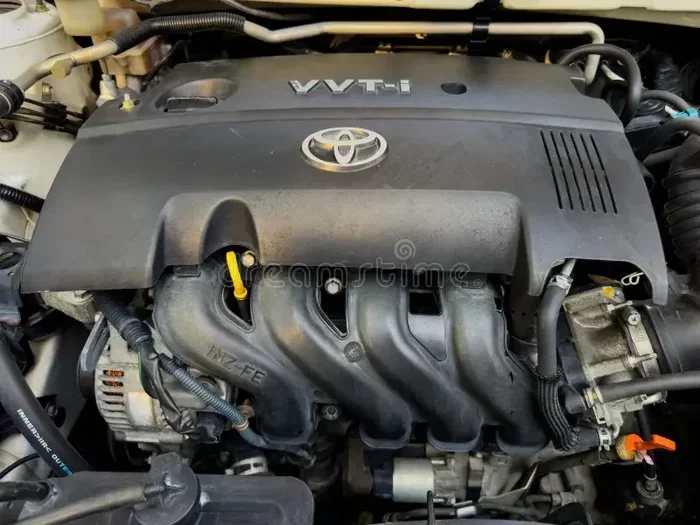
The Toyota engine build quality includes features like cast iron blocks in many models, precision-machined cylinder heads, and advanced valve timing systems. These design choices contribute to the long service life that Toyota owners come to expect.
It takes thousands of man hours to build a car, and the engine assembly is one of the most carefully controlled parts of that process. Toyota’s manufacturing facilities maintain strict quality standards that ensure each engine meets tight tolerances before it ever leaves the factory.
Common Toyota Engine Problems and How to Avoid Them
Even the most reliable engines can develop problems over time. Knowing what to watch for helps you catch issues early before they become expensive repairs.
Overheating Issues
Overheating is one of the most damaging things that can happen to any engine. When the engine runs too hot, it can warp cylinder heads, blow head gaskets, and cause internal damage that is costly to repair.
Common causes of overheating include low coolant levels, a failing water pump, a broken thermostat, or a clogged radiator. Regularly checking your coolant level and watching your temperature gauge while driving can help you catch problems early.
If you notice steam coming from under the hood or a sudden spike in the temperature gauge, pull over safely and turn off the engine immediately. Continuing to drive an overheating engine can turn a small repair into a major engine replacement. For more information on preventing heat-related engine damage, see our article on how to prevent a car from overheating in summer.
Timing Belt and Chain Concerns
Toyota uses both timing belts and timing chains depending on the engine model. Timing belts need to be replaced at regular intervals, typically between 60,000 and 100,000 miles. A broken timing belt can cause the pistons to hit the valves, resulting in severe engine damage.
Timing chains are designed to last longer, but they can stretch over time. A stretched timing chain causes rough idling, poor engine performance, and eventually engine failure if not addressed. Staying on top of your maintenance schedule helps prevent timing-related failures.
Oil Consumption and Leaks
Some Toyota engines are known to consume small amounts of oil between changes. This is normal to a degree, but excessive oil consumption signals worn piston rings or valve seals. If you find yourself adding oil more frequently than usual, have a mechanic inspect the engine before internal damage occurs.
Oil leaks often develop around the valve cover gasket and oil pan gasket as engines age. These leaks start small but can lead to low oil levels if left unchecked. Regularly checking under your vehicle for fresh oil spots helps you catch leaks early.
Coolant System Failures
The cooling system keeps your Toyota engine at the right operating temperature. When the cooling system fails, the engine overheats and suffers damage. Common cooling system problems include radiator leaks, water pump failure, and thermostat malfunction.
Toyota engines with higher mileage may develop small coolant leaks from aging hoses and connections. Checking the coolant level monthly and inspecting hoses for cracks or swelling helps prevent unexpected failures.
When to Rebuild or Replace a Toyota Engine
At some point, every engine reaches a stage where major repairs are needed. Deciding between a rebuild and a full replacement depends on several factors, including the extent of damage, the vehicle’s overall condition, and your budget.
Signs Your Engine Needs Attention
Watch for these warning signs that your Toyota engine may need professional attention:
- Knocking or tapping sounds from the engine block, especially under load.
- Blue or white exhaust smoke, which can indicate burning oil or coolant entering the combustion chamber.
- Significant loss of power, especially when accelerating or climbing hills.
- Consistent oil consumption that requires frequent top-offs between changes.
- Check engine light that stays on and is accompanied by rough running or poor fuel economy.
- Coolant mixing with oil or oil mixing with coolant, which signals internal gasket failure.
If you notice any of these symptoms, have a qualified mechanic diagnose the problem as soon as possible. Ignoring warning signs almost always leads to more expensive repairs down the road.
Rebuild vs Replace Cost Comparison
A full engine replacement typically costs between $4,000 and $8,000 for a Toyota engine, including parts and labor. A remanufactured or used engine costs less but may not come with the same warranty.
An engine rebuild costs less than a full replacement, usually ranging from $2,500 to $5,000. During a rebuild, the engine is disassembled, worn parts are replaced, and the engine is reassembled to factory specifications. A rebuild works well when the engine block and main components are still in good condition.
The right choice depends on your vehicle’s value, your budget, and how much life is left in the rest of the car. If your Toyota has over 250,000 miles and needs a new engine, you should weigh the repair cost against the vehicle’s overall value.
It is also worth noting that replacing a transmission is a separate consideration. A transmission rebuild or replacement can add significant cost to your repair bill. For more information on how transmission replacement affects vehicle longevity, check out our article on does replacing a transmission extend the life of a car.
Tips to Extend Your Toyota Engine Life
You do not need to be a mechanic to take good care of your Toyota engine. Simple, consistent habits make a huge difference in how long your engine lasts.
Oil Change Best Practices
Oil is the lifeblood of your engine. It lubricates moving parts, reduces friction, and carries heat away from critical components. Changing your oil on schedule is the single most important thing you can do for your Toyota engine.
Use high-quality oil that meets Toyota’s specifications for your engine. Synthetic oil offers better protection at extreme temperatures and lasts longer between changes. When in doubt, consult your owner’s manual or ask your trusted mechanic for a recommendation.
Also replace the oil filter every time you change the oil. A clogged oil filter restricts oil flow and reduces the protection your engine receives. This is a small cost that pays big dividends in engine longevity.
Cooling System Care
Your Toyota engine’s cooling system works hard to maintain the right temperature. Follow these tips to keep it functioning properly:
- Check coolant levels monthly and top off as needed with the correct type of coolant.
- Have the coolant system flushed and refilled every 30,000 to 50,000 miles.
- Inspect hoses and connections for cracks, swelling, or leaks.
- Replace the thermostat at the recommended interval to prevent temperature regulation issues.
- Watch the temperature gauge while driving and address any overheating immediately.
Taking care of the cooling system is one of the easiest ways to protect your engine from heat-related damage.
Drive Smart and Warm Up Properly
How you drive directly affects engine wear. Avoid aggressive acceleration and hard braking whenever possible. Smooth driving reduces stress on engine components and improves fuel economy.
In cold weather, let your Toyota idle for 30 to 60 seconds before driving. This allows the oil to circulate and reach all engine parts. Modern Toyotas do not need long warm-up periods, but a brief pause is always helpful, especially in winter.
Avoid redlining the engine or consistently pushing it to its maximum RPM. While Toyota engines are built to handle higher loads, constant extreme use accelerates wear over time.
Final Thoughts on Toyota Engine Longevity
The Toyota engine lifespan is impressive by any standard. With an average life of 250,000 to 400,000 miles, Toyota engines deliver the kind of durability that keeps owners on the road for years. But that longevity does not happen by accident.
Toyota engine reliability comes from a combination of excellent engineering and consistent owner care. Toyota builds engines that are tough and well-designed, but it is the owner’s responsibility to maintain them properly. Regular oil changes, timely fluid replacements, and smart driving habits form the foundation of a long-lasting engine.
If you take care of your Toyota engine, it will take care of you. The investment you make in maintenance pays off in fewer repairs, better fuel economy, and a vehicle that keeps running long after the warranty expires. Whether you drive a compact Corolla or a powerful Tundra, the principles of engine care remain the same.
Start by reviewing your owner’s manual and following the recommended service intervals. Pay attention to warning signs and address problems early. And remember that every mile you put on your Toyota engine is a mile well-earned when you have taken the right steps to protect it.
Toyota engine longevity is not a mystery. It is the result of smart engineering combined with smart ownership. Take the advice in this guide, apply it consistently, and your Toyota engine will reward you with years of dependable service.
Frequently Asked Questions
How many miles can a Toyota engine realistically last?
Most Toyota engines can last between 250,000 and 400,000 miles with proper maintenance. Some well-cared-for Toyota engines have been known to exceed 500,000 miles. Regular oil changes and timely maintenance are the biggest factors that determine where your engine falls in that range.
What is the most common reason Toyota engines fail early?
The most common reason is neglected maintenance, especially skipped oil changes. When oil is not changed regularly, it breaks down and loses its lubricating ability. This causes increased friction and wear on internal engine components, leading to premature failure.
Does towing shorten the life of a Toyota engine?
Towing puts extra stress on the engine, especially if you frequently haul near-maximum loads. This can accelerate wear on internal components and increase engine temperature. If you tow regularly, using synthetic oil and staying on top of coolant system maintenance helps offset the extra strain.
Is it worth rebuilding a Toyota engine at high mileage?
It depends on the overall condition of the vehicle. If the rest of the car is in good shape and the body is solid, a rebuild can extend the engine’s life for another 100,000 miles or more. However, if the vehicle has other major issues or high mileage, the cost may not be worth it compared to the vehicle’s value.
How often should I change the timing belt on my Toyota engine?
Toyota typically recommends replacing the timing belt between 60,000 and 100,000 miles, depending on the engine model. Check your owner’s manual for the specific interval. Replacing the timing belt on schedule prevents catastrophic engine damage from a broken belt.
Does synthetic oil really make a difference in Toyota engine life?
Yes, synthetic oil provides better protection at both high and low temperatures. It resists breakdown longer than conventional oil and flows more smoothly through engine passages. Many Toyota owners find that switching to synthetic oil helps their engines run cleaner and last longer, especially in extreme driving conditions.