How Do I Reset Check Engine Light on 2019 Toyota Highlander
Resetting the check engine light on a 2019 Toyota Highlander is easier than you think. You can use an OBD-II scanner, disconnect the battery, or fix the underlying problem and let the light clear on its own. This guide walks you through every method step by step so you can get back on the road with confidence.
The check engine light on your 2019 Toyota Highlander can feel alarming. One moment everything seems fine, and the next, a yellow engine icon lights up on your dashboard. You might wonder what went wrong and how to fix it.
The good news is that resetting the check engine light on a 2019 Toyota Highlander is something you can do at home. You do not need expensive tools or a trip to the mechanic. In this guide, we walk you through every method step by step. We also help you understand why the light came on in the first place. Let us get started.
The check engine light is part of your Toyota Highlander’s onboard diagnostics system. This system is called OBD-II, which stands for On-Board Diagnostics II. It monitors nearly every sensor and system in your engine. When something goes wrong, the system stores a code and turns on the warning light.
These diagnostic trouble codes, or DTCs, tell you exactly what is wrong. For example, a code might point to a loose gas cap or a failing oxygen sensor. Understanding these codes is the first step to fixing the problem and resetting the light.
You might see the check engine light come on for many different reasons. Some causes are minor and easy to fix. Others need professional attention. Here are the most common reasons the light appears on a 2019 Toyota Highlander.
- Loose or damaged gas cap: A loose fuel cap lets vapor escape from the tank. This triggers the emissions system warning.
- Faulty oxygen sensor: The sensor measures unburned oxygen in the exhaust. When it fails, fuel economy drops and emissions rise.
- Worn spark plugs: Old spark plugs cause engine misfires. This makes the light come on and can damage the catalytic converter over time.
- Catalytic converter issues: A failing converter means your vehicle is not processing exhaust gases properly.
- Mass airflow sensor failure: This sensor measures the air entering the engine. When it malfunctions, the engine runs rich or lean.
- EGR valve problems: The exhaust gas recirculation valve reduces nitrogen oxide emissions. When it sticks or fails, the check engine light appears.
Before you reset anything, you should figure out what triggered the light. Skipping this step means the light will likely come back. Here is how to find the root cause.
The easiest way to read codes on a 2019 Toyota Highlander is with an OBD-II scanner. This small device plugs into a port under your steering column. It reads the diagnostic trouble codes stored in your vehicle’s computer.
You can buy a basic OBD-II scanner for under $30 at most auto parts stores. Some models connect to your phone through Bluetooth. These apps often work just as well as dedicated scanners.
Here is how to use one:
- Turn off your engine and let the vehicle cool for a few minutes.
- Locate the OBD-II port under the dashboard on the driver side.
- Plug the scanner into the port firmly.
- Turn the ignition to the “On” position without starting the engine.
- Follow the scanner’s screen prompts to read the codes.
- Write down each code and look it up online or in your owner’s manual.
If you do not want to buy a scanner, you can visit a local auto parts store. Many stores like AutoZone and O’Reilly offer free code reading. They will plug in their scanner and tell you what codes came up. This is a great no-cost option.
Now that you know the code, you can decide the best fix. Some issues are simple. Others require a mechanic.
If the code points to a loose gas cap, simply tighten it until you hear it click. Drive the vehicle for a few days. The check engine light should turn off on its own. This is the easiest fix of all.
For oxygen sensor or spark plug codes, you may need to replace the part. Spark plugs for a 2019 Toyota Highlander cost around $20 to $40 for a set. Oxygen sensors run between $50 and $250 depending on the model. These are DIY-friendly repairs if you have basic tools.
More serious codes like catalytic converter failure need professional help. A Toyota dealer or certified mechanic can diagnose and replace the part. Do not ignore these codes. Driving with a bad catalytic converter can damage your engine further.
Now let us get to the main question: how do you actually reset the check engine light? There are several methods. Each one works well in different situations.
An OBD-II scanner is the cleanest way to reset the light. Once you fix the problem, you can use the same scanner to clear the codes.
Here is how to do it:
- Make sure the engine is off and the ignition is in the “On” position.
- Plug the OBD-II scanner into the port under the dashboard.
- Navigate to the “Clear Codes” or “Erase DTCs” option on the screen.
- Confirm the action. The scanner will delete all stored codes.
- Turn the ignition off and then back on.
- Check if the check engine light is off.
If the light stays off after driving for a few days, the reset was successful. If it comes back, the underlying problem was not fully fixed. Go back and recheck your repairs.
You can also reset the oil life indicator at the same time. If you want to learn how, check out our guide on how to reset your oil life for step-by-step instructions. This is a common follow-up task after clearing engine codes on any Toyota model.
Disconnecting the battery is another popular method to reset the check engine light. This works because it clears all stored codes from the vehicle’s computer memory. However, it comes with some tradeoffs.
Here is how to do it safely:
- Turn off the engine and remove the key from the ignition.
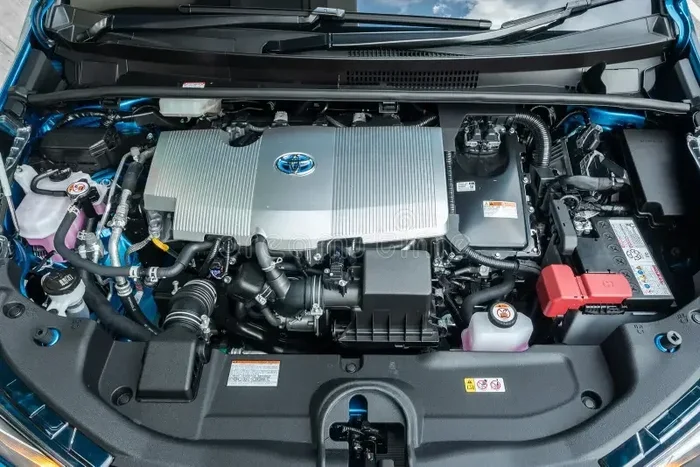
- Open the hood and locate the negative battery terminal (it has a minus sign).
- Use a wrench to loosen the nut on the negative cable.
- Carefully pull the cable off the terminal and move it away.
- Wait at least 15 minutes. This gives the computer time to fully reset.
- Reconnect the cable and tighten the nut securely.
- Start the engine and check if the light is off.
Be aware that disconnecting the battery will reset other settings too. You may lose your radio presets, clock settings, and power window calibration. The power windows may need to be reprogrammed after reconnecting the battery. Check your owner’s manual for the reset procedure.
If you want to learn more about what happens when you disconnect your battery, read our article on does unplugging a car battery reset codes. It covers the pros and cons in detail and explains what to expect after a battery disconnect.
Some people try to reset the light by turning the ignition on and off three times in a row. This method works on some Toyota models. It forces the computer to cycle and clear minor codes.
Here is how to try it:
- Turn the ignition to the “Off” position.
- Wait a few seconds.
- Turn the ignition to the “On” position (do not start the engine).
- Wait a few seconds.
- Repeat this cycle three times.
- Start the engine and see if the light is off.
This method is not guaranteed to work for all codes. It works best for temporary issues like a loose gas cap. For permanent faults, you need to fix the problem first.
The best way to prevent the check engine light from coming back is to follow a regular maintenance schedule. Keeping up with oil changes, spark plug replacements, and sensor checks goes a long way.
Want help building a plan? Our article on how to create a maintenance schedule gives you a simple framework you can use for your Toyota Highlander or any vehicle. A good schedule catches small problems before they turn into expensive repairs.
If the light comes back after you reset it, do not panic. This usually means the problem was not fully resolved. Here is what to do next.
- Recheck the repair: Go back and make sure the part was installed correctly. A loose connection or improperly seated sensor can cause the same code to return.
- Drive the vehicle: Sometimes the system needs a few drive cycles to confirm the fix. Drive normally for 50 to 100 miles and see if the light stays off.
- Use a scanner again: Plug the OBD-II scanner back in and check for new codes. This tells you if the same problem persists or if something new appeared.
- Visit a professional: If the light keeps coming back, take your Highlander to a Toyota dealer or trusted mechanic. They have advanced diagnostic tools that can find hidden issues.
Knowing how to read ABS codes without a scanner can also help you troubleshoot related warning lights. Check out our guide on how to read ABS codes without a scanner for more troubleshooting tips that apply to your Toyota.
Here are a few quick tips that make the whole process smoother and safer.
- Always fix the root cause first: Resetting the light without fixing the problem is a waste of time. The light will come right back.
- Keep your gas cap tight: After fueling, twist the cap until it clicks. This simple habit prevents many check engine light incidents.
- Use quality parts: When replacing sensors or spark plugs, use OEM or high-quality aftermarket parts. Cheap parts fail faster and cause more problems.
- Keep a scanner in your glove box: Having an OBD-II scanner in your car lets you check codes anytime. It is one of the most useful tools a car owner can own.
- Do not ignore flashing lights: If the check engine light is flashing instead of staying solid, pull over safely. A flashing light usually means a severe engine misfire that can damage the catalytic converter quickly.
- Record your codes: Write down every code you read. This helps mechanics diagnose problems faster and saves you money on labor.
Even careful car owners make mistakes when dealing with the check engine light. Here are the most common ones to avoid.
- Resetting the light without diagnosing the problem: This is the number one mistake. The light exists to warn you of a real issue. Clearing it without fixing the problem only hides the symptom.
- Ignoring a solid light: Some people drive for months with a solid check engine light. Even if the vehicle seems to run fine, the underlying issue could be getting worse.
- Using cheap aftermarket parts: Non-OEM sensors and spark plugs may not work correctly with your Toyota’s computer. They can trigger the same codes again within weeks.
- Disconnecting the battery as the first step: While this works, it erases all your stored codes before you have a chance to record them. Always read and write down the codes first.
- Driving with a flashing check engine light: A flashing light is a serious warning. Continuing to drive can cause catalytic converter failure, which is an expensive repair.
Resetting the check engine light on a 2019 Toyota Highlander is straightforward once you know the steps. You can use an OBD-II scanner for a clean reset, disconnect the battery for a quick clear, or fix the root cause and let the system reset itself. The key is always to address the underlying problem first.
Start by reading the diagnostic trouble codes with a scanner. This tells you exactly what is wrong. Fix the issue with the right parts or repairs. Then use the scanner or battery disconnect method to clear the codes. Drive the vehicle for a few days and watch for the light to return.
If you are not comfortable doing any of this yourself, visit a Toyota dealer or a trusted mechanic. They have the tools and expertise to handle any issue. Regular maintenance keeps your Highlander running strong and prevents future warning lights.
The check engine light is your vehicle talking to you. Listen to it, take action, and you will keep your 2019 Toyota Highlander in great shape for years to come.
Key Takeaways
- Multiple reset methods exist: You can use an OBD-II scanner, disconnect the battery, or simply resolve the root cause.
- Identify the root cause first: Resetting the light without fixing the problem will only cause it to return.
- A loose gas cap is a common culprit: This simple fix often resolves the issue without any tools.
- OBD-II scanners are affordable: You can buy one for under $30 or use a free option at your local auto parts store.
- Battery disconnect works but has side effects: You may lose radio presets and other settings on your Toyota Highlander.
- Visit a Toyota dealer if needed: Professional diagnostics can pinpoint issues you cannot see yourself.
Frequently Asked Questions
Can I drive my 2019 Toyota Highlander with the check engine light on?
If the light is solid and the vehicle runs normally, you can usually drive short distances. However, you should get the codes read as soon as possible. If the light is flashing, pull over and do not continue driving. A flashing light often signals a serious misfire that can cause expensive damage to the catalytic converter.
How much does it cost to reset a check engine light at a Toyota dealer?
Many Toyota dealers will read and clear codes for free or for a small diagnostic fee. The cost typically ranges from $0 to $100. If repairs are needed, the price depends on the specific problem. Simple fixes like replacing a gas cap or spark plugs are inexpensive, while catalytic converter repairs can cost several hundred dollars.
Will disconnecting the battery erase my radio presets on a 2019 Highlander?
Yes, disconnecting the battery will reset your radio presets, clock, and possibly your power window calibration. You will need to reprogram these settings after reconnecting the battery. Always write down any important settings before disconnecting the battery.
How long does it take for the check engine light to turn off after fixing the problem?
After fixing the problem, the light may turn off immediately or after a few drive cycles. A drive cycle usually involves starting the engine, driving for 10 to 20 minutes, and turning it off. If the light does not go off after a week of normal driving, use an OBD-II scanner to clear the codes manually.
Can a loose gas cap really trigger the check engine light?
Yes, a loose or damaged gas cap is one of the most common reasons the check engine light comes on. The cap seals the fuel system and prevents vapor leaks. When it is loose or cracked, the emissions system detects a leak and triggers the warning light. Tightening or replacing the cap often resolves the issue immediately.
What is the difference between a solid and flashing check engine light?
A solid check engine light means there is a non-emergency issue that needs attention soon. A flashing check engine light indicates a more serious problem, usually an engine misfire that can damage the catalytic converter. If your light is flashing, reduce speed and avoid heavy acceleration until you can get the vehicle inspected.
=== CONCLUSION ===
Resetting the check engine light on a 2019 Toyota Highlander is a task you can handle yourself with the right approach. Start by reading the diagnostic codes with an OBD-II scanner, fix the root cause, and then clear the codes using a scanner or battery disconnect. Simple habits like keeping your gas cap tight and following a regular maintenance schedule go a long way in preventing future issues. If the light keeps coming back, do not hesitate to visit a Toyota dealer or certified mechanic. Your Highlander is a reliable vehicle, and with the right care, it will serve you well for many miles ahead.