Where Can I Work on My Car Best Places to Get It Done
Finding the right place to work on your car can save you time, money, and stress. Whether you choose a home garage, a professional auto repair shop, or a mobile mechanic, each option has unique benefits for different types of car maintenance and repairs. This guide explores the best places to get your car serviced, helping you make a smart choice based on your budget, skills, and needs.
Every car owner faces this question at some point. You need to fix something, and you are not sure where to start. Maybe your engine is making a strange noise. Perhaps your check engine light just turned on. Or you simply need a routine oil change. Whatever the reason, knowing where can I work on my car makes all the difference.
The good news is you have more options than you might think. From your own driveway to full-service repair centers, the choices are wide open. Each option comes with its own advantages. Some save you money. Others save you time. And some give you peace of mind that only a trained professional can provide. In this guide, we will walk through every option so you can pick the best one for your situation.
Let us be real. Car maintenance and car repair are not cheap. The average American spends over $1,200 per year on auto services. Where you choose to get your work done has a huge impact on that number. It also affects the quality of the repair and how long your car lasts. So let us dive in and explore every place you can work on your car.
Key Takeaways
- Home Garage: The most affordable and convenient option for DIY enthusiasts with basic tools and a dedicated workspace.
- Professional Auto Repair Shops: Best for complex repairs, diagnostics, and warranty-safe work done by certified technicians.
- Mobile Mechanics: Offer unmatched convenience by coming to your location for routine maintenance and minor fixes.
- Chain Repair Centers: Provide standardized services, upfront pricing, and nationwide availability for common car maintenance tasks.
- 24/7 Roadside Assistance: Essential for emergencies like flat tires, dead batteries, and lockouts when you are stranded.
- Body Shops: The go-to choice for collision repair, paintwork, and restoring your car’s exterior after an accident.
- Know Your Options: Matching the right service to the right job saves money and keeps your vehicle running safely.
📑 Table of Contents
- Why Finding the Right Place Matters
- Best Places to Work on Your Car
- DIY vs Professional: Which Option Fits You?
- What to Look for in a Car Repair Shop
- Setting Up a Home Garage for Car Work
- Emergency Situations: Where to Get Help Fast
- Comparison Table: Where to Work on Your Car
- How to Save Money on Car Repairs
- Final Thoughts
Why Finding the Right Place Matters
The place you choose for car work affects more than just the final bill. It affects the quality of the repair. It affects your safety on the road. And it affects how long your vehicle lasts overall. Choosing wisely means fewer trips back to the shop and fewer surprises down the road.
Think about it this way. Would you trust a random person you met online to perform surgery? Of course not. The same logic applies to your car. Your vehicle is a complex machine with thousands of moving parts. It deserves skilled hands and the right tools. The wrong choice can lead to shoddy repairs, wasted money, and even dangerous situations on the highway.
On the flip side, finding a great spot for your automotive repair means your car runs better, lasts longer, and costs less over time. Whether you are dealing with a simple tire rotation or a major engine overhaul, the right location makes all the difference.
Understanding Your Options
Before we break down each option, let us quickly look at the main categories. There are basically six places where you can get car work done. You have your own home garage. You can visit a local independent repair shop. Chain repair centers like Midas or Meineke are another choice. Mobile mechanics come to you. Body shops handle collision and exterior damage. And for emergencies, roadside assistance services are always there for you.
Each of these serves a different purpose. A home garage works great for oil changes and basic maintenance. A professional shop is better for engine diagnostics and complex repairs. Mobile mechanics shine when convenience is your top priority. The key is matching the right service to the right job.
Best Places to Work on Your Car
Now let us get into the meat of the topic. Here are the best places where you can work on your car, ranked by convenience, cost, and quality.
1. Your Home Garage
Working on your car at home is the ultimate DIY experience. If you have a garage or even a large driveway, you can handle a surprising amount of car maintenance yourself. Basic tasks like oil changes, tire rotations, brake pad replacements, and air filter swaps are very doable at home.
All you really need is a set of basic automotive tools, a car jack, and some mechanical know-how. Many car owners save hundreds of dollars each year by doing their own car maintenance at home. Plus, there is something deeply satisfying about fixing your own vehicle.
But home garage work is not for everyone. It requires space, time, and patience. Some repairs need specialized equipment like engine hoists or diagnostic scanners that are expensive to buy. And if you make a mistake, it can cost more to fix than if you had gone to a professional in the first place.
Quick Tip: Start small. Practice on simple jobs first. Watch tutorial videos. Build your skills gradually. Do not try a major engine repair on day one.
2. Independent Auto Repair Shops
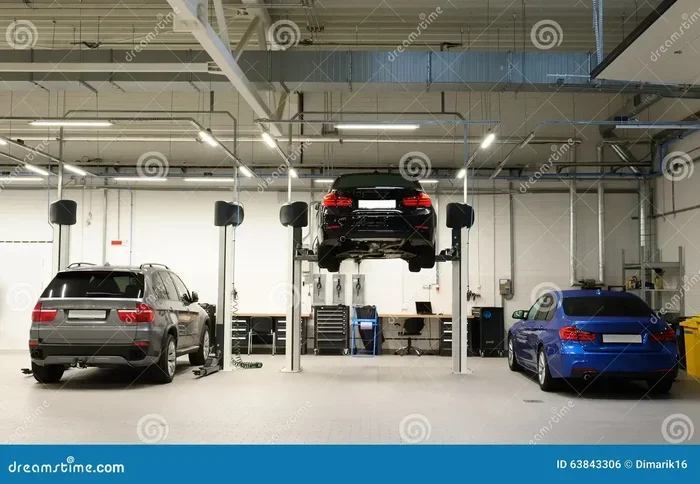
Independent repair shops are the backbone of the automotive industry. These are local businesses run by experienced mechanics who often specialize in specific car brands or types of repairs. They offer personalized service and usually charge less than dealerships.
One of the biggest advantages of an independent car repair shop is the relationship you build with the owner. They get to know your vehicle and your driving habits. They can spot potential problems before they become expensive repairs. Many independent shops also offer free estimates and honest advice you can trust.
The downside is quality can vary. Not every independent shop is created equal. Some may use outdated tools or lack certifications. This is why it is so important to read reviews, ask for recommendations, and check for ASE certification before choosing a shop.
Quick Tip: Look for shops that offer a warranty on their work. A good shop stands behind its repairs with a written guarantee.
3. Chain Repair Centers
Places like Midas, Meineke, and Firestone are everywhere. They offer standardized services, upfront pricing, and a consistent experience no matter which location you visit. If you need a routine oil change or brake inspection, a chain center gets the job done quickly and efficiently.
Chain repair centers also tend to have modern equipment and trained technicians. Many of them use computer diagnostics to identify problems fast. Their pricing is usually transparent, with no hidden fees or surprise charges.
However, chain centers can feel impersonal. You are just another ticket in the queue. And for complex or unusual repairs, they may not have the specialized expertise you need. They are best suited for common maintenance tasks and straightforward repairs.
Quick Tip: Check for coupons and promotions. Chain centers often run discounts, especially for first-time customers or seasonal services like winter tire changes.
4. Mobile Mechanics
This is one of the fastest-growing options in the automotive world. A mobile mechanic comes to your home, office, or wherever you are parked. They bring all the tools and expertise right to your driveway. It is car repair without the hassle of driving to a shop.
Mobile mechanics are perfect for routine maintenance like oil changes, tire replacements, and battery swaps. They also handle minor repairs that do not require a full workshop. The convenience factor is hard to beat. You save time, you save gas, and you avoid waiting rooms.
On the other hand, mobile mechanics have limitations. They cannot do major engine work or complex diagnostics that need a full garage setup. Their services also tend to cost a bit more due to the travel factor. But for simple jobs, they are incredibly efficient.
Quick Tip: Search for mobile mechanics near you and read their online reviews carefully. Make sure they are licensed and insured before booking.
5. Dealership Service Centers
If you drive a newer car or a luxury vehicle, a dealership service center might be your best bet. These centers employ factory-trained technicians who know your specific make and model inside and out. They also have access to factory parts and the latest diagnostic software.
Dealerships are especially important if your car is still under warranty. Taking your vehicle to a non-dealer shop could void your warranty in some cases. The dealership ensures all work is done to the manufacturer’s exact standards.
The biggest downside is cost. Dealership labor rates are typically the highest in the industry. A simple oil change at a dealership can cost twice as much as at an independent shop. For older cars or routine maintenance, a dealership is often overkill.
Quick Tip: If your car is under warranty, check what services must be done at the dealership versus what you can handle elsewhere. This saves you money without risking your warranty.
6. Body Shops and Collision Centers
When your car has been in an accident, a body shop is where you go. These specialists handle dented panels, cracked windshields, frame damage, and paintwork. They restore your car’s exterior to its pre-accident condition.
Good body shops do more than just make things look pretty. They also repair structural damage that can affect your safety. A proper collision repair ensures your car handles correctly and protects you in a future crash.
Body shops can be expensive, especially for major accident damage. But many work directly with insurance companies, which can ease the financial burden. Always choose a shop that offers a lifetime warranty on their paint and bodywork.
Quick Tip: Get estimates from at least two body shops before committing. Prices can vary significantly, and you want to make sure you are getting fair value.
DIY vs Professional: Which Option Fits You?
This is one of the most common debates among car owners. The truth is, both options have their place. The right choice depends on your skills, your budget, and the type of repair you need.
When DIY Makes Sense
DIY car work is perfect for simple, routine maintenance. Oil changes, air filter replacements, windshield wiper swaps, and tire rotations are easy to learn and do at home. These tasks require basic tools and a little patience.
DIY also makes sense when you enjoy working with your hands. There is a real sense of accomplishment that comes from fixing your own car. You learn how your vehicle works, which helps you spot problems early and communicate better with mechanics.
But DIY is not always the smart choice. Complex repairs involving the engine, transmission, or electrical systems are best left to professionals. Getting these wrong can lead to costly damage and serious safety risks.
When to Call a Professional
If a repair involves safety-critical systems, go to a professional. Brake work, steering repairs, and suspension jobs all fall into this category. These systems keep you safe on the road, and mistakes can be deadly.
Also call a professional for any repair that requires special tools or diagnostic equipment. Modern cars are essentially computers on wheels. They need specialized software to diagnose problems accurately. A professional automotive repair shop has this equipment and the training to use it.
Finally, if you are short on time, a professional shop is the way to go. Most routine services take only an hour or two. You walk out with a repaired vehicle and no stress.
What to Look for in a Car Repair Shop
Not all repair shops are created equal. Finding a great one takes a little research, but the payoff is huge. Here is what to look for when choosing a place for your car servicing needs.
Certifications and Credentials
Look for ASE-certified technicians. ASE stands for the National Institute for Automotive Service Excellence. This certification proves a mechanic has passed rigorous tests and has real-world experience. Shops with ASE-certified staff are more likely to do quality work.
Also check if the shop is AAA-approved or accredited by the Better Business Bureau. These endorsements mean the shop meets high standards for customer service and technical competence.
Transparency and Communication
A good shop explains everything clearly. They show you the problem, explain the fix, and give you a written estimate before starting any work. They do not pressure you into unnecessary services or use confusing jargon to confuse you.
Communication is key. If a shop is vague or evasive about costs, that is a red flag. You deserve honesty and clarity every step of the way.
Warranty and Guarantees
Always ask about the shop’s warranty policy. A reputable repair shop stands behind its work with a written guarantee. This means if something goes wrong after the repair, they will fix it at no extra cost to you.
Warranties typically range from 12 months to 24 months or 12,000 miles to 24,000 miles. The longer and more comprehensive the warranty, the better it reflects the shop’s confidence in its work.
Setting Up a Home Garage for Car Work
If you are thinking about doing your own car work at home, setting up a proper workspace is the first step. You do not need a fancy garage to get started. But you do need the right setup for safety and efficiency.
Start with a solid work surface. A sturdy workbench or a clean, flat floor is essential. Make sure you have good lighting so you can see what you are doing clearly. A bright LED shop light makes a huge difference.
Next, invest in the basic tools. You will need a socket set, wrenches, screwdrivers, pliers, a torque wrench, and a floor jack with jack stands. Do not skip the jack stands. They are a critical safety item that prevents the car from falling on you.
Organization matters too. Keep your tools in a toolbox or on a pegboard so you can find them quickly. A clean workspace is a safe workspace. It also helps you work faster and avoid mistakes.
Quick Tip: Start with a small collection of quality tools rather than a cheap, oversized set. Better tools last longer and make the job easier. Brands like Craftsman, Snap-on, and Husky offer great options for home mechanics.
Emergency Situations: Where to Get Help Fast
Car problems do not always happen at convenient times. A flat tire on a highway, a dead battery at midnight, or an engine overheating in the middle of nowhere. These are stressful situations that need fast solutions.
This is where roadside assistance services come in. Companies like AAA, Allstate, and even some insurance providers offer 24/7 emergency help. They can send a tow truck, a mobile mechanic, or a roadside technician to your location within minutes.
Most roadside plans cover towing, battery jumps, flat tire changes, lockout services, and fuel delivery. The cost is usually a small monthly or annual fee that pays for itself the first time you need help.
Quick Tip: Keep a list of emergency contacts in your glove box. Include your roadside assistance number, a trusted local tow company, and your insurance provider’s claims hotline.
Comparison Table: Where to Work on Your Car
Here is a quick comparison of the main options for getting car work done. Use this table to decide which option fits your needs best.
| Option | Best For | Cost Level | Convenience |
|---|---|---|---|
| Home Garage | Simple DIY maintenance | Low | High (if you have tools) |
| Independent Shop | Complex repairs, personalized service | Medium | Medium |
| Chain Repair Center | Routine maintenance, quick service | Medium | High |
| Mobile Mechanic | Minor repairs, convenience | Medium-High | Very High |
| Dealership | Warranty work, luxury vehicles | High | Medium |
| Body Shop | Accident damage, paintwork | High | Medium |
| Roadside Assistance | Emergencies, breakdowns | Low (membership fee) | Very High |
As you can see, every option has its strengths. The best choice depends on what you need done, your budget, and how much time you have. Many car owners use a combination of these options. They do simple maintenance at home, take their car to an independent shop for bigger repairs, and rely on roadside assistance for emergencies.
How to Save Money on Car Repairs
Car repair does not have to drain your wallet. With a little planning and smart choices, you can keep your auto repair costs reasonable without sacrificing quality.
First, stay on top of routine maintenance. Oil changes, tire rotations, and fluid checks are cheap now but prevent expensive breakdowns later. A $50 oil change today can save you $2,000 in engine repairs tomorrow.
Second, get multiple estimates for any major repair. Prices can vary widely between shops for the same job. Shopping around takes a little time but can save you a lot of money.
Third, learn to do simple tasks yourself. Even if you are not a DIY expert, basic maintenance is within reach for most car owners. A YouTube tutorial and a $30 tool set can save you $100 or more per service.
Fourth, ask about payment plans. Many repair shops offer financing options for larger jobs. This spreads the cost out and makes expensive repairs more manageable.
Final Thoughts
Knowing where can I work on my car is one of the most valuable pieces of knowledge every car owner should have. The right choice depends on your specific situation, your budget, and the type of repair you need. Whether you prefer the independence of a home garage, the expertise of a professional shop, or the convenience of a mobile mechanic, there is an option that fits your needs.
The most important thing is to act quickly when something goes wrong. Ignoring car problems only makes them worse and more expensive. Take the time to find a trusted mechanic or set up your home workspace. Your car will thank you with better performance, fewer breakdowns, and a longer life on the road.
So do not wait until your next car problem to figure this out. Start exploring your options today. Build a relationship with a local shop, invest in basic tools, and download a roadside assistance app. Being prepared means you are never caught off guard. And that is the best feeling in the world when it comes to taking care of your car.
Remember, your car is one of your biggest investments. Treat it right, and it will take care of you for miles and miles to come. Happy wrenching!
Frequently Asked Questions
Can I work on my car in my driveway?
Yes, you can work on your car in your driveway as long as local laws allow it. Many neighborhoods permit driveway car repairs for personal vehicles. However, some areas have restrictions on loud noises, fluid spills, or commercial activity in residential zones. Always check your local regulations and HOA rules before starting any work outdoors.
How much does it cost to work on a car at a shop?
Car repair costs vary widely depending on the type of work needed. Simple services like oil changes typically cost between $30 and $75. More complex repairs like brake jobs or engine work can range from $200 to $1,000 or more. Always ask for a written estimate before any work begins so there are no surprises.
Is it cheaper to repair a car yourself?
DIY repairs can save you a significant amount of money, especially for routine maintenance. However, the savings depend on your skill level and the tools you already own. Mistakes during DIY repairs can end up costing more than professional work. Stick to simple jobs if you are new to car maintenance.
What is the difference between a mechanic and a body shop?
A mechanic focuses on the mechanical and electrical systems of your car, including the engine, brakes, and transmission. A body shop specializes in the exterior, handling dents, scratches, frame damage, and paintwork. For accident repairs, you usually need both a mechanic and a body shop working together.
How do I find a reliable mechanic near me?
Start by checking online reviews on Google, Yelp, or Facebook. Ask friends, family, and coworkers for personal recommendations. Look for ASE-certified technicians and shops that offer warranties on their work. A good mechanic communicates clearly and gives honest, upfront estimates.
What should I do if my car breaks down on the road?
First, pull over to a safe location away from traffic. Turn on your hazard lights. If you have roadside assistance, call them immediately. If not, contact a local towing company. Stay in your vehicle with your seatbelt on if you are on a highway, and wait for professional help to arrive.
=== CONCLUSION ===
Finding the right place to work on your car does not have to be overwhelming. You have plenty of great options, from your own home garage to professional repair shops, mobile mechanics, and emergency roadside services. Each option serves a different purpose and fits different needs. The key is understanding what you need and choosing accordingly. Take the time to explore your options, build a relationship with a trusted shop, and invest in basic tools for simple jobs. Your car will run better, last longer, and cost less to maintain. Start making smarter choices about your automotive repair today, and enjoy the confidence that comes with knowing your vehicle is in good hands.