Does the Check Engine Light Come On for Toyota Oil Change
The check engine light typically does NOT come on for a routine Toyota oil change. However, a loose oil cap, faulty sensor, or existing issue can trigger it. Understanding the difference between the Toyota maintenance reminder and the check engine light helps you respond correctly and avoid unnecessary worry.
You just got your Toyota oil changed, and you glance at the dashboard. There it is. The dreaded yellow engine-shaped light is staring back at you. Your heart sinks. Did the mechanic do something wrong? Is your Toyota engine in trouble? Before you panic, take a breath. Let us walk through exactly what is happening and what you should do next.
The short answer is that a routine Toyota oil change should not turn on the check engine light. But the real answer has some important nuances. Several things can cause this light to appear right after an oil change. Understanding these reasons helps you stay calm and take the right action. In this guide, we will break down every scenario you might face.
Whether you drive a Toyota Camry, a Toyota Corolla, or a Toyota RAV4, this information applies to you. We will cover the difference between the maintenance light and the check engine light. We will look at common causes. And we will show you exactly how to handle each situation. Let us get into it.
Key Takeaways
- A normal oil change should not trigger the check engine light on any Toyota model.
- A loose or improperly tightened oil cap is the most common reason the light appears after an oil change.
- The Toyota maintenance reminder light is different from the check engine light and serves a separate purpose.
- OBD-II codes stored before the oil change may illuminate after service, creating confusion.
- Resetting the maintenance light is a simple process you can do at home.
- Using the correct oil type, such as 5W-30 for most Toyotas, helps prevent oil-related warnings.
- Knowing when to seek professional help saves time and money when the light stays on after an oil change.
📑 Table of Contents
- Does the Check Engine Light Come on for a Toyota Oil Change?
- How Toyota Oil Change Reminders Work
- Common Causes of Check Engine Light After Oil Change
- How to Reset the Maintenance Light After an Oil Change
- When to Worry About the Check Engine Light After an Oil Change
- Tips to Prevent Check Engine Light Issues After Oil Changes
- Expert Insights on Toyota Dashboard Warning Lights
- Key Takeaways
Does the Check Engine Light Come on for a Toyota Oil Change?
Here is the direct answer. A standard Toyota oil change does not activate the check engine light. The check engine light is part of the onboard diagnostics system, known as OBD-II. It monitors engine performance, emissions, and critical sensor readings. An oil change is a maintenance task, not an engine performance event. So normally, nothing in the oil change process should set off this warning.
However, many Toyota owners report seeing the check engine light shortly after an oil change. This does not mean the oil change caused the problem. It usually means something else happened during or around the service. Let us explore the most common reasons this happens.
Why Does the Light Come on After an Oil Change?
Several factors can cause the check engine light to appear after your Toyota has been serviced. Here are the most common culprits.
1. Loose or Improperly Tightened Oil Cap
This is the number one reason the check engine light shows up after an oil change. The oil cap seals the engine oil system. If it is not tightened properly, it creates a small leak. This leak lets air into the system. The OBD-II system detects this as a problem and triggers the light. It sounds simple, but it happens more often than you think. A quick check of the oil level and cap tightness can often solve this immediately.
2. Pre-Existing Codes Were Not Cleared
Sometimes your Toyota already had a stored diagnostic trouble code before the oil change. The light might have been off, but the code was still saved in the system. After the oil change, certain conditions can cause that code to activate the light again. The mechanic may not have cleared the old codes during service. This is not their fault. It just happens.
3. Oil Pressure Sensor Issues
During an oil change, the technician may accidentally bump or disturb the oil pressure sensor. Toyota models use this sensor to monitor oil levels and pressure. If it gets jostled or not seated correctly, it sends a wrong signal to the computer. The computer then triggers the check engine light. This is more common with older Toyota models or vehicles with high mileage.
4. Wrong Oil Type Was Used
Toyota engines are designed for specific oil grades. Using the wrong viscosity oil can affect engine performance. For most Toyotas, 5W-30 oil is the recommended grade. If the wrong oil was used, it might not lubricate properly. The sensors detect this and may trigger the check engine light. Always confirm the correct oil type with your owner manual or a trusted mechanic.
5. Maintenance Reminder vs. Check Engine Light
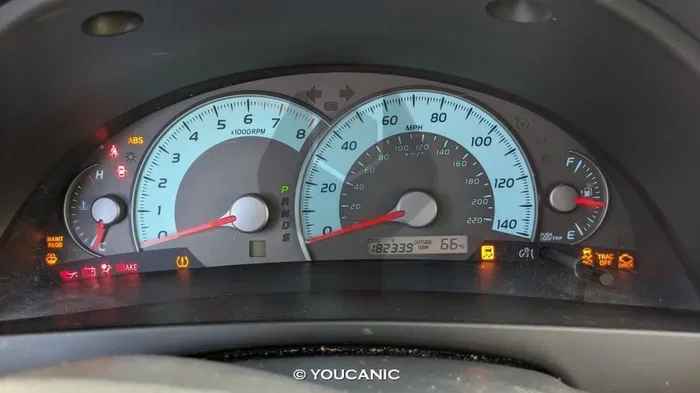
Many people confuse the Toyota maintenance reminder light with the check engine light. These are two completely different indicators. The maintenance light looks like a wrench or a service symbol. The check engine light looks like an engine outline. They serve different purposes. The maintenance light simply reminds you that it is time for an oil change or scheduled service. The check engine light signals a potential problem with the engine or emissions system.
For more details on what maintenance services include, check out does maintenance service include an oil change.
How Toyota Oil Change Reminders Work
Toyota vehicles come with a built-in maintenance reminder system. This system tracks your mileage and alerts you when it is time for an oil change. It is designed to keep your engine running smoothly. Understanding how this system works helps you avoid confusion with the check engine light.
The Maintenance Reminder Light
Toyota uses a simple mileage-based reminder. When you reach a certain interval, usually every 5,000 to 10,000 miles, the dashboard displays a maintenance message. This is not a warning. It is just a friendly nudge. The light typically goes away once you reset it after the oil change. If you do not reset it, it will stay on until the next service interval.
The Check Engine Light
The check engine light is part of the emissions and diagnostic system. It monitors real-time engine data. When something is off, the system stores a code and lights up the dashboard. This light should never be ignored. If it stays on, it means the car’s computer has detected an issue that needs attention. Unlike the maintenance reminder, the check engine light indicates a potential problem.
Understanding this difference is crucial. Many Toyota owners see a light after an oil change and assume the worst. In most cases, it is either a loose oil cap or a simple reset issue. But knowing which light you are looking at helps you respond appropriately.
Common Causes of Check Engine Light After Oil Change
Let us break down the specific reasons the check engine light might show up after your Toyota oil change. Each cause has a clear solution.
Loose Oil Cap
A loose oil cap is the simplest and most common cause. The oil cap seals the crankcase. It maintains proper pressure inside the engine. When the cap is loose or not threaded correctly, air leaks in. The OBD-II system detects this vacuum leak. It then stores a code and turns on the check engine light. The fix is easy. Just tighten the cap until it clicks. Drive for a few miles. The light should turn off on its own within a day or two.
Oil Change Indicator Not Reset
After an oil change, the maintenance indicator needs to be reset. If the technician forgets to do this, the light stays on. This is not the check engine light. It is the service reminder. The process to reset it varies by Toyota model. Most newer Toyotas allow you to reset it through the steering wheel controls. Older models may require a specific button sequence on the dashboard. If you are unsure, your owner manual has step-by-step instructions.
Faulty Oil Pressure Sensor
The oil pressure sensor tells your Toyota’s computer how much oil pressure is in the system. During an oil change, the sensor can get bumped or not reseated properly. When this happens, it sends incorrect readings. The computer interprets these readings as a problem and turns on the light. This issue is more common in higher-mileage Toyotas where sensors wear over time. A quick inspection of the sensor connection usually reveals the problem.
Using the Wrong Oil
Toyota engines are engineered for specific oil formulations. Most Toyotas perform best with synthetic or synthetic blend oil. Using conventional oil or the wrong viscosity can affect engine operation. The sensors monitor oil pressure and flow. If the oil is too thick or too thin, the readings fall outside normal range. The check engine light may come on as a result. Always confirm the recommended oil grade for your specific Toyota model before the service.
For guidance on oil change frequency and whether synthetic oil needs regular changes, visit does synthetic oil need to be changed every 5.
Existing Diagnostic Codes
Sometimes the check engine light was already going to come on. The oil change just happened to coincide with it. Your Toyota may have had a pending code stored before the service. A pending code means the computer detected a minor issue but it was not serious enough to light up the dashboard yet. After the oil change, engine conditions change slightly. This can cause the pending code to become active. The light then appears, making it look like the oil change caused the problem.
How to Reset the Maintenance Light After an Oil Change
Resetting the maintenance light is a simple process. It ensures your dashboard stays clean and accurate. Here is how to do it for most Toyota models.
- Turn the ignition to the ON position. Do not start the engine. Just press the start button without pressing the brake pedal.
- Press the trip meter reset button. Hold it until the maintenance light begins to flash.
- Turn the ignition OFF. Then turn it back to ON while still holding the button.
- Release the button. The maintenance light should now be off.
- Start the engine. Confirm the light has been reset successfully.
If this process does not work for your specific Toyota model, consult the owner manual. Some newer Toyotas with touchscreen displays have a different reset procedure. You can find it in the vehicle settings menu under maintenance or service.
Keep in mind that resetting the maintenance light does not reset the check engine light. If the check engine light is on, you need to address the underlying issue first. Simply resetting it without fixing the problem will not work. The light will return.
For tips on how to reset codes, you can also read about does unplugging a car battery reset codes as an alternative method.
When to Worry About the Check Engine Light After an Oil Change
Most of the time, the check engine light after an oil change is nothing serious. But there are situations where you should pay attention. Here is how to tell the difference between a minor issue and something that needs immediate care.
When It Is Probably Fine
- The light comes on right after the oil change and goes off within a day or two.
- The oil cap was loose or not tightened properly.
- The maintenance reminder light is on, not the check engine light.
- Your Toyota drives normally with no strange sounds or behavior.
- The light flickers occasionally and then turns off.
When You Should See a Mechanic
- The check engine light stays on for more than three days after the oil change.
- You notice unusual engine noises like knocking or ticking.
- Your Toyota shows reduced power or rough idling.
- The oil pressure warning light also appears on the dashboard.
- You see dark or dirty oil on the dipstick after the service.
- The check engine light flashes instead of staying solid.
A flashing check engine light is a serious warning. It usually indicates a misfire or a condition that could damage the catalytic converter. Pull over safely and get your Toyota towed to a mechanic if the light flashes.
Tips to Prevent Check Engine Light Issues After Oil Changes
Prevention is always better than cure. Here are simple tips to keep the check engine light off after your next Toyota oil change.
- Always double-check the oil cap after the service is complete. Make sure it clicks into place.
- Confirm the correct oil type with your mechanic before they begin. Use the grade recommended in your owner manual.
- Ask the mechanic to clear any stored codes before you leave the shop.
- Request a maintenance reminder reset if it is not done automatically.
- Keep your maintenance records handy. They help track service intervals and identify recurring issues.
- Monitor your dashboard for the first 48 hours after any service. Catch problems early.
Expert Insights on Toyota Dashboard Warning Lights
Automotive experts agree that the check engine light after an oil change is usually a false alarm. The most common cause is a loose oil cap. The second most common cause is an unreset maintenance reminder. Both are quick and easy fixes that do not require expensive repairs.
Experienced Toyota technicians recommend staying calm when the light appears. Check the oil cap first. If it is tight, drive for a day and see if the light goes away. If it does not, have the codes read at an auto parts store. Most stores offer free code scanning. This tells you exactly what the computer is detecting.
Remember that the check engine light is a diagnostic tool. It is designed to help you catch problems early. It is not meant to scare you. Understanding what triggers it and why it comes on after routine service like an oil change gives you confidence as a Toyota owner.
Key Takeaways
- A routine Toyota oil change should not trigger the check engine light.
- A loose oil cap is the most common cause of the light appearing after service.
- The maintenance reminder light and the check engine light are different. Do not confuse them.
- Resetting the maintenance light is simple and can be done at home in minutes.
- Using the correct oil type for your Toyota model prevents unnecessary warnings.
- Pre-existing diagnostic codes may activate after an oil change, creating confusion.
- Know when to seek professional help. A persistent or flashing check engine light needs immediate attention.
Frequently Asked Questions
Can an oil change cause the check engine light to come on in a Toyota?
A routine oil change should not cause the check engine light to come on. However, if the oil cap is left loose or not tightened properly, it can trigger the light. The OBD-II system detects the vacuum leak and illuminates the warning. Tightening the cap usually resolves this issue quickly.
What is the difference between the Toyota maintenance light and the check engine light?
The maintenance light looks like a wrench and reminds you that service is due. The check engine light looks like an engine outline and signals a potential problem with the engine or emissions system. The maintenance light is not a warning. The check engine light is.
How long does the check engine light stay on after an oil change?
If the light was caused by a loose oil cap, it should turn off within one to two days of driving. If the cap was the issue and you tighten it, the light will clear after a few drive cycles. If it stays on longer than three days, you should have the codes scanned to identify the real cause.
Should I be worried if the check engine light comes on right after getting my Toyota oil changed?
You should not panic. In most cases, the cause is minor and easily fixed. Start by checking the oil cap. If it is tight and the light persists, visit an auto parts store for a free code reading. Most of the time, the issue is a simple reset or a loose connection, not a serious engine problem.
How do I reset the maintenance light after an oil change on my Toyota?
Turn the ignition to ON without starting the engine. Press and hold the trip meter reset button. Turn the ignition OFF and then back to ON while holding the button. Release the button when the maintenance light starts to flash. The light should now be off. Refer to your owner manual for model-specific instructions.
Can using the wrong oil in my Toyota trigger the check engine light?
Yes, using the wrong oil viscosity can affect oil pressure and flow readings. The sensors detect abnormal readings and may trigger the check engine light. Always use the oil grade recommended for your Toyota model, which is typically 0W-20 or 5W-30 depending on the engine.
=== CONCLUSION ===
The check engine light coming on after a Toyota oil change is more common than you might think. The good news is that it is almost always a minor issue. A loose oil cap, an unreset maintenance reminder, or a pre-existing diagnostic code are the usual suspects. None of these require expensive repairs. Understanding the difference between the maintenance light and the check engine light puts you in control. You can respond calmly and correctly instead of panicking.
Always double-check the oil cap after service. Confirm the right oil type was used. Reset your maintenance reminder if needed. And if the light stays on, do not ignore it. Get the codes read and address the root cause. Taking these simple steps keeps your Toyota running smoothly and your dashboard worry-free.
Regular oil changes are one of the best things you can do for your Toyota. They extend engine life, improve fuel efficiency, and prevent costly repairs down the road. Do not let a simple dashboard light discourage you from staying on top of your maintenance schedule. Your Toyota will thank you for it.