How Do I Manually Reset My TPMS Sensor Step By Step
Manually resetting your TPMS sensor is easier than most drivers think. This guide shows you exactly how to reset the tire pressure monitoring system in just a few simple steps. Whether you just rotated your tires or replaced a sensor, you will learn the TPMS reset procedure to get that warning light off your dashboard quickly and safely.
That little horseshoe-shaped light on your dashboard with an exclamation point in the middle can be really annoying. It means your tire pressure monitoring system has detected something is off. Maybe you just rotated your tires. Maybe the weather dropped and the air in your tires contracted. Or maybe one of your tire pressure sensors is starting to fail.
Whatever the reason, you do not need to panic. Most of the time, a manual TPMS reset will take care of the problem in just a few minutes. You do not need expensive tools. You do not need to visit a dealer. And you definitely do not need to ignore the light and hope it goes away on its own. In this guide, we walk you through the entire process step by step.
By the time you finish reading, you will know exactly how to reset your TPMS sensor the right way. We will cover every method, every common mistake, and every situation where a professional might be the better call. Let us get started.
Key Takeaways
- Know your reset method: Most vehicles use either a dashboard button, a steering wheel control, or a manual relearn procedure to reset the TPMS.
- Check tire pressure first: Always verify all tires are at the correct PSI before attempting any reset to avoid repeated warnings.
- Drive after resetting: Many TPMS systems require you to drive at a specific speed for a set distance to complete the relearn process.
- Battery matters: A dying TPMS sensor battery is a common cause of persistent warning lights and may need replacement.
- Professional help is an option: If the manual reset does not work, a dealer or tire shop can perform a diagnostic scan or reprogram the sensors.
📑 Table of Contents
- What Is a TPMS Sensor and Why Does It Reset?
- How to Find Your TPMS Reset Method
- Step-by-Step Manual TPMS Reset Guide
- Common TPMS Reset Problems and How to Fix Them
- TPMS Sensor Battery Replacement Tips
- When to See a Professional
- How to Prevent TPMS Issues in the Future
- Frequently Asked Questions
- Conclusion
What Is a TPMS Sensor and Why Does It Reset?
The tire pressure monitoring system is a safety feature in modern vehicles. It uses small sensors inside each tire to measure the air pressure. When the pressure drops below a certain level, the system sends a signal to your car’s computer. Then the warning light pops up on your dashboard.
There are two types of TPMS systems. Direct TPMS uses physical sensors mounted inside the tire. These sensors send real-time pressure readings to the car. Indirect TPMS uses the wheel speed sensors from your anti-lock brake system. It detects when a tire is rolling faster than the others, which happens when it is underinflated.
You need to reset the system after several common events. A tire rotation is the number one reason. When you move tires from one position to another, the sensors need to relearn their new positions. A tire change or repair also triggers the need for a reset. Even a drop in outdoor temperature can cause the light to come on and stay on.
When Should You Reset Your TPMS?
You should consider a TPMS reset in these situations:
- After rotating your tires
- After replacing or repairing a tire
- After adding air to a tire that was low
- When the weather changes dramatically
- After replacing a TPMS sensor battery
- When the light stays on even though your tires are fine
How to Find Your TPMS Reset Method
Every vehicle is a little different. The reset method depends on your car’s make, model, and year. Before you do anything, check your owner’s manual. It will tell you exactly which method your car uses. Here are the three most common ways to perform a manual TPMS reset.
Method 1: The Dashboard Button
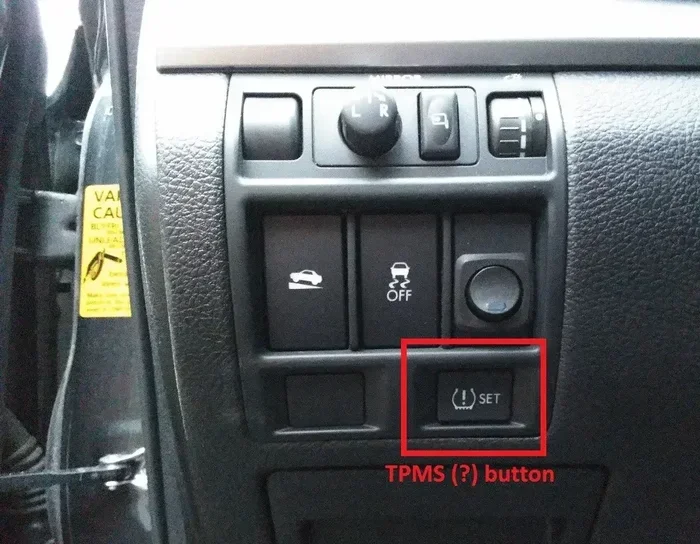
Many cars have a dedicated TPMS reset button. You can usually find it below the steering wheel on the left side of the dashboard. It might also be located in the glove box or near the center console. The button often has a symbol that looks like a tire with an exclamation point.
To use this method, start by making sure all your tires are inflated to the recommended PSI. You can find this number on a sticker inside the driver’s door frame. Then turn the ignition to the “on” position without starting the engine. Press and hold the reset button until the TPMS light blinks three times. Release the button and start the engine. The light should turn off.
Drive your car for about 20 minutes at speeds above 30 mph. This allows the system to complete its TPMS relearn procedure. The light should stay off after the drive cycle is complete.
Method 2: The Steering Wheel Controls
Some newer vehicles use the steering wheel controls to access the TPMS reset function. This is common in Toyota, Honda, and Ford models. You will find the reset option inside the vehicle settings menu on the infotainment screen.
Here is how it typically works. Navigate to the vehicle settings menu. Look for a section called “Vehicle Maintenance” or “Tire Pressure.” Select the option to reset the TPMS. Confirm your choice. The system will begin the relearn process. Drive the car for the recommended distance, and the light should turn off automatically.
Method 3: The Fuse or Scanner Method
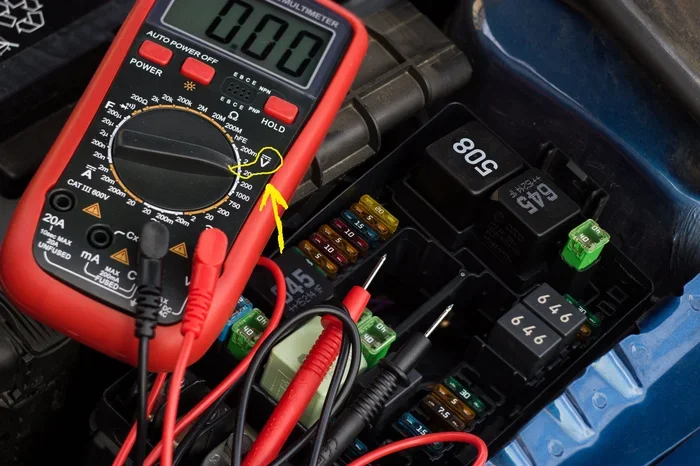
In some older or less common vehicles, there is no dedicated reset button or menu option. In these cases, you may need to locate the TPMS fuse and remove it for a few seconds. Reinsert the fuse, and the system will reset. However, this method varies widely by vehicle.
Another option is to use an OBD-II scanner. You can plug the scanner into the diagnostic port under your dashboard. The scanner can communicate with the car’s computer to reset the TPMS light. This method is especially helpful if the light is flashing instead of staying solid. A flashing light often indicates a more serious TPMS malfunction that needs immediate attention.
Step-by-Step Manual TPMS Reset Guide
Now that you know the three main methods, let us walk through the actual process. Follow these steps carefully for the best results.
Step 1: Check Your Tire Pressure
This is the most important step and the one most people skip. Use a tire pressure gauge to check every tire, including the spare. Compare the readings to the recommended PSI listed on your door sticker or owner’s manual. Inflate any tires that are low before you attempt the reset.
Do not rely on the visual check. Tires can lose a significant amount of air without looking flat. Even a difference of a few PSI can trigger the warning light.
Step 2: Locate the Reset Button or Menu
Find your vehicle’s reset method based on the information above. If you are using a button, make sure you know exactly where it is. If you are using the infotainment menu, have the manual handy for navigation steps.
Step 3: Perform the Reset
Follow the specific steps for your method. Hold the button for the right amount of time. Navigate to the correct menu option. Confirm the reset when prompted.
Quick Tip: If the light does not turn off after the reset, try turning the car off and back on again. Sometimes the system needs a full restart to recognize the reset.
Step 4: Drive to Complete the Relearn
After the reset, you need to drive the car. Most systems require driving at 30 mph or faster for 10 to 20 minutes. This allows the sensors to communicate with the car’s computer and complete the TPMS relearn procedure.
Some vehicles will display a message on the dashboard confirming the relearn is complete. Others simply turn off the warning light. Either way, the process is done.
Step 5: Verify the Reset Worked
After your drive cycle, check the dashboard. The TPMS light should be off. If it comes back on within a few days, there may be a deeper issue. A sensor could be failing. A tire could have a slow leak. Or the TPMS sensor battery might be dying.
Common TPMS Reset Problems and How to Fix Them
Sometimes the reset process does not go smoothly. Here are the most common problems drivers face and how to solve them.
The Light Comes Back After Resetting
If the TPMS light returns shortly after a reset, the most likely cause is an actual pressure issue. One or more tires may have a slow leak. Check all tires again with a gauge. Look for visible damage like nails or screws embedded in the tread. A small puncture can cause a tire to lose air gradually over several days.
Another common cause is a temperature change. Cold weather causes the air inside tires to contract, which lowers the pressure. If you reset the system in warm weather and then drive into cold conditions, the light may come back. Simply add air to bring the pressure back up and reset again.
The Reset Button Does Not Work
If pressing the reset button does nothing, try these troubleshooting steps. Make sure the ignition is in the “on” position. Some cars require the engine to be running. Check that you are holding the button long enough. Most systems require you to hold it for 3 to 5 seconds until the light blinks.
If the button still does not work, the issue could be a blown fuse or a faulty sensor. In this case, you may want to visit a tire shop or dealership. They can run a diagnostic scan to identify the problem. You can also check whether you can reset your own TPMS sensor using an aftermarket tool if the factory method fails.
The TPMS Light Is Flashing Instead of Solid
A flashing TPMS light is different from a solid one. A solid light usually means the pressure is low. A flashing light typically indicates a malfunction in the TPMS system itself. This could mean a sensor is not communicating properly, a sensor battery is dead, or there is an electrical issue.
Do not ignore a flashing light. Drive to a service center as soon as possible. A malfunctioning TPMS means your car cannot properly monitor tire pressure, which is a safety concern.
TPMS Sensor Battery Replacement Tips
Every TPMS sensor has a small battery inside. These batteries typically last between 5 and 10 years. When the battery dies, the sensor stops sending signals. The TPMS light will come on and usually stay on no matter how many times you reset it.
You can replace the sensor battery yourself if you have basic mechanical skills. The sensor is mounted inside the tire, attached to the valve stem. You will need a special tool to remove and reinstall the sensor. You can also purchase replacement sensors pre-programmed for your vehicle.
Many tire shops and dealerships offer battery replacement services. The cost is usually between 50 and 100 dollars per sensor. If you are near the end of the sensor’s lifespan, replacing the entire sensor is often more practical than replacing just the battery.
When to See a Professional
There are times when a manual TPMS reset is not enough. You should seek professional help if:
- The TPMS light stays on after multiple reset attempts
- The light is flashing instead of staying solid
- One or more sensors are not registering on the diagnostic scan
- You have replaced a sensor but the light still does not turn off
- Your vehicle requires a special TPMS programming tool
Dealerships and tire shops have advanced diagnostic equipment that can identify exactly which sensor is failing. They can also reprogram sensors after replacement and perform a full TPMS system diagnostic. This is especially important if you have recently reset your oil change light or performed other maintenance and the TPMS light appeared afterward.
Keep in mind that some vehicles require a TPMS programming tool to register new sensors after replacement. This is common in newer models from manufacturers like Ford, GM, and Chrysler. A professional will have the right tool and the software updates needed to complete the job correctly.
How to Prevent TPMS Issues in the Future
The best way to avoid frequent TPMS resets is regular tire maintenance. Here are some simple habits that keep your system running smoothly:
- Check your tire pressure at least once a month
- Always inflate tires to the manufacturer’s recommended PSI
- Replace TPMS sensor batteries before they die completely
- Reset the system after every tire rotation or tire change
- Keep a tire pressure gauge in your glove box
- Address slow leaks promptly before they trigger the warning light
These small habits take just a few minutes each month. They can save you from annoying dashboard lights and unexpected trips to the repair shop. Plus, properly inflated tires last longer and improve your fuel economy.
Frequently Asked Questions
How long does a TPMS reset take?
A manual TPMS reset usually takes about 5 minutes. The driving portion to complete the relearn process takes an additional 10 to 20 minutes. So the entire process from start to finish typically takes less than half an hour.
Can I drive with the TPMS light on?
You can drive with the TPMS light on, but you should not. The light means your tire pressure is either too low or too high. Driving on improperly inflated tires reduces fuel efficiency, causes uneven tire wear, and can lead to a blowout. Check your tire pressure as soon as possible and address the issue.
How much does it cost to reset a TPMS sensor?
A manual reset costs nothing if you do it yourself. If you visit a dealership or tire shop for a professional reset, the cost is usually between 20 and 50 dollars. However, if a sensor battery or sensor needs replacement, the cost goes up significantly.
Why does my TPMS light come back after I reset it?
The most common reason is an actual tire pressure problem. One or more tires may have a slow leak. Temperature changes can also cause the light to return. If the light keeps coming back after multiple resets, a TPMS sensor may be failing and need replacement.
Do I need special tools to reset my TPMS?
Most vehicles allow you to reset the TPMS without any special tools. You just need the reset button or access to the infotainment menu. However, some newer vehicles require a TPMS programming tool for sensor replacement. In those cases, a professional with the right equipment is the best option.
How often should I reset my TPMS sensor?
You should reset your TPMS sensor after every tire rotation, tire change, or tire repair. You should also reset it after adding air to a tire that was significantly low. If you never rotate your tires, at least check the pressure monthly and reset the system whenever the light comes on.
Conclusion
Resetting your TPMS sensor manually is a skill every driver should have. It saves time, money, and the hassle of sitting in a waiting room at the dealership. With the right method for your vehicle, you can turn off that annoying warning light in minutes.
Always start by checking your tire pressure. Make sure every tire is at the correct PSI before you reset the system. Then follow the reset steps for your specific vehicle. Drive the required distance to complete the relearn process. And verify that the light stays off.
If the light keeps coming back, do not ignore it. There is likely an underlying issue that needs attention. Whether it is a slow leak, a dying sensor battery, or a malfunctioning system, addressing the root cause keeps you safe on the road.
Regular tire maintenance and timely TPMS resets go hand in hand. Stay on top of your tire pressure, and your tire pressure monitoring system will keep working the way it should. You will enjoy better fuel economy, longer tire life, and peace of mind every time you hit the road.