The History of Auto Tint and Its Evolution Over Time
The history of auto tint is a fascinating journey from simple dyed films to advanced ceramic technology. Early car owners sought ways to reduce glare and heat, leading to the development of automotive window tinting that has evolved dramatically. Today, modern auto tint offers superior UV protection, heat rejection, and privacy, transforming the driving experience.
Every time you slide into a car with auto tint, you enjoy a legacy that stretches back decades. The story of car window tint is one of innovation, safety, and style. What started as a simple way to cut glare has transformed into a high-tech solution for heat, UV rays, and privacy.
Today, automotive tinting is a multi-billion-dollar industry. Drivers choose window film for comfort, protection, and aesthetics. But how did we get here? The evolution of auto tint mirrors the broader story of automotive technology.
In this article, we will explore the complete history of auto tint. You will learn about early dyed films, metalized layers, and the ceramic revolution. We will also cover tint laws, modern benefits, and what the future holds for tinted windows.
Key Takeaways
- Auto tint began as simple dyed films: Early window tinting was basic, offering glare reduction but fading quickly.
- Metalized and hybrid films improved durability: These added heat rejection and strength, but could interfere with signals.
- Ceramic and carbon tints revolutionized the industry: They provide superior heat rejection, UV protection, and clarity without signal interference.
- Tint laws vary by region: Visible Light Transmission (VLT) limits ensure safety and compliance.
- Modern auto tint offers multiple benefits: From UV protection to interior preservation and privacy.
- The future includes smart tint technology: Electrochromic glass can change tint on demand.
📑 Table of Contents
The Early Days of Auto Tint
People have always wanted to control light inside their cars. In the early 20th century, drivers rolled down windows to let in fresh air. But that meant glare, heat, and UV exposure. The first solutions were simple and crude.
Early car owners used homemade methods. Some hung cloth or cardboard on the inside of windows. Others tried spraying a thin dye onto the glass. These methods blocked some light, but they looked messy. They also peeled off quickly. The need for a better product was clear.
Why Drivers First Sought Window Film
Sun glare was a major safety issue. Drivers needed to see the road clearly. Heat buildup made long trips uncomfortable. UV rays also faded dashboards and seats. People wanted a way to reduce all of these problems without blocking their view entirely.
In the 1930s and 1940s, a few companies began experimenting with sun control film. These early films were thin sheets of tinted plastic. They stuck to the glass with adhesive. The goal was simple: heat rejection and glare reduction. But the materials were basic. They offered little UV protection and faded fast.
The First Commercial Tinting Methods
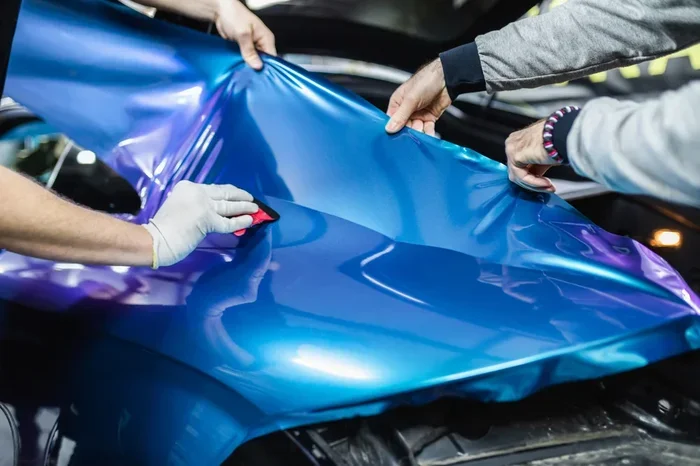
The first commercial auto tint products appeared in the 1950s. They were dyed films applied to the inside of car windows. A technician would cut the film to fit each window. Then they would squeeze out air bubbles with a squeegee.
These early films used simple dyes mixed into a plastic base. The dye absorbed sunlight. This reduced the amount of light entering the car. However, the dye also trapped heat. Over time, the sun broke down the dye. The film would bubble, peel, or turn purple. Still, drivers loved the look and feel of tinted windows.
- Dyed film was affordable and easy to install.
- It offered basic glare reduction and privacy.
- It did not block much heat or UV rays.
- The film faded and bubbled within a few years.
The Rise of Dyed and Metalized Films
By the 1970s and 1980s, automotive tinting technology improved. Manufacturers added metals to the film. This created a new category of window film. Metalized films used tiny particles of aluminum or silver. These particles reflected heat away from the car.
Metalized tint looked sleek. It was more durable than dyed film. It also provided better heat rejection. But there was a downside. The metal layer could block radio and cell phone signals. Some drivers lost their GPS or music reception. Still, the popularity of auto tint grew rapidly.
How Dyed Tint Worked (and Its Flaws)
Dyed film worked by absorbing light energy. The dye molecules captured sunlight and converted it to small amounts of heat. Some of that heat escaped through the glass. But much of it stayed inside the car. This is why old dyed tint often felt hot.
Dyed film also had a low total solar energy rejected (TSER) rating. It blocked visible light but let in infrared heat. Over time, the dye broke down from UV exposure. The film turned a blotchy purple or brown. Bubbles formed as the adhesive weakened.
Metalized Tint: A Step Forward
Metalized film changed the game. It used a thin layer of metal particles suspended in the film. This layer reflected solar energy instead of absorbing it. The result was better heat rejection and a shiny, mirror-like look.
Metalized tint was stronger than dyed film. It did not fade or bubble as easily. It also offered some signal interference because the metal blocked radio waves. Still, many drivers preferred it for its durability and performance.
Quick Tips for Early Tint Care
If you have an older car with original dyed film, here are some tips:
- Avoid harsh cleaners. They can strip the dye faster.
- Use a soft cloth and mild soap.
- Park in the shade when possible. This reduces UV damage.
- Replace the film if it bubbles or peels. Old tint looks bad and works poorly.
The Ceramic and Carbon Revolution
The biggest leap in auto tint history came with ceramic and carbon technology. These films use advanced nanoparticles to block heat without metal. They offer the best of both worlds: high performance and no signal interference.
Today, most quality automotive tinting uses ceramic or carbon particles. These films are clear, durable, and highly effective. They have transformed the way drivers think about window film.
What Makes Ceramic Tint Superior
Ceramic tint contains tiny ceramic particles. These particles are non-conductive. They do not block radio, cell, or GPS signals. This makes them ideal for modern cars with many electronic systems.
Ceramic film also has a high infrared rejection rate. It blocks a large portion of the sun’s heat. At the same time, it allows visible light to pass through. This means you get heat rejection without making the car too dark. Ceramic tint also provides excellent UV protection. It blocks up to 99 percent of harmful UV rays.
Carbon Tint: A Metal-Free Alternative
Carbon tint uses carbon particles instead of metal. It has a matte black finish that looks sleek. Carbon film does not fade over time. It remains dark and rich for years.
Carbon tint also offers strong heat rejection. It blocks infrared light effectively. Like ceramic, it does not interfere with signals. Many drivers choose carbon tint for its balance of style and performance.
Expert Insights: Ceramic vs. Carbon
Both ceramic and carbon films are excellent choices. Ceramic tint usually has a slightly higher heat rejection rate. Carbon tint is often more affordable. The best choice depends on your needs and budget. A professional installer can help you compare the options.
| Tint Type | Heat Rejection | Signal Interference | Fade Resistance | Price Range |
|---|---|---|---|---|
| Dyed Film | Low | None | Poor | Low |
| Metalized Film | Medium-High | Yes | Good | Medium |
| Ceramic Film | Very High | None | Excellent | High |
| Carbon Film | High | None | Excellent | Medium-High |
Tint Laws and Regulations: A Global Perspective
As auto tint became popular, governments stepped in. Every region has its own rules about how dark tint can be. These laws focus on safety. Tint that is too dark can reduce visibility at night. It can also make it harder for police to see inside a vehicle.
Most countries and states measure tint darkness using Visible Light Transmission (VLT). VLT is the percentage of light that passes through the glass and film. A higher VLT means a lighter tint. A lower VLT means a darker tint.
Understanding VLT and Legal Limits
In the United States, front side windows usually must have a VLT of 70 percent or higher. Rear windows can often be darker. Some states allow 50 percent VLT on the rear. Others allow 35 percent or even 20 percent. The rules vary widely.
In Europe, many countries require at least 70 percent VLT on the front windshield and front side windows. In Australia, the rules differ by state. In the Middle East, darker tints are more common and often legal. Always check your local legal tint laws before applying film.
Common Mistakes: Ignoring Local Tint Laws
Many drivers make the mistake of buying the darkest film they can find. They assume it will look cool and stay legal. But dark tint can lead to fines. It can also fail a vehicle inspection.
Another common mistake is choosing a film with poor quality. Cheap dyed films fade quickly. They can also bubble and peel. This creates an ugly look and reduces safety. Always choose a reputable brand and a certified installer.
Modern Auto Tint Benefits You Can Feel
Today’s auto tint does much more than make your car look good. It offers real, practical benefits that improve every drive. From protecting your health to preserving your car’s interior, modern window film is a smart investment.
Heat Rejection and UV Protection
One of the top reasons people choose automotive tinting is heat rejection. A good ceramic tint can block up to 80 percent of solar heat. This keeps the cabin cooler on hot days. It also reduces the need for air conditioning. That can improve fuel efficiency.
UV protection is another major benefit. Harmful UV rays can cause skin damage. They also fade your dashboard, seats, and carpet. Quality window film blocks 99 percent of UV rays. This helps keep your car’s interior looking new for years.
Privacy, Safety, and Interior Protection
Privacy tint gives you a sense of security. It makes it harder for people outside to see into your car. This is especially useful when you park in busy areas. It can also protect valuables from view.
In the event of an accident, tinted windows can offer extra safety. The film holds shattered glass together. This reduces the risk of injuries from flying glass shards. Many auto tint products are designed with safety in mind.
Key Takeaways: Why Tint Matters Today
- Heat rejection keeps you cooler and saves fuel.
- UV protection shields your skin and your car’s interior.
- Privacy tint adds a layer of security.
- Safety film helps hold broken glass in place.
- Modern ceramic and carbon films offer the best performance without signal issues.
The Future of Auto Tint
The story of auto tint is not finished. New technologies are emerging every year. The next generation of window film promises even greater comfort and convenience. The future of automotive tinting is bright.
Smart Tint and Electrochromic Glass
One exciting development is smart tint. This technology uses electrochromic glass. The tint can change darkness with the push of a button or an app. You can go from clear to dark in seconds.
Some luxury cars already offer electrochromic rear windows. These windows tint automatically based on sunlight. The technology is still expensive. But it is becoming more accessible. In the future, every car might have smart tinted windows.
Sustainability and Eco-Friendly Films
Another trend is sustainability. Many auto tint manufacturers now use eco-friendly materials. Some films are recyclable. Others are made with fewer chemicals. This reduces the environmental impact of automotive tinting.
By blocking heat, window film also reduces the need for air conditioning. This can lower fuel consumption and emissions. In a world focused on climate change, sun control film plays a small but important role.
The history of auto tint shows how far we have come. From simple dyed sheets to advanced ceramic nanoparticles, the journey has been remarkable. Today, automotive tinting offers comfort, safety, and style. It is a small upgrade that makes a big difference. Whether you want heat rejection, UV protection, or a sleek look, there is a window film for you. The future of tinted windows is exciting, and it is already here.
Frequently Asked Questions
What is auto tint made of?
Auto tint is made of multiple layers. A typical film has a scratch-resistant coating, an adhesive layer, and a tinting layer. The tinting layer can be dyed, metalized, ceramic, or carbon. Each material offers different levels of heat rejection and clarity.
Is ceramic tint better than carbon tint?
Both are excellent. Ceramic tint usually has a higher heat rejection rate and is clearer. Carbon tint has a matte black finish and is often more affordable. The best choice depends on your budget and priorities. A professional can help you decide.
Will auto tint interfere with my phone signal?
Metalized tint can block radio and cell signals. Ceramic and carbon tints do not contain metal, so they will not interfere with your GPS, phone, or radio. Always ask for signal-friendly film if you rely on electronic devices.
How long does auto tint last?
High-quality window film can last 10 to 15 years or more. Dyed films may fade or bubble after 3 to 5 years. Ceramic and carbon films are much more durable. Proper care and professional installation also extend the lifespan.
Can I tint my own car with a DIY kit?
Yes, DIY auto tint kits are available. They are a budget-friendly option. However, professional installation ensures a bubble-free, precise fit. It also helps you choose the right film for your needs and local legal tint laws.
Are there different shades of auto tint?
Yes, tint shades range from light to very dark. The shade is measured by Visible Light Transmission (VLT). Lighter tints (70% VLT) are often legal for front windows. Darker tints (5% VLT) are common for rear windows. Always check your local regulations before choosing a shade.