How Do I Turn Off the Check Engine Light on My Toyota
Turning off the check engine light on your Toyota starts with understanding what triggered it in the first place. Whether it is a loose gas cap, a faulty oxygen sensor, or something more serious, this guide walks you through every step. You will learn how to diagnose the problem, reset the light yourself, and know exactly when to visit a mechanic. We also share tips to prevent the light from coming back and keep your Toyota running smoothly.
There is nothing quite like the sinking feeling when a yellow or orange light pops up on your Toyota dashboard. The check engine light is one of the most dreaded warning signs for any driver. But here is the good news. In many cases, turning off the check engine light on your Toyota is simpler than you think. Sometimes it is just a loose gas cap. Other times, it signals a deeper issue that needs attention. This guide covers everything you need to know. We will walk you through the causes, the diagnostic process, the reset methods, and when you should absolutely see a professional.
The check engine light is part of your Toyota onboard diagnostics system. It monitors dozens of sensors and systems in your vehicle. When something falls outside the normal range, the light turns on. The system stores a diagnostic trouble code, or DTC, that points to the problem. You can read these codes with an OBD-II scanner. This small device plugs into your Toyota and tells you what is going on. Understanding the code is the first step toward a fix.
The light can appear in two forms. A steady glow usually means a non-emergency issue. A flashing light is more serious. It often indicates a misfire or condition that could damage your engine or emission system. If your light is flashing, pull over safely and get your Toyota inspected right away.
## Common Reasons the Check Engine Light Comes On
Before you try to reset anything, you need to know what caused the light. Every Toyota model is different. But certain problems appear across all years and trims. Below are the most common culprits.
### Loose or Faulty Gas Cap
This is the number one reason the check engine light comes on. The gas cap seals your fuel system. When it is loose, cracked, or missing, fuel vapors escape. The system detects this leak and triggers the light. The fix is easy. Simply tighten the cap until you hear it click. If it is damaged, replace it. A new gas cap costs under five dollars at most auto parts stores.
### Oxygen Sensor Failure
Your Toyota has oxygen sensors that measure unburned oxygen in the exhaust. These sensors help the engine run efficiently. When one fails, fuel economy drops and emissions rise. A faulty oxygen sensor will trigger the check engine light. Replacing the sensor is a common repair. The cost typically ranges from 200 to 350 dollars depending on your Toyota model.
### Spark Plug or Ignition Coil Issues
Spark plugs ignite the fuel in your engine cylinders. Over time, they wear out. Worn spark plugs cause misfires, rough idling, and poor acceleration. Ignition coils can also fail. When this happens, the check engine light comes on. Regular Toyota maintenance includes spark plug replacement. Staying on top of this schedule prevents many problems.
### Catalytic Converter Problems
The catalytic converter reduces harmful emissions. It is one of the most expensive parts to replace. A failing catalytic converter will turn on the check engine light. You may notice reduced performance or a rotten egg smell. If you suspect this issue, do not ignore it. Driving with a bad catalytic converter can lead to bigger engine problems. Some drivers even wonder if they can drive their Toyota without a catalytic converter. The short answer is no. It is illegal and harmful to your engine.
### Mass Airflow Sensor Issues
The mass airflow sensor measures the air entering your engine. It helps the computer deliver the right fuel mixture. When this sensor gets dirty or fails, the light comes on. Common causes include a dirty air filter or improper installation after an air filter change. Cleaning or replacing the sensor usually fixes the problem.
## How to Diagnose the Problem
Diagnosing the issue is the most important step. You cannot properly turn off the check engine light on your Toyota without knowing what triggered it. Skipping diagnosis means the light will likely come right back on.
### Step 1: Get an OBD-II Scanner
An OBD-II scanner is a must-have tool for any Toyota owner. You can buy one for 30 to 50 dollars at most auto parts stores. Some advanced models cost more and offer extra features. Plug the scanner into the diagnostic port under your steering column. The port is always in the same spot on Toyota vehicles. Turn the ignition to the on position. Do not start the engine. The scanner will read the codes stored in your Toyota computer.
### Step 2: Read the Codes
The scanner will display one or more diagnostic trouble codes. Each code starts with a letter followed by numbers. For example, P0420 means catalyst system efficiency below threshold. P0301 indicates a misfire in cylinder one. Write down all the codes. You can look them up online or in your Toyota repair manual. Many auto parts stores also read codes for free.
### Step 3: Determine the Severity
Not all codes are equal. Some point to minor issues. Others signal serious problems. A loose gas cap code is low priority. A misfire code is high priority. Use the code to decide whether you can fix it yourself or need a mechanic.
## How to Reset the Check Engine Light
Once you have addressed the root cause, you can reset the light. There are several methods to do this. The right method depends on your Toyota model and year.
### Method 1: Disconnect the Battery
This is the oldest and most common method. Start by turning off your Toyota engine. Locate the negative battery terminal. It is marked with a minus sign. Use a wrench to loosen the cable and disconnect it. Wait at least 15 minutes. This allows the Toyota computer to fully reset. Reconnect the negative cable and tighten it. Start the engine. The check engine light should be off.
Keep in mind that disconnecting the battery also resets other settings. Your radio presets, clock, and power window calibration may need to be reset. Some Toyota models require a specific relearn procedure for power windows after a battery disconnect.
### Method 2: Use the OBD-II Scanner
If you already have a scanner, you can use it to clear the codes. Plug the scanner in and navigate to the clear codes option. Confirm the action. The scanner will erase all stored trouble codes. The check engine light should turn off immediately. This method is cleaner than the battery disconnect. It also lets you verify that the codes are gone after the reset.
### Method 3: The Ignition Cycle Method
Some Toyota owners use a simple ignition cycle to reset the light. Turn the ignition key to the on position. Wait three seconds. Turn it off. Repeat this three times in a row. Then start the engine. This method works on some older Toyota models. It does not work on all of them. Newer Toyotas with advanced computer systems may not respond to this trick.
### Method 4: Drive Cycle Reset
After fixing the underlying issue, some Toyota models will reset the light on their own. You need to complete a specific drive cycle. This usually involves driving at steady speeds for 30 to 60 minutes. The Toyota computer monitors all systems during this drive. Once it confirms everything is working properly, it turns off the light automatically.
## When You Should Not Reset the Light
Resetting the check engine light is not always the right move. There are times when you should leave it alone and seek professional help.
### Flashing Check Engine Light
A flashing light is a red flag. It usually means an active misfire. Misfires send unburned fuel into the exhaust system. This can overheat and destroy the catalytic converter. A catalytic converter replacement can cost over 1000 dollars. Never reset a flashing check engine light. Have your Toyota towed to a mechanic instead.
### Multiple Warning Lights Are On
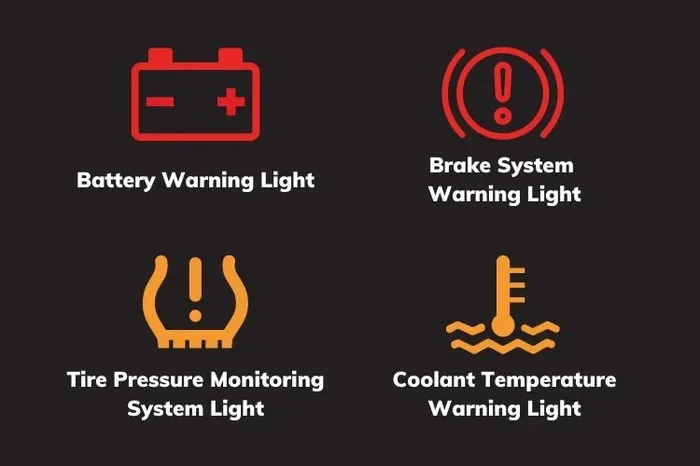
If the check engine light comes with other warning lights, do not just reset it. A check engine light plus a red oil pressure light means stop immediately. A check engine light plus a battery light could signal an alternator problem. Multiple lights together point to serious issues that need urgent attention.
### The Light Comes Back After Resetting
If you reset the light and it returns within a few days, the problem is not fixed. The underlying issue still exists. Resetting the light again will only mask the real problem. Take your Toyota to a mechanic for proper diagnosis and repair.
## Preventing the Check Engine Light From Coming Back
Once you have successfully turned off the check engine light on your Toyota, you want to keep it off. Prevention is always better than cure. A few simple habits go a long way.
Check your gas cap after every fill-up. Make sure it clicks tightly. Replace your gas cap every five years. The rubber seal inside the cap degrades over time. Inspect your air filter regularly. A dirty air filter stresses the mass airflow sensor. Follow the Toyota maintenance schedule for your specific model. Oil changes, spark plug replacements, and timing belt inspections all prevent issues that trigger the check engine light.
Use quality fuel. Cheap gas can contain contaminants that harm sensors and combustion components. Keep up with regular oil changes. Old or dirty oil reduces engine efficiency. Monitor your Toyota dashboard closely. If you notice any warning lights early, address them quickly. Catching small problems early saves you from expensive repairs later.
## Expert Tips for Toyota Owners
Toyota vehicles are known for reliability. But even the best Toyotas develop issues over time. Here are some expert tips to keep in mind.
Always keep a basic OBD-II scanner in your glove box. It costs very little and can save you hundreds in diagnostic fees. Many modern scanners connect to your smartphone via Bluetooth. You can read codes in seconds without visiting a parts store.
Do not ignore the check engine light, even if your Toyota seems to run fine. Some problems do not cause noticeable symptoms at first. But they can worsen over time and become expensive repairs. A small oxygen sensor issue today can become a catalytic converter replacement next month.
If you are not comfortable working on your Toyota yourself, take it to a trusted mechanic. You can also visit your local Toyota dealer. They have specialized diagnostic equipment and factory-trained technicians. Keep records of all repairs and resets. This history helps mechanics diagnose recurring issues faster.
## Key Takeaways
Key Takeaways
- Loose gas caps are the #1 cause: A simple tightening or replacement often solves the problem instantly.
- An OBD-II scanner is essential: This tool reads the diagnostic trouble codes hiding behind your check engine light.
- Not all resets are safe: Some issues like a flashing light demand immediate professional attention.
- Maintenance prevents recurrence: Regular Toyota maintenance schedules keep warning lights away.
- Reset methods vary by model: Your Toyota year and model determine which reset technique works best.
- Driving with the light on carries risk: Some conditions can damage your engine or catalytic converter if ignored.
Key Takeaways
- Diagnose before you reset: Always read the trouble codes first. Resetting without fixing the cause just brings the light back.
- Loose gas caps cause most cases: Check your cap before assuming the worst. It is the simplest and cheapest fix.
- Use an OBD-II scanner: This tool is essential for any Toyota owner. It gives you real answers instead of guesswork.
- Never ignore a flashing light: A flashing check engine light means stop driving and get help immediately.
- Prevention saves money: Regular maintenance keeps your Toyota healthy and prevents warning lights from appearing.
- Know when to call a pro: Some issues require professional tools and expertise. Do not hesitate to seek help when needed.
The check engine light can feel scary. But with the right knowledge, you can handle it confidently. Most causes are minor and easy to fix. The key is to act quickly and not ignore the warning. Whether you reset the light yourself or visit a mechanic, understanding the cause puts you in control. Your Toyota is a reliable machine. With proper care and attention, it will serve you well for years to come.
Frequently Asked Questions
Can I drive my Toyota with the check engine light on?
It depends on the severity. If the light is steady and your Toyota runs normally, you can usually drive a short distance. However, if the light is flashing, pull over immediately and do not continue driving. A flashing light often indicates a serious misfire that can damage your engine or catalytic converter. When in doubt, get your Toyota inspected by a professional.
How much does it cost to diagnose a check engine light on a Toyota?
Most auto parts stores will read the codes for free. If you take your Toyota to a mechanic, diagnostic fees typically range from 80 to 150 dollars. The actual repair cost depends entirely on what triggered the light. A loose gas cap costs almost nothing to fix. A catalytic converter problem can cost over 1000 dollars.
Will the check engine light reset itself on a Toyota?
Yes, in some cases. If the issue was minor, like a loose gas cap, the light may turn off on its own after a few drive cycles. Your Toyota computer monitors the same condition multiple times before clearing the code. If the problem is fixed, the light will eventually go away. However, if the issue persists, the light will stay on or come back.
What is the difference between a steady and flashing check engine light?
A steady check engine light indicates a non-urgent issue that needs attention soon. A flashing check engine light signals a serious problem, usually an active engine misfire. A flashing light requires immediate action because it can cause expensive damage to your exhaust system. Always treat a flashing light as an emergency.
Can a bad fuel pump cause the check engine light to come on?
Yes, it can. A failing fuel pump may not deliver enough fuel pressure to the engine. This triggers the check engine light. You might also notice hesitation during acceleration, difficulty starting, or stalling at idle. Fuel pump issues should be addressed promptly to avoid getting stranded or causing engine damage.
Do I need a special scanner to reset the check engine light on a Toyota?
You do not need a Toyota-specific scanner. A standard OBD-II scanner works on all Toyota models made after 1996. These scanners are widely available and affordable. Some advanced models can clear codes and provide live sensor data. Even basic scanners will clear the codes and turn off the light once the problem is fixed.